





 English
  Francês
  Alemão
  Italiano
  Japonês
  Norueguês
  Portuguese
  Spanish
  3 min of reading


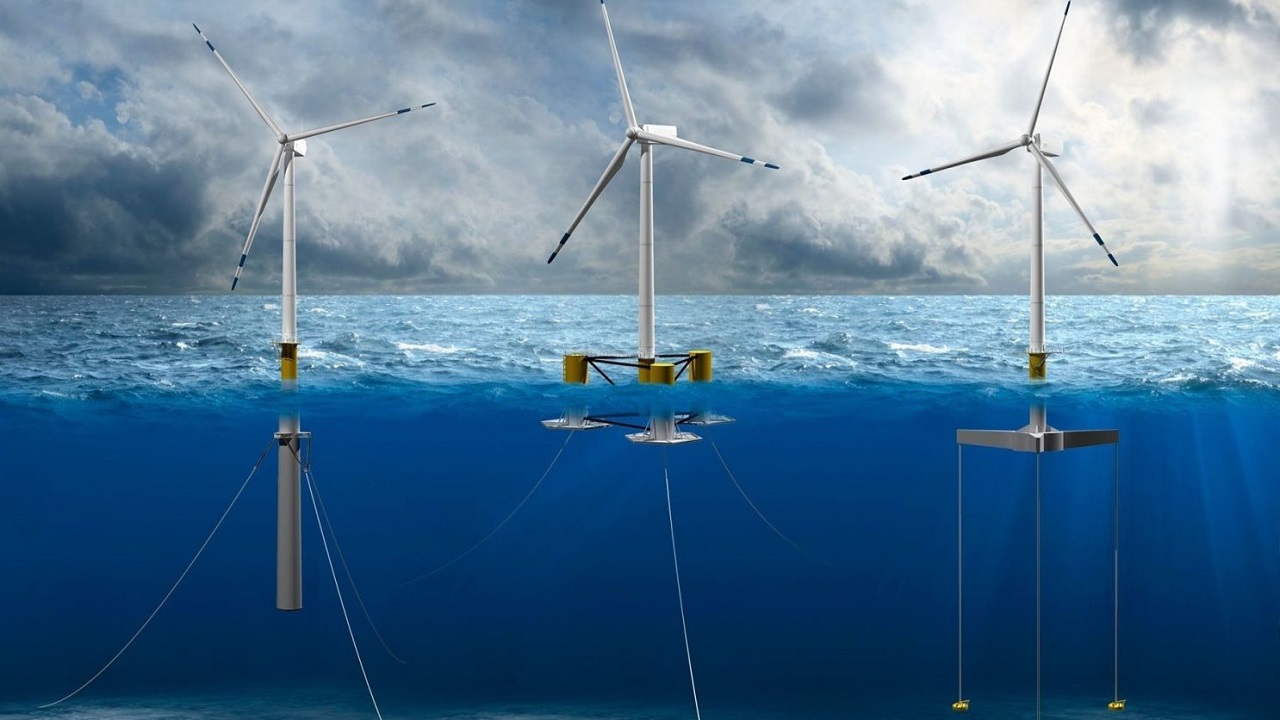
New Bill Is Under Review in the Senate Aiming to Regulate Offshore Wind Energy Production in Brazil.
Offshore wind farms and solar energy are a significant promise for investments in renewable energies along the coast of the country. In this model, wind turbines or solar panels are installed offshore rather than on land, and although Brazil does not have any offshore plants, it has great potential for establishing these structures, according to Elbia Gannoum, President of the Brazilian Wind Energy Association (ABEEólica).
Bill Is Under Review to Regulate Offshore Wind and Solar Energy Production in Brazil
According to Gannoum, the country also has exceptional wind at sea. Thus, there is a great possibility of initiating these investments in Brazil soon. The state of Rio Grande do Norte is one of the best potentials for this type of energy generation. Therefore, it is necessary to start with investments through an auction, which is being organized for next year, and by the end of this decade, we will have offshore wind farms and floating solar energy.
To ensure the regulation of offshore wind and solar energy production, in addition to other types of sources, the Bill 576/2021 is currently under discussion in the Senate, presented by Senator Jean Paul Prates, who advocates the necessity of the measure for the Brazilian industry. According to Prates, it is essential to recover the country’s industrial capacity, which must be achieved through public policies, but also with more modern laws and regulations to attract more investments to the Brazilian renewable market.
-
Renewable energy advances over protected areas in Brazil, and a survey by the Energy Transition Observatory reveals silent impacts that challenge environmental conservation and pressure sensitive traditional territories.

-
Rio Grande do Sul accelerates energy transition: State invests in renewable technologies and consolidates decarbonization strategies and pathways to attract billions in new industrial investments.

-
With 160,000 m² of collectors, an area larger than 20 football fields, Silkeborg, in Denmark, hosts a solar thermal plant that heats 19,500 homes and could become the largest solar heating plant in the world.

-
A study reveals the expansion of renewable energy procurement in Brazil and shows how companies are taking advantage of opportunities to reduce expenses, ensure energy efficiency, and strengthen strategic environmental commitments.


According to the Bill, to obtain authorization for the installation of offshore wind energy plants, an economic and technical assessment, an environmental impact study, and also a nautical and aeronautical safety evaluation will be required. Furthermore, those wishing to invest in the plants must present an environmental monitoring project for the undertaking in all phases of the process.
Offshore Wind Energy Production Could Be One of the Greatest Highlights in Brazil in the Coming Years
Even without the Bill, the state of Rio Grande do Norte stands out in the national production of wind energy. According to the Economic Development Secretariat, the state produced 1.5 GW of energy last year, a growth of 138% compared to the previous year.
An analysis by the Senai Renewable Energy Innovation Institute, based on data from Aneel, states that this total represents 40% of Brazil’s wind energy production. Gannoum asserts that wind energy can lead to expansion and economic development in the region where it is installed.
For every R$ 1 invested in wind energy in the country, R$ 2.90 is returned in GDP. There is also another factor, which is the economic development where studies have shown that the GDP of the Northeast expanded by around 21% due to the arrival of wind energy plants, and the HDI grew by about 20%.
The Best Year to Invest in Solar Energy
In January of this year, the Federal Government published the law that establishes the Legal Framework for Energy, designed to regulate micro and mini generators of Distributed Energy in the country.
This law was highly anticipated, as distributed solar energy generation is a cheaper and more sustainable way to generate electricity. Now the expectation is that investments will flow in to reduce the prices and adjustments of electricity costs in the country. The estimate is that costs with thermoelectric plants will be reduced by about R$ 150 million by 2050, one of the main contributors to the increase in electricity bills.








Seja o primeiro a reagir!