





 Portuguese
  English
  Spanish
  4 min of reading
  0 comments


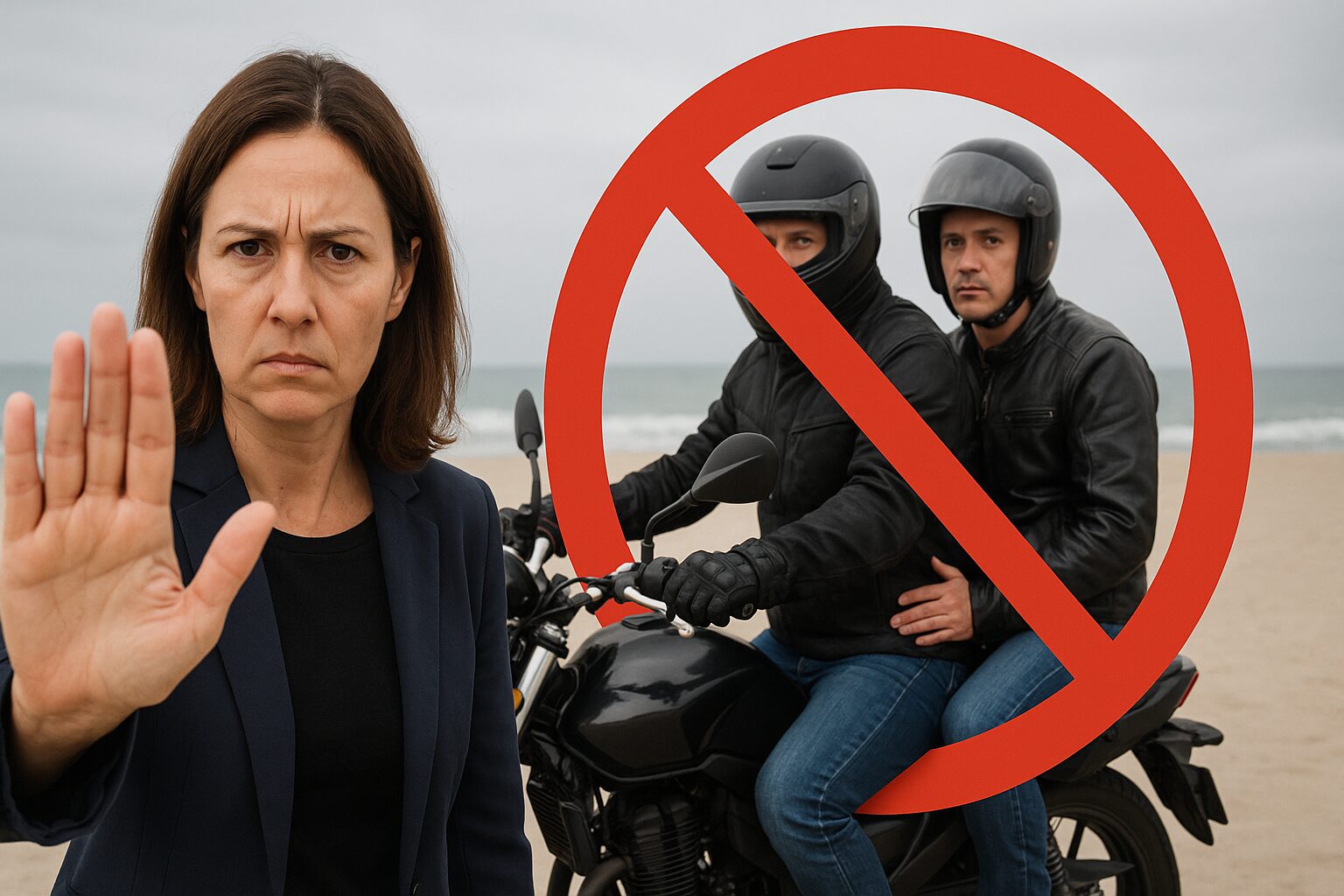
New Bill Aims to Combat Crime in Buenos Aires Province and Rekindles Debate in Brazil and Other South American Countries
A bill under consideration in Buenos Aires Province, Argentina, has reignited a controversial debate: the possibility of banning passengers on motorcycles. The proposal, advocated by local authorities as a way to combat urban crime, has no set date for a vote but is already dividing opinions among security experts, motorcyclists, and civic organizations.
According to the Argentine newspaper La Nación, the person responsible for articulating the proposal is Javier Alonso, Minister of Security for the province. In recent statements to the local press, he confirmed that the provincial government has initiated studies to restrict motorcycle traffic with more than one occupant, justifying that most crimes committed using motorcycles involve two suspects — the driver and a passenger, referred to as “garupa”.
Ban on Passengers on Motorcycles Could Be Enacted in Over 100 Argentine Municipalities
The initiative, which initially gained traction in Buenos Aires, is being discussed with mayors from up to 135 Argentine municipalities, which could lead to a regional application of the restriction, albeit in an experimental manner. According to the Diario El Norte, one of the cities that has already shown interest in adopting the measure is San Nicolás de los Arroyos, located north of the province.
-
A French brand placed a car on four huge red balloons to prove that its suspension made the vehicle “float,” and the surreal scene became one of the most iconic and unusual images in automotive history.

-
Jeep Avenger begins production in Brazil, debuting as the brand’s new entry-level SUV and inaugurating an unprecedented phase by becoming the first national Jeep manufactured outside of Goiana, as part of a R$ 3 billion plan.
-
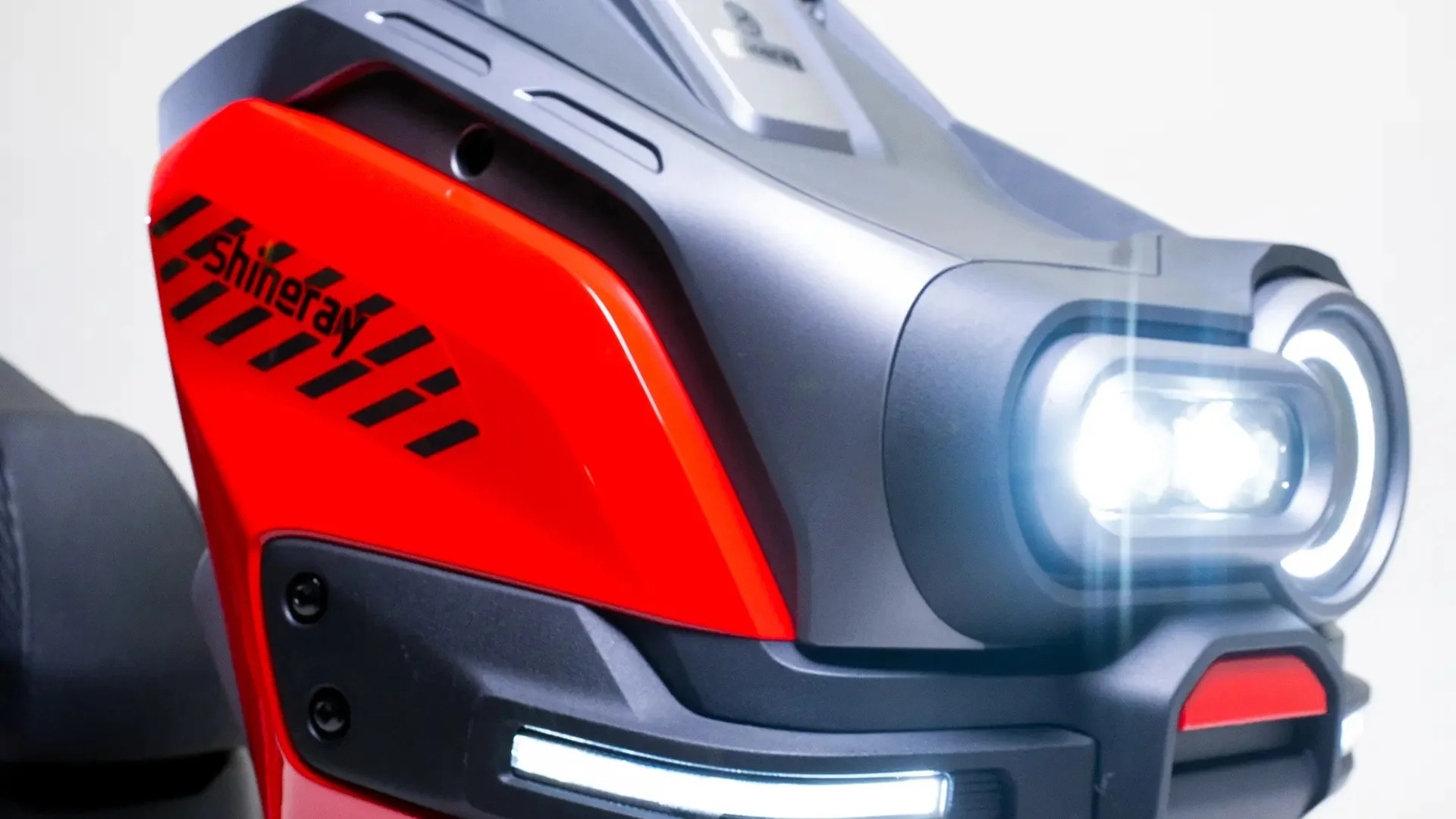
Costing R$ 12,490, the new Shineray Urban Lite 150 “cheap one” arrives in Brazil with a CVT transmission, digital dashboard, and LED lights, making it more affordable than the Biz and targeting those who want to abandon the bus.
-
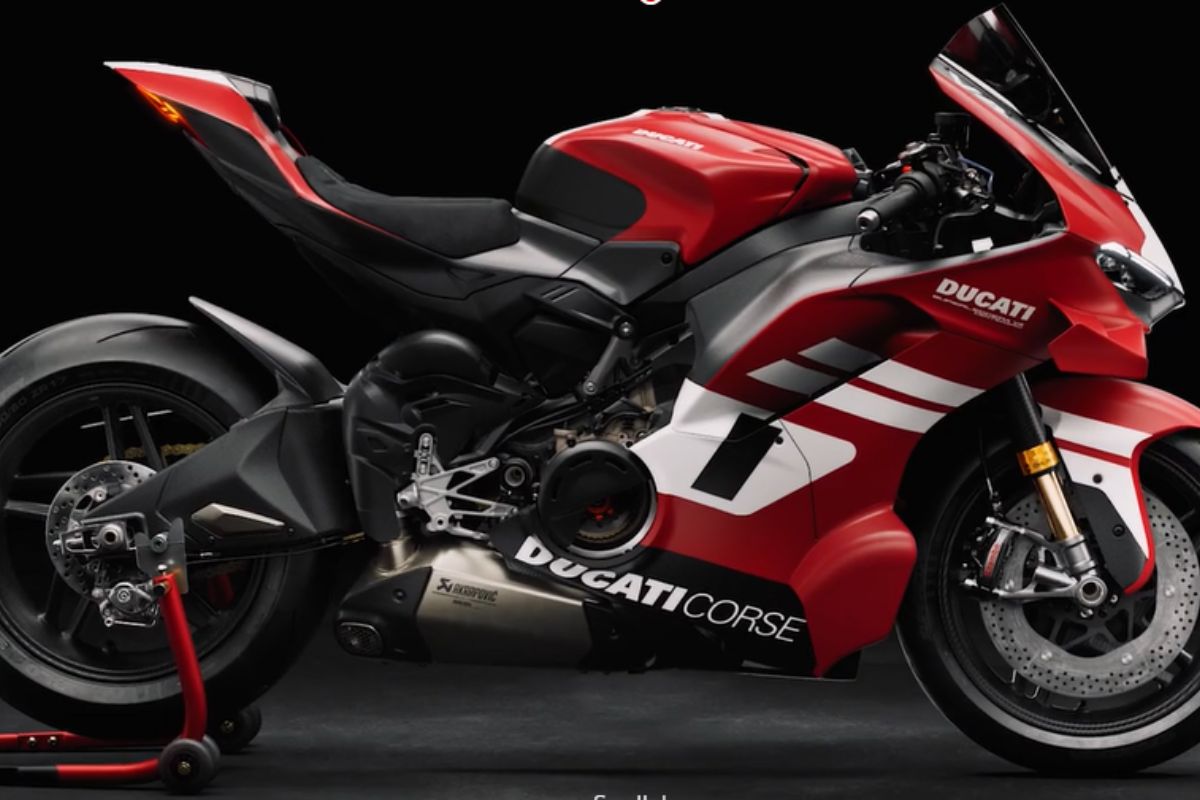
Ducati brings to Brazil the Superleggera V4 Centenario: 228 hp that become 247 with a track kit, carbon fiber and carbon-ceramic brakes, estimated price between R$ 1.5 and 2 million, deliveries only in 2027.

During a press conference in La Plata, Minister Carlos Bianco of the Buenos Aires Provincial Government stated that the project will be analyzed cautiously, respecting the particularities of each municipality. However, there is currently no official timeline for implementation, nor is there clear regulation on exceptions, enforcement, or sanctions.
New Bill Seeks to Curb Robberies Committed by Pairs on Motorcycles
The proposal is primarily motivated by the high incidence of crimes committed by criminals on motorcycles. In many cases, according to local public safety data, thieves exploit the agility of two-wheeled vehicles to carry out quick thefts and escape rapidly. The passenger — or garupa — is typically the one who gets off the motorcycle to commit the robbery.
For this reason, Argentine authorities believe that limiting the number of occupants on motorcycles could drastically reduce this type of crime, serving as a preventive measure. “This is not about criminalizing motorcyclists, but rather identifying patterns that facilitate criminal actions and taking preventive measures,” Alonso stated.
Ban on Passengers on Motorcycles Already Exists in Other Countries
This would not be the first time a South American country adopts a similar measure. Recently, Peru decided to restrict the transportation of passengers on motorcycles in Lima and the metropolitan area as part of an emergency strategy to curb the rise in urban crime. The restriction was mandated by decree, valid until May 17, and is enforced with the support of the National Police of Peru and the Armed Forces.
In addition to banning passengers, the Peruvian government also banned the use of helmets with dark visors or that obstruct facial identification, another attempt to make it more difficult for criminals using motorcycles to remain anonymous.
Similar Proposal Was Discussed in Brazil but Did Not Progress
The debate over banning passengers on motorcycles has also occurred in Brazil, though it faced legal and public resistance.
In 2011, the São Paulo Legislative Assembly approved the Bill 485/2011, which aimed to prohibit motorcycles from carrying passengers on the rear in certain times and regions of the capital.
However, the measure was considered unconstitutional by experts, as it violated the right to free movement guaranteed by the Federal Constitution. The proposal was ultimately shelved, but it is still remembered in discussions on public safety.
Despite not being enacted, concern persists. According to a recent Datafolha survey, eight in ten Brazilians fear being robbed when they see a motorcycle approaching on the streets. The survey interviewed over 3,000 people aged over 16 in 172 Brazilian municipalities and reinforces the perception of insecurity associated with the misuse of motorcycles by criminals. Experts advocate for a balance between security and mobility.
The Argentine proposal raises questions about individual rights, urban mobility, and the effectiveness of the measure. Traffic experts argue that transporting passengers is a legitimate and common right, especially in countries that widely use motorcycles as an alternative and accessible means of transportation.
“The problem is not the passenger, but the lack of effective public safety policies, crime prevention, and traffic education,” claims Carlos Domingos, a consultant in urban mobility. According to him, reactive and restrictive measures, while they may work in the short term, tend to harm workers and families who rely on motorcycles as their primary means of transportation.
Organizations linked to motorcyclists in Argentina and Brazil have already expressed their opposition to the proposal. For these entities, the measure penalizes the majority of the population that uses transportation legally. “The problem is crime, not the passenger. You can’t generalize,” said Gustavo Diéguez, representative of the Argentine Federation of Motorcyclists.
In Brazil, unions of delivery riders and app delivery workers also express concern when such ideas resurface. According to them, many families share motorcycles for daily commuting, and drastic measures could cause more social harm than practical benefits.










Seja o primeiro a reagir!