





 Portuguese
  English
  Spanish
  3 min of reading


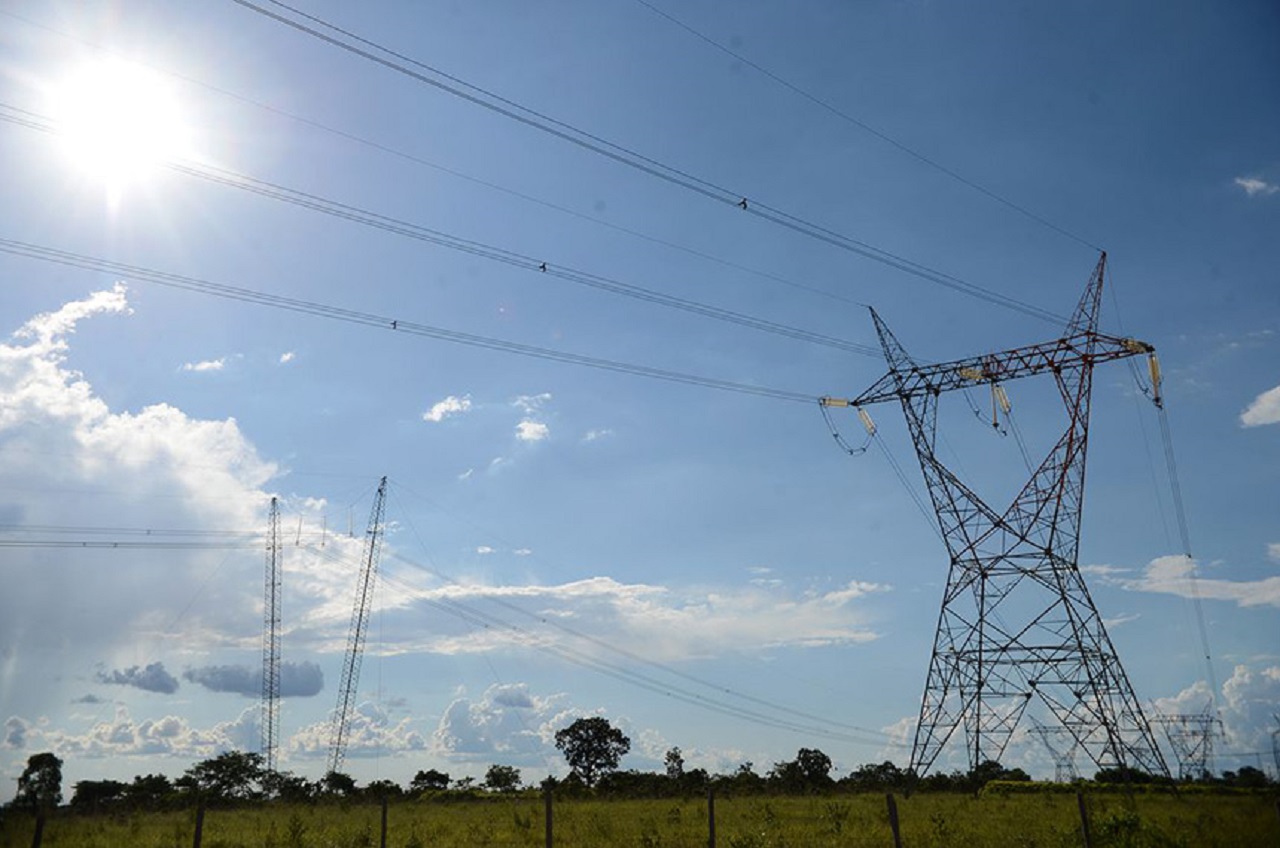
Senator Jean Paul Prates Created a New Bill to Include the Use of Green Hydrogen in the Regulatory Framework of Brazil’s Electric Sector
The bill was presented by Senator Jean Paul Prates PT/RN on Monday (28), aiming to include green hydrogen in the regulatory framework of Brazil’s energy sector. According to the legislator, the use of renewable fuel is still unknown to a large part of the population, but is already seen by sector experts as an essential source for the energy transition to a carbon-free world.
Learn More About the Bill for the Use of Green Hydrogen in the Brazilian Energy Sector
The bill is named the hydrogen law and stipulates that by 2032 a minimum percentage of 5% hydrogen should be added to the gas pipeline network, a percentage that should increase to 10% by 2050.
In the first period, of the total percentage, 60% must be green hydrogen, generated from sources such as solar, biomass, wind, biogas, among others. In the second period, the participation of green hydrogen must be 80%.
-
Unemployment rises again to 5.8% at the beginning of 2026, raising alarms about the end of temporary positions and its impact on the Brazilian job market.

-
Document organization can cut invisible costs in small businesses, a simple step that prevents waste, rework, and losses in daily operations.

-
Renewable energy advances over protected areas in Brazil, and a survey by the Energy Transition Observatory reveals silent impacts that challenge environmental conservation and pressure sensitive traditional territories.

-
Rio Grande do Sul accelerates energy transition: State invests in renewable technologies and consolidates decarbonization strategies and pathways to attract billions in new industrial investments.


The bill includes the fuel in the law 9478/1997, the petroleum law, bringing it under ANP regulation. According to Prates, this is a simple bill, but highly inductive and that provides essential guidance for the investments already announced in the country for this new source, as well as for the various technologies that make it viable. In Brazil, some projects are already advanced in seeking environmental licenses for the production of green hydrogen. A large number of the projects are located near offshore wind farms.
States Invest in Hydrogen Projects in the Energy Sector
The State of Ceará has been partnering with private companies to create a hub at the port of Pecém. So far, there are R$ 26 billion in projects that include a solar energy generation complex, wind energy, and an electrolysis plant in Pecém. In addition to Ceará, four other states in the Northeast region also have memorandums of understanding with private companies for the production of green hydrogen: Rio Grande do Norte, Pernambuco, Piauí, and Bahia.
Last week, Rio Grande do Sul signed a partnership with Enerfín of Brazil for the construction of a green hydrogen project in the state. This is the second agreement of its kind, considering that in December last year, the state government made a partnership with White Martins. Despite all this movement, the energy sector sees a lack of regulation, generating uncertainties and insecurity for the projects.
Bill Seeks Diversification in Clean Energy Sources
The Federal Government, with the National Hydrogen Plan, opens the doors for hydrogen produced from fossil sources, while the senator’s bill aims to find differentiation in the renewable energy market in Brazil.
The bill provides a legal definition of green hydrogen, encompassing technologies and generation sources considered renewable. Prates explains that this was done because, depending on the stricter concept of green hydrogen used, it could restrict incentives to only one of the various production technologies, while our country has the capacity to produce the fuel in multiple ways, such as from sugarcane processing.
According to the president of the Sindalcool of Paraíba, Edmundo Barbosa, the chemical formula of ethanol shows that it contains a lot of hydrogen, and the country has the only technology to convert ethanol into hydrogen. According to the executive, 7.6 liters of ethanol can generate 1 kg of hydrogen.









Seja o primeiro a reagir!