






 Portuguese
  Spanish
 4 min of reading


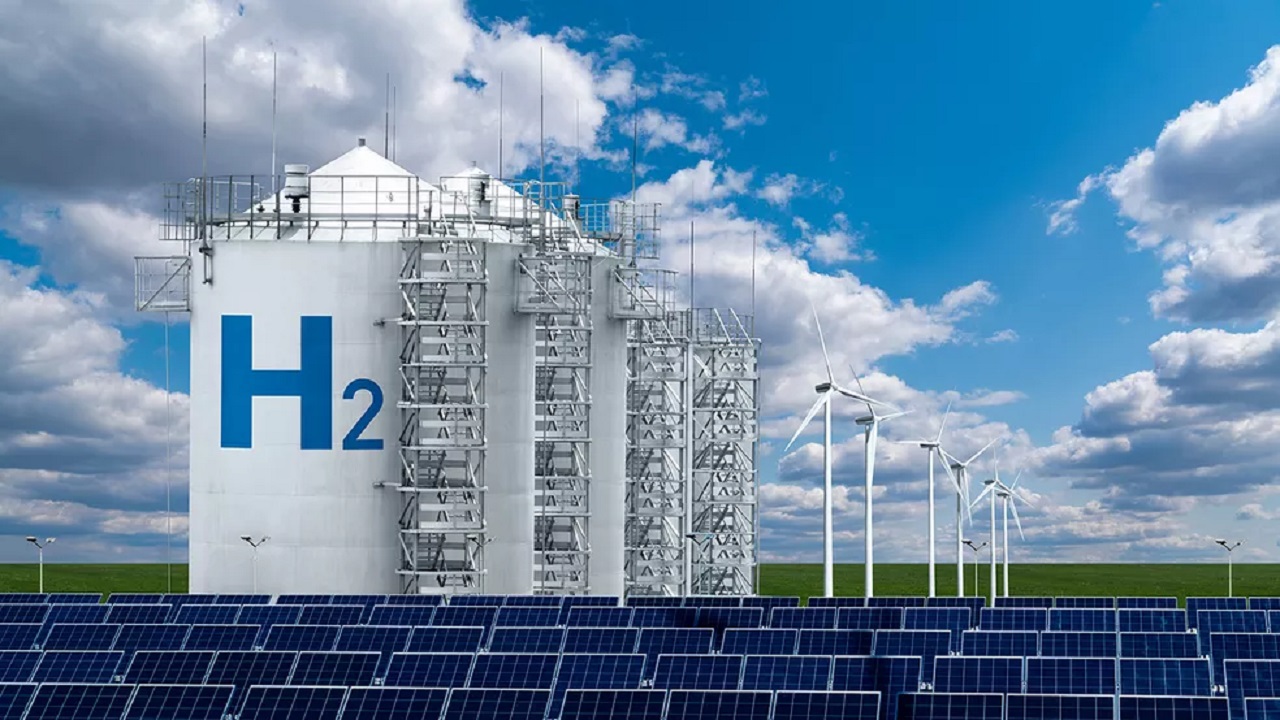
Ceará’s Green Hydrogen Hub Promises to Be One of the World’s Largest Undertakings and Already Has 16 Signatures from Interested Companies
Ceará has already accumulated more than 15 signatures from American, Asian, and European companies intending to participate in the state’s new green hydrogen hub, and estimates that by next week this number will increase to 20 interested companies, further boosting the future production of green hydrogen in Brazil.
Read Other Related News
- Researchers Develop New System Capable of Producing Green Hydrogen Using Solar Energy, Potentially Making the Process Up to 3,000 Times Cheaper
- New Green Hydrogen Project at Pecém Complex Promises to Generate 5,000 Jobs During Its Construction Phase
- Federal University of Ceará Announces Investment of R$ 500,000 for Research on Green Hydrogen Production
- Research Center Funded by Shell and Fapesp Aims to Produce Green Hydrogen (H2V) from Polluting Ethanol Residue
- Shell Accused of False Advertising Involving Green Hydrogen for the Second Time
After New Companies Sign, Ceará Will Have 20 Companies Involved in the Green Hydrogen Hub
According to the Secretary of Economic Development and Labor, Maia Júnior, in an exclusive interview for the O POVO portal, four new companies are looking to be part of Ceará’s green hydrogen project, and their signatures should be registered later this week.
After the new companies sign, the state will total 20 interested companies in the green hydrogen hub. Ceará’s green hydrogen undertaking promises to generate thousands of jobs and income for the state. The central idea of the project, which was presented in mid-February last year, will be installed at the Pecém Industrial and Port Complex (CIPP) in São Gonçalo do Amarante.
-
Brazilian scientists are simultaneously advancing two research projects on clean hydrogen and driving solutions that could transform the energy matrix, enhance industrial competitiveness, and accelerate large-scale emission reduction targets.

-
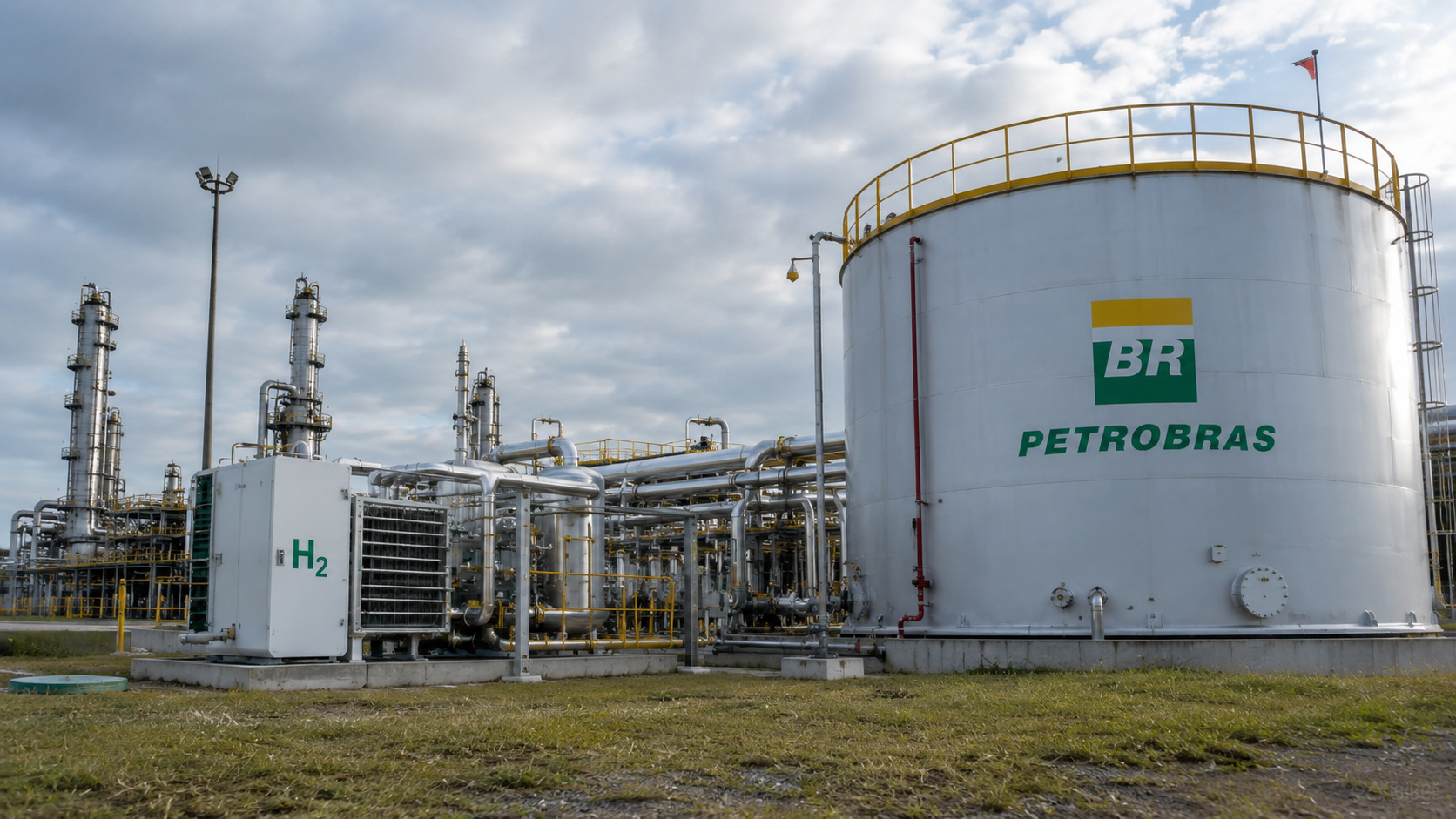
Advancement in renewable energy: A R$ 150 million project launched by Petrobras and Finep aims to create state-of-the-art electrolyzers for green hydrogen, strengthening national research and preparing Brazil to compete in a billion-dollar energy market.
-
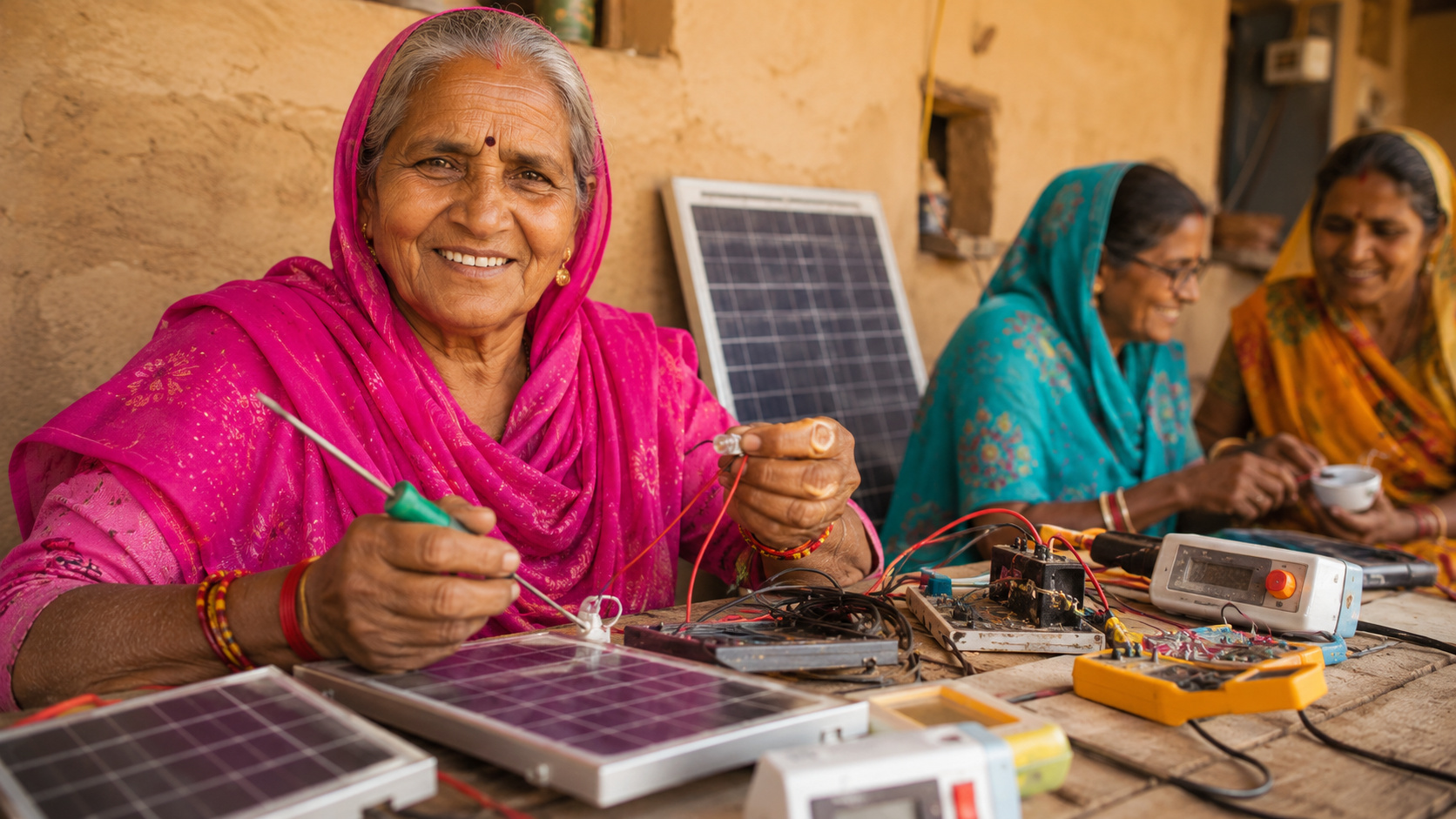
Illiterate or semi-literate grandmothers were trained to repair solar systems, open rural workshops, and light up homes that still depended on kerosene.
-
The world has bet on green hydrogen as the fuel of the future, but now faces the side effect: producing 1 kilogram requires about 9 liters of ultrapure water, and the largest projects on the planet are precisely in the driest regions of the Earth, where water is already scarce for people.

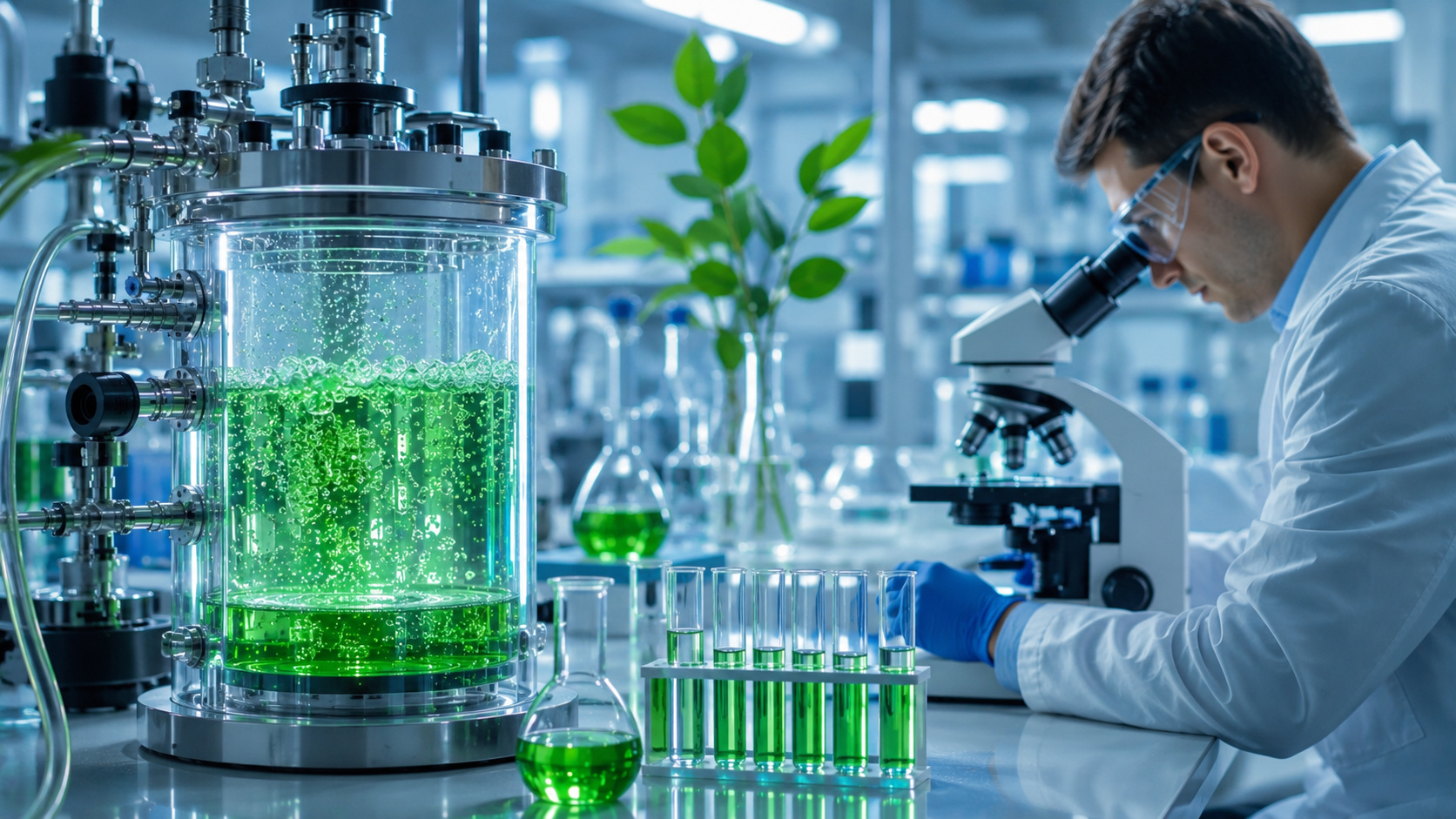
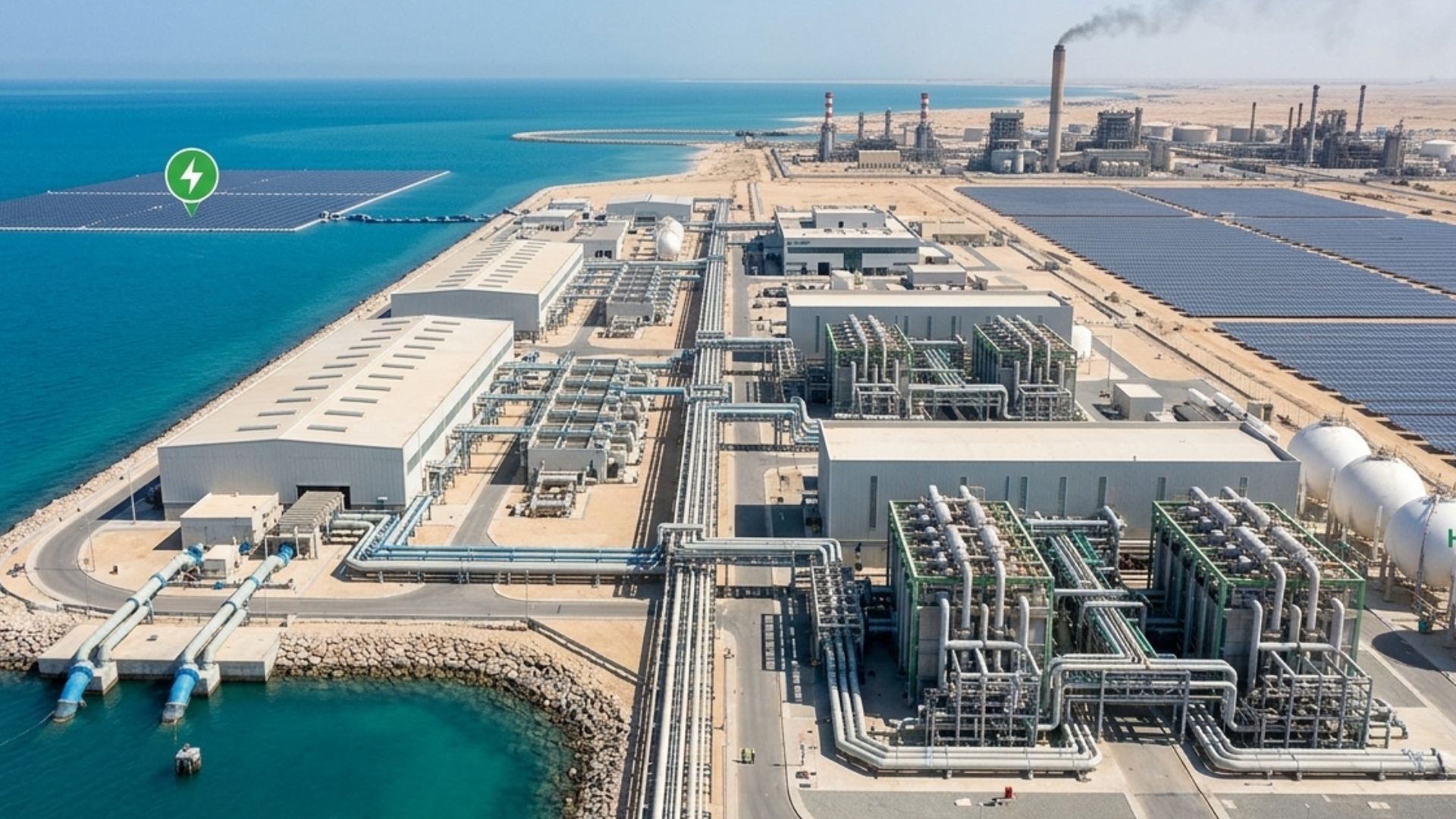
The project aims to be one of the largest in the world and seeks to reduce pollutant emissions and create new job opportunities for the residents of Ceará, boosting the economy and making the state a leader in the sector.
What Is Green Hydrogen and Why Do We Need It?

Green hydrogen is emerging as one of the main options for storing energy from renewable sources with hydrogen-based fuels, potentially transporting energy from renewable sources over long distances—from regions with abundant energy resources to areas with energy hunger thousands of kilometers away.
Green hydrogen was highlighted in several emission reduction promises at the UN Climate Conference, COP26, as a means to decarbonize the industry in general, long-distance freight, transport, and aviation. Governments and industry have recognized hydrogen as an important pillar of a net-zero economy.
How Green Hydrogen Differs from ‘Gray’ Hydrogen and Traditional High-Emission Blue Hydrogen?
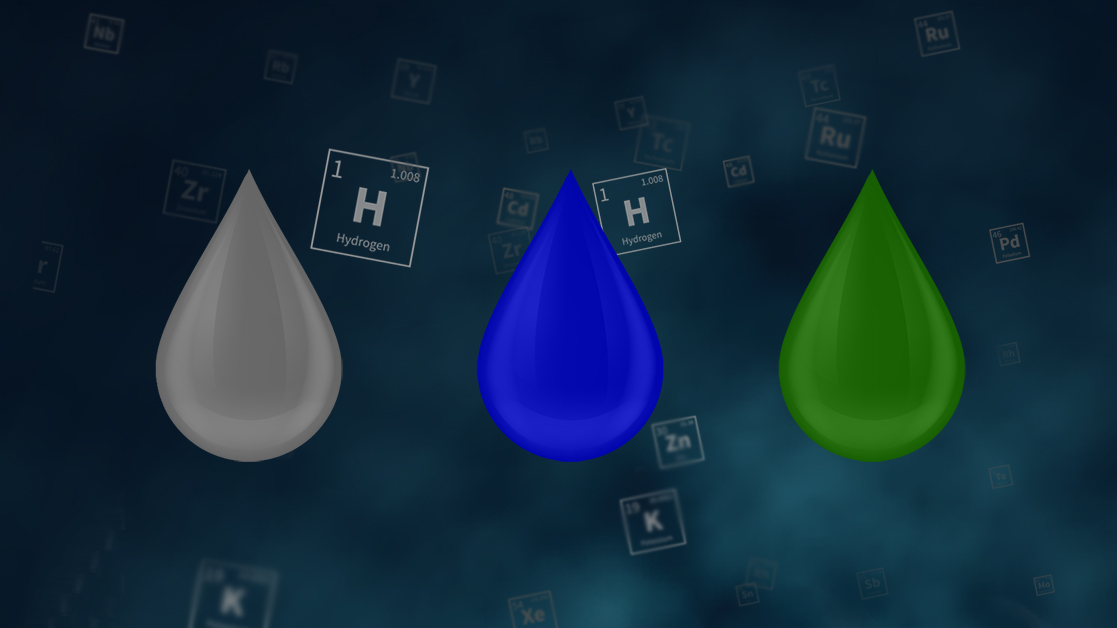
Hydrogen is the simplest and smallest element in the periodic table. No matter how it is produced, it ends up with the same carbon-free molecule. However, the pathways to produce it are very diverse, as are the greenhouse gas emissions, such as carbon dioxide (CO2) and methane (CH4). Green hydrogen is defined as hydrogen produced by splitting water into hydrogen and oxygen using renewable electricity. This is a very different pathway compared to gray and blue.
Gray hydrogen is traditionally produced from methane (CH4), split with steam into CO2—the main culprit of climate change—and H2, hydrogen. Gray hydrogen has also increasingly been produced from coal, with significantly higher CO2 emissions per unit of hydrogen produced, so much so that it is often referred to as brown or black hydrogen instead of gray. Today it is produced on an industrial scale, with associated emissions comparable to the combined emissions of the United Kingdom and Indonesia. It has no transitional energy value; quite the opposite.
Blue hydrogen follows the same process as gray, with additional technologies needed to capture the CO2 produced when hydrogen is separated from methane (or coal) and store it long-term. It is not a color but rather a very broad gradient since not all the CO2 produced can be captured, and not all storage means are equally effective long-term. The main point is that by capturing a large part of the CO2, the climate impact of hydrogen production can be significantly reduced.







Be the first to react!