





 Português
  Inglês
  Espanhol
  3 min de leitura


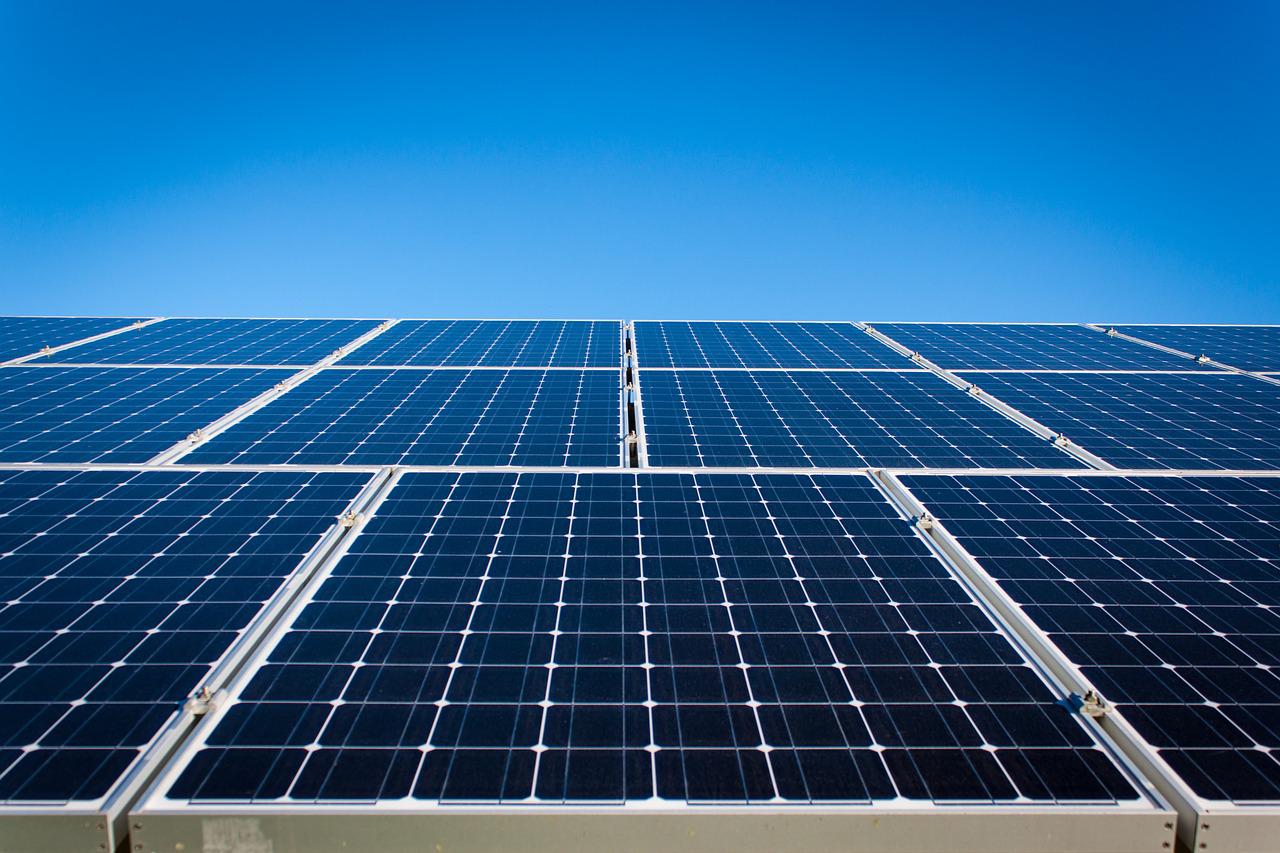
Solar Energy Production May Benefit From New Tax Incentives and the Exemption of Tariff Flags With the New Bill That Seeks to Change the Legal Framework for the Mini-Generation of the Resource as a Way to Boost the Sector
Last Monday, (04/25), Deputy AJ Albuquerque, who created PL 918/22 (Bill 918/2022), commented on the new initiative, which aims to change the legal framework for distributed solar energy mini-generation to exempt the tariff flag. In addition, it guarantees more tax benefits for the production of the resource in the national territory as a strategy for market expansion.
Deputy AJ Albuquerque Presents Bill for Exemption of Tariff Flags in Solar Energy Production Through the Legal Framework of Mini-Generation of the Resource
Now in transit through the Chamber of Deputies and awaiting a vote for approval or not, the Bill from Deputy AJ Albuquerque aims mainly to exempt the cost of the tariff flag for consumers who produce their own energy from wind or solar sources in GD (distributed generation) systems and who are under the current tariff regime of the legal framework for distributed mini-generation of the resource in the national territory.
Thus, the deputy’s text will change the legal framework for mini-generation by adding a paragraph for the exclusion of charges through tariff flags on the consumption of active electricity to be billed to solar energy consumer-generators in the country. This legal framework also serves for the production of wind energy in Brazil, but the solar energy sector is still the most benefited and is the main focus of the deputy in relation to the Bill he presented for tax benefits.
-
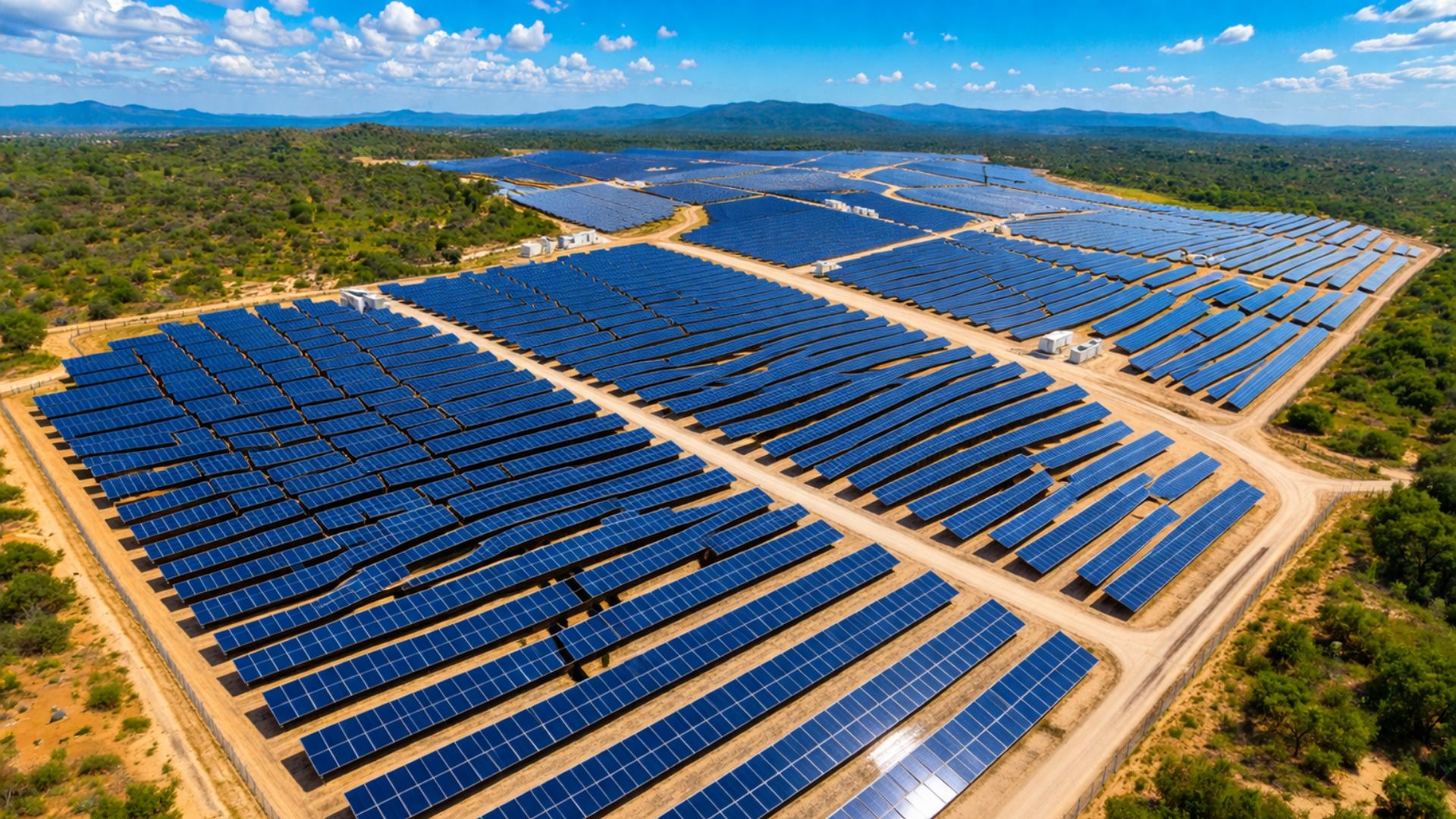
The Sol do Agreste Photovoltaic Complex begins operations in Pernambuco and accelerates the expansion of solar energy in Brazil, directly impacting the reduction of emissions and strengthening the sustainable energy matrix.
-
The Sol do Agreste Photovoltaic Complex begins operations in Pernambuco and accelerates the expansion of solar energy in Brazil, directly impacting the reduction of emissions and strengthening the sustainable energy matrix.
-
Renewable energy advances over protected areas in Brazil, and a survey by the Energy Transition Observatory reveals silent impacts that challenge environmental conservation and pressure sensitive traditional territories.

-
Rio Grande do Sul accelerates energy transition: State invests in renewable technologies and consolidates decarbonization strategies and pathways to attract billions in new industrial investments.


The legal framework for solar and wind energy mini-generation in Brazil, also known as Law 14,300, allows the incidence of tariff flags on the consumption billed in the month of production of these resources. However, the deputy believes that this is an absurd charge and that this is one of the reasons why the energy sector focused on renewables in Brazil has not yet reached the level it can achieve. Thus, the exemption of the tariff flag would be the first of several tax benefits that would allow for an expansion of resource production in the country.
The Bill from Deputy AJ Albuquerque Will Be Analyzed Only by Ministry Commissions and Will Be Defended by Its Creator Based on the Tax Benefits It Guarantees
After being presented to the Chamber of Deputies by Deputy AJ Albuquerque and currently awaiting approval, the Bill will be analyzed in a conclusive manner, a procedure by which the project does not need to be voted on by the Plenary. Thus, only a few specialized commissions will analyze the proposal, including those for Consumer Protection; Mines and Energy; and Constitution, Justice and Citizenship (CCJ).
Deputy AJ Albuquerque commented on the main defense of his Bill and stated his main point regarding tax benefits in the production of solar energy in Brazil: “These matrices [solar and wind energy] are not subject to variations due to water scarcity nor require interventions through thermoelectric plants. They constitute low-cost renewable generation sources that are funded through private investments by consumer-generators.”
Thus, he believes that, with the correct and necessary tax benefits, the solar energy sector can reach even higher levels and achieve a new presence within the national scenario to contribute to the decarbonization of the market.










Seja o primeiro a reagir!