





 English
  Francês
  Alemão
  Italiano
  Japonês
  Norueguês
  Portuguese
  Spanish
 3 min of reading


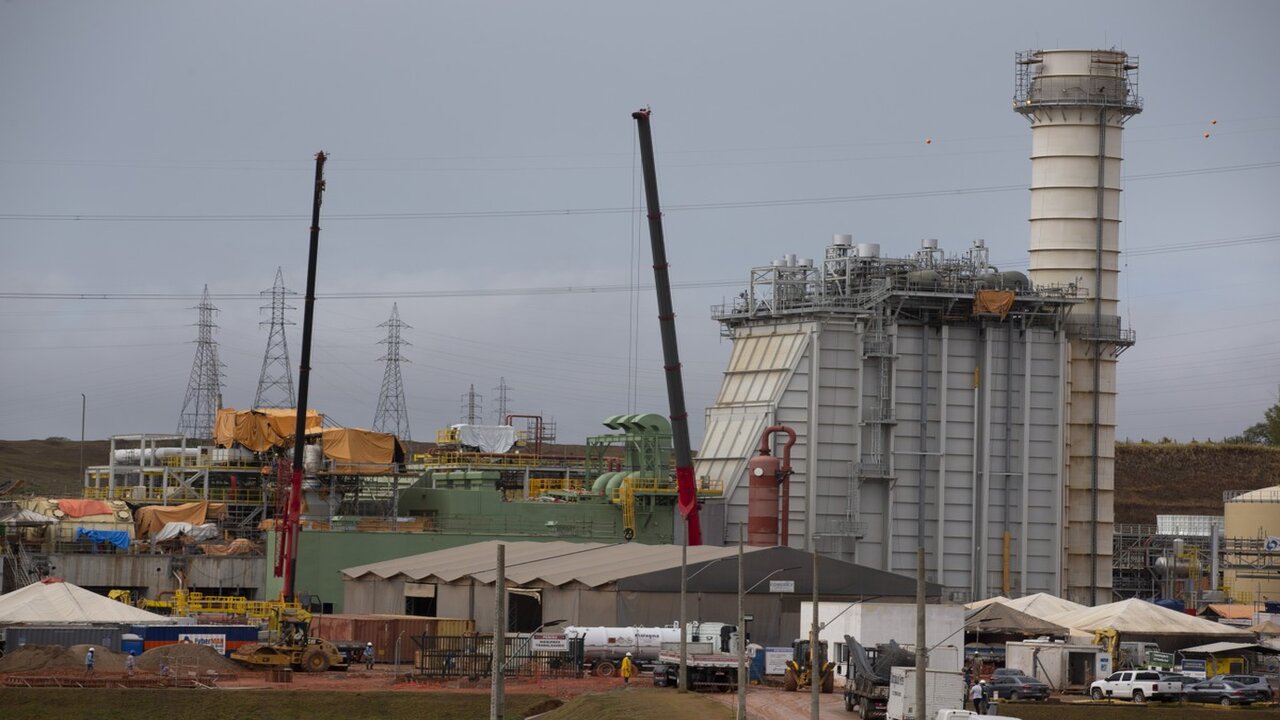
The City Of Macaé Currently Has A Project For A Complex With 15 Thermoelectric Plants To Operate In The Region, But May Suffer From Water Shortage Due To The Influence Of Energy Production On The Course Of The Macaé River.
Currently known as a major hub for Oil Production, the city of Macaé, in Rio de Janeiro, is preparing this Monday, (08/01), to focus on energy production based on thermoelectric plants. However, it may end up facing water shortages in the future. This is because the complex of 15 thermoelectric plants planned for the region will directly affect the course of the Macaé River for resource generation, impacting the quality of life of local residents.
Macaé River May Be Affected By The Installation Of Thermoelectric Plants For Energy Production In A Project Planned For The City Of Macaé
The city of Macaé is currently preparing to become a major reference in the state of Rio de Janeiro for energy production, as it has, in addition to two installed thermoelectric plants (UTEs), a third one under construction and plans for 12 more in an expansion project for the energy sector in the region.
However, the installation of these plants may impact the environment due to the need for resources, and the Federal Public Ministry (MPF) has already opened an inquiry to assess the combined impacts of all of them on the air quality of the municipality.
-
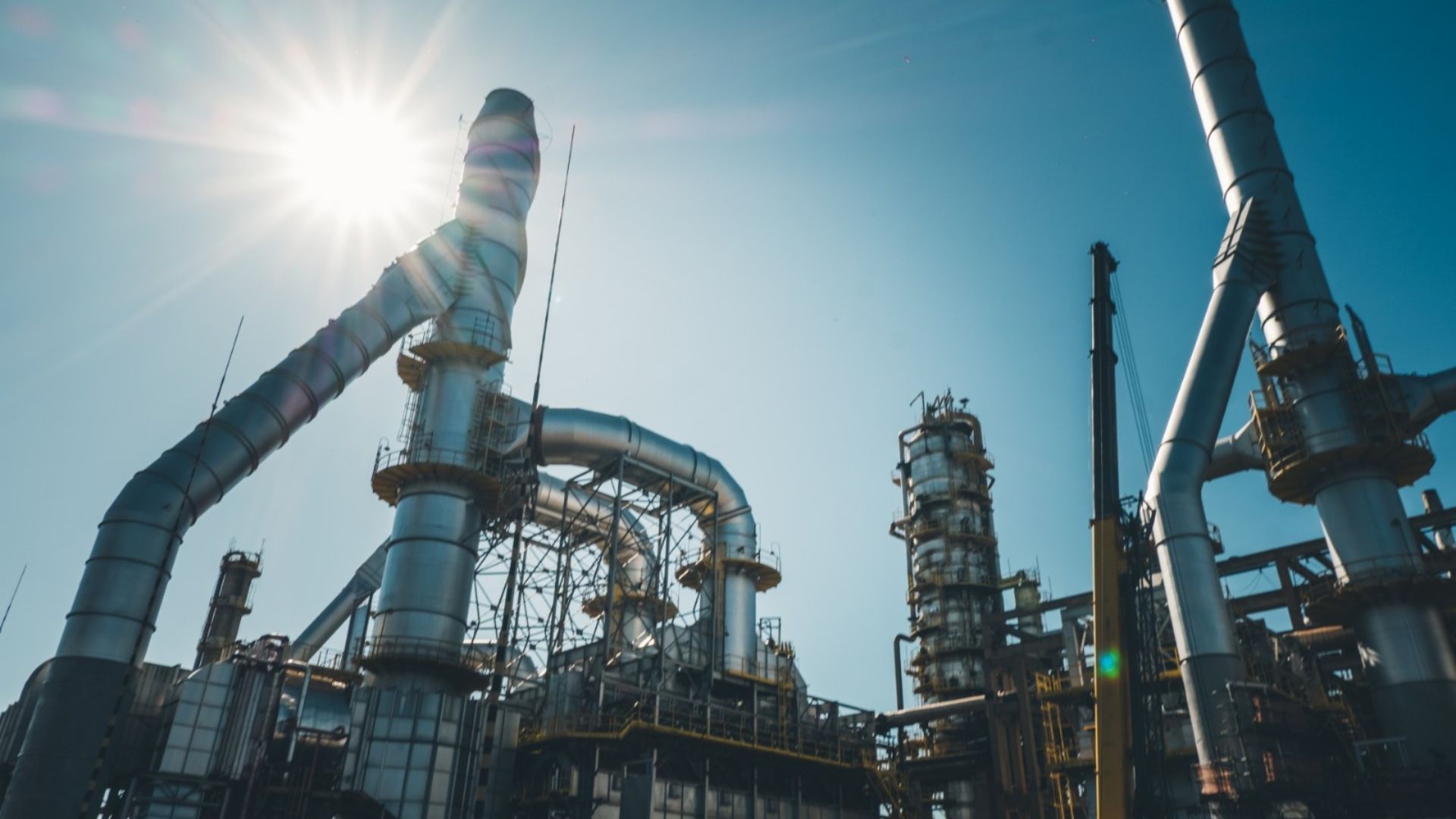
Petrobras Expands Refining in Brazil, Increases Production of Diesel S-10 and Gasoline, Enhances Operational Efficiency, and Reduces Import Dependence Between 2023 and 2025
-
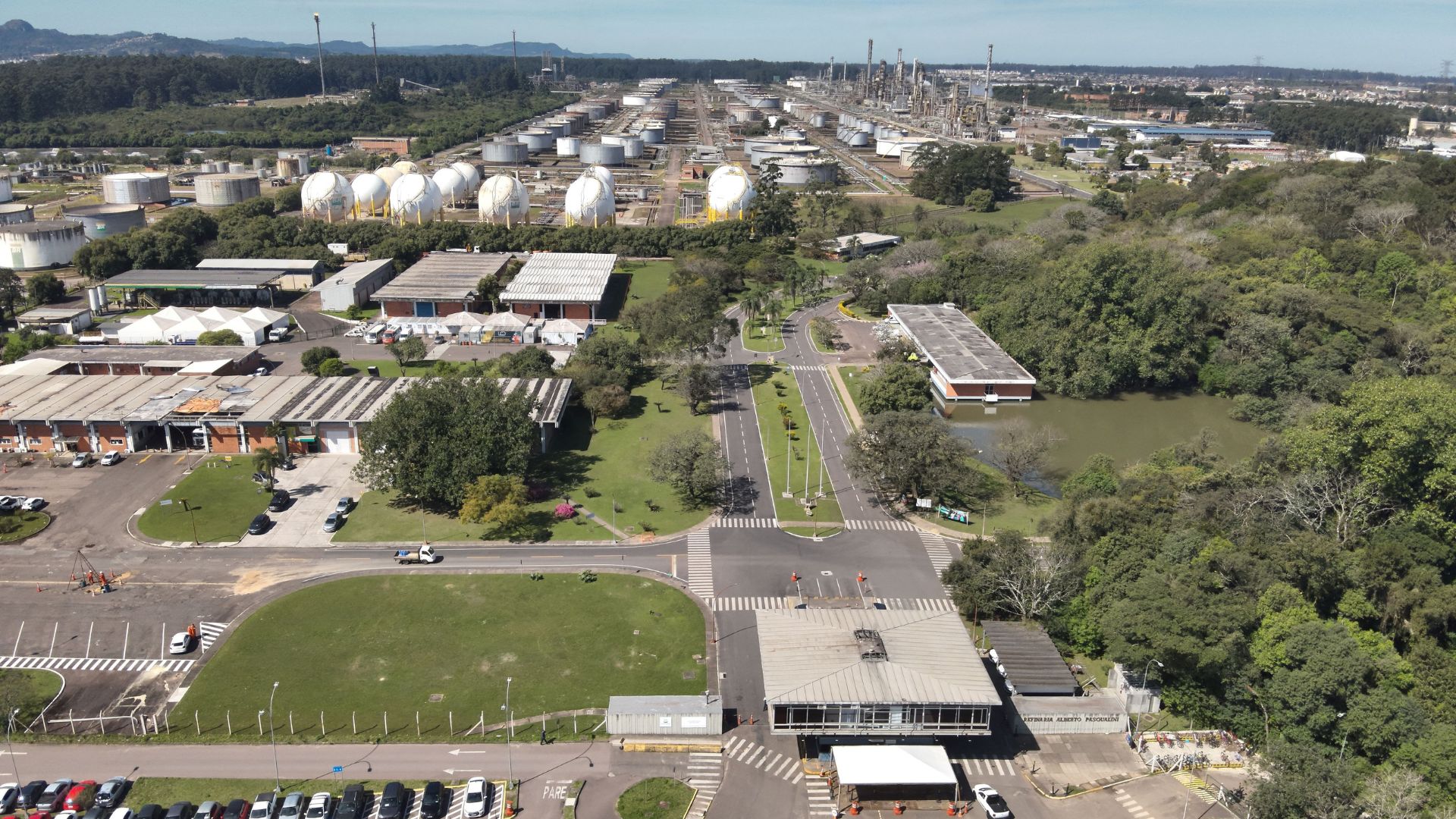
Petrobras’ Refap Sets Historic Records for Gasoline and S-10 Diesel Production in Canoas in Q4 2025, Surpassing Previous Figures
-
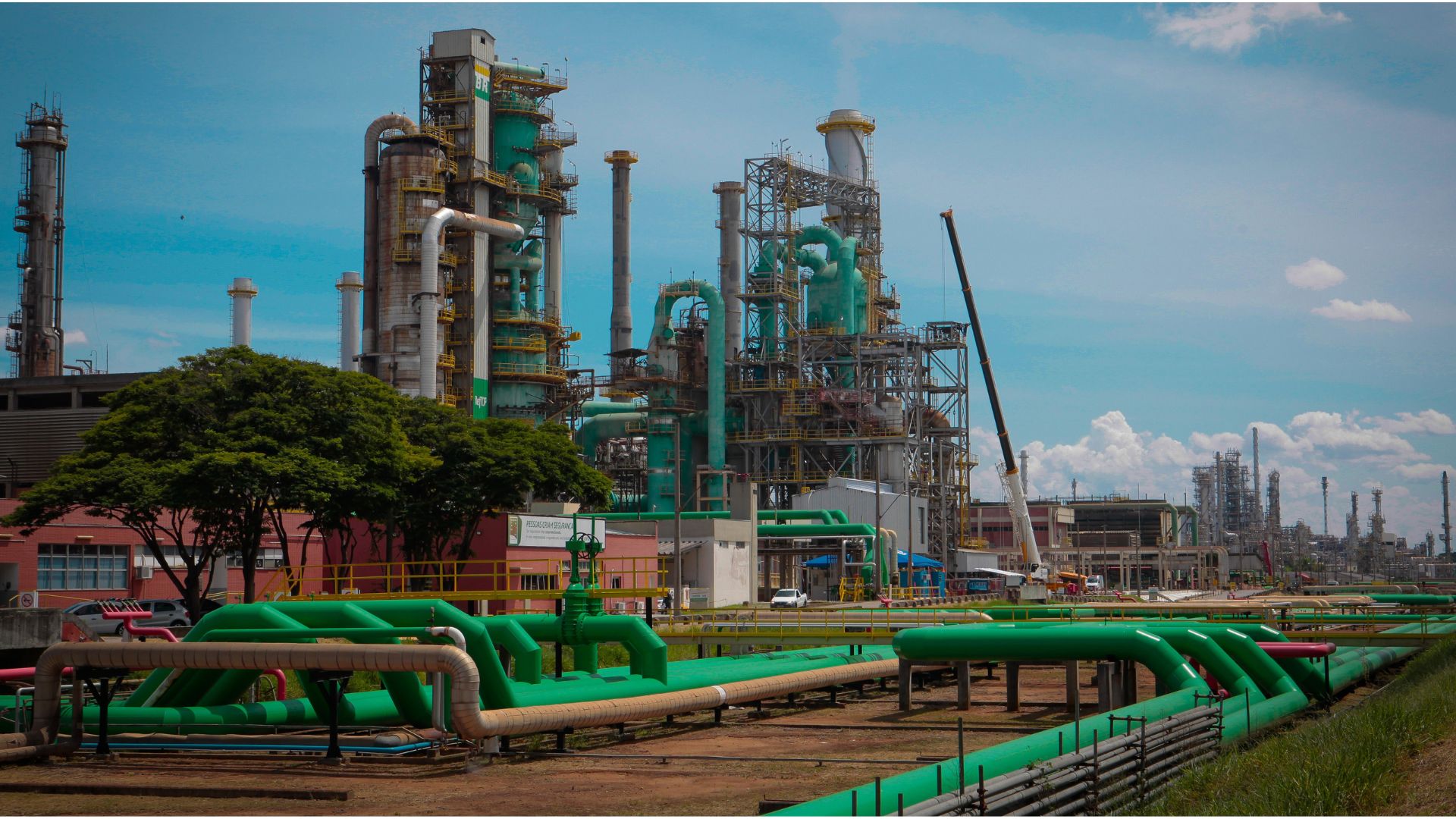
Revap Starts Operation of Modernized HDT and Petrobras Expands S-10 Diesel Production by 80% at the Refinery, Boosting Supply of Less Polluting Fuel in Brazil
-
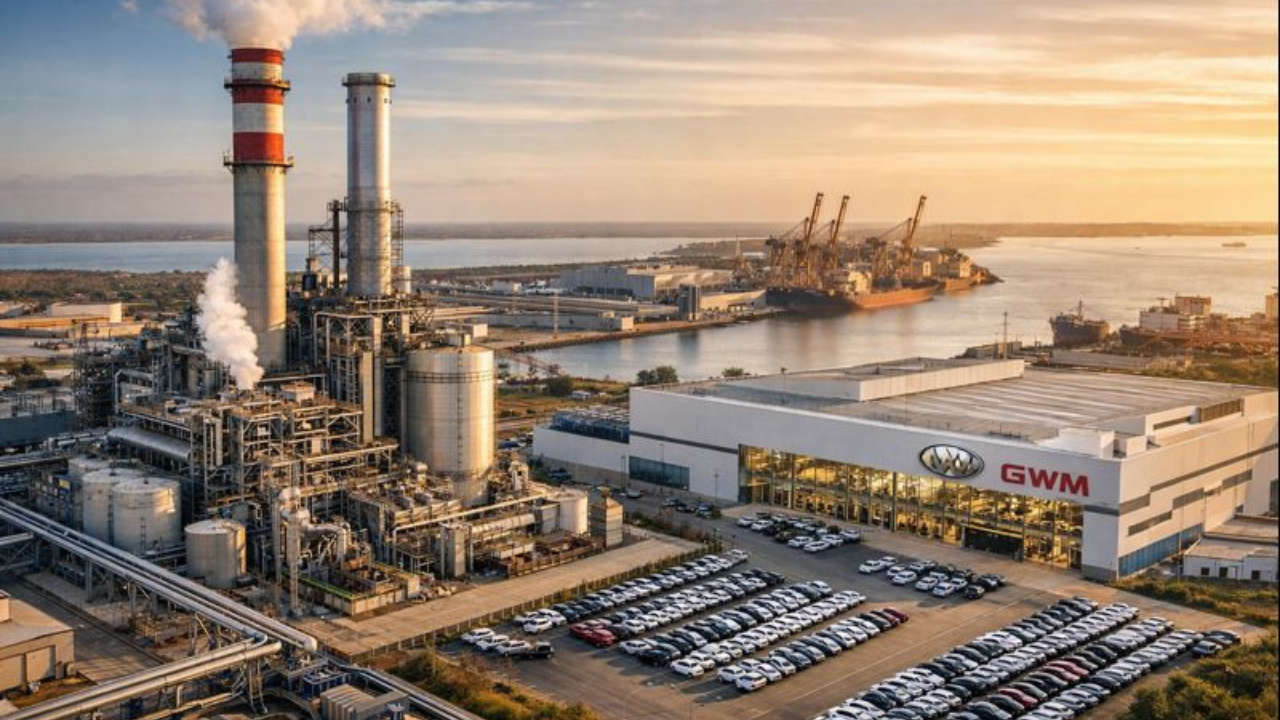
Thermal Power Plant in Rio Grande do Sul Is Key to Attracting GWM

Although this is a significant problem for the thermoelectric plant installation project in the region, there is an even larger issue at stake: water supply, as more than 80,000 people already suffer from lack of access to this resource in the area.
Thus, the controversy surrounding energy production and the impacts on the Macaé River intensified last week when the court banned the installation of floating thermoelectric plants at another point in the river, Sepetiba Bay.
The situation worsens as at least seven of the thermoelectric plants planned for northern Macaé will use water from the Macaé River for energy production, directly impacting the hydrographic course of the region.
Additionally, data from the National Water Agency (ANA) and the Institute of Energy and Environment (Iema) show that the two thermoelectric plants already in operation and the new one, when combined, will require 230 liters of water per second, which is equivalent to 55% of all water consumed in the municipality.
Water Supply Deficit Of The Macaé River May Worsen Severely With Project To Install Plants In The Carioca Region
Besides the data from ANA and Iema regarding the need for water from the Macaé River for energy production in the region, surveys by the Arayara Institute estimate that the water deficit in the region could reach 180% if the new units are actually installed.
Environmental agencies also point to negligence from the State Institute of the Environment (Inea) and Ibama, as this issue is not being considered in the thermoelectric plant installation project in the region. The state authority seeks to ensure strong economic growth in the city but is not paying attention to the impacts that this energy production project may cause.
In conclusion, the water supply situation in the Macaé region may worsen in the coming years, as the Macaé River Basin Committee projects that, between 2027 and 2032, the river could dry up in the worst drought scenarios in the area where the main water intakes are located, causing severe impacts on the quality of life of local residents, in exchange for the growth of the energy sector to meet the high demand of the current Brazilian market.







Seja o primeiro a reagir!