





 English
  Francês
  Alemão
  Italiano
  Japonês
  Norueguês
  Portuguese
  Spanish
 4 min of reading
  85 comments


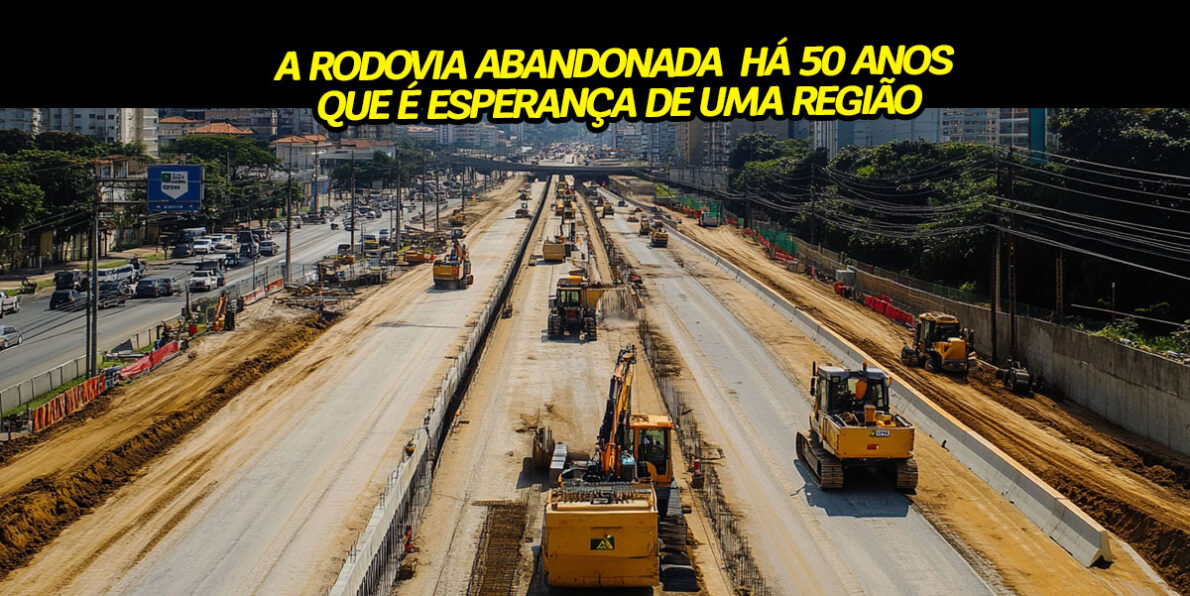


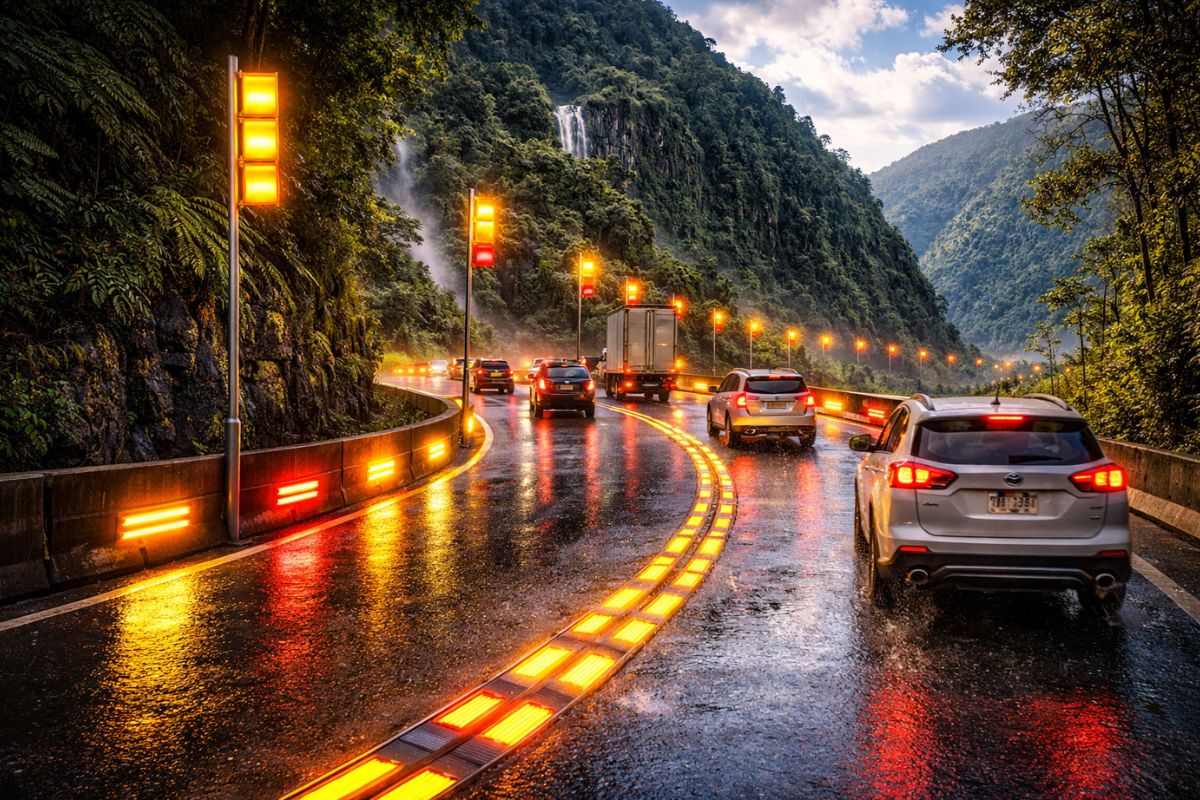
Imagine that a highway project, ignored for five decades, could completely alter the reality of South São Paulo. A highway that, if finally built, promises to change the economic, cultural, and touristic game of the entire region, as well as bring new hope for employment to thousands of people.
However, as dreams of progress begin to take shape, serious concerns also arise about the environmental impacts that this project may trigger. But can the benefits really justify the possible harms?
A Promise of Economic and Social Progress
After long 50 years of waiting, the Parelheiros-Itanhaém Highway, which connects the city of Itanhaém to the southernmost part of the capital, returns to the center of discussions. This road could, according to project advocates, revolutionize the economic landscape of the region.
“The construction of a new road connection with the Capital would bring numerous economic benefits to the South Coast”, highlighted José Alberto Loio de Loureiro, president of the Itanhaém Commercial Association (ACAI).
-
In just three hours, a natural stone floor transforms the entrance of the house with an organic effect, immediate drainage, and a sophisticated non-slip finish that doesn’t puddle water, dries quickly, and impresses with the final result.
-
Chinese giant worth nearly R$ 4 billion that manufactures cables for electric cars, solar energy, and robotics wants to open a factory in SC.
-
Many employers do not know, but the law guarantees domestic workers a 25% increase in salary during trips, 50% for overtime, 20% for night shifts, and 17 additional benefits that can lead to labor lawsuits if not paid.

-
Gasoline prices soar and the question arises: is ethanol more advantageous? The 70% rule reveals the limit with gasoline.


The road, with only 15 kilometers in length, would cut travel time between the Paulista Plateau and the beaches of the South Coast in half. According to Loureiro, “this connection would strengthen commercial and cultural ties” between Itanhaém, Greater São Paulo, and the Sorocaba Region, directly benefiting the local population and fostering new investments.
Jobs, Tourism, and Development
The promise of creating thousands of jobs is one of the most attractive points of the project. With the highway’s completion, Loureiro expects a significant increase in the flow of tourists and investors, boosting key sectors such as local commerce and the real estate sector.
“With easier access, we expect an increase in the flow of tourists and investors, which in turn would boost local commerce and the real estate sector”, projects the ACAI president. This expectation is not new, as the highway has long been a demand from the population, politicians, and entrepreneurs in the region.
Initially named “Nova Imigrantes”, the Parelheiros-Itanhaém would also relieve traffic on the Anchieta-Imigrantes System, offering an alternative for both tourists and trucks heading to the Port of Santos from regions such as western São Paulo, northern Paraná, and even Mato Grosso do Sul.
According to the Diário do Litoral website, the Department of Highways (DER) announced this month the reopening of technical and economic feasibility studies for the highway. These studies update analyses conducted in 2015, but there is still no set deadline for their conclusion.
Obstacles and Challenges: A History of Unfulfilled Promises
Not everything, however, is hope and optimism. The Parelheiros-Itanhaém Highway project has a history of unfulfilled promises and controversies. In 2012, the contractor Contern showed interest in building the road but ended up facing financial difficulties that resulted in a judicial recovery process, and the contract was never signed.
Additionally, the Parliamentary Front for the Third Lane of Imigrantes, at the São Paulo State Legislative Assembly (Alesp), intends to discuss the project in its first meeting after the mid-year recess, according to the commitment of the group’s president, Solange Freitas (União). However, the date of the meeting has yet to be defined.
Environmental Debate: Risks and Resistance
While some see the highway as a gateway to development, others raise serious concerns about environmental risks.
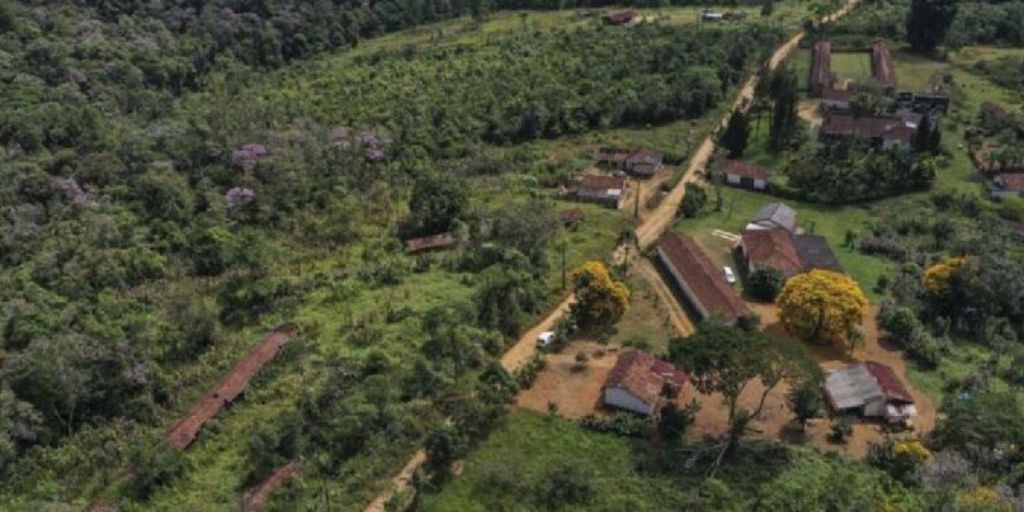
State Representative Mário Maurici de Lima Morais (PT), coordinator of the Parliamentary Front for Environmental Defense at Alesp, is one of the main opponents of the project. For him, the road “would trigger a process of disordered occupation of one of the most preserved areas of the Atlantic Forest, with intense deforestation”.
Maurici argues that the construction of the highway would bring more harms than benefits for the population and the environment, highlighting that the area in question is part of a watershed preservation region that supplies Greater São Paulo. Furthermore, the Atlantic Forest is a valuable natural heritage, with few sections still preserved.
For the representative, “the insistence on building the highway may be related to economic interests, such as real estate speculation in the region”. The idea that a project of this magnitude, which has not materialized for 30 years, could now be resumed suggests, according to him, the influence of hidden economic forces.
The Future of the Highway: Hope or Danger?
The clash between development and environmental preservation marks the discussion about the Parelheiros-Itanhaém Highway. On one side, we have those who see the road as a unique opportunity for growth and improvement of life for the inhabitants of the South Coast. On the other, there are those who fear that this progress comes at too high a cost to the environment and the quality of life for future generations.
As the feasibility studies continue with no defined deadline, the debate promises to remain heated, with pressures from both sides. The question that remains is: to what extent are we willing to sacrifice our natural heritage in the name of development?
Do you believe that the economic benefits brought by the construction of the Parelheiros-Itanhaém Highway outweigh the environmental risks, or should the preservation of the Atlantic Forest be prioritized above all?






Deve ser preservada, do contrário a cidade estará condenada e o clima pode se tornar árido e mais seco do que nunca. As pessoas ficarão doentes, no verão haverá temperaturas acima de 50°.
Já basta o dano que já foi causado.
Boa matéria. Tem que ser pavimentada e dificultar os acessos laterais (dispositivos) a rodovia, dificultando a explosão imobiliária e diminuindo o trânsito e poluição nas vias próximas que estão congestionadas, temos o exemplo da rodovia bandeirantes, que tem acessos limitados a rodovia!
Falar em meio hambiente no Brasil é uma piada. Fosse assim jamais permitiriam casas em barrancos , palafitas e embaixo de barragens. Já padsou da hora de uma rodovia para desafogar o trânsito para o litoral, bem como via férrea eficiente. Vai geral milhares de empregos, impostos e movimentação da economia do Estado, Município e Portuário, além de definir onde devem andar caminhões, evitando acidentes . O resto é estória pra **** dormir.