





 English
  Francês
  Alemão
  Italiano
  Japonês
  Norueguês
  Portuguese
  Spanish
 3 min of reading


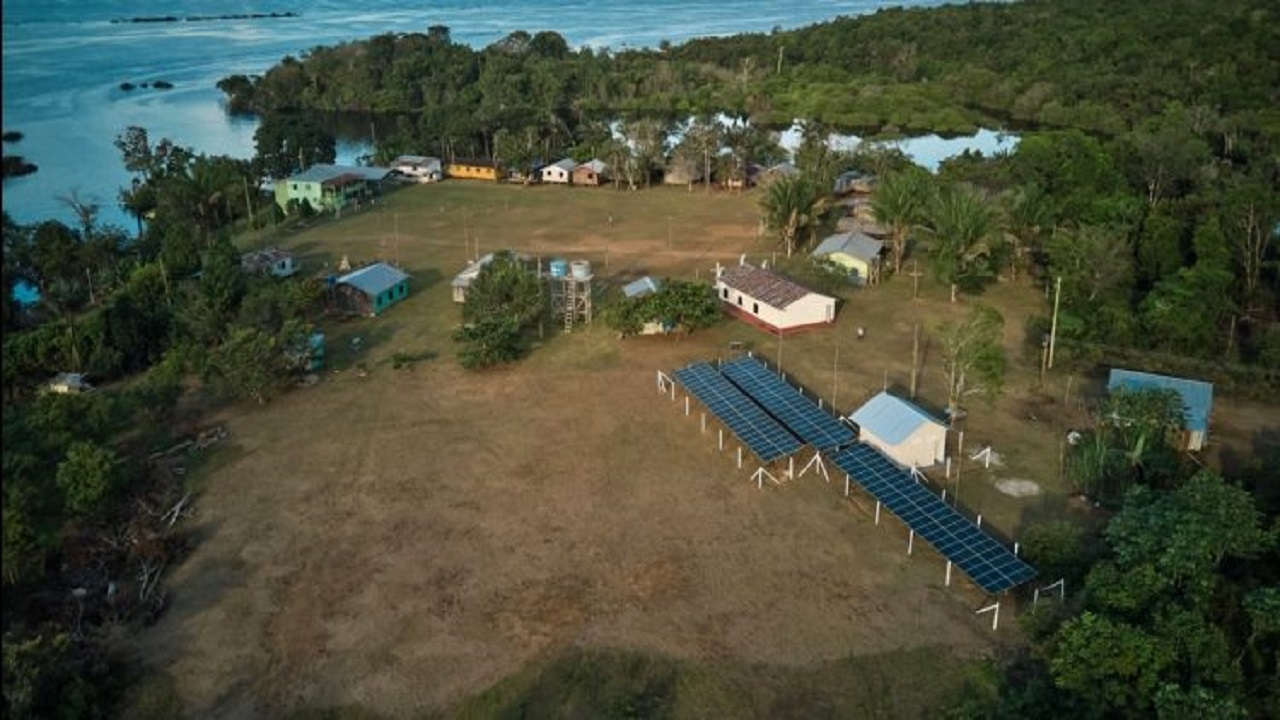
The Amazon Is Developing a Project That Could Bring Cheap And Clean Solar Energy To Residents Living In Remote Areas. The Initiative Also Promises To Assist UEA Students
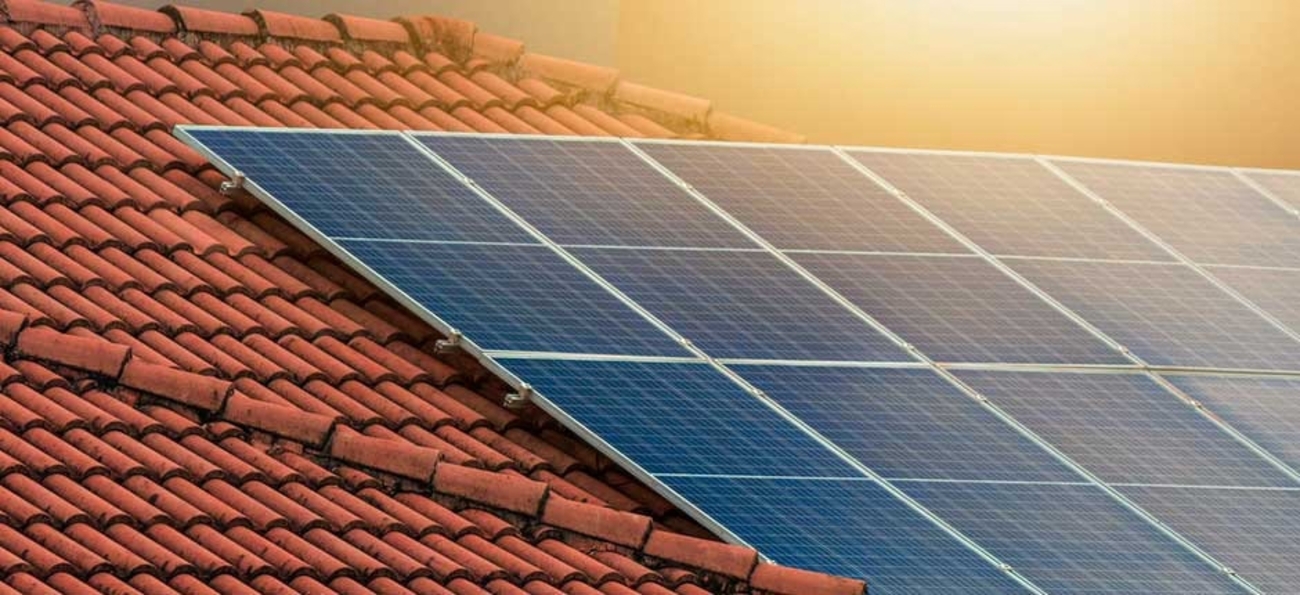
A project in the Amazon is exploring the possibility of developing a solar-based energy source that could provide cheap and clean solar energy to remote areas, as no cabling is required. The study, which is supported by the Amazonas State Research Support Foundation (Fapeam) through the Amazônidas Program, aims to acquire photovoltaic devices capable of converting sunlight into clean energy, in addition to characterizing and preparing various nanomaterials used in the production of these panels such as, for example, quantum dots, nanocrystalline semiconductor oxides, carbon dots, and graphene.
Read Other Related News
Learn More About The Device That Could Generate Cheap Solar Energy For The Amazon
According to the coordinator of the clean energy project, a PhD in Physical Chemistry and a professor in the Chemical Engineering course at the Amazonas State University (UEA), Ellen Raphael, these would be third-generation cells, not yet marketed, that could replace the solar energy cells currently sold in the market, being much cheaper and offering greater efficiency.
Ellen emphasizes that the initiative stems from the ability to enhance Brazilian technology for the generation of solar energy cells and also from the training of human resources among the students developing the study.
-
Renewable energy advances over protected areas in Brazil, and a survey by the Energy Transition Observatory reveals silent impacts that challenge environmental conservation and pressure sensitive traditional territories.

-
Rio Grande do Sul accelerates energy transition: State invests in renewable technologies and consolidates decarbonization strategies and pathways to attract billions in new industrial investments.

-
With 160,000 m² of collectors, an area larger than 20 football fields, Silkeborg, in Denmark, hosts a solar thermal plant that heats 19,500 homes and could become the largest solar heating plant in the world.

-
A study reveals the expansion of renewable energy procurement in Brazil and shows how companies are taking advantage of opportunities to reduce expenses, ensure energy efficiency, and strengthen strategic environmental commitments.


The coordinator highlights that the support from the Amazonas government, through Fapeam, via the Amazônidas Program, is essential for the project to advance and for clean and cheap energy to be generated as quickly as possible. Furthermore, the project represents a significant initiative for the creation of various types of innovative materials, as well as helping in the education of the students involved in the project.
Understand The Methodology Used In The Project That Aims To Generate Solar Energy In Remote Areas Of The State Of Amazonas
Among the base methodologies for characterizing and preparing the materials for the clean energy project are: the synthesis of quantum dots, preparation of graphene oxide composites, preparation of photoanodes, preparation and characterization of polymeric electrolytes, graphene oxide composites, and manufacturing of solar energy cells.
Ellen further explains that it is necessary to study various conditions of the quantum dots synthesis, synthetic routes, and nanocomposite materials based on reduced graphene oxide, aiming to acquire materials with optical and conductive properties, so that when applied to solar energy cells, they can achieve better performance.
The coordinator clarifies that the intention of the work is to characterize and prepare a paste starting from reduced graphene oxide composite or metallic particles to be used as counter-electrodes, and also to prepare different photoanodes and utilize polymeric gel electrolytes in cells, generating cheap solar energy and creating Brazilian technology for the production of photovoltaic devices.
About The Amazônidas Program
The Amazônidas Program – Women And Girls In Science is an initiative of the Amazonas government that aims to promote the increase of female representation in the fields of Science, Innovation, and Technology.
Thus, the initiative seeks to boost research, technology, and innovation projects as an affirmative action that aims to expand the presence of women in leading projects like this one regarding cheap solar energy.






Seja o primeiro a reagir!