





 Português
  Inglês
  Espanhol
  3 min de leitura



The Minister of Agrarian Development and Family Agriculture, Paulo Teixeira, announced last Thursday, 16, that he intends to propose to the government a program for the collection of public lands and large debtors for the creation of agrarian reform settlements.
The minister explained that the goal is for these areas to be used to offset debts with the Union and allocate them to settlements of the agrarian reform. According to Paulo Teixeira, the Incra (National Institute of Colonization and Agrarian Reform) is conducting a survey of public lands that can be expropriated for this purpose.
Thus, there is a budget forecast of R$ 7.5 billion in Pronaf (National Program for the Strengthening of Family Agriculture), aiming to facilitate access to financial resources for family farmers. Consequently, the Safra Plan will also be announced in May and will include investments to expand agricultural production by family farmers.
To complement the measures proposed by the minister, government procurement programs for products from family agriculture will also be expanded, including the Food Acquisition Program and the National School Feeding Program, as well as an increase in the blending of biodiesel into diesel oil.
-
Alone, the producer applies 7,400 hectares with the T100 drone in an optimized structure, replaces the generator with a silent battery, and demonstrates how technology reduces costs, increases productivity, and even challenges the uniport in the field.

-
China banned the export of 22 tons of meat from Argentina.

-
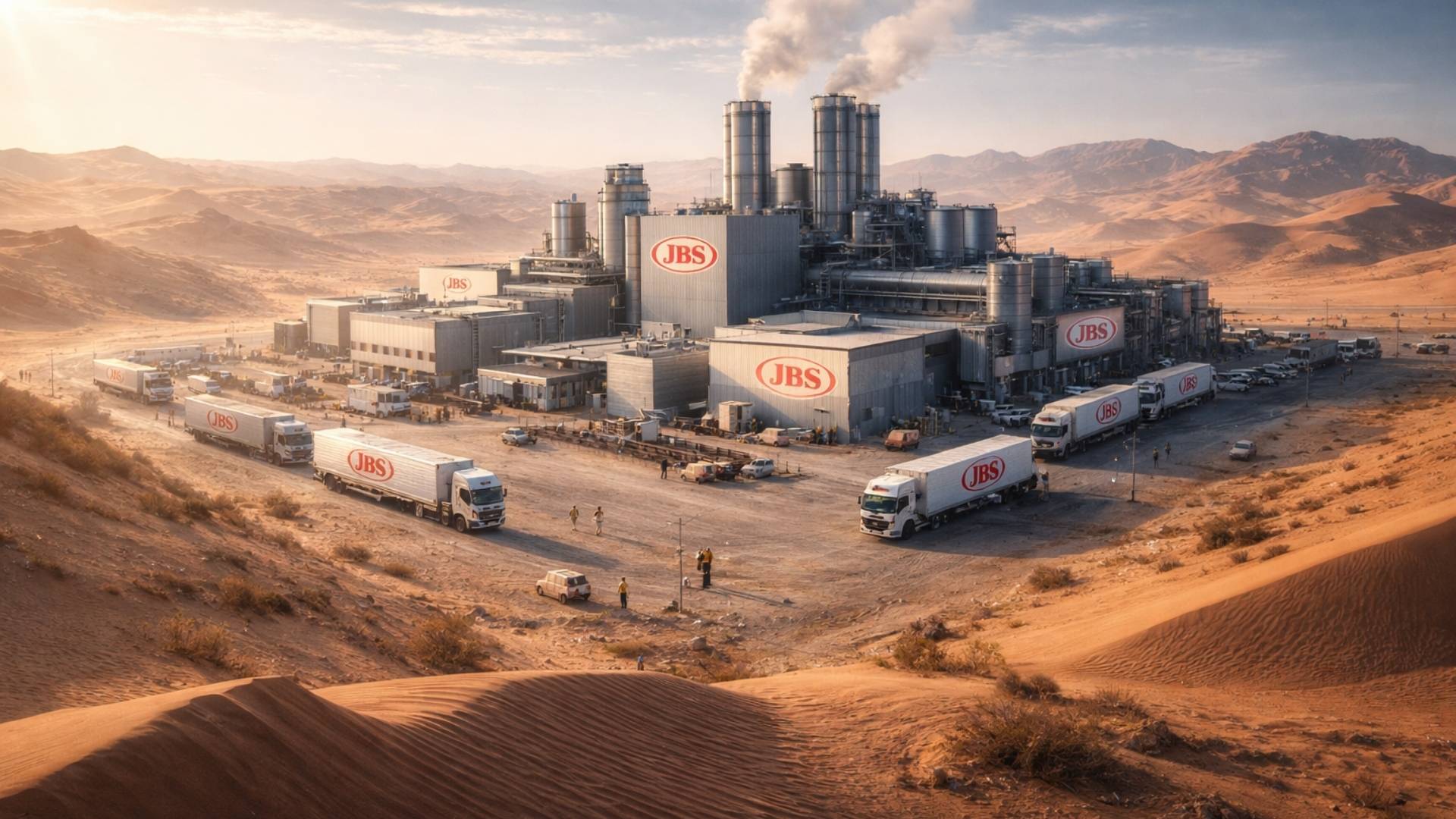
JBS, founded by the Batista brothers, continues to conquer the world: entrepreneurs built a ‘factory in the desert’ creating 3,000 jobs.
-
With only 1% of Brazil’s territory, Santa Catarina has built one of the most competitive industrial parks in the country, with 64,000 companies, nearly 1 million jobs, and a growth rate of 5.3% while the national industry is practically stagnant.


With all these initiatives, the government hopes to significantly improve the financial situation of family farmers, ensuring a fixed income for those who produce food and allowing typical regional products to be purchased by the government without exorbitant costs. Undoubtedly, it will be a significant step towards promoting agrarian reform and improving the quality of life for the Brazilian countryside.
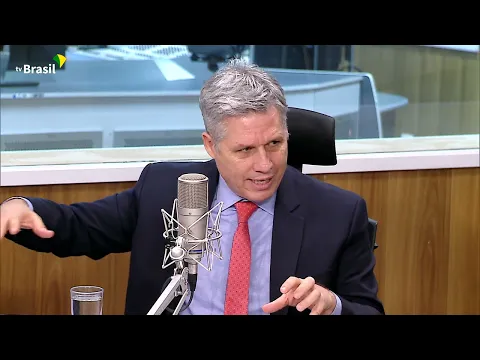
Minister of Agrarian Development and Family Agriculture Paulo Teixeira on Voz do Brasil

Incra Simplifies the Environmental Regularization Process with the Individualization of CAR in Agrarian Reform Settlements
Incra has begun implementing an innovative technological module, the MLC (Lot CAR Module), which will allow the individualization of the registration of lots in agrarian reform settlements in the Rural Environmental Cadastre System (Sicar). The tool aims to promote environmental regularity and was developed in partnership with the Brazilian Forest Service (SFB), the Federal University of Lavras (UFLA), and the German Agency for International Cooperation (GIZ).
The first stage of individualization took place at the settlement in Piracanjuba, Goiás. There, Incra technicians were able to input the basic supplies needed for remote activities through videoconferencing. The acting president of the agency, César Aldrighi, stated that this implementation represents an important step towards promoting environmental preservation and sustainable development for families in federal settlements.
In the coming days, the MLC will be expanded to other regional headquarters of Incra in states that utilize Sicar. Additionally, a training plan will be implemented, including manuals and training for staff and collaborators, to ensure proper regulation of the tool’s use.
The head of the Environmental Management Division of Incra, Ruberval Silva, considered the individualization of the Rural Environmental Cadastre a significant step that will enable agility in the environmental regularization of agrarian reform lots. Meanwhile, the general coordinator of the institute’s Implementation, Stanislau Lopes, highlighted that having the lot regularized and the CAR individualized paves the way for families to benefit from public policies related to family agriculture and the environment.
Source: Agência Brasil











Seja o primeiro a reagir!