





 Portuguese
  English
  Spanish
 3 min of reading


With a Series of Initiatives and Proposals to Expand Potiguar Presence in the National Port Industry Market, the Potengi Port Project Aims to Expand the Port of Natal and Establish Rio Grande do Norte as a Reference in the National Economy.
The Potengi Port project is moving forward, seeking the expansion of the Port of Natal, located in the state of Rio Grande do Norte, and a series of initiatives to expand the Potiguar port industry market. Among them is the logistical integration of a trunk railway, highways, port, airport, and Export Processing Zone, aiming to ensure better quality in the movement of goods.
Port of Natal and Potiguar Port Industry Market Can Be Significantly Expanded with the Advancement of the Potengi Port Project in the State of RN
Created in 2009 with the goal of placing Rio Grande do Norte among the largest states in the national port industry, the Potengi Port project remains on the agenda in the Potiguar region and aims to expand the Port of Natal as one of its proposals.
The initiative targets the opening of the regional market and the creation of a series of new jobs for the residents of the northeastern state, in addition to attracting investments for the Potiguar port sector.
-
With 74% of companies facing difficulties in hiring, technicians and engineers in renewable energy are becoming scarce in Brazil and are essential to support the expansion of solar, wind, and green hydrogen projects.

-
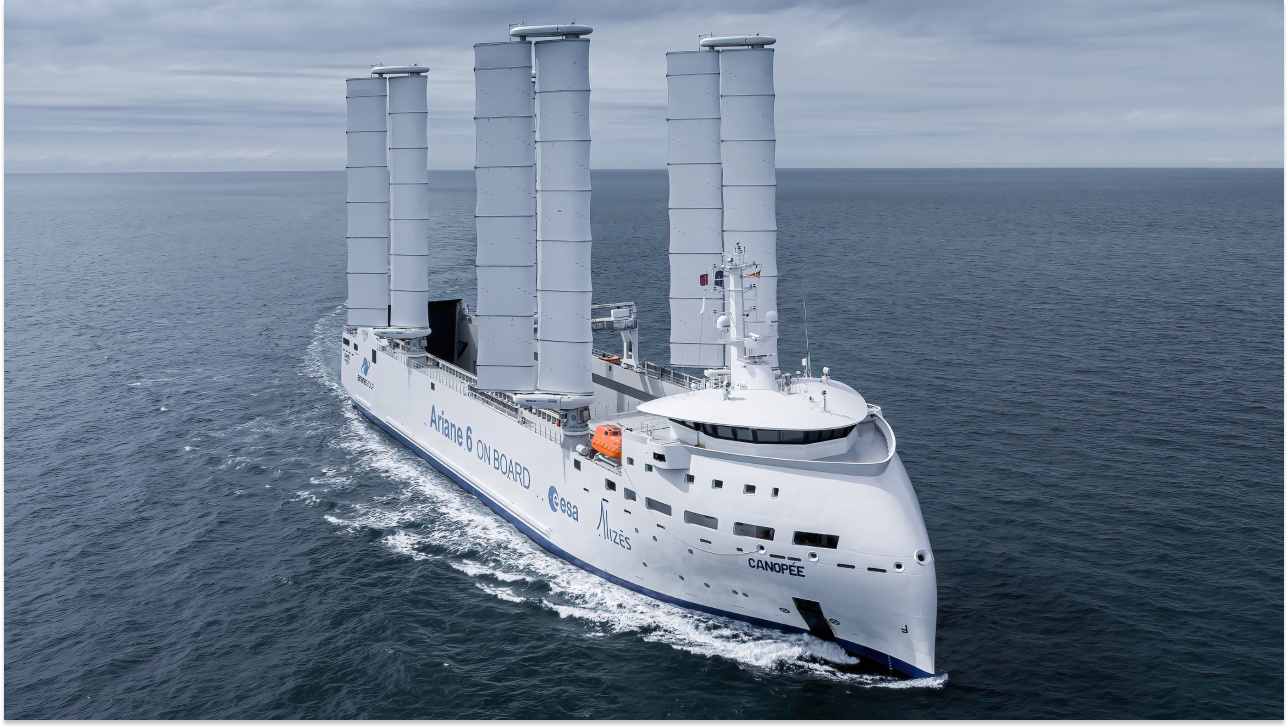
Europe is trying to create an ammonia-powered marine engine without auxiliary fuel, which could unlock the race for giant emission-free ships. The technology aims to eliminate one of the biggest obstacles to clean maritime propulsion.

-
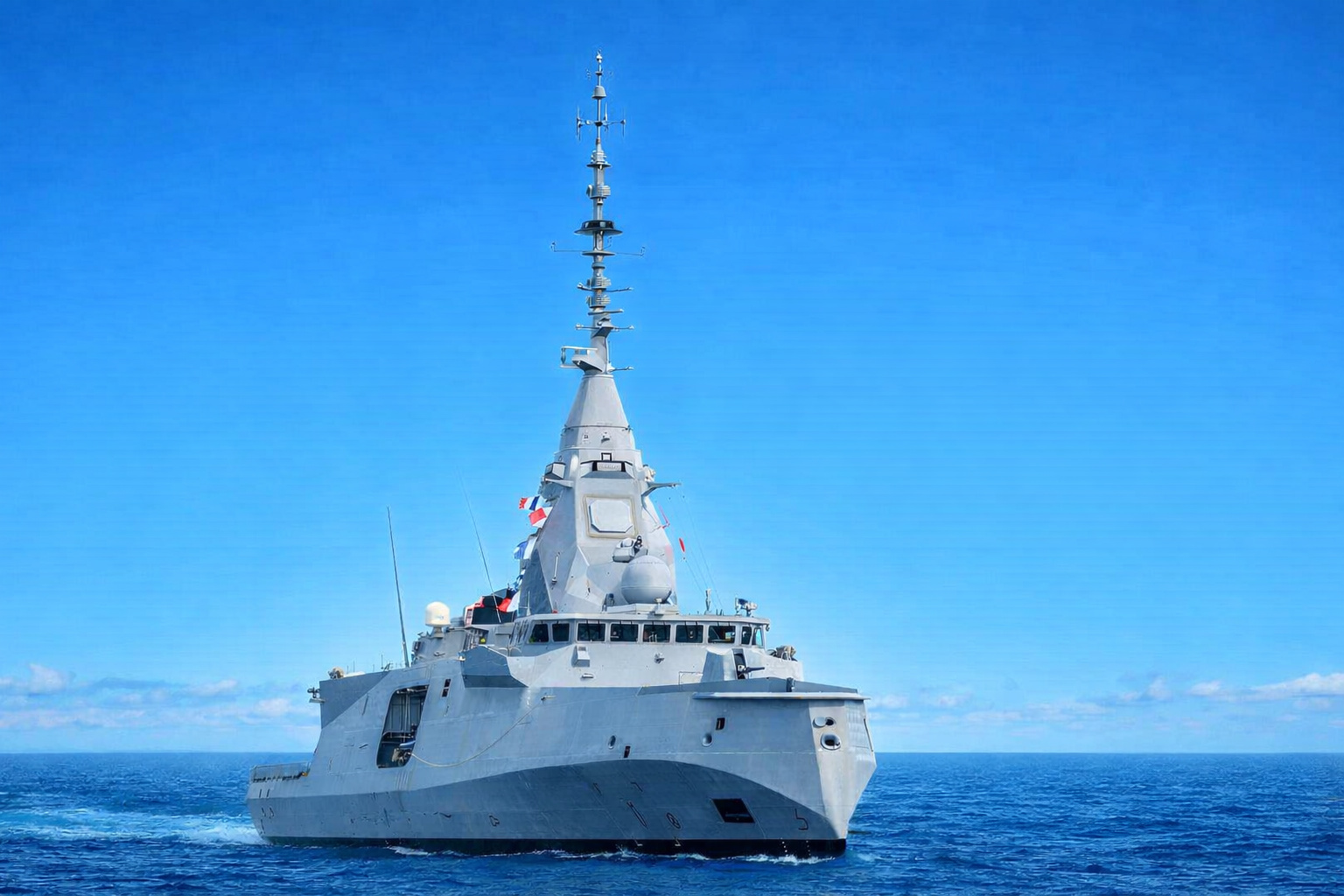
A 4,500-ton frigate with just over 100 crew members, state-of-the-art radar, and cruise missiles is being touted as the new standard of naval warfare in the 21st century.
-
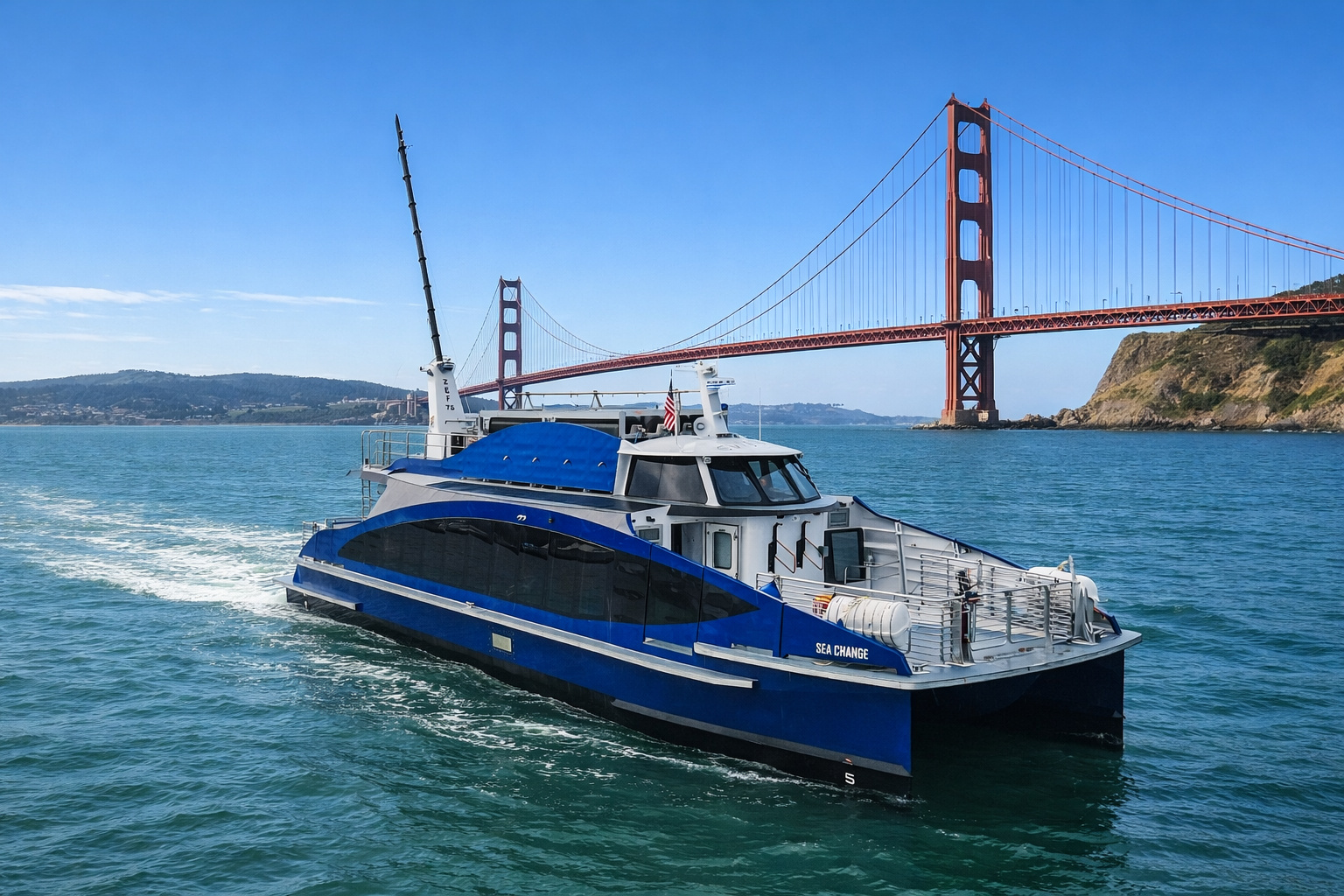
The first commercial hydrogen-powered ferry enters operation in the U.S., eliminates the use of diesel, uses fuel cells to generate clean energy on board, and transforms San Francisco Bay into a landmark of the new era of emission-free navigation.

This is a project that has already proven a series of justifications for its viability, such as that cargo ships pass under the Newton Navarro bridge and that, even though some passenger ships exceed the height of the structure, this is not a difficulty for an eminently commercial port.
Moreover, the Potengi Port project is also an initiative focused on sustainability in the port sector, strictly following the international port operation concept already used in the Mediterranean to minimize environmental impacts.
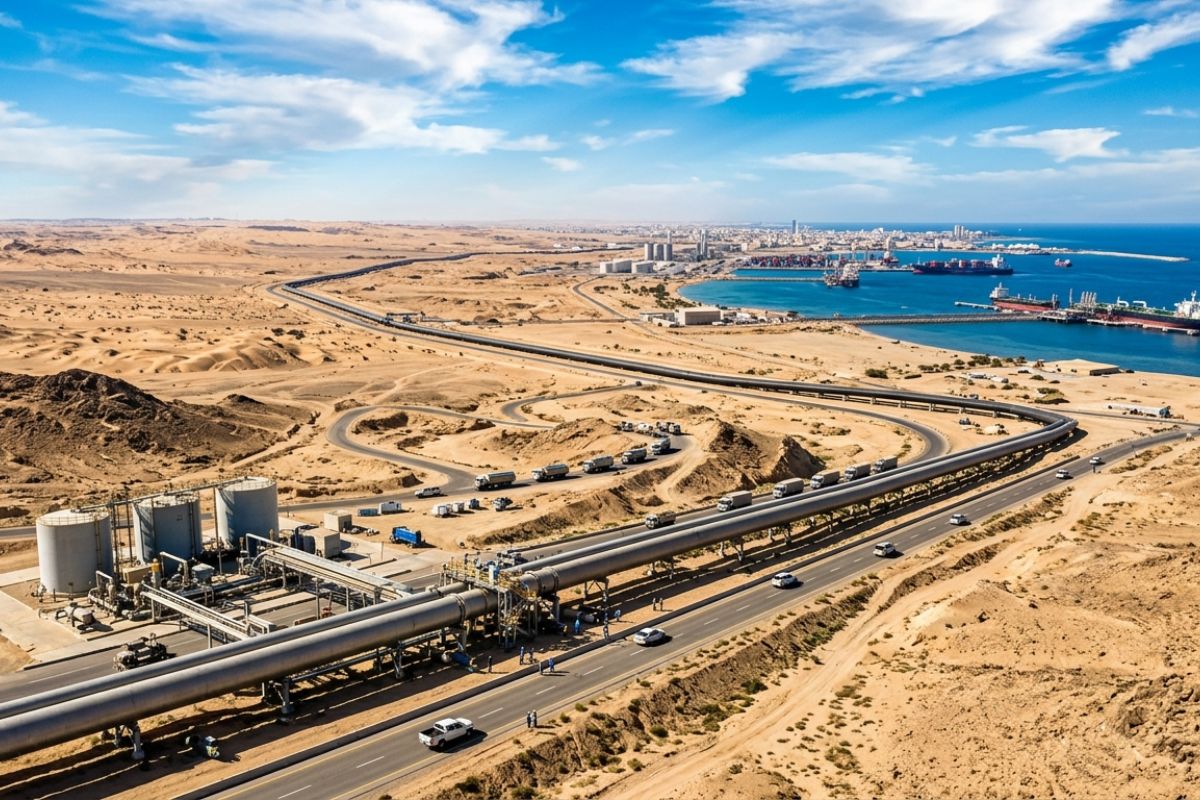
Another highlight of the expansion project for the Port of Natal and the Potiguar port market is the logistical integration in cargo transportation, which is innovative for the segment. This is because the Potengi Port seeks the logistical integration of a trunk railway, highways, port, airport, and Export Processing Zone.
In this way, there would be a connected, efficient, and much faster drainage channel for the movement of goods and major port operations in the region.
Logistical Integration and Growth in the Port Sector Are the Main Targets of the Project for the State of Rio Grande do Norte
Still discussing the logistical integration prospects that the Potengi Port project intends to bring to Rio Grande do Norte, the expansion of the Port to the North bank of the Potengi River will allow it to be linked to São Gonçalo do Amarante Airport via a railway branch.
Thus, it will be possible to open a series of new doors for the Potiguar market and develop projects that were previously not feasible, such as the Export Processing Zone (ZPE) of Macaíba, which has already been authorized by the Federal Government.
Furthermore, there would be a possibility of a productive drainage route from the regions of Mossoró and Vale do Açu, from the mining companies of Seridó, from the limestone derivatives of Costa Branca, and from the family agro-economy of Mato Grande. Finally, the development of the ZPE in connection with the airport and the Port of Natal would allow the creation of distribution centers for major delivery companies, such as Amazon, Mercado Livre, Shopee, Alibaba, as well as the postal service.
Now, it is up to the Federal Government, along with the government of the state of Rio Grande do Norte, to enable the project to move forward with the necessary investments and incentives, thus increasing the prospects for socioeconomic growth in the Potiguar region.





Seja o primeiro a reagir!