





 Portuguese
  English
  Spanish
 4 min of reading


The Energy Islands of Denmark Will Have 120 Thousand Square Meters and Supply More Than 3 Million Homes
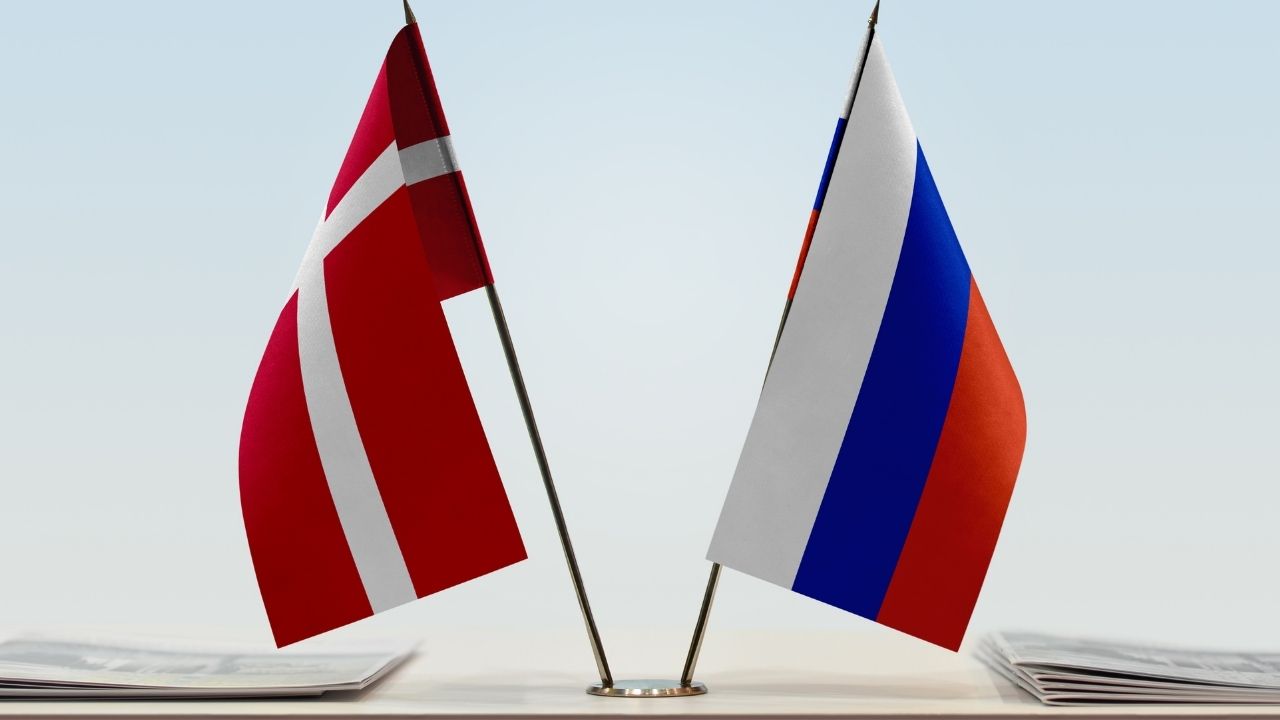
The harsh winters of Scandinavian countries pose a significant dilemma, as they make them dependent on gas from Russia to meet energy demands. Thus, Denmark has taken the lead and started seeking alternatives to produce clean energy and nourish the entire region, creating an unprecedented project called Energy Islands.
The energy island is artificial, composed of a set of wind turbines that are much more efficient than the propellers that exist worldwide. Being mobile, the Danish government points out that the plant can be moved as needed, closer to or further from the coast, distributing energy to various regions of the country.
-
Unemployment rises again to 5.8% at the beginning of 2026, raising alarms about the end of temporary positions and its impact on the Brazilian job market.

-
Document organization can cut invisible costs in small businesses, a simple step that prevents waste, rework, and losses in daily operations.

-
Renewable energy advances over protected areas in Brazil, and a survey by the Energy Transition Observatory reveals silent impacts that challenge environmental conservation and pressure sensitive traditional territories.

-
Rio Grande do Sul accelerates energy transition: State invests in renewable technologies and consolidates decarbonization strategies and pathways to attract billions in new industrial investments.


In any case, the investment is estimated at US$ 34 billion (R$ 175 billion) and will free Denmark from using fossil fuels from Russia for energy production. This is because the North Sea has strong enough winds to generate the energy that supplies the entire country in a clean manner.
Learn More Details About the Energy Island of Denmark in the Video Below
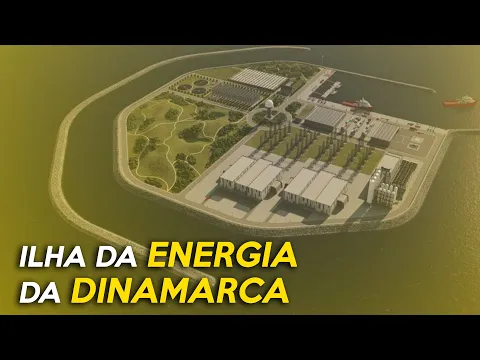

The Energy Islands Promise to Bring Clean Energy Using Only the Winds of the North Sea in Denmark, and the Project Foresees the Construction of Two Different Types of Islands
Currently, Denmark already produces 49% of its energy from wind sources. However, approximately 16% of the energy demand is supplied with sources from Russia. Nevertheless, the Scandinavian country has been seeking to reverse this situation and already has experience in harnessing winds, being the first in the world to set up an offshore wind farm in the 1990s.
Denmark is already known for its extensive complex of islands, but it will now seek to artificially insert some for energy production purposes. With this project, the Danish Energy Agency aims to harness the best winds that the North and Baltic Seas can offer. The figure below demonstrates the energy island project over the sea.
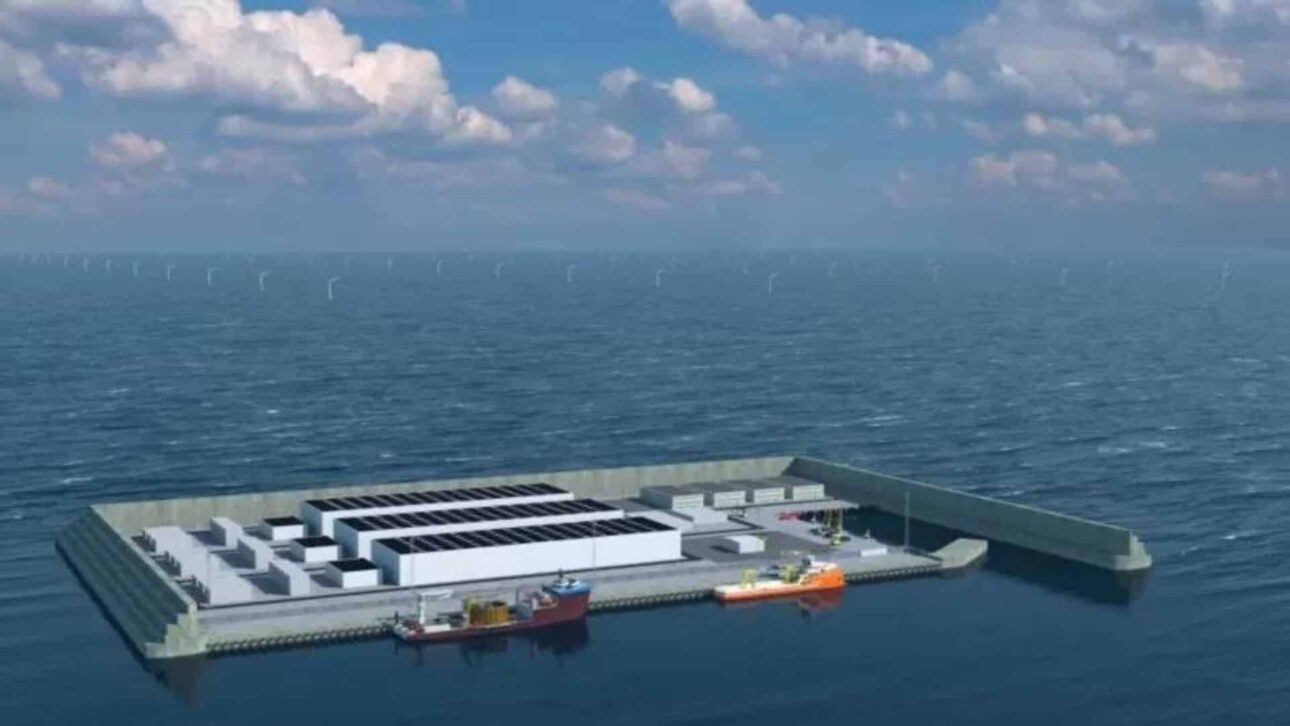
However, this project is divided into two parts. In the first, an island will be constructed in the North Sea, which will be capable of generating 3 GW of power, potentially reaching 10 GW over time. In the second, an island will be constructed in the Baltic Sea, with a lower energy production capacity, reaching up to 2 GW.
According to data from the U.S. Department of Energy, for comparison, to produce 1 GW of energy currently, 3.125 million solar panels or 110 million LED bulbs are required.
The islands are different from each other as the first will be located over the sea and the second on land. Additionally, the North Sea energy island is designed to cover an area of 120 thousand square meters, equivalent to 18 football fields. The Danish government also announced that it will hold 50.1% control over these islands, leaving the rest to private initiative regulation. This major project will also be able to supply energy to neighboring countries, contributing to independence from Russia.
The Innovation Requires Investment and Generates Criticism and Questions from Some Local Energy Companies
The Energy Islands project is revolutionary and requires a billion-dollar investment, as previously noted. Thus, many local energy companies in Denmark have questioned the high cost of this project, the most expensive in the country’s history. This is because it is a new method that has not yet been thoroughly studied and explored to provide concrete data regarding its efficiency.
Another common concern is the distance of the energy islands in relation to the locations that will receive the generated energy and how this could impact long-term supply. Furthermore, the distance could be affected by climatic interferences and potentially impact the regional marine ecosystem.
The Project is Ambitious and Promises to Serve All of Europe in the Coming Years, in Pursuit of Total Independence from Russian Gas Within the European Union
If all goes well, Denmark intends to discuss and implement a project for the expansion of the Energy Islands in the coming years, promising self-sufficiency from Russia. For this, construction has been accelerated, and what was scheduled for delivery in 2030 may come much sooner than expected. After all, the war between Russia and Ukraine has complicated the region’s energy demand fulfillment.
Moreover, this is yet another source of renewable energy, something that the European Union is actively pursuing, considering the climatic changes due to greenhouse gases. Today, the EU already meets one-third of its energy demand through renewable energy. Of that amount, 12 GW are supplied by wind energy, indicating the excellent potential in Europe to host the energy islands.






Seja o primeiro a reagir!