





 Portuguese
  English
  Spanish
  5 min of reading


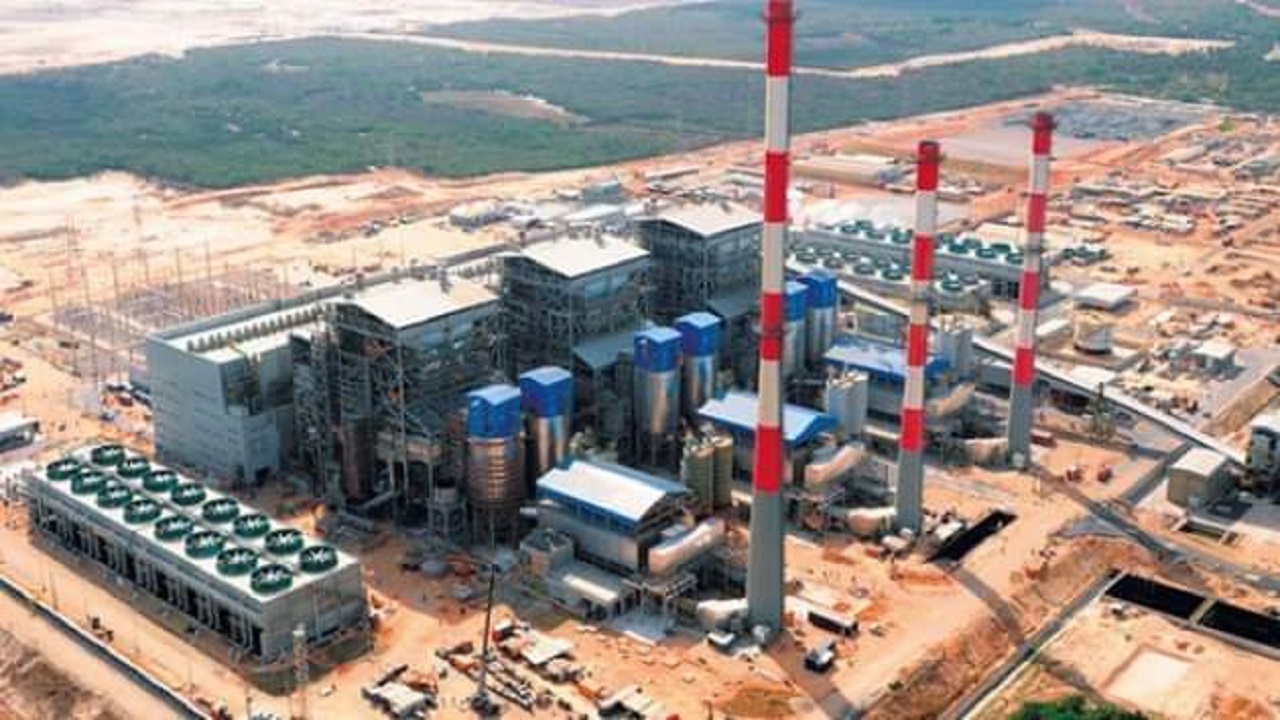
The Termelétrica Project in Schools Will Be Conducted Starting in February 2022 and Aims to Promote and Inform that Macaé Will Enter a New Era in Terms of Energy Generation, the Era of Thermoelectric Plants.
Termelétrica in Schools is a project designed to bring information to young people about what thermoelectric plants are, how they work, the history of thermoelectric plants, how energy generation is done through this method, and also the environmental impacts. This initiative also aims to promote citizenship among students from public and state schools in Macaé and the surrounding region through classes, lectures, and scientific projects within the school environment.
About 13 thermoelectric plants will be built in Macaé and the surrounding region that will have economic and social impacts on the lives of their inhabitants. The idea is to transform Macaé and the region into an electric hub capable of generating an amount of energy comparable to that of Itaipu.
Other Related News
- Brazil Reaches 9 Thousand MW of Solar Energy: The Solution to the Brazilian Energy Crisis That Surpassed the Total Capacity of Coal Thermoelectric Plants and Nuclear Power Plants
- A New Thermoelectric Power Plant Will Be Built in the State of São Paulo. About R$ 250 million Will Be Invested in the Project
- A Thermoelectric Plant in Mato Grosso do Sul Will Be Reactivated and Will Help in Energy Supply Amid the Water Crisis
- The EDF Electric Energy Multinational, Which Has a Thermoelectric Power Plant in Macaé, Is Targeting the Natural Gas Market and Will Inject 200 Million Reais into the State of Rio de Janeiro
- Spending on Thermoelectric Plants Rises from R$ 9 billion to R$ 13 billion According to MME, Due to the Water Crisis
Using subjects already familiar to students, such as physics, chemistry, biology, mathematics, and even history, to address issues of citizenship and the history of the Macaé region and thermoelectric plants.
-
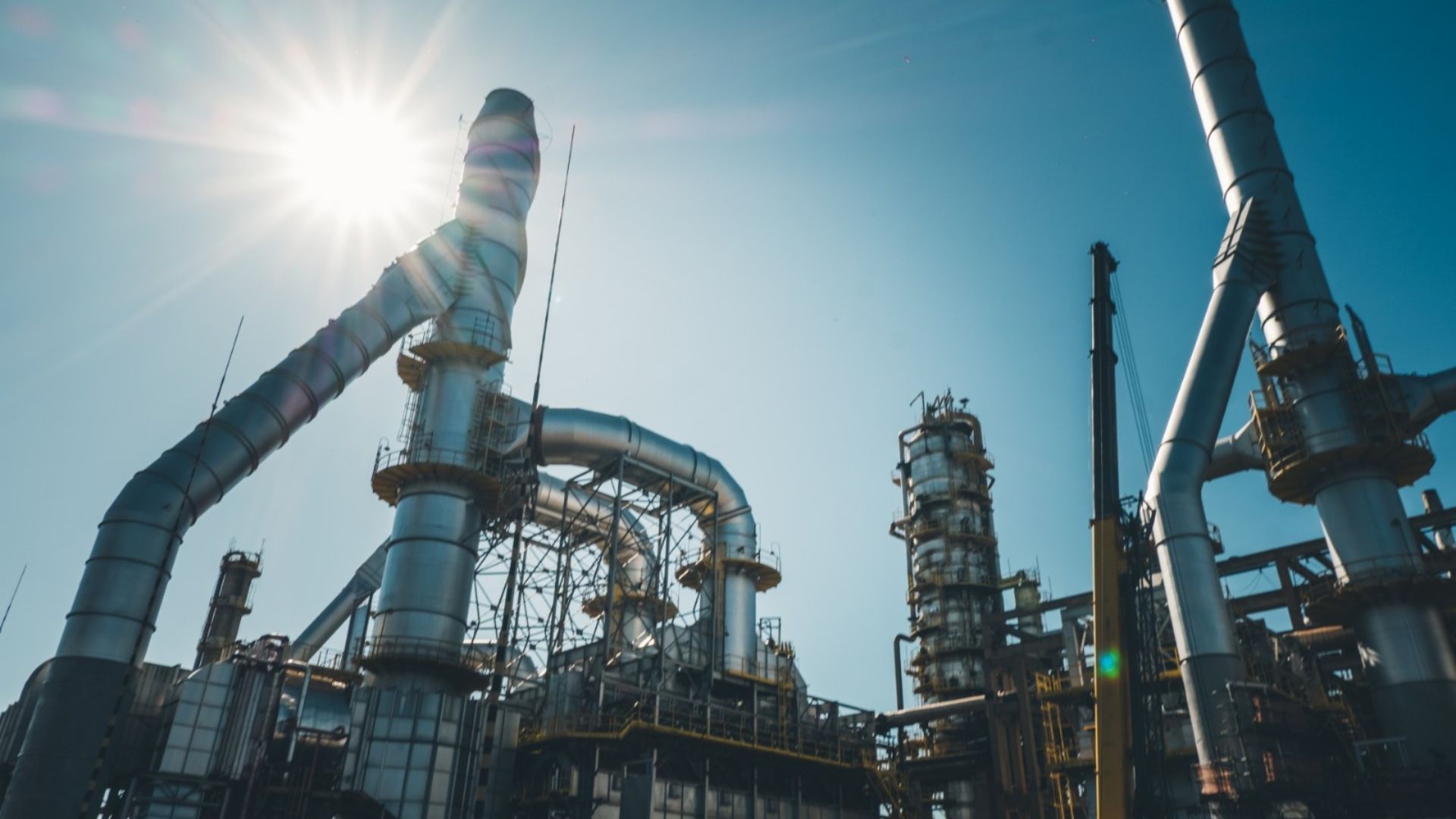
Petrobras Expands Refining in Brazil, Increases Production of Diesel S-10 and Gasoline, Enhances Operational Efficiency, and Reduces Import Dependence Between 2023 and 2025
-
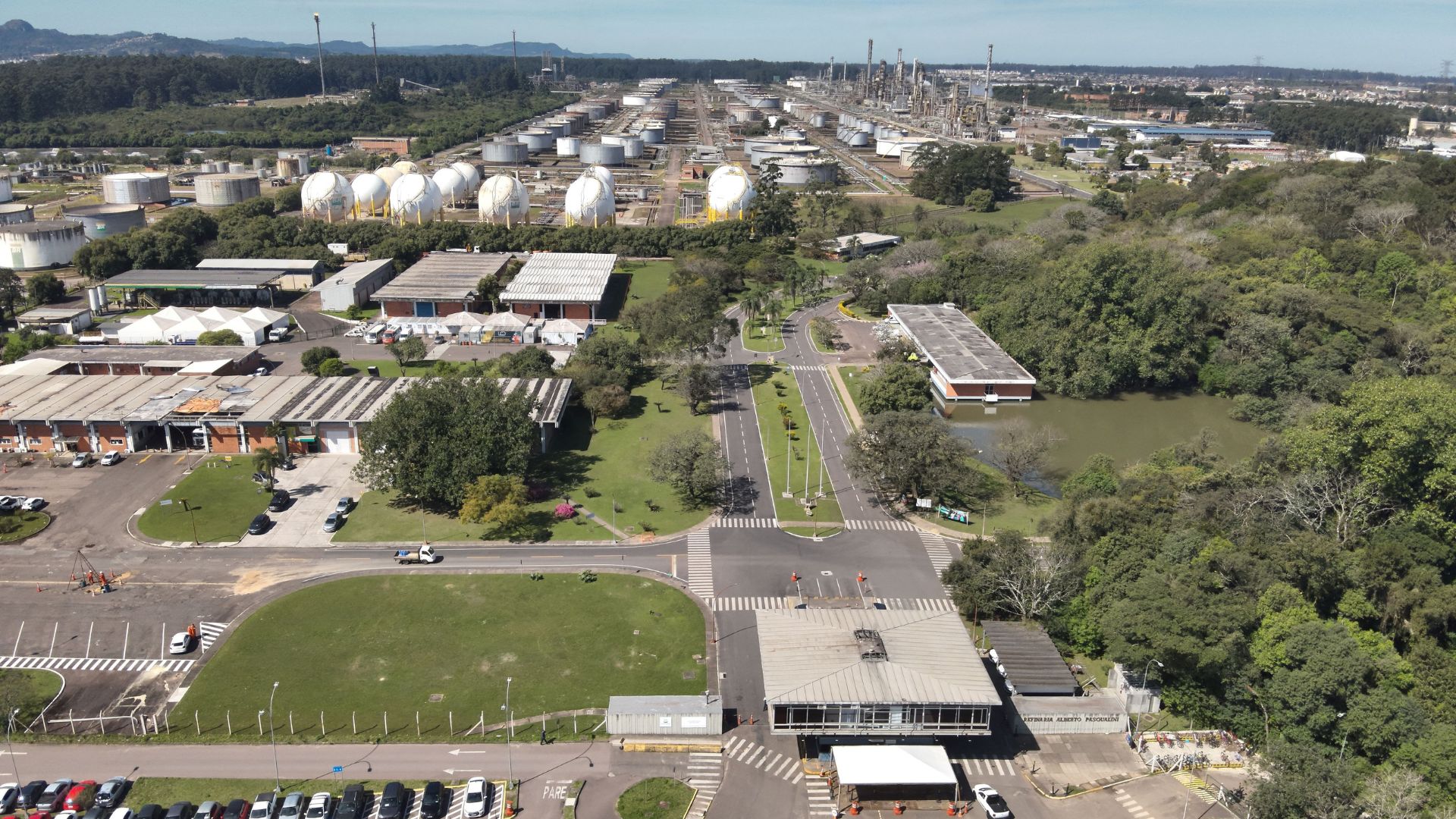
Petrobras’ Refap Sets Historic Records for Gasoline and S-10 Diesel Production in Canoas in Q4 2025, Surpassing Previous Figures
-
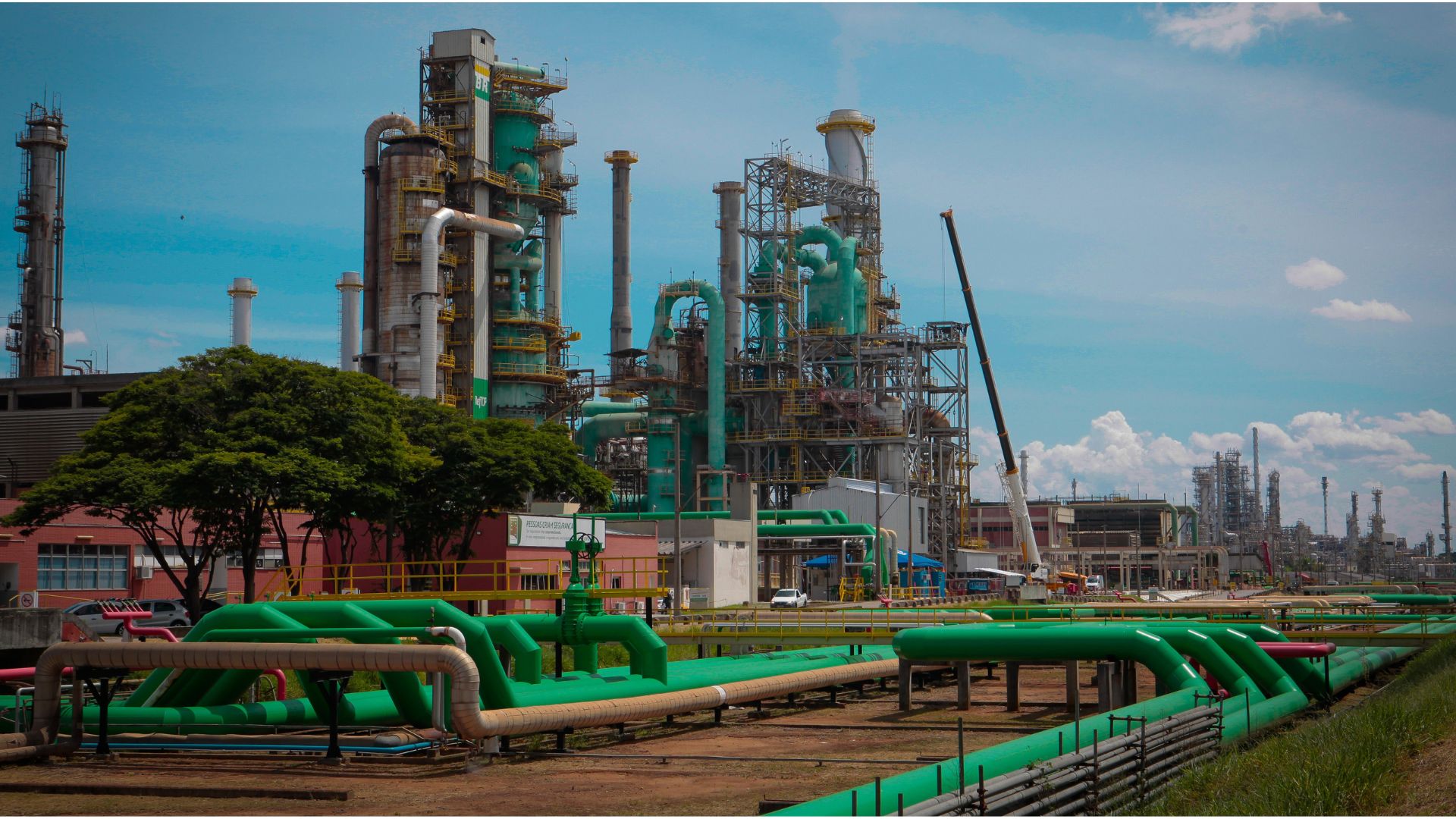
Revap Starts Operation of Modernized HDT and Petrobras Expands S-10 Diesel Production by 80% at the Refinery, Boosting Supply of Less Polluting Fuel in Brazil
-
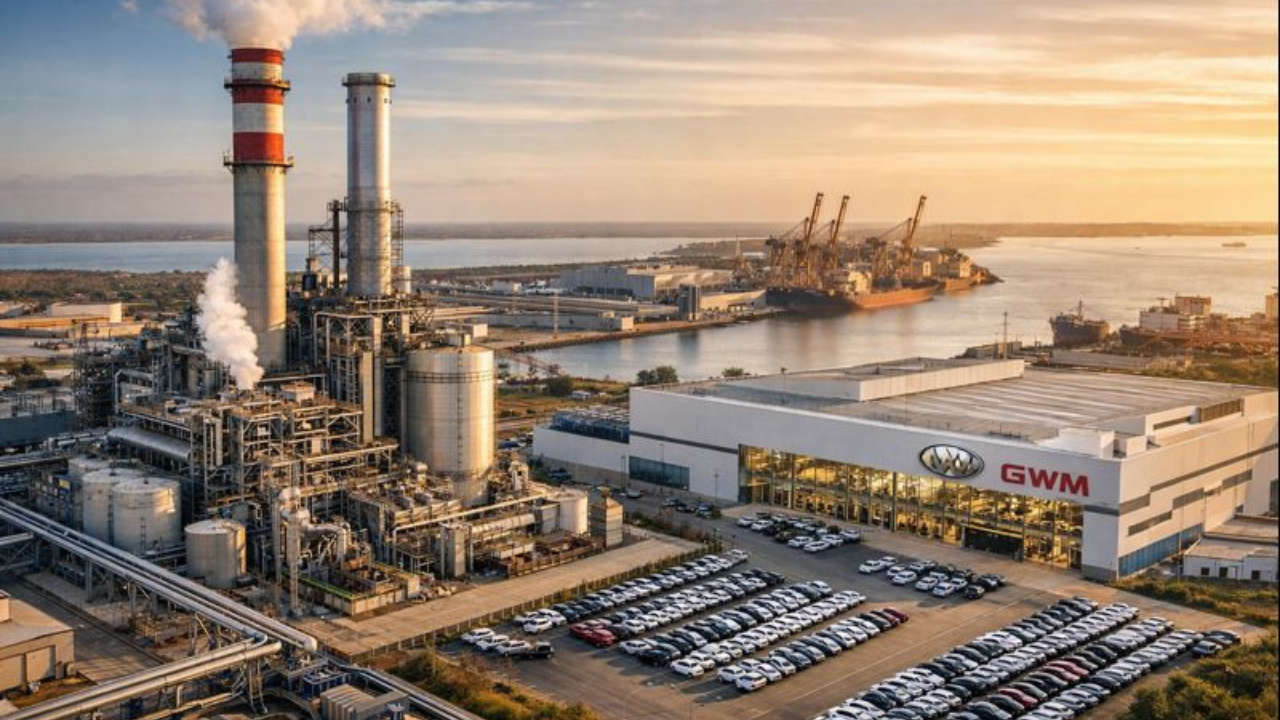
Thermal Power Plant in Rio Grande do Sul Is Key to Attracting GWM

HOW THE TERMELÉTRICA PROJECT IN SCHOOLS WILL HAPPEN
The Termelétrica in Schools project will include manuals, videos, technical visits, lectures, and instructors assisting so that public school students in Macaé and the surrounding region can have an immersive experience on this topic. State school students will work with four modules that cover not only thermoelectric plants but also energy generation in Brazil.
After completing the modules, there will be a test on citizenship and other topics related to electric energy. After the test, students will create a project on alternative electric energy, such as wind, solar, among others. Always with the support of a teacher. Lectures by thermoelectric specialists will also be held so that this knowledge is disseminated to students in a light and clear manner.
An exhibition of graffiti will also be set up in schools with the theme of citizenship and energy, along with the creation of a video game based on the operation of thermoelectric plants.
WHAT ARE THERMOELECTRIC PLANTS AND THEIR ENVIRONMENTAL IMPACTS
Thermoelectric plants generate energy from the combustion of some type of fossil fuel such as oil, natural gas, or coal, which is burned in the combustion chamber. Thermoelectric plants affect the environment as the combustion of these materials results in polluting smoke, usually with high carbon gas emissions that contribute to the greenhouse effect.
Brazil is currently seeking new ways of generating energy in order to reduce the emission of polluting gases into the atmosphere.
However, for now, it is necessary for thermoelectric plants to come into action, even for new projects with solar and wind energy to be studied for dissemination throughout the country.
The social and economic impact also deserves to be highlighted, as a thermoelectric plant generates many jobs in the regions where they are located, and Macaé will experience this impact. That is why the project has this social aspect.
JOIN IN TOO!
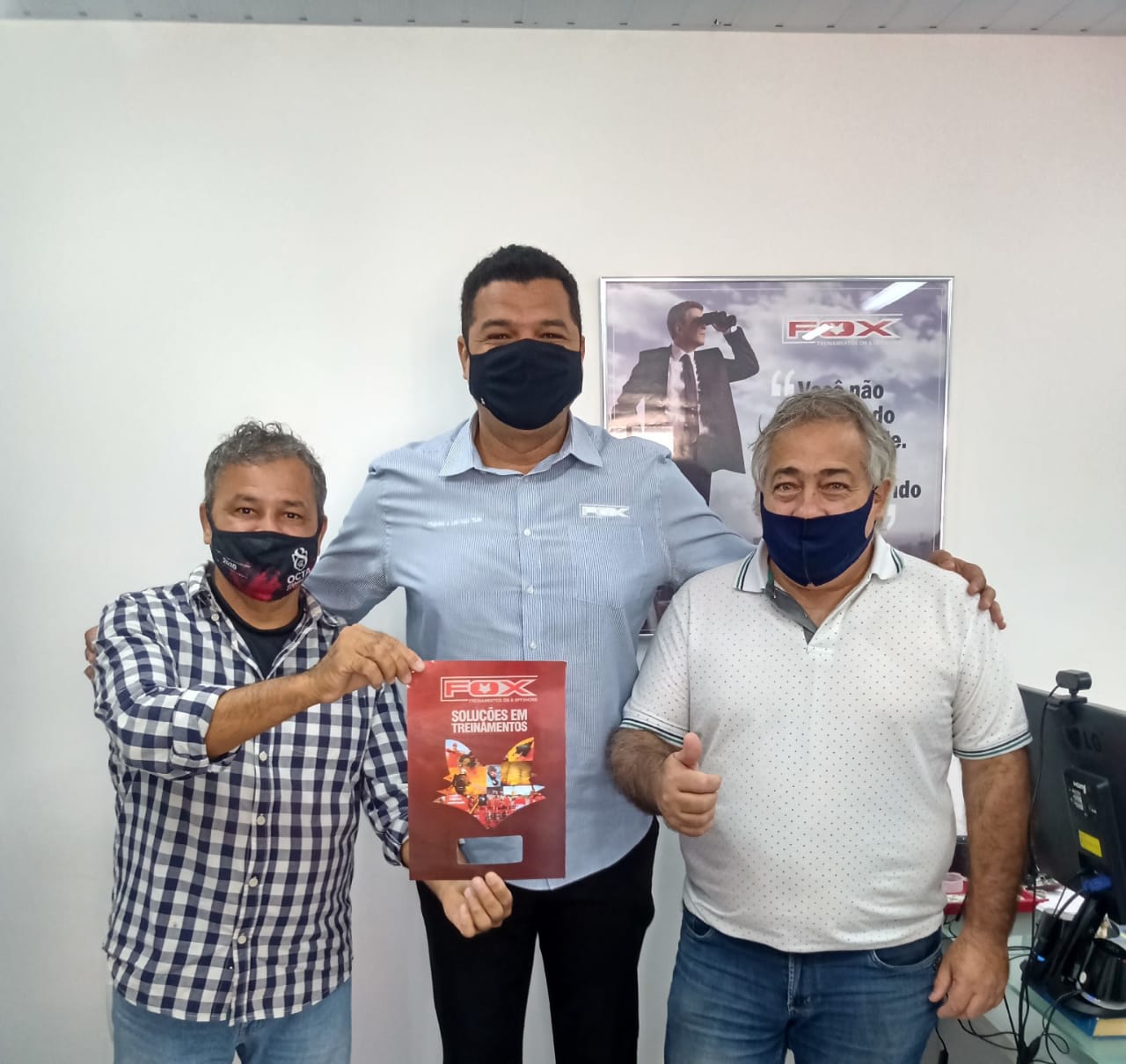
Currently, the project has UNOPAR, FOX TRAININGS, TESALAB Laboratory, New Bike Macaé, Odonto Lagos as partners in this journey to bring more citizenship to young people.
To further evolve with the project and develop citizenship, we are seeking more companies that identify with the concept of the work we are doing so that they can help us with sponsorships. When it comes to education, any help is always welcome!
-
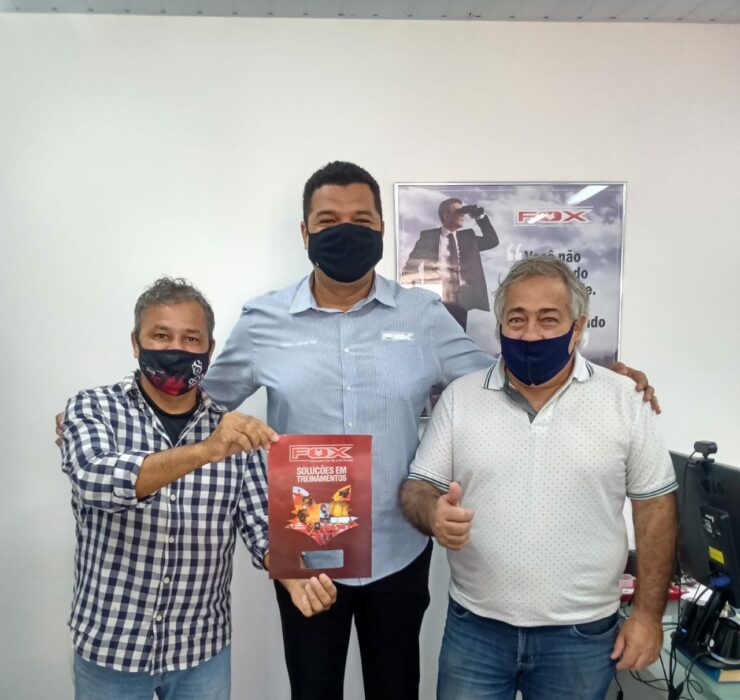
FOX TRAININGS – Partner of the Project -
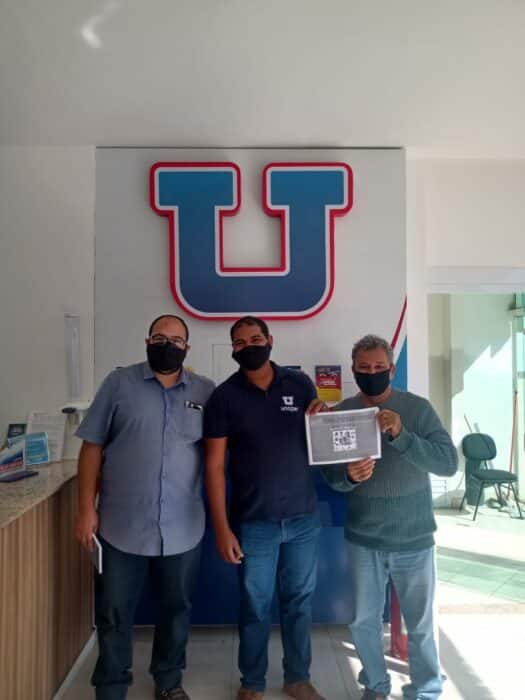
UNOPAR MACAÉ – Partner of the Project
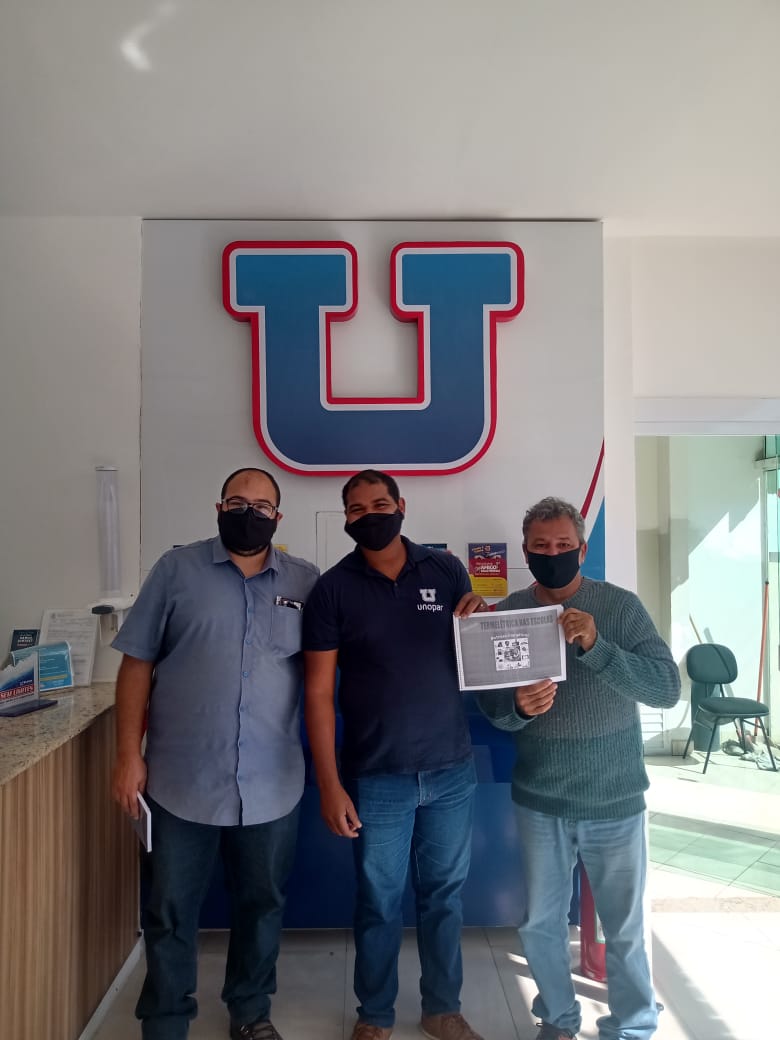
Meeting with Uerlei Roberto Ferreira, Commercial Manager at UNOPAR University of Macaé, Regarding the Termelétrica Project in Schools, Where Total Support from the Educational Entity for the Project in State Schools in Macaé and the Surrounding Region Was Secured.
WHO IS BEHIND THIS PROJECT?
Since 2013, the “Grupo Amigos dos Colégios” has aimed to value public educational institutions by promoting citizenship, student participation in social events, visits to important places in the city, friendship, social gatherings, and coexistence with everyone. In this way, they hope to eradicate school dropout and improve the quality of education in the country.
Speakers
- Vicente Carneiro Cardoso – President of IFENGE Fluminense Institute of Engineering; Master’s in Business Administration; Postgraduate in Electrical Engineering / Offshore and Onshore Equipment Engineering / School Administration; Graduate: Production Engineering, Occupational Safety Engineering, and Pedagogy Degree.
- Vivianni Patrícia C. Acosta – Worked as a Consultant in the Human Rights Secretariat of the Presidency; Consultant on Human Rights of Children and Adolescents; Worked as a Guardianship Counselor at the Macaé City Hall – Graduate: Advertising and Propaganda.
- Carlos Pedro Ferreira Neto – Senior Chemical Specialist at EDF Norte Fluminense; Worked as a Chemist at SEMMA of Macaé; Chemical Engineer at Nalco; Graduate: Chemical Engineering.
- Luiz Carlos Barbosa Junior – MBA in Project Management; Operations Coordinator at EDF Norte Fluminense; Equipment Supervisor at CEG; Graduate: Production Engineering.
- Alexandre de Jesus Salles Paulo Venicius Lima Machado – Master in Marine Sciences with an Emphasis on Biological Oceanography; Member of the Macaé River Basin Committee and Region as a Consultant working in the Environment and Protection Area; Participant in the CETEP Project in the Environmental Area; Technical Responsible for the Rhesus Laboratory
- Alexandre de Jesus Salles Paulo Venicius Lima Machado – Master’s in Environmental Engineering; Responsible Engineer at Tesalab; Graduate: Chemical Engineer.
- Luiz Fernando Rosa Mendes – Master in Production Engineering from UCAM-Campos; Doctor in Natural Sciences from UENF; Professor at the Fluminense Federal Institute; Academic Background: Technician in Electromechanics from the Federal School of Campos; Technology in Electrical Systems from CEFET
- Celso Pereira Borges – Mechanical Engineer at EDF Norte Fluminense; Specialist in Boilers and Pumps; Worked in the Merchant Navy and Offshore Companies; Graduate: Mechanical Engineering.









-

Uma pessoa reagiu a isso.