Portuguese
  Spanish



The Thermal Power Plant Will Be Built in São Paulo by Zilor, with Business in Energy, Food, and Agricultural Property Management Areas
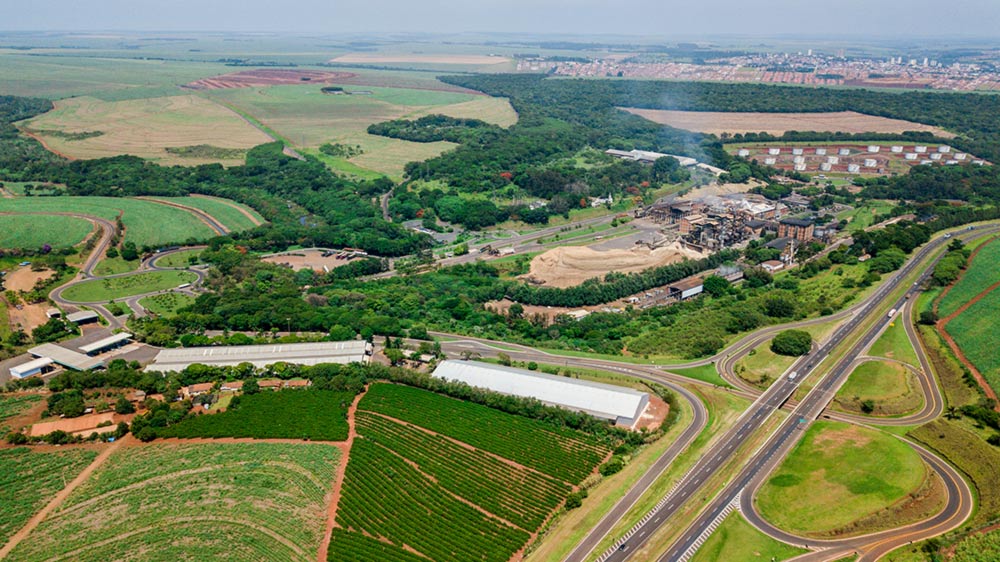
Zilor, a multinational in the sugar-energy sector, announced earlier this month that it will invest R$ 250.1 million in the installation of a thermal power plant at the Barra Grande Mill in Lençóis Paulista, in the interior of São Paulo state. The company, after winning a bidding for energy supply promoted by the National Electric Energy Agency (Aneel) earlier this month, announced that the new unit, which will generate energy from sugarcane bagasse, is expected to start operations in April 2024. See also: Thermal Power Plant in Mato Grosso do Sul Will Be Reactivated and Will Help Supply Energy Amid Water Crisis
- The Construction Company OEC, formerly Odebrecht, Has Job Openings for Works in Santana Catarina Through Its Industrial Arm Tenege
- Mato Grosso Issues Notice for the Construction of Over 700 km of New Railway. About R$ 12 billion Will Be Invested and 200,000 Jobs Could Be Created
- DOF Subsea Closes Two More Contracts with Petrobras and Equinor for the Vessels Skandi Paraty and Skandi Iguaçu
- Atlantic Nickel Opens Selection Process with Various Job Openings in the Interior of Bahia
- Omni Táxi Aéreo Closes Agreement with Norwegian Nordic Unmanned to Explore Opportunities Involving Drones in Brazil
The Details of the New Thermal Power Plant That Will Be Built in São Paulo State
The company that will build the new plant explains that, over 20 years, the grant period, it will supply 169,068 MWh/year at a price of R$ 188.00/MWh, with annual adjustments based on the IPCA. “The volume of energy sold in the auction represents a growth of approximately 30% in the Company’s energy cogeneration, contributing to the diversification of the Company’s businesses and greater predictability in cash generation,” it states.
The projected investment for the thermal power plant project, named Barra Grande 2, will total R$ 250.1 million, to be disbursed over the next three years. According to Zilor, the funds will be directed towards the acquisition of boilers, turbo generators, and other equipment, as well as the modernization of the industrial park, mills, and steam consumption for the operation of the thermal plant in Lençóis.
-
Man Revives 1930s Abandoned Trout Farm, Learns from Scratch, and Earns $1.1 Million Annually Selling Fish to Michelin-Starred Restaurants

-
Brazil to Issue “Panda Bonds” in China, Aiming to Raise Up to 5 Billion Yuan at Lower Interest Rates Than Dollar Debt
-
NATO Faces Internal Tensions as U.S. Pushes for Increased Defense Spending, Targeting 5% of GDP by 2035, with Warnings for Countries Near 2% Level

-
Brazil to Introduce B16 Diesel with Increased Soybean Oil Content for Trucks by 2026


Planned Investments in the Project
The Electric Power Manager at Zilor, Gil Mesquita de Oliveira Rabello Queiroz, states that the investment in the thermal power plant will generate revenue gains and operational improvements in the industrial park, with greater efficiency (due to new equipment and process optimizations), as well as new opportunities for local development; and the movement of the economy through the hiring of construction companies and specialized labor during the implementation of the project.
Also Check: New Thermal Power Plant, Which Will Use Rice Husk as Fuel to Generate Energy, Will Be Built in the State of Rio Grande do Sul
Creral, a company in the energy sector, has obtained the installation license to proceed with the project of the Litoral Norte thermal power plant, which will be installed in the municipality of Capivari do Sul, in the state of Rio Grande do Sul. Alderi do Prado, the company’s president, says they have been working on this thermal power plant project for two years and that, with the license, they will now work on the executive project and the hiring of generation and infrastructure equipment.
The thermal power plant to be built will use rice husk as fuel to generate energy, with an installed capacity of 5 MW, which will consume 40,000 tons of rice husk annually. The rice husk to be used at the thermal plant in Capivari do Sul will be supplied by rice companies from the municipalities of Capivari do Sul, Santo Antônio da Patrulha, and Palmares do Sul.