





 Português
  Inglês
  Espanhol
  6 min de leitura
  2 comentários


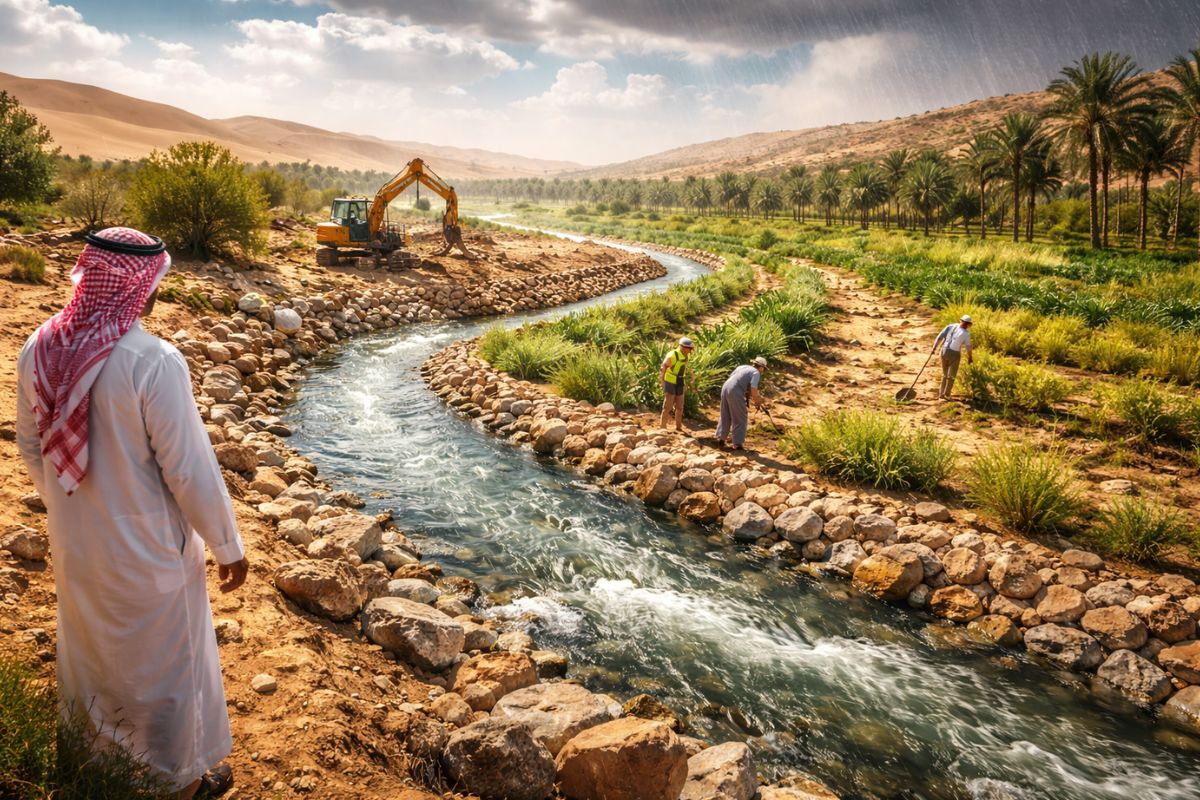


In The Albaida Desert In Saudi Arabia, Simple Interventions In The Relief Made The Soil Return To Infiltrate Rain, Recovered The Vegetation And Created An Example That Can Inspire Dry Regions Like The Caatinga
The Albaida Desert in Saudi Arabia has become a reference by showing that combating drought does not always depend on bringing more water to a degraded area. Instead, the project focused on reorganizing the path of rain, reducing the speed of runoff, and restoring the soil’s capacity for infiltration that had been lost over decades.
The experience gained strength because it started from an extreme scenario, with little rain throughout the year, temperatures above 50ºC, and land hardened by desertification. What seemed like a valley doomed to aridity began to change when water was no longer treated merely as a scarce resource and began to be managed more intelligently within the desert itself.
How The Desert Lost Its Capacity To Infiltrate Water
In Albaida, soil degradation did not happen by chance. According to the data presented, overgrazing and the removal of vegetation for charcoal production caused the land to lose structure, cover, and roots able to hold moisture.
-
For more than 10 years, scientists have observed the ice of Greenland deforming into giant spirals without explanation; they have now discovered that solid ice can “boil” from within like magma, an invisible phenomenon that could alter climate predictions and involves a mass capable of raising sea levels by up to 7 meters.

-
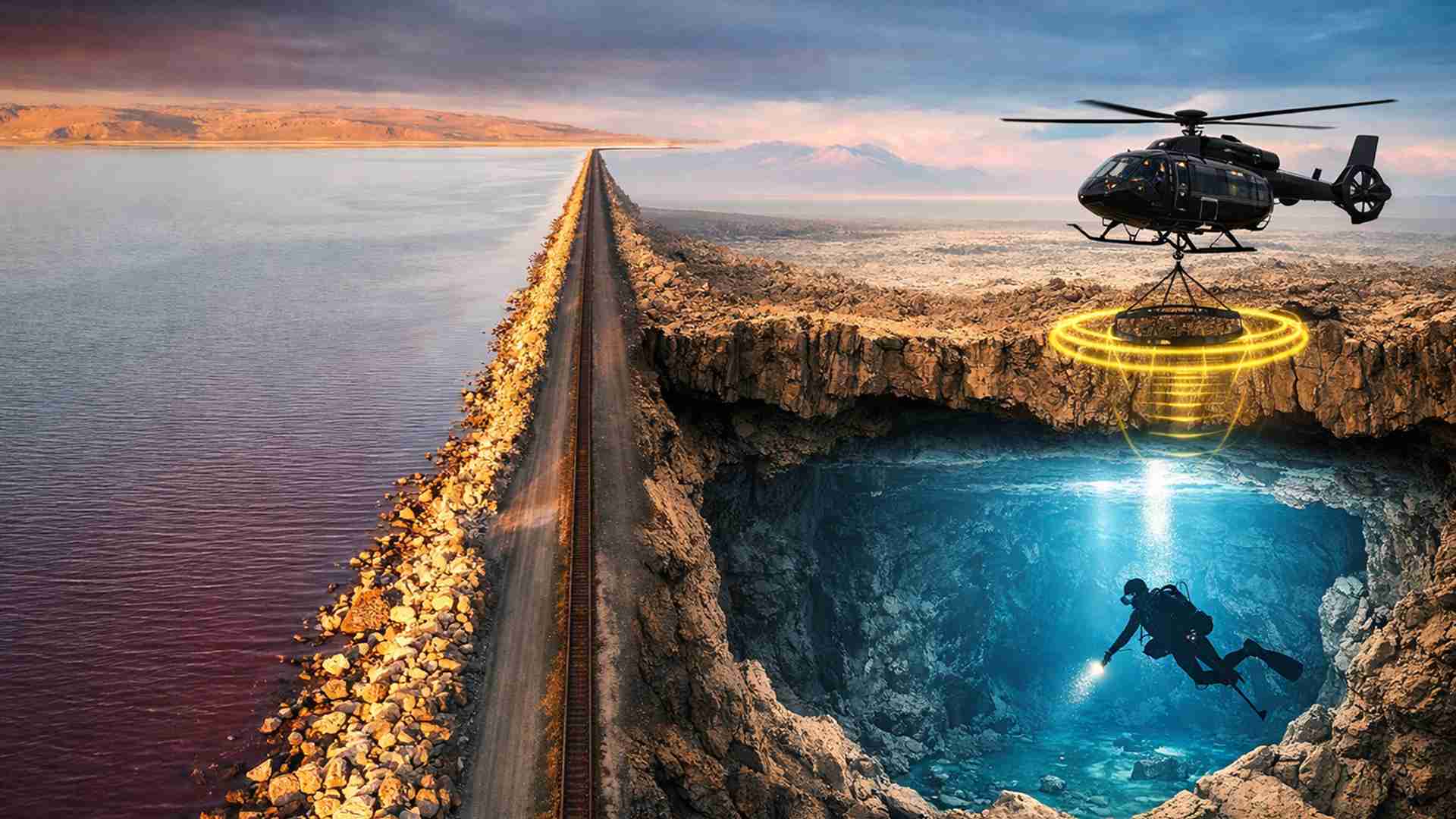
A gigantic freshwater reservoir appears beneath the Great Salt Lake, between 3 and 4 kilometers deep, surprising scientists with an unexpected flow towards the interior of the lake.
-
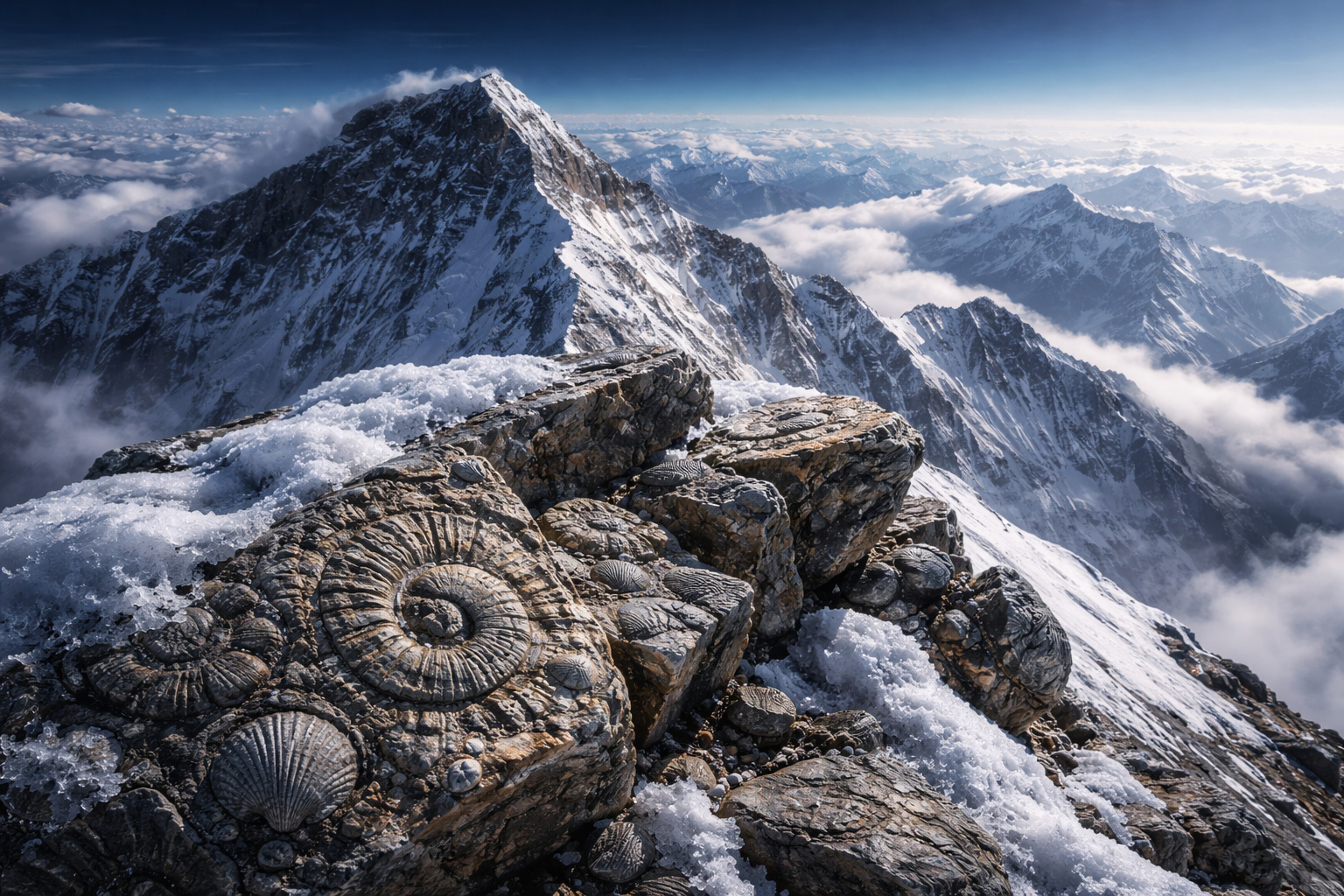
At over 8,800 meters above sea level, the summit of Mount Everest is made up of rocks that originated at the bottom of an ocean about 500 million years ago and were pushed to the highest point on Earth by the collision of tectonic plates.
-
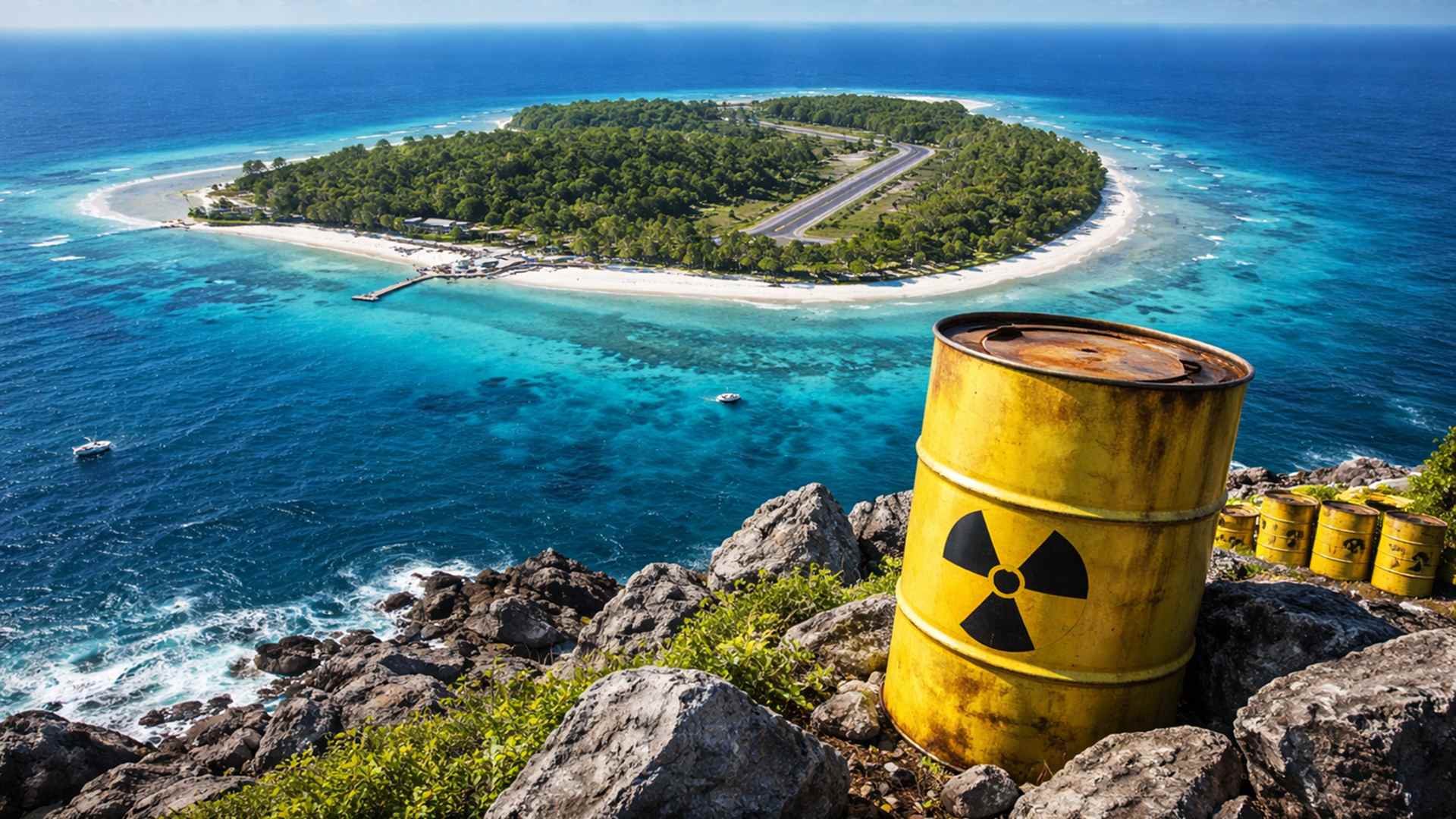
Japan targets a remote island in the Pacific measuring only 1.51 square kilometers, located 1,900 kilometers from Tokyo, to store nuclear waste for up to 100,000 years, raising alarms at sea.
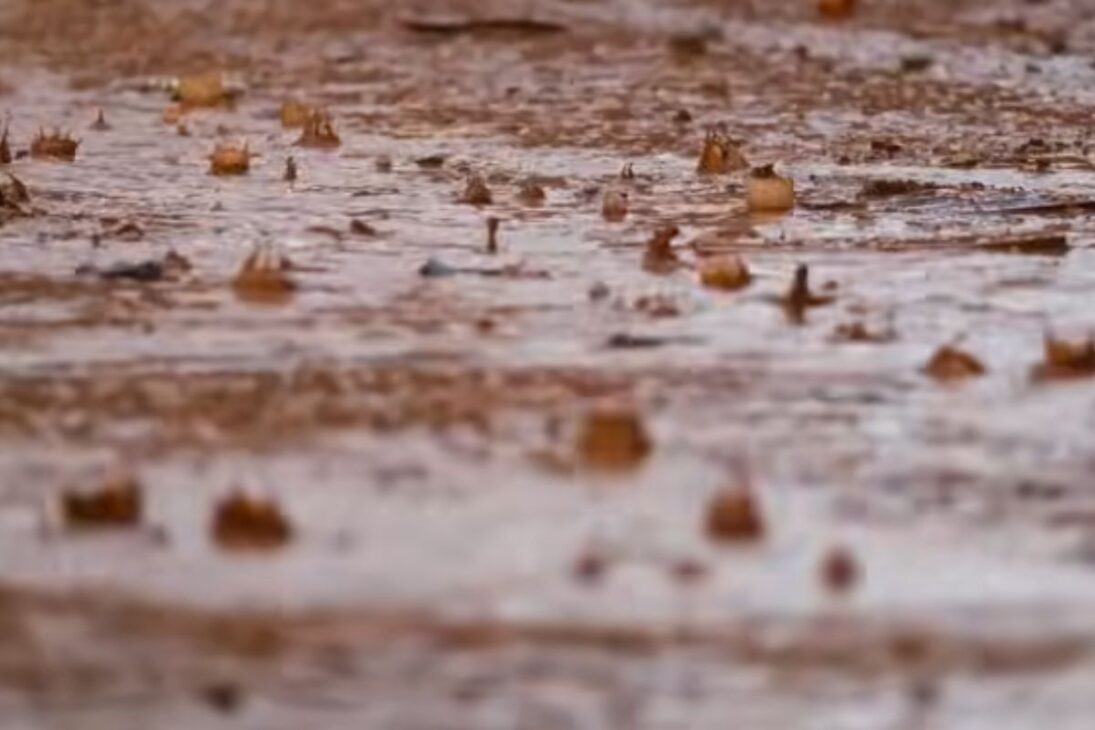
Without this protection, the desert became stiffer and less functional. When the rare rains came, they arrived in the form of violent storms. Instead of penetrating the soil, the water quickly flowed away, forming muddy areas and disappearing in a few hours. It was a cycle that prevented the natural regeneration of the landscape.
The Proposal Was To Change The Path Of Water, Not Increase Irrigation
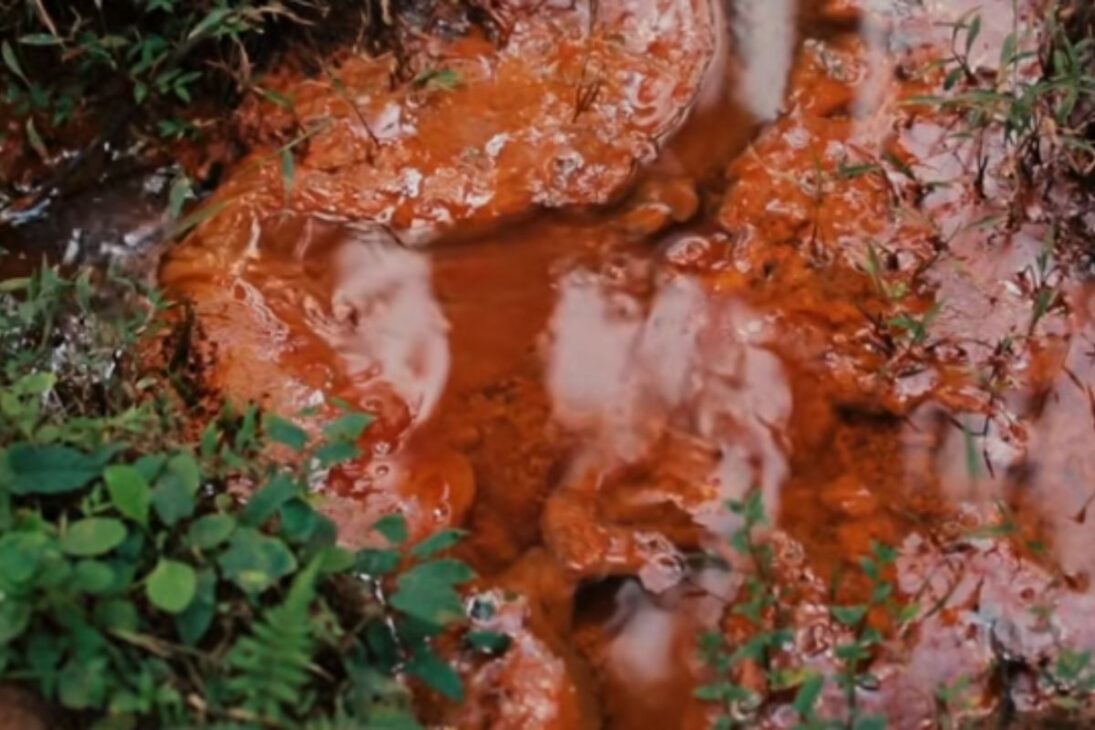
It was in this context that permaculture specialists and members of the Saudi royalty decided to test another logic. Instead of expanding irrigation, the team began to study how the water already present in that desert moved during runoff.
The work started with detailed topography, mapping of rain flows, and reading the behavior of the relief.
From this, terraces with stones, small barriers at strategic points, and shallow ditches were built to intercept the speed of water. The goal was not to dam large volumes, but to slow down the flow and give time for infiltration to occur.
The First Rains Showed That The Soil Could Start Working Again
When the first heavy rain came after the interventions, the test was immediate. The runoff continued to flow forcefully but encountered obstacles capable of splitting the flow, spreading the water, and reducing concentration in a few points.
As a result, part of the rain finally began to penetrate the soil of the desert. Not everything worked perfectly at first. Some structures failed in the early years and needed to be repositioned or reinforced.
Even so, adjustments were made based on the actual behavior of the water, allowing the project to improve over time.
Native Vegetation Helped To Consolidate The Recovery Of The Desert
After measurements indicated an increase in infiltration, planting began. The chosen species were native to the desert, already adapted to the extreme heat and capable of developing deep roots.
In the first months, drip irrigation helped establish the seedlings, but the idea was never to create a permanent dependency. The goal was to build autonomy. In 2016, when funding decreased, irrigation was turned off.
Part of the vegetation lost leaves and some seedlings died, but trees with deeper roots remained standing. This indicated that water was already returning to the underground and that the system was beginning to sustain itself better on its own.
The Microclimate Changed And Life Returned To The Valley
With the following rains, the response of the landscape became more evident. Vegetation expanded, dormant seeds germinated, and the soil began to accumulate more organic matter. According to the data, soil temperature fell by about 15ºC.
This new microclimate attracted insects, then lizards, mammals, and even the presence of the striped hyena was observed. The desert ceased to operate solely as a runoff surface and began to function again as an ecological system.
The transformation did not mean an instant miracle, but the gradual recovery of functions that the land had lost.
The Example Helps To Rethink Drought In Other Regions
The main lesson from the project is not that any dry area can become a green paradise in no time. What Albaida showed was something else: degraded landscapes can regain infiltration, vegetation cover, and productive capacity when water management respects the relief and soil behavior.
This logic is especially relevant to regions where rain exists but is not well-utilized. The desert of Saudi Arabia served as a laboratory for a simple and powerful idea: it’s not enough to have water; it’s necessary to prevent it from leaving too quickly.
The Case Of Cassava Reinforces The Importance Of Resilient Systems
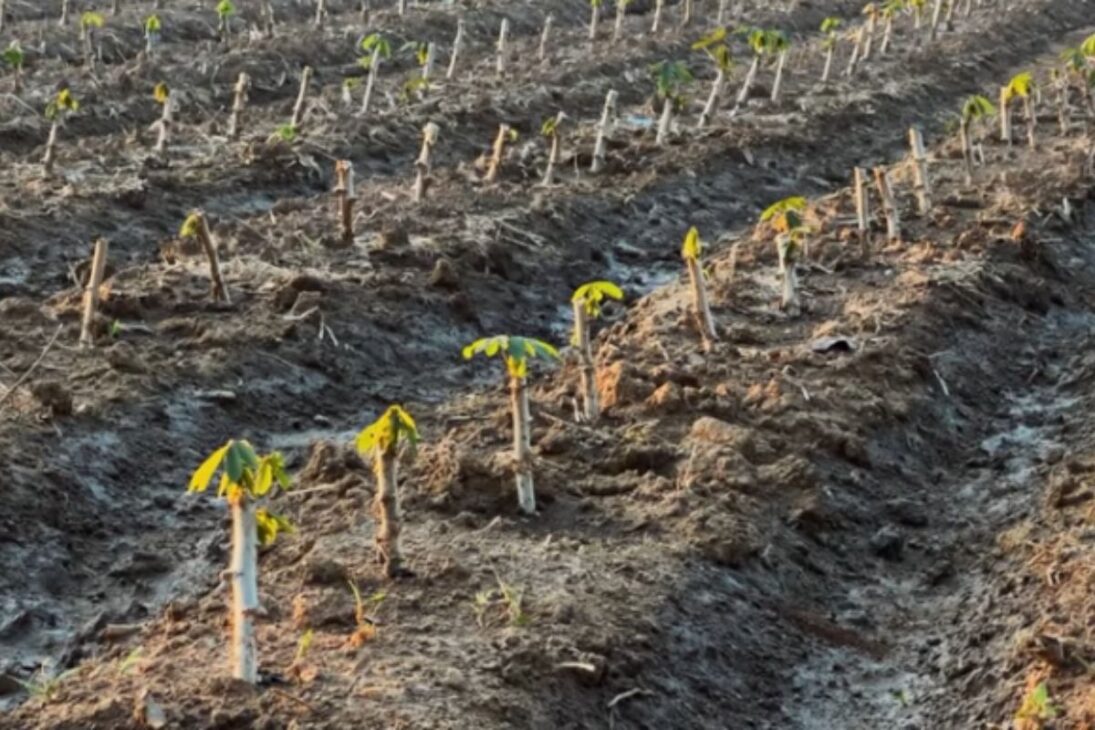
Within this reasoning, the data also highlights cassava as an example of a crop adapted to difficult conditions. Domesticated thousands of years ago in South America, the plant has learned to cope with acidic soils, periods of scarcity, and significant climate fluctuations.
It does not resolve the recovery of a desert or a degraded landscape on its own, but it fits well into more resilient productive systems, especially when the soil can retain at least minimal moisture.
The central idea is not to choose a miracle plant, but to combine water management with species that can better respond to the environment.
What This Project Can Teach Brazil
The comparison with Brazil arises naturally when the topic turns to the Caatinga. The data reminds us that the region is far from being a desert, but it faces erosion, deforestation, and difficulty in infiltration in parts of its territory.
In this scenario, techniques like small dams, contour lines, and soil cover follow the same logic applied in Albaida.
Instead of relying solely on more water supply, these strategies aim to keep rain on the land for a longer time. This point is what connects the Saudi example to possible solutions for dry areas in Brazil.
The Project Is Part Of The Recovery Plans For Saudi Arabia
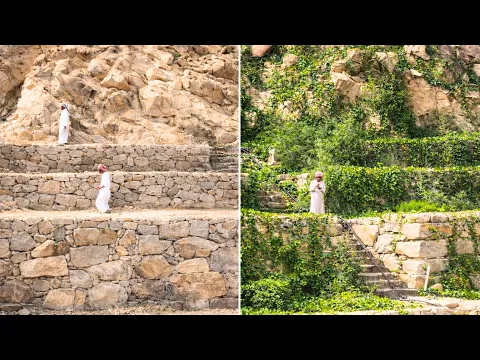

The case of Albaida became promising enough to be included in broader soil recovery plans in Saudi Arabia. The data indicates that this experience helped to drive larger restoration initiatives, with the planting of millions of trees and the reintroduction of endangered animals.
Additionally, the project has been associated with reducing sandstorms and improving air and soil conditions for the coexistence of life.
The desert remains an extreme environment, but it has begun to show that even severely degraded areas can regain part of their functionality when water is managed more intelligently.
The Desert Became An Example Because The Solution Began With The Soil
The most important point of this story may be the simplest one. The transformation did not start with large projects, nor with the promise of creating artificial abundance in an arid area.
It started with a reading of the terrain, small containment measures, correcting flow, and patience to observe the behavior of water.
The Albaida Desert showed that restoring infiltration can be more decisive than simply irrigating. For dry regions, including Brazil, this shift in logic can open an important debate on how to confront drought more sustainably.
Do you believe that techniques like these could help dry areas in Brazil retain rain better and recover the soil?






Yo, no entiendo de esta materia, pero, he quedado realmente gratamente sorprendida con lo que han conseguido e, imagino el trabajo que les ha dado lograr ésto. Es maravilloso y pienso que nada es imposible…solamente, evitar la muerte.
Creo en mi ignorancia, que debe haber siempre, para cada terreno una metodología de trabajo que permita ésto que es tan vital hoy…agua. Poder canalizar la lluvia, adecuar el terreno, luego de hacer el estudio es CIENCIA, pura y dura!! Se equivocaron, pero de eso se trata iniciar una gran empresa. Y lograr esto, si no lo es, qué lo es? Me encantó y me saco el sombrero.
Me encantaría tener el conocimiento teórico, el empírico si está, pero para emprender algo así… en el desierto… se requiere mucho no, pero antes que nada, debe estar la NECESIDAD. Con eso, se comienza. Toda idea, innovación, surge de una NECESIDAD, de un cambio.
Les felicito y espero sigan logrando grandes cosas para conseguir un mayor BIENESTAR, una Mejor Calidad de Vida (CV).
Pienso en mi.abuelo y creo estaría feliz!@
Abrazos y saludos
Tecnología ancestral Etiope