





 English
  Francês
  Alemão
  Italiano
  Japonês
  Norueguês
  Portuguese
  Spanish
  4 min of reading


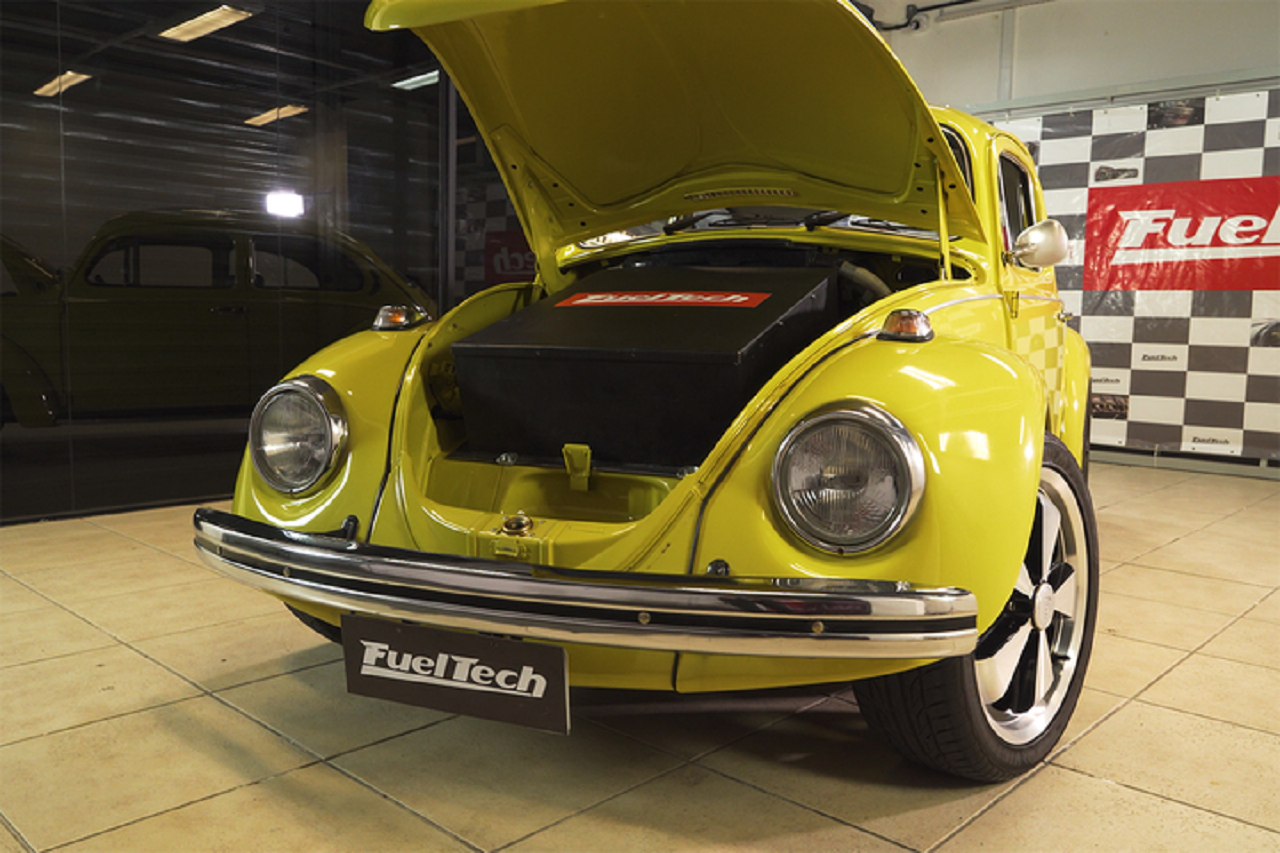
The Converted VW Beetle by Gaúchos Could Be Just Another Alternative for Electric and Economic Cars for Drivers in Brazil and Beyond.
Recently, after the creation of numerous protocols and agreements aimed at reducing carbon dioxide emissions (CO2), along with the absurdly high prices of fossil fuels, having an electric car or any other electrified vehicle at home has become a good alternative. When it comes to converting a classic combustion car from the Brazilian streets to an electrified version, like the VW Beetle model – a traditional car from Volkswagen – using a domestically produced motor, the scenario seems even more tempting. That’s why researchers from Fueltech, located in Rio Grande do Sul, and WEG converted a 1977 VW Beetle into a 100% electric car, capable of reaching about 140 km/h.
Partnership Between Fueltech and WEG Resulted in the Conversion of a Combustion Beetle to 100% Electric


In 2019, Fueltech established a technology development partnership with WEG to carry out vehicle conversions. In mid-2020, despite the pandemic, the partners received the VW Beetle, but it was already under the project of another startup to be converted into an electric beetle.
When the Beetle arrived, researchers from Fueltech and WEG were able to assess it more closely and make better decisions regarding the conversion. Taking approximately 1 year, the little Beetle was “ready” in July 2021.
-
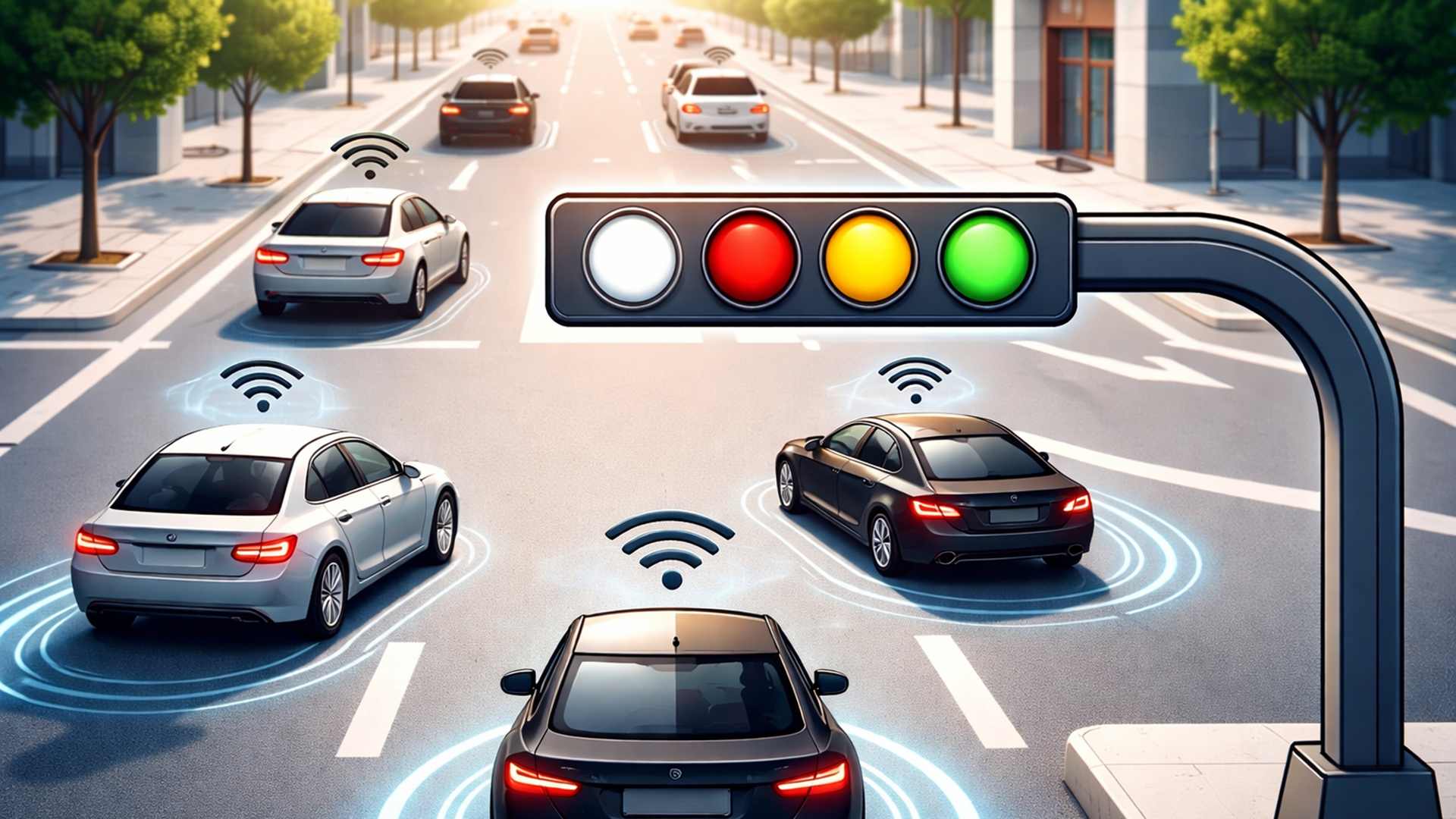
Engineers propose a fourth traffic light for intersections – the change promises to affect crossings, queues, and waiting times.
-
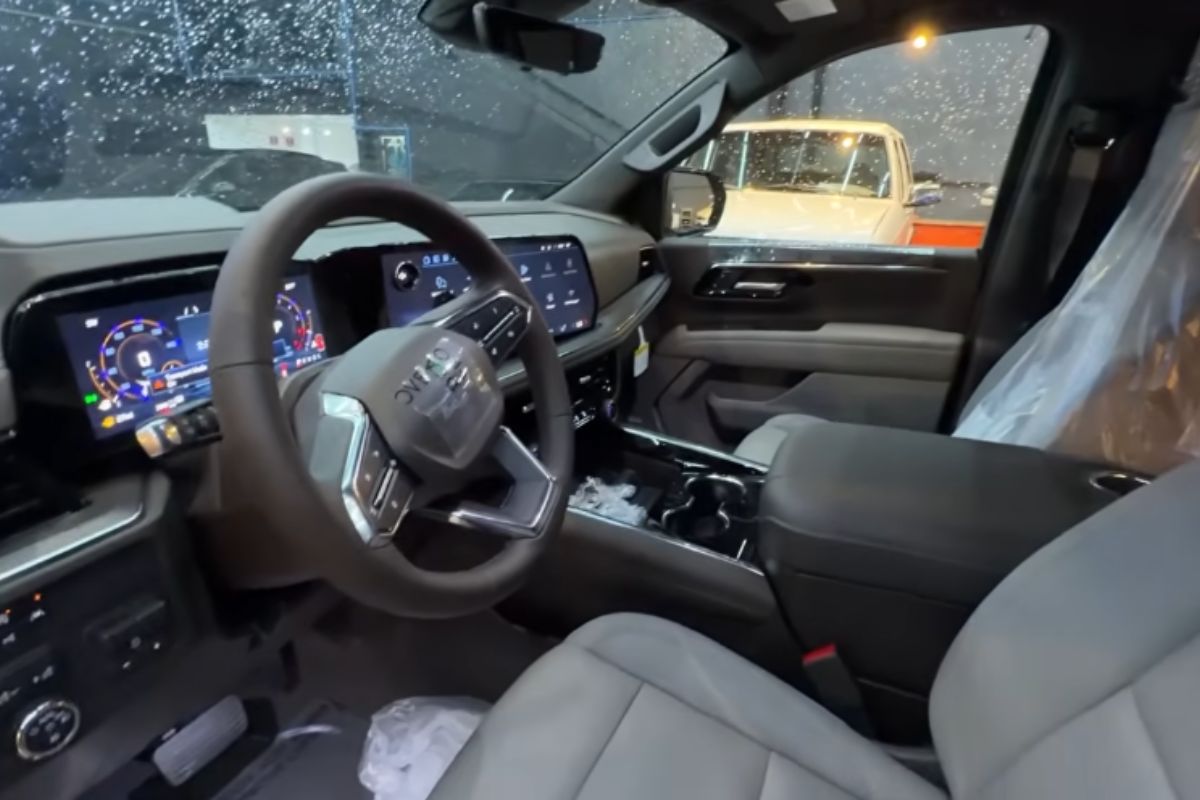
Chevrolet Suburban Z71 lands in Brazil with a V8 engine, off-road design, air suspension, seven seats, and colossal size, a rare version imported for around R$ 1.3 million with luxury and exclusivity.
-
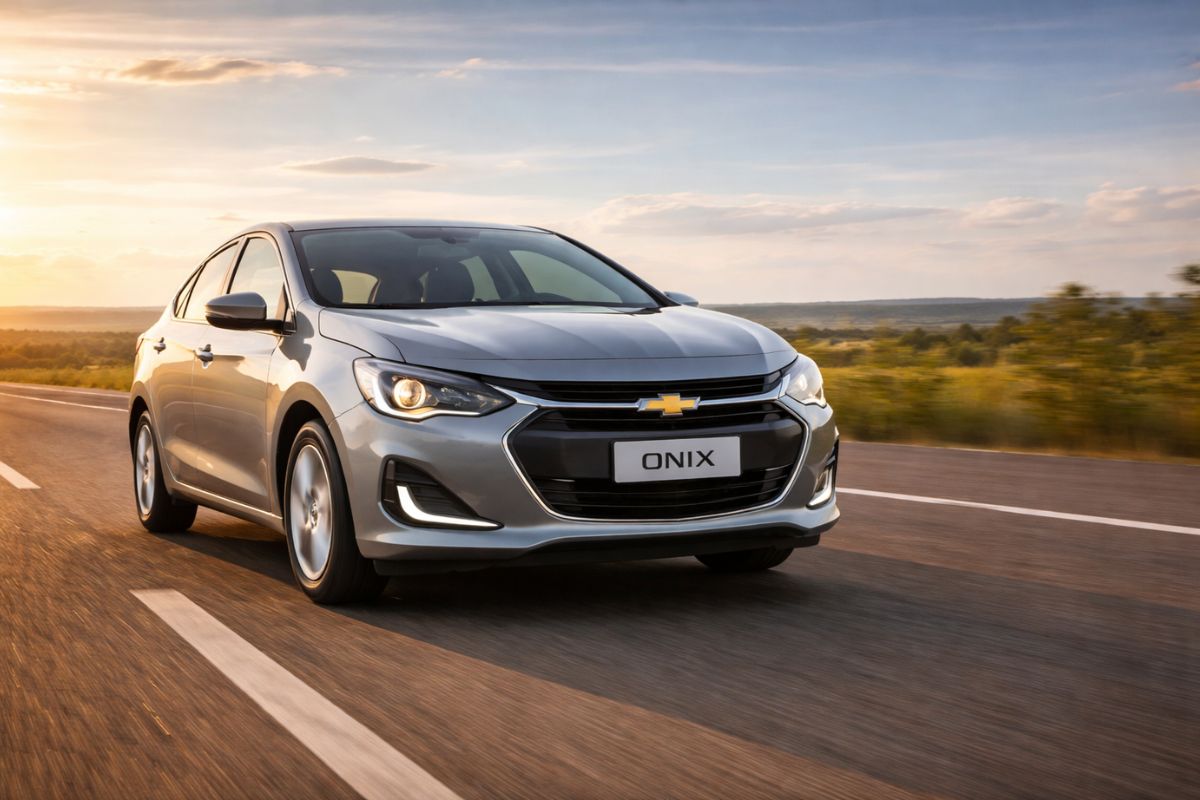
The Chevrolet Onix 1.0 turbo achieves 17.7 km per liter on the highway and ranks among the three most economical cars in Brazil in 2026, alongside two more expensive Toyota hybrids available at dealerships.
-
Little sister of the Hilux: Toyota launches Land Cruiser FJ with 4 radical versions, 2.7 engine with 166 hp and 4×4 traction with locking.

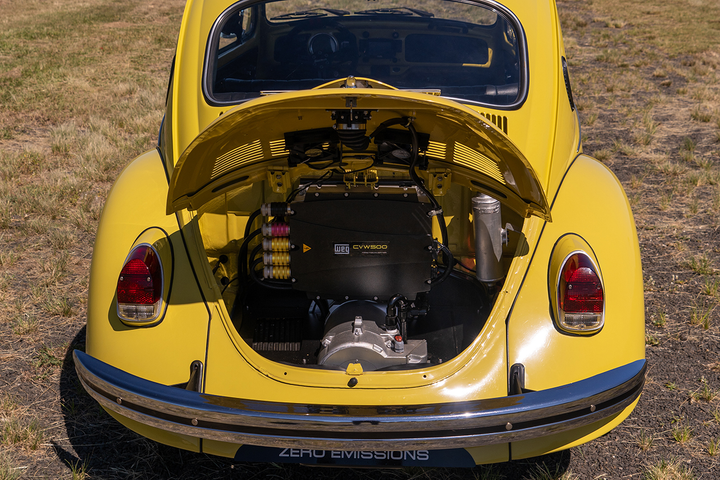
The “ready” is precisely because part of the electric Beetle project continues to be developed and improved. The battery used to power the electric motor of the VW Beetle needed to be divided into two parts, with about two-thirds of it located under the hood, at the front of the Beetle. The remainder is behind the back seat, near the motor.
Charging the Electric Beetle Takes About 9 Hours
-
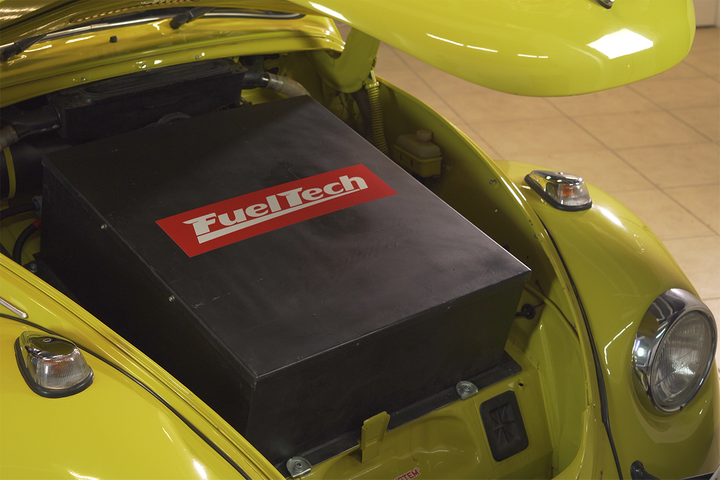
VW Beetle Resulting from the Partnership Between Gaúcha Company Fueltech and WEG – Image: Fueltech/Disclosure -
VW Beetle Resulting from the Partnership Between Gaúcha Company Fueltech and WEG – Image: Fueltech/Disclosure -
VW Beetle Resulting from the Partnership Between Gaúcha Company Fueltech and WEG – Image: Fueltech/Disclosure -
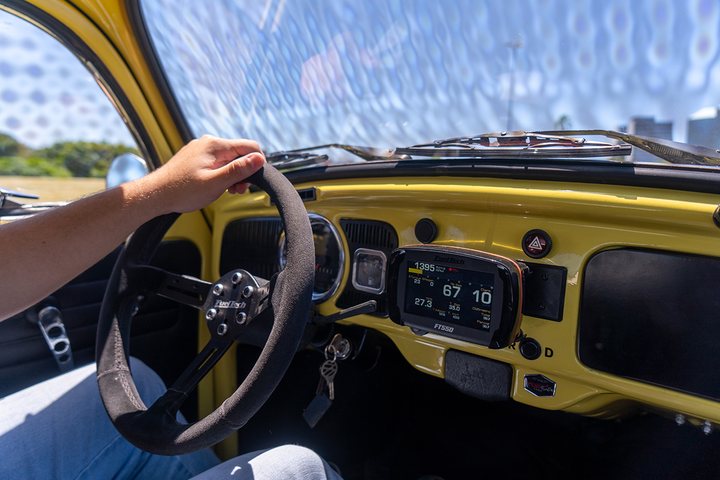
VW Beetle Resulting from the Partnership Between Gaúcha Company Fueltech and WEG – Image: Fueltech/Disclosure
The so-called total slow AC charging takes approximately 9 hours, but it allows the car to have a range of 150 km. However, Fueltech researchers reported that there is a possibility to reduce this charging time by half.
According to Fabiano Isoton, research and development manager at Fueltech, a fast charging system has not yet been implemented in the electric Beetle, but it will be possible to cut this loading time by half.
Isoton also mentioned that it is just a matter of time until they can perform some component swaps, but they haven’t reached that phase yet, as they are still in the development stage.
Manual Transmission and Onboard Computer
According to Isoton, the creators of the project stated that the transmission of the electric Beetle would remain manual, which is unusual for electric car lineages. However, the operation is somewhat different from the usual, due to the electric motor’s revolutions, which are much faster than that of a combustion engine.
Therefore, the driver will not need to shift gears constantly, needing to do so only at certain moments, such as on a steep climb or something similar.
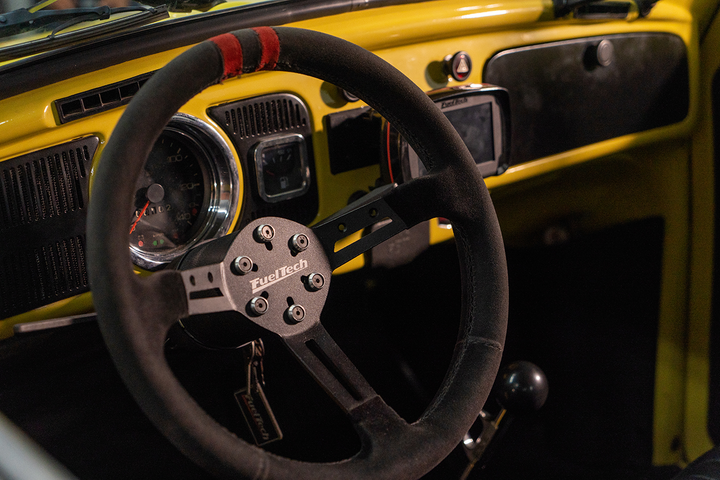
The VW Electric Beetle (originally, VW Beetle 1977) also features a digital onboard computer, located right in the central dashboard, where the driver can check information about the Beetle’s charge level, battery range, speed, odometer, among other information.
Researchers calculated that the cost for each kilometer driven with the electric Beetle is R$ 0.17. This means that, upon “filling the tank” of the electric Beetle, the driver will spend approximately R$ 25.50, which is incredibly incomparable to literally filling the gasoline tank of any automobile today. The battery used by the electric motor is 25 kWh, with a voltage of 130 Volts.
According to Isoton, the motor can generate 66 horsepower (hp) of power, along with 13.2 Kgfm of torque. This is more than what a VW Beetle 1300, with 46 hp and 9.1 kgfm, or a 1500, with 55 hp and 12 kgfm, would produce, being nearly on par with a VW Beetle 1600 (67 hp and 14 kgfm). Because of this, its maximum speed is 140 km/h, according to Fueltech, coming very close to the 144 km/h that an old Beetle could reach.







Seja o primeiro a reagir!