





 Portuguese
  English
  Spanish
 5 min of reading
  0 comments


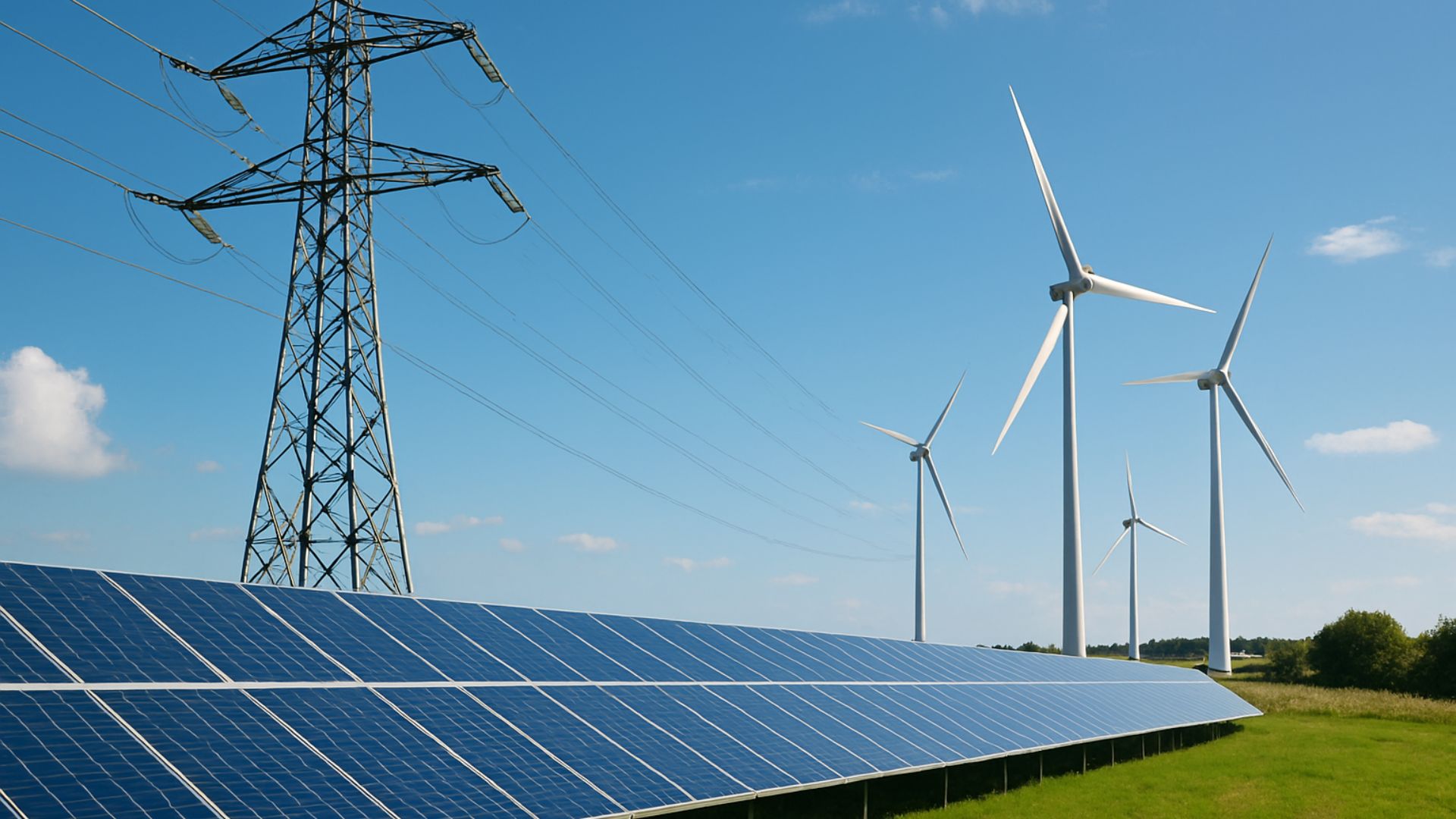
Bahia Advances in Energy Transition with the Serra Dourada Project, Which Expands the Flow of Renewable Energy and Strengthens National Integration of Wind and Solar Production
On Monday (8), the groundbreaking of the Serra Dourada Project, an initiative by ISA Energy Brazil that will transform the national electrical infrastructure by transporting clean energy generated in Bahia to regions with higher demand in the country, was launched. According to a report published by BNews, the event, held at the Palacete Tirachapéu in the Historic Center of Salvador, was attended by Governor Jerônimo Rodrigues and emphasizes the relevance of expanding transmission networks for Brazil’s energy transition.
The Strategic Importance of the Serra Dourada Project for Renewable Energy
According to ISA president Rui Chammas, the project involves the implementation of a transmission line spanning about 1,000 kilometers, which will allow for the flow of energy produced in the state to the South and Central-South of Brazil.
The executive highlighted that Bahia is now one of the country’s most important hubs for wind and solar generation, accounting for over 30% of the energy from these two sources. Therefore, connection with other regions is essential to meet the growing demand for clean energy.
-
Researchers discover a possible hydrogen deposit of up to 46 million tons beneath an ancient coal basin, and the volume could exceed half of the entire global production.

-
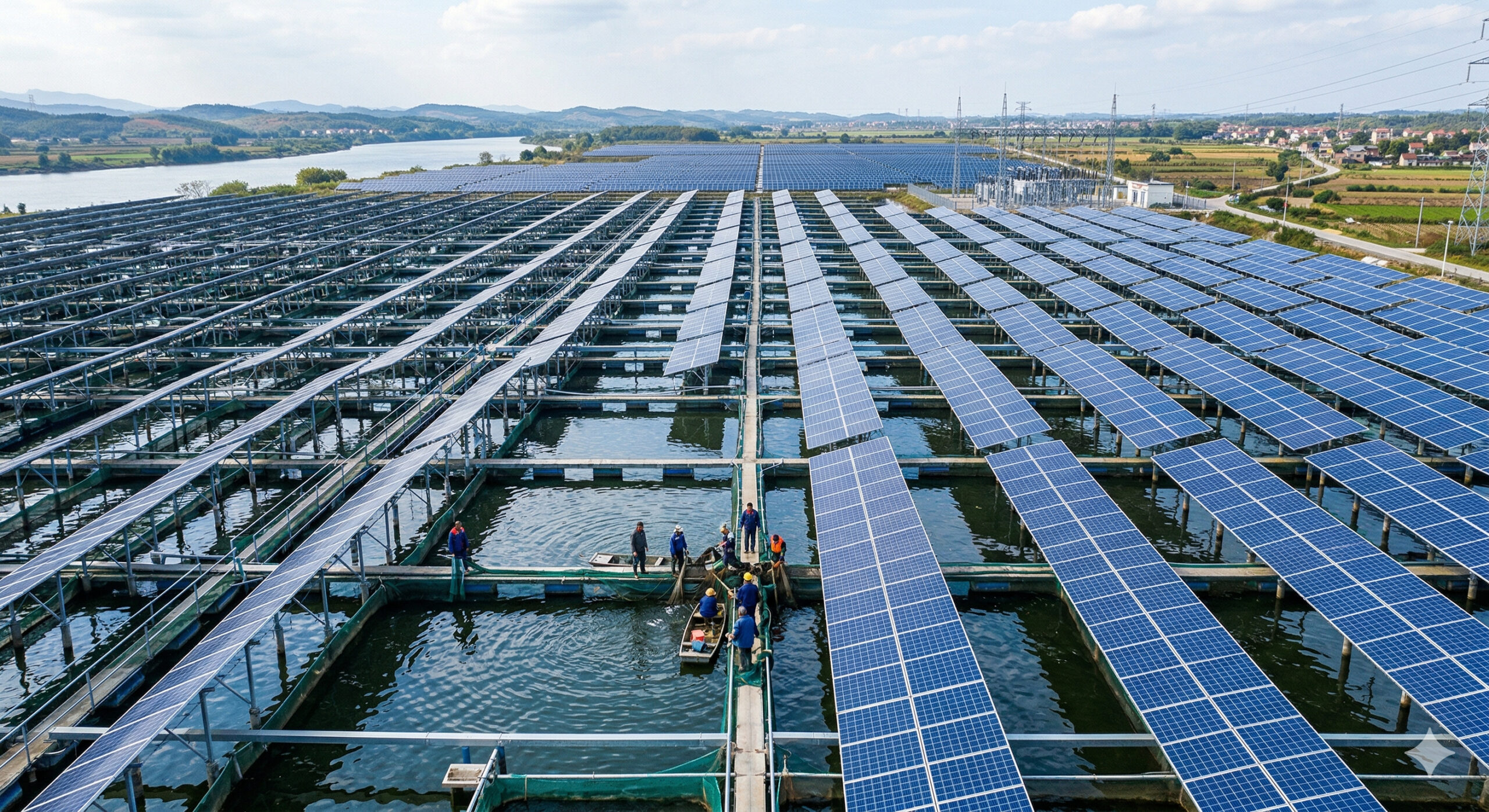
China bets on the Fishery-PV model and transforms fish farms into giant solar plants, covering ponds with panels that generate energy while utilizing the same space for large-scale aquaculture production.
-
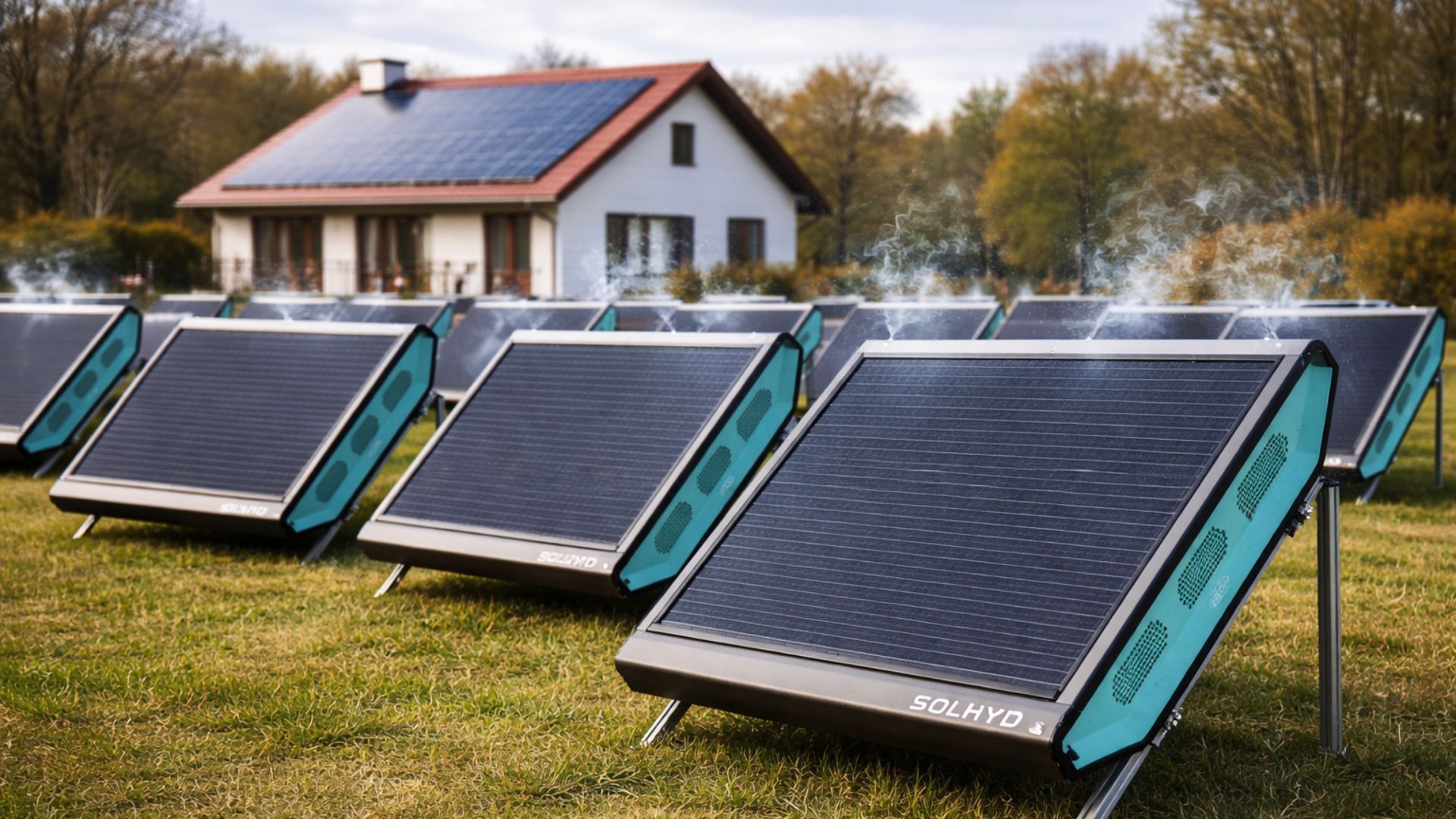
Green hydrogen at home: Belgium launches new technology that makes solar panels produce fuel from the moisture in the air, which could boost the energy transition.
-
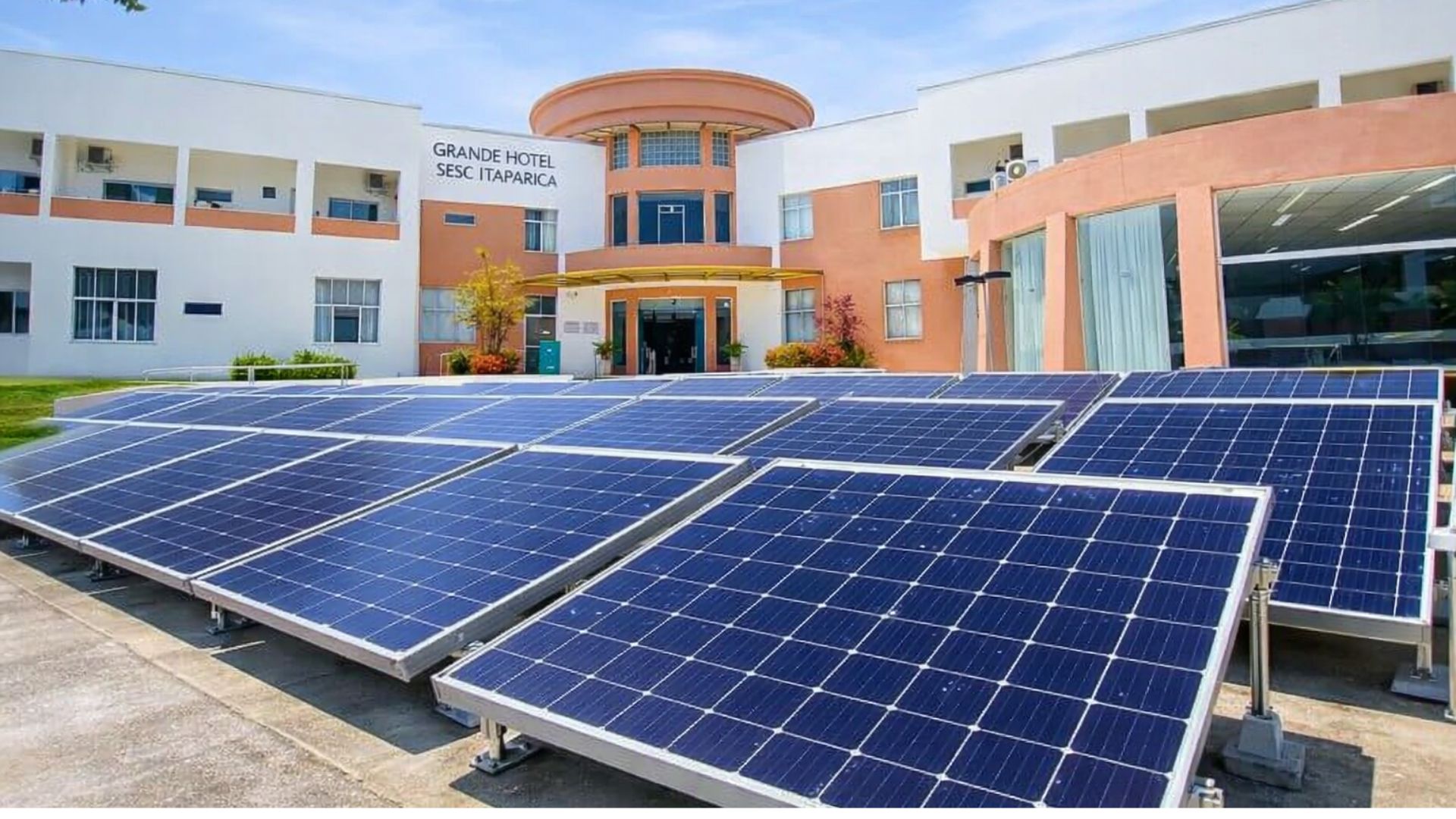
Sesc-BA bets on renewable energy with the support of EDP and drives the energy transition with a direct impact on cost reduction and the sustainability of its operations in Bahia.

The Serra Dourada Project was designed to solve a structural problem within Brazil’s electric sector: the distance between the largest clean energy generation hubs and the regions of highest consumption. Bahia has stable winds and high solar incidence, factors that drive the continuous advancement of renewable energy plants and parks.
However, this production does not always reach the main consumer centers efficiently, especially in the Southeast and South. The transmission line will allow the clean energy produced in the state to flow directly to strategic regions, stabilizing the system and reducing bottlenecks.
This reinforcement is essential to maintain the expansion of wind and solar generation, as well as to open space for new private investments. It is one of the backbones of the country’s energy transition, Chammas stated, detailing that the corridor will increase supply security by interconnecting different regions and balancing the distribution of supply.
Bahia: National Leadership in Renewable Energy
Bahia stands out as one of the main bases of the renewable matrix in Brazil. The state maintains a consolidated position among those that produce the most wind and solar energy, including large parks installed in the semi-arid region and along the coast. The natural potential, combined with incentive policies and the availability of favorable areas, ensures stable production, with capacity to significantly increase national supply.
In addition, the sector drives the economy by creating jobs, attracting industries, and consolidating regional production chains. The new plants also stimulate infrastructure improvements, boosting municipalities in the interior.
Despite this progress, the lack of sufficient transmission lines creates limitations. Many projects face risks of delays or idleness when the generated energy cannot be connected to the National Integrated System (SIN). The Serra Dourada Project emerges precisely to minimize this dependence and expand integration capacity.
Structure of the Serra Dourada Project and Confirmed Technical Details
The project foresees the construction of approximately 1,093 kilometers of transmission lines, composed of high-voltage structures that will allow for the transportation of large volumes of energy. The electrical corridor will cross the west of Bahia and part of northern Minas Gerais, regions that already concentrate important plants.
The project also includes new substations and the expansion of existing units, reinforcing the connection with regional networks. This type of work is essential to avoid overloading local systems and improve distribution.
Some of the most relevant technical points include:
- Transmission lines at 500 kV, a standard widely used in large interconnections of the SIN.
- Three new substations and improvements to three other existing units.
- Length close to 1,000 km, capable of connecting Bahian generation to distant consumer centers.
- Capacity to flow energy from new renewable projects that may be constructed in the region.
With environmental licenses released by IBAMA in 2025, the project moves to the deployment phase, expected to be completed between 2028 and 2029, according to the company’s estimates and public regulatory documents.
Renewable Energy, Transmission, and the Role of Connectivity Between Regions
Transmission plays a crucial role in any electrical system. While generation is often the focus of public debates, it is transmission that allows energy to be delivered over long distances, especially in continental-sized countries like Brazil.
The Serra Dourada Project will directly strengthen this national interconnection by creating a flow route for energy produced in Bahia, allowing its arrival in the South and Central-South regions, where there is high consumption and a greater industrial concentration.
This type of integration improves system stability and reduces overload risks, in addition to enabling renewable plants to operate at full efficiency. The absence of adequate lines limits generation expansion and may lead to reduced operation of wind and solar parks during periods of high production.
Licensing, Social Impact, and Community Participation
The environmental licensing process for transmission projects involves detailed studies, impact analysis, and dialogue with local communities. In the case of the Serra Dourada Project, public hearings held throughout 2025 brought together residents, leaders, and representatives of socio-environmental entities.
These meetings ensured that concerns about land use, rural areas, private properties, and traditional communities were recorded and considered. Collective participation helps improve impact mitigation measures and ensures greater transparency in the project’s development.
The obtaining of the Installation License, granted by the competent authority in August 2025, indicates that legal and environmental requirements have been fulfilled, allowing construction to proceed regularly.
National Relevance of the Serra Dourada Project and Impacts on Energy Transition
The Serra Dourada Project represents one of the most important undertakings in the Brazilian electric sector in the decade, not only for its size but for its role in expanding the country’s clean matrix. It reinforces regional integration, enhances energy security, and stimulates the continued investment in sustainable sources.
By facilitating the transport of renewable energy generated in Bahia, the project strengthens the National Integrated System and helps avoid overload risks in regions with high demand. Additionally, it reduces the need for more polluting sources and reinforces Brazil’s position as a global leader in low-carbon energy.
The initiative boosts the modernization of the electrical infrastructure, consolidates Bahia’s importance in the energy transition, and ensures that clean production reaches millions of consumers.








Seja o primeiro a reagir!