





 Portuguese
  English
  Spanish
 4 min of reading
  0 comments


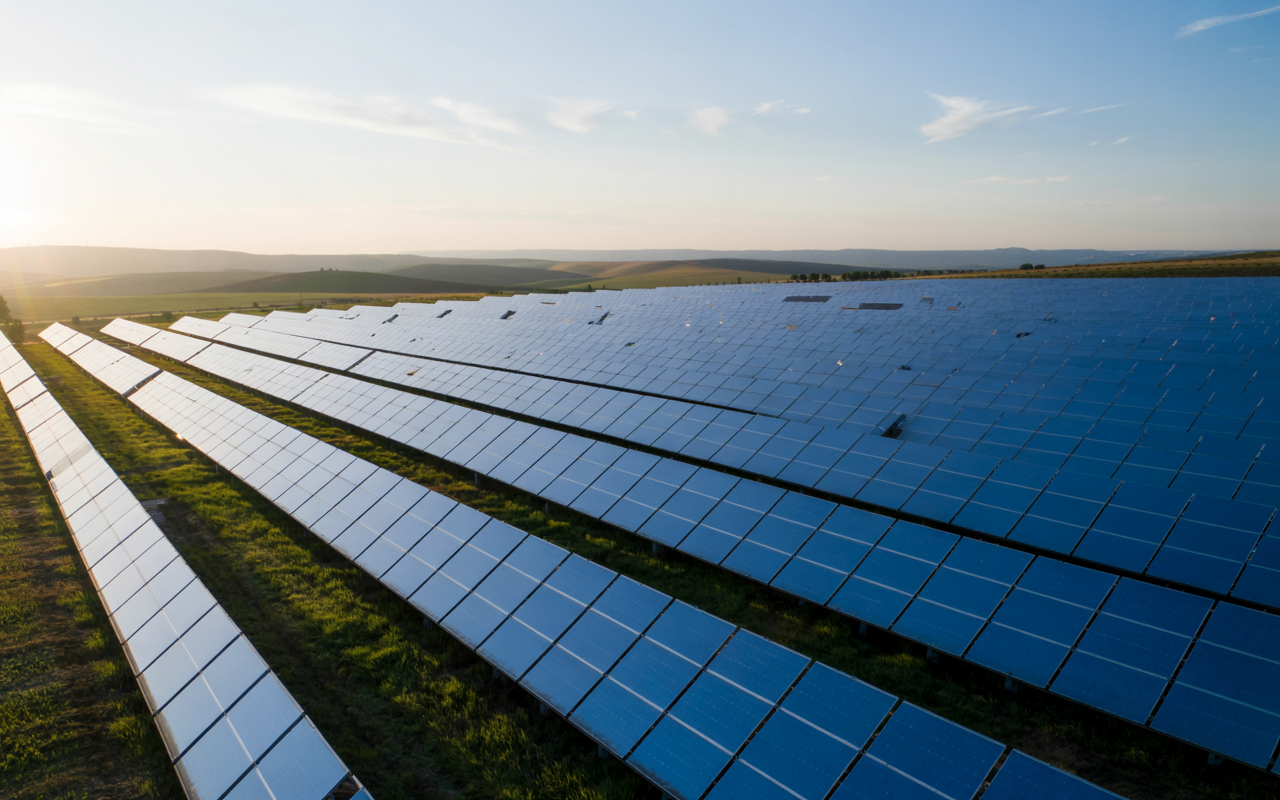
With Solar Energy And Ecological Solutions, Government Initiative In Pará Serves 50 Communities In 17 Municipalities With Drinking Water, Dignity And Environmental Preservation During Environment Week.
During Environment Week, the Government of the State of Pará took an important step towards social inclusion and environmental preservation. Through the State Secretariat for Cities and Regional Integration (Secir), a sustainable drinking water supply project was initiated that uses solar energy to benefit more than 3,000 families in rural communities in Juruti, Óbidos, and 15 other municipalities in western Pará.
The proposal combines social responsibility and the use of clean energy, focusing on solar energy, to address a historical lack of access to drinking water in isolated areas. The initiative is part of the basic sanitation universalization plan, with an investment of over R$ 49.7 million coming from the New PAC, signed between the Government of Pará and the Ministry of Cities.
Solar Energy To Transform Realities
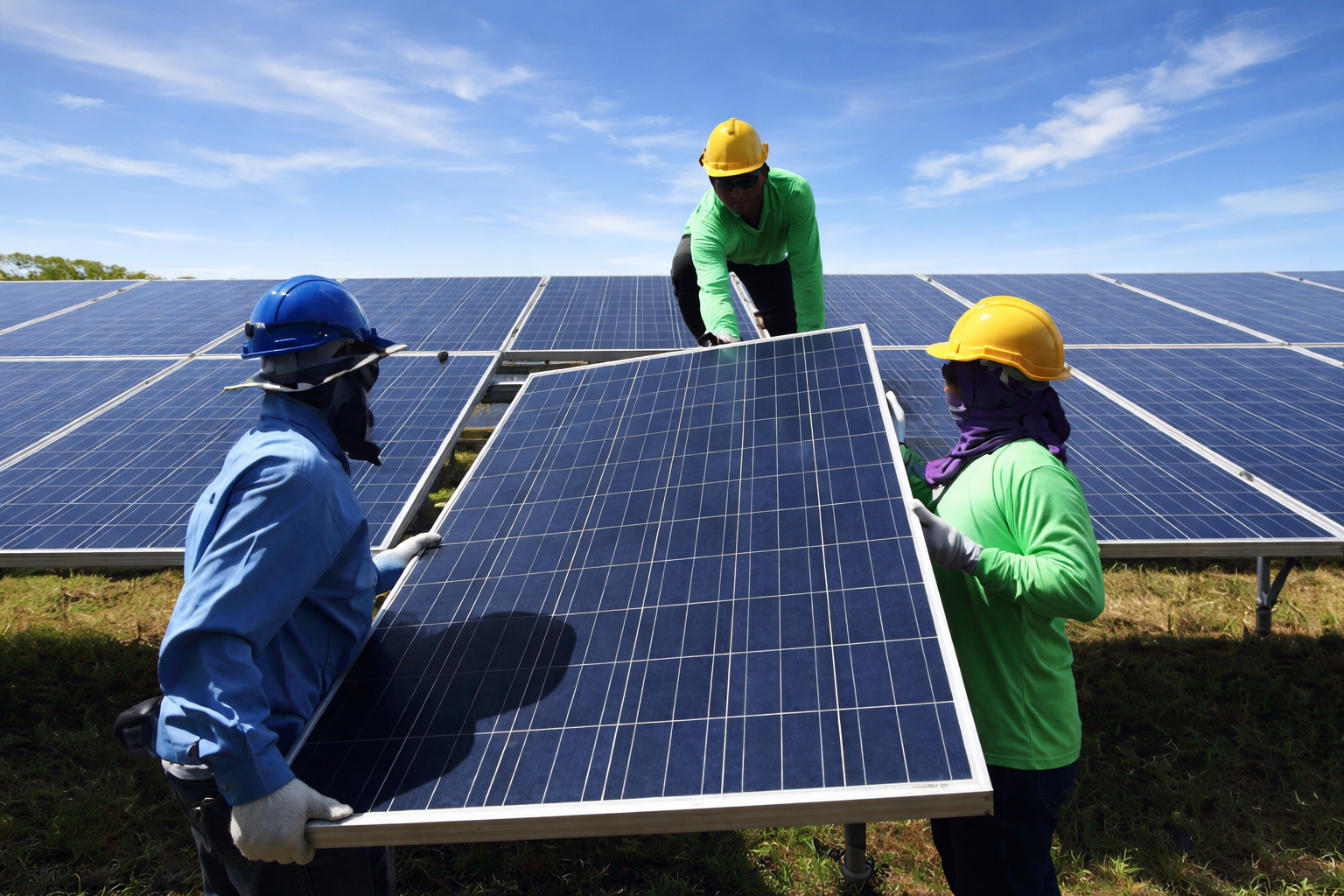
According to the engineer from Secir, Reinaldo de Souza, all systems will operate exclusively on solar energy, avoiding emissions of pollutants and negative environmental impacts.
-
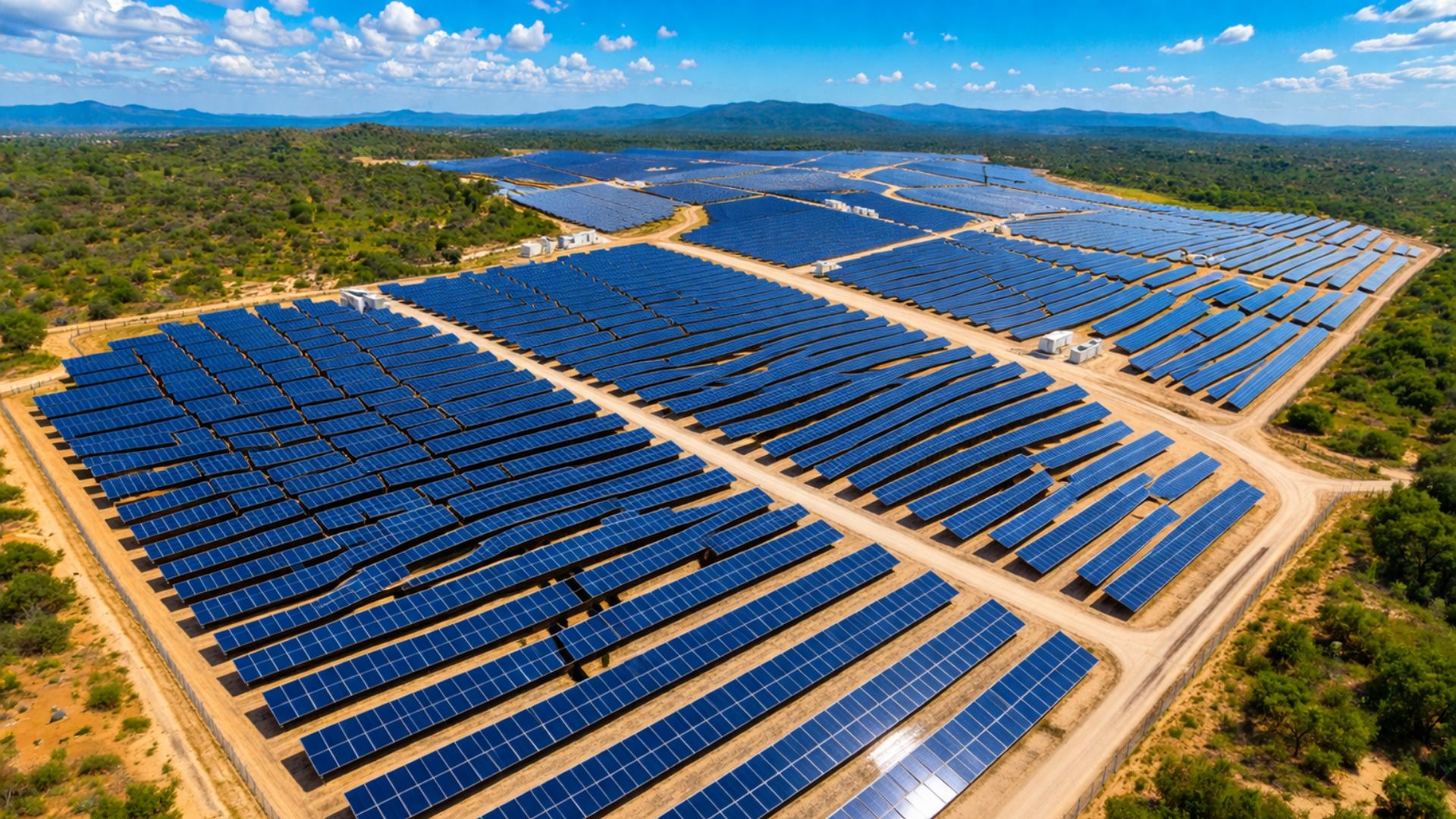
The Sol do Agreste Photovoltaic Complex begins operations in Pernambuco and accelerates the expansion of solar energy in Brazil, directly impacting the reduction of emissions and strengthening the sustainable energy matrix.
-
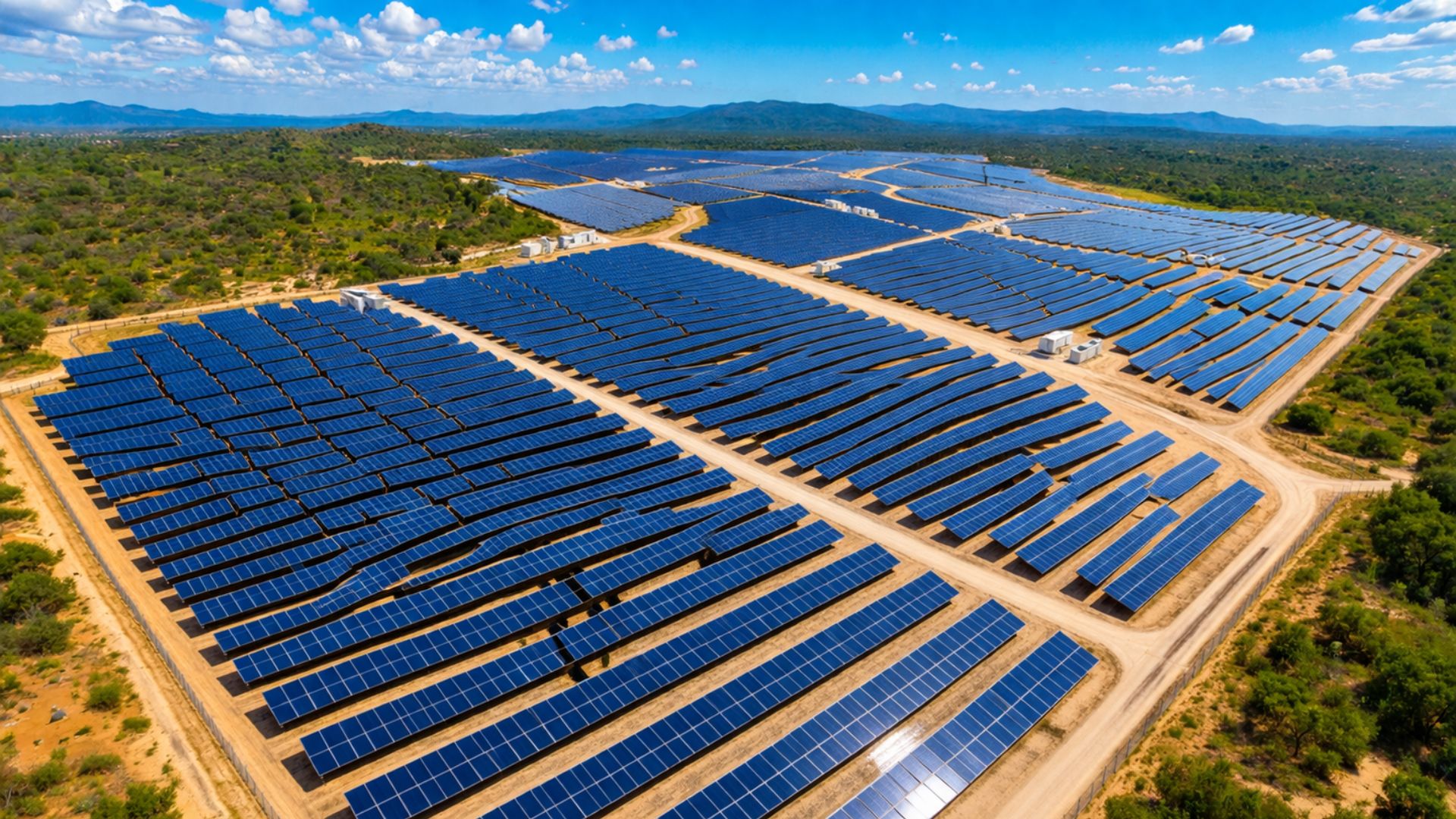
The Sol do Agreste Photovoltaic Complex begins operations in Pernambuco and accelerates the expansion of solar energy in Brazil, directly impacting the reduction of emissions and strengthening the sustainable energy matrix.
-
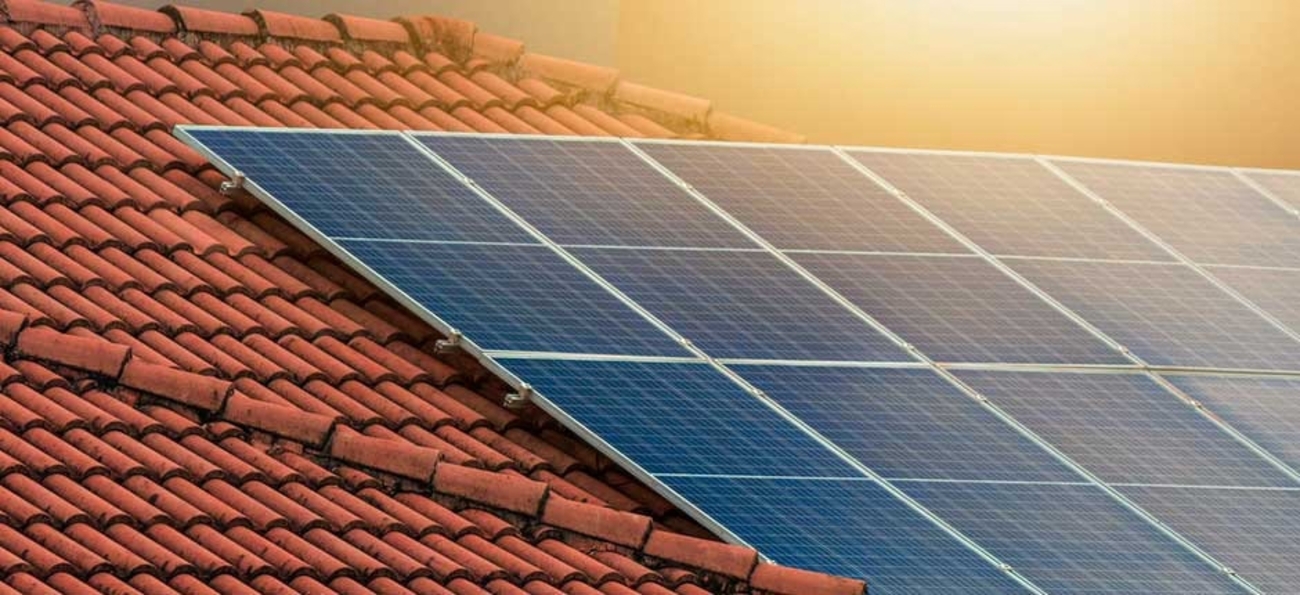
Roraima bets on the sun to escape high tariffs: Amid the energy crisis and price hikes, solar energy is growing in Roraima and transforming consumption in the North region.
-
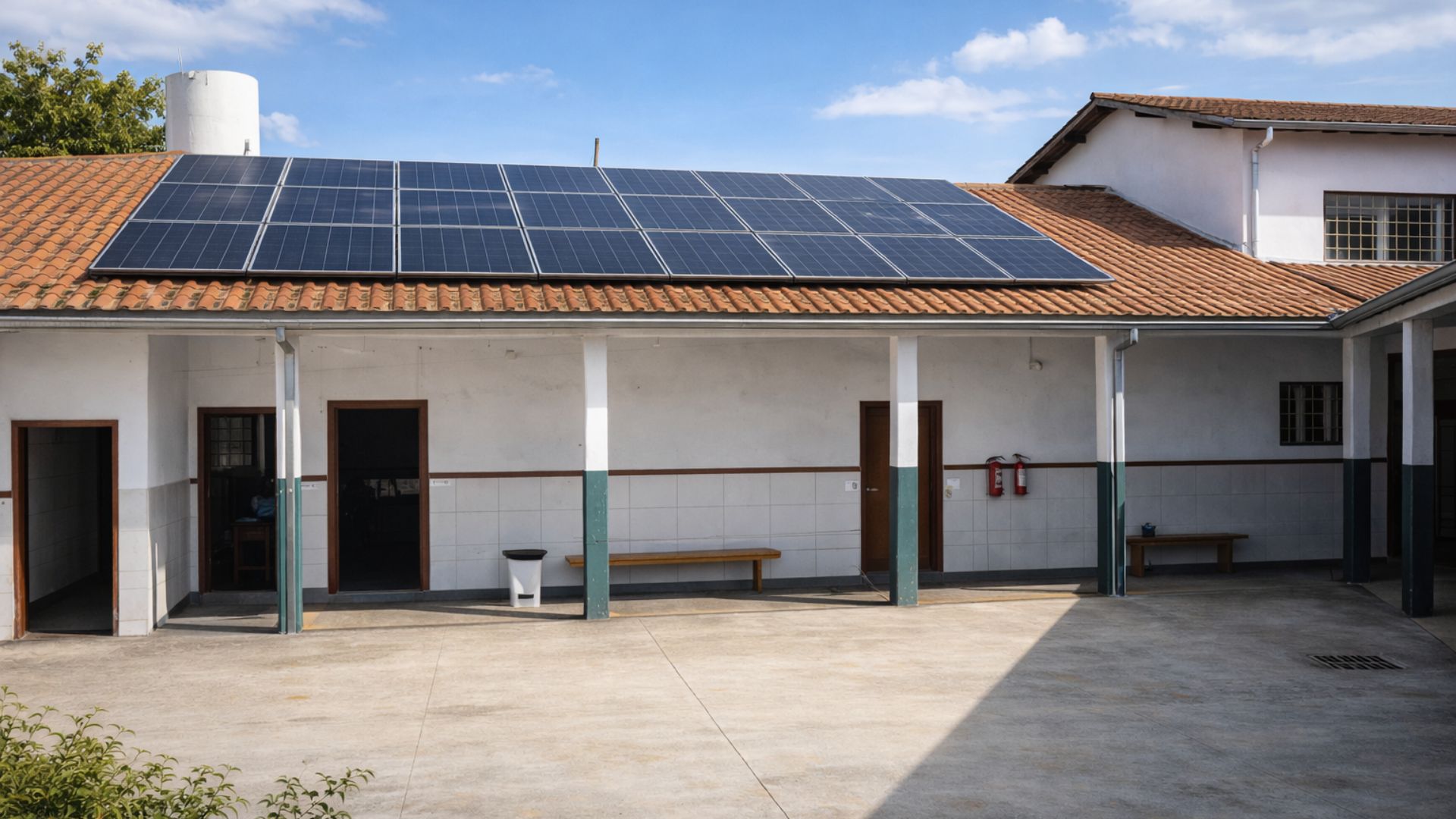
Copel boosts solar energy in Paraná and brings innovation to public schools, promoting savings on electricity bills, energy efficiency, and a direct impact on the quality of education.
“The equipment includes systems for retaining sludge generated during water treatment, preventing direct disposal into the soil or waterways,” details the engineer.
Furthermore, the works are planned to preserve water sources and minimize any negative interference in local ecosystems, ensuring a model of sustainable infrastructure resilient to the Amazonian climate.
Community Fountains And Piped Water
The 50 communities served will benefit from two models of supply systems:
- Community Fountains in 11 municipalities, which will allow for collective and facilitated collection of drinking water.
- Direct Residential Supply in another six locations, with treated water reaching the taps of homes.
The service orders for Juruti and Óbidos were released in the first week of June, while the other contracts are in the bidding phase. The operation, when completed, will be able to guarantee quality of life and basic access to historically excluded communities.
Regional Development With Positive Environmental Impact
For the coordinator of Secir, Fernanda Paes, the actions not only address sanitation issues but represent hope and dignity.
“We will bring hope to every resident of these communities. People who have never had the opportunity to take a shower or use tap water will now have this basic right guaranteed,” she declared.
The Director of Urban and Rural Integration and Development, Frederico Mendes, reinforces that all initiatives of the Secretariat are designed to generate a positive impact on both people’s lives and the environment.
“The works are carried out with attention to the preservation of water sources and the sustainability of the surroundings,” explains Mendes.
Alignment With The Sanitation Law
The investments are in accordance with Law No. 14,026/2020, known as the Basic Sanitation Legal Framework, which sets targets for the expansion of the supply of drinking water and sanitation by 2033. The goal is clear: to ensure that 99% of the Brazilian population has access to treated water.
In Pará, where a large part of the population still lives in rural areas with precarious access to essential public services, this initiative represents a civilizational advance and directly contributes to reducing regional inequalities.
Solar Energy Model Is Replicable And A National Inspiration
The approach adopted in Pará — which combines clean technology, integrated management between municipalities and federal resources — can serve as a model for other states in the federation.
The application of solar-powered systems in hard-to-reach areas provides an effective and sustainable solution to chronic sanitation problems, especially in forested or semi-arid regions. In addition, it reduces the operational cost of systems in the long term, making the service financially viable even in smaller communities.
Water, Citizenship, And Sustainability
The delivery of the systems marks an important step not only for access to water but for the consolidation of fundamental human rights. Drinking water is life, health, education, and dignity. When this access is achieved sustainably, with environmental care, the benefits multiply for future generations.
With the implementation of the systems in western Pará, the State of Pará advances as a reference in integrated public policies for sustainable infrastructure, respecting the Amazon biome and serving the population with modern, inclusive, and environmentally responsible solutions.







Seja o primeiro a reagir!