





 English
  Francês
  Alemão
  Italiano
  Japonês
  Norueguês
  Portuguese
  Spanish
 3 min of reading


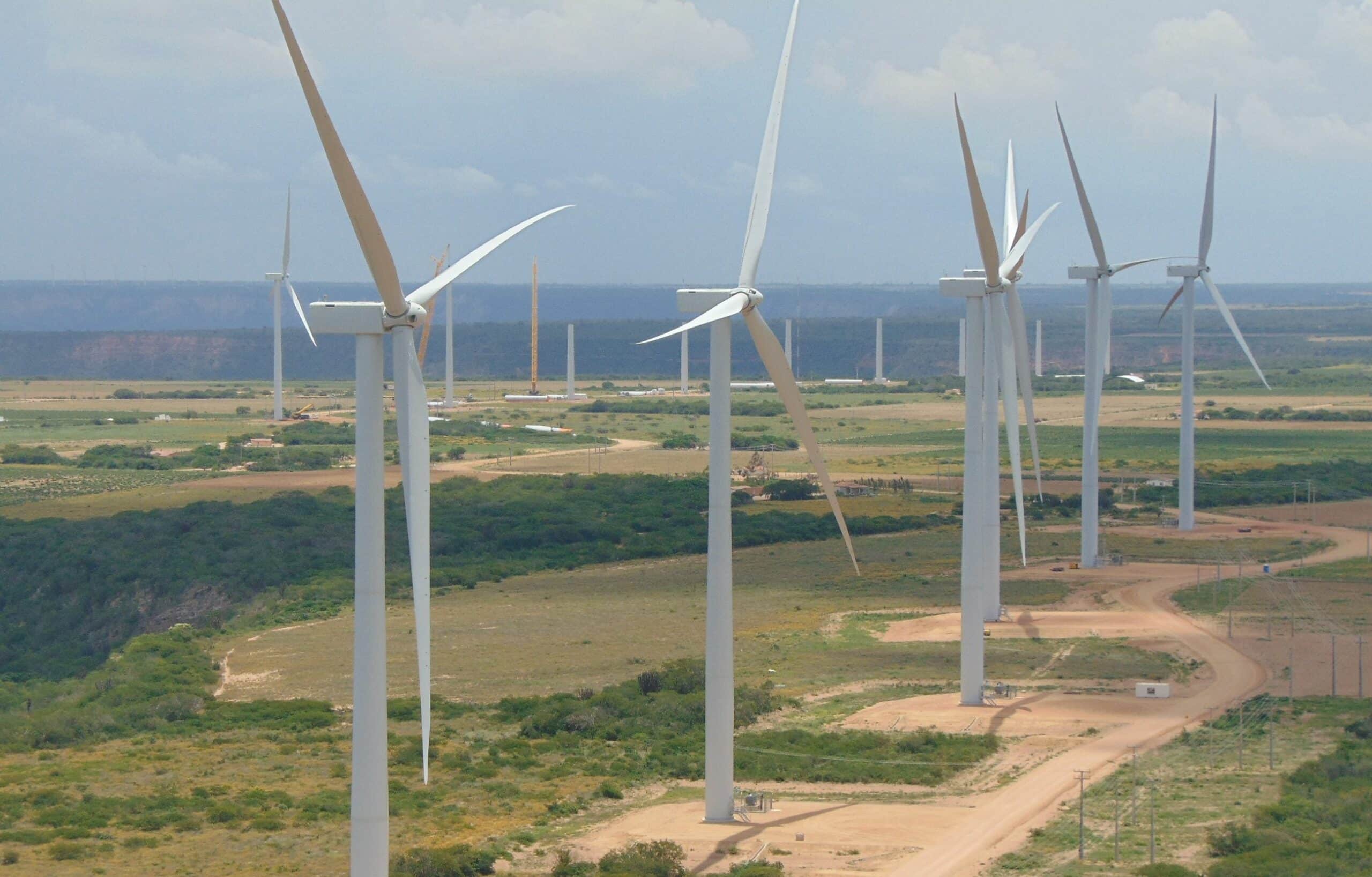
One of these renewable energy projects is the Rio do Vento complex in Rio Grande do Norte, with investments totaling R$ 2.4 billion
The idea of a “greener” world has been well embraced by the current generation, especially by large companies from different sectors. Proof of this can be seen in the recent billions invested by major consumers in wind and solar complexes in an attempt to become self-producers or at least meet part of their total consumption. This group includes companies such as Anglo American, Vale, Tivit, Vulcabrás, Honda, among others.
Check Out Other News of the Day:
- Billion-dollar Investment Will Allow the Construction of 20 Solar Energy Parks in Minas Gerais This Year
- Installation of Pipes and Submarine Structures Is the Theme of the Inaugural Class of the Professional Master’s Program in Structural Projects at Poli-UFRJ
- Aiming for More Petrobras Contracts, Ocyan Wants to Build and Operate More Oil Platforms Focused on Pre-salt
Previously dormant projects are being discussed again in order to achieve self-production of energy. According to Mário Menel, president of ABIAPE (Brazilian Association of Investors in Energy Self-Production), “Due to international pressure against power plants, investors stepped back. Now they are moving, especially, towards wind energy.”
The company that designs and builds one-third of Brazil’s wind energy projects, Casa dos Ventos, has been creating differentiated projects for a variety of companies.
-
With 160,000 m² of collectors, an area larger than 20 football fields, Silkeborg, in Denmark, hosts a solar thermal plant that heats 19,500 homes and could become the largest solar heating plant in the world.

-
A study reveals the expansion of renewable energy procurement in Brazil and shows how companies are taking advantage of opportunities to reduce expenses, ensure energy efficiency, and strengthen strategic environmental commitments.

-
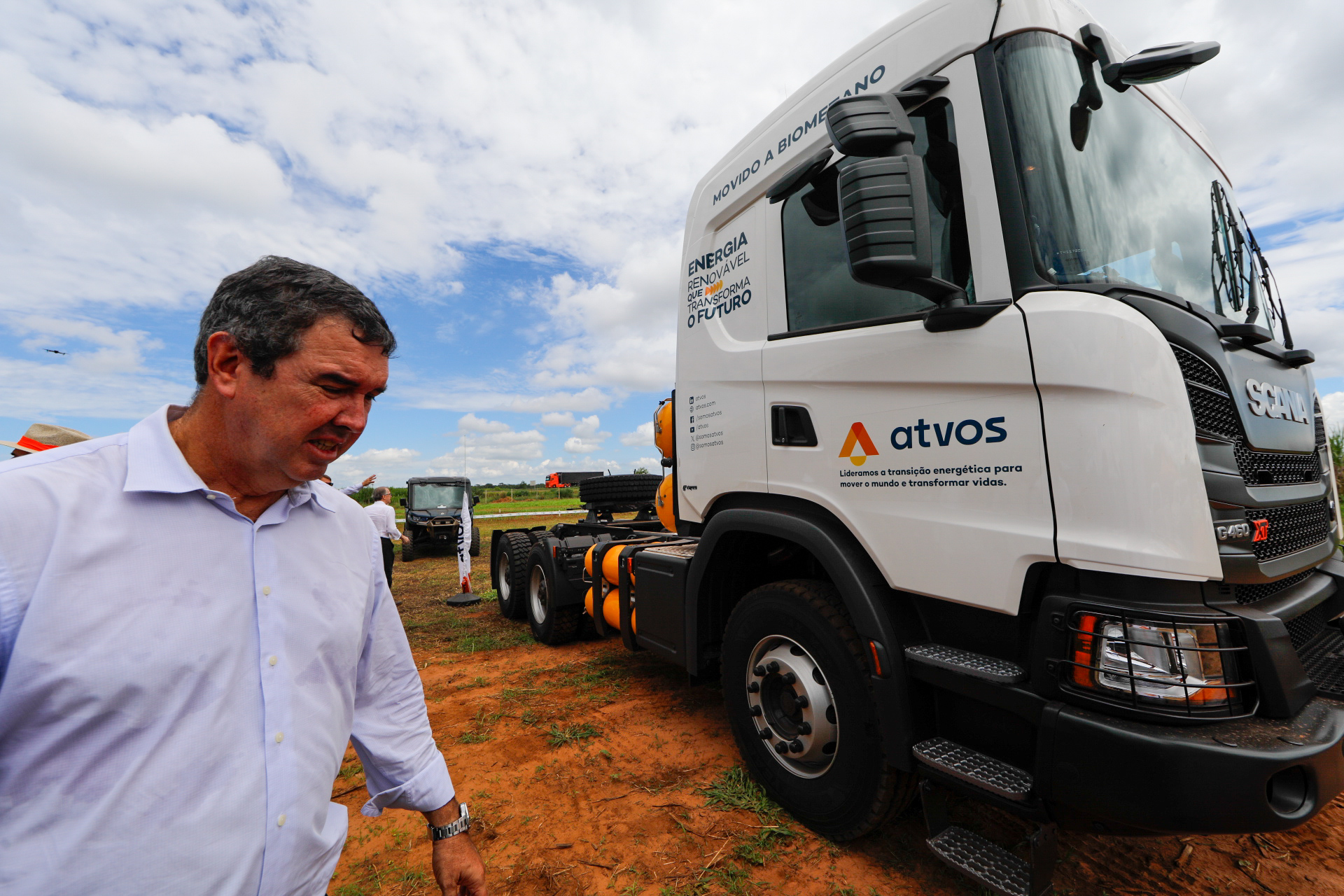
Mato Grosso do Sul excels in the sugar-energy sector: the state reaches a milestone of 22 operating mills and accelerates the production of clean energy in MS with a focus on sustainability.
-
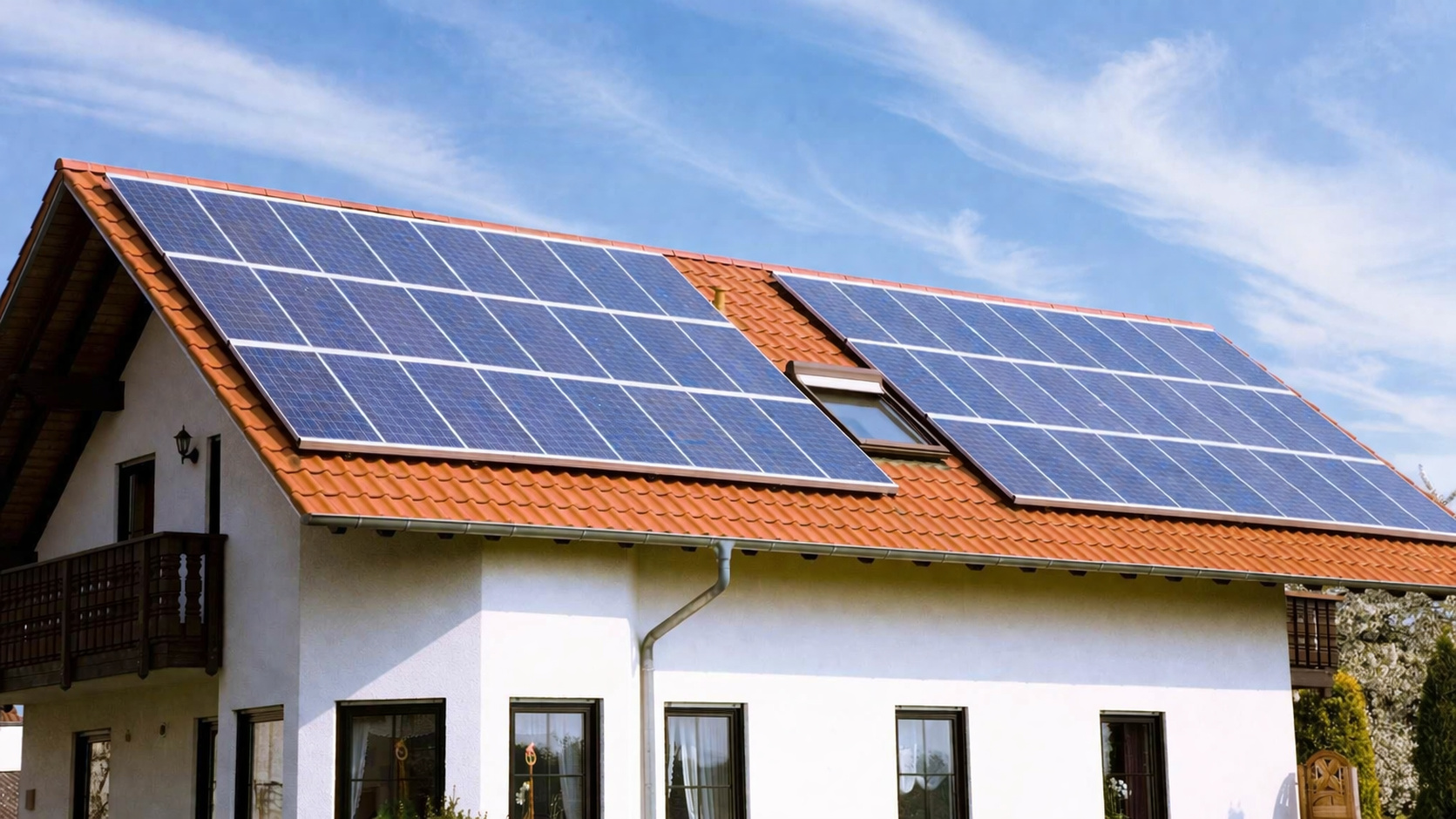
National energy dilemma: Brazilians support clean energy but reject increases in tariff costs to finance the sustainable transition.

First, they signed a contract with the company to explore a specific potential for wind energy. After the project’s completion, it can choose to become a shareholder and thus become a self-producer. Lucas Araripe, the director of new business at Casa dos Ventos, said: “There is a growing trend towards wind energy both from an economic perspective and a green agenda perspective.”
Billion-dollar Contracts
The agreement being signed is for the Rio do Vento complex (504 MW) located in Rio Grande do Norte, with a total investment of R$ 2.4 billion. The project is divided into eight Special Purpose Companies (SPC) – one wind farm per dedicated company, to allow a larger number of companies in the same project.
The company developed another project of 350 MW in Bahia and plans to expand Rio do Vento (500 MW), also aiming for long-term contracts with the company.
Of the eight wind farms in Rio do Vento, three are contracted by the mining company Anglo American. Alfredo Duarte, global energy and utilities manager at the multinational, reported that, “This is the group’s first self-production experience in the world.” He explained that energy is a significant cost factor for the company. In nickel production, the cost is 30%, while for iron ore it is 20%.
Therefore, the group decided to develop an innovative energy management strategy. According to Alfredo, by 2022, a total of 70% of the energy that the multinational will consume will come from solar and wind energy. This should help Anglo American reach its global target of reducing carbon emissions by 30% by 2030, says Duarte.
Another company that also signed a contract with Casa dos Ventos to become a self-producer was Vulcabrás Azaleia, which embraced the combination of sustainability and cost.
Luiz Otávio, QSMS manager at Vulcabrás Azaleia, said that an average of 7 MW contracts will meet 99% of the company’s consumption, reduce the electricity bill by 25%, and cut emissions by 27,000 tons of carbon dioxide (CO2) each year. According to him, sustainable projects also bring positive financial results.
In the case of the Japanese automobile manufacturer Honda, the main goal of deciding to build a wind farm in Rio Grande do Sul is to fulfill the decision of the company’s global president, who initially set a target to reduce carbon dioxide emissions by 30% by 2030 (with a 50% increase by 2050).
According to him, after much analysis, it was determined that wind energy would be the most viable option to achieve the goal. The company built the Xangri-lá park, with 27 MW, to supply energy to the automobile factories and offices. With the new unit in Itirapina, SP, the automaker decided to expand the park and add another tower of 3.8 MW.






Seja o primeiro a reagir!