





 Portuguese
  English
  Spanish
  5 min of reading
  0 comments


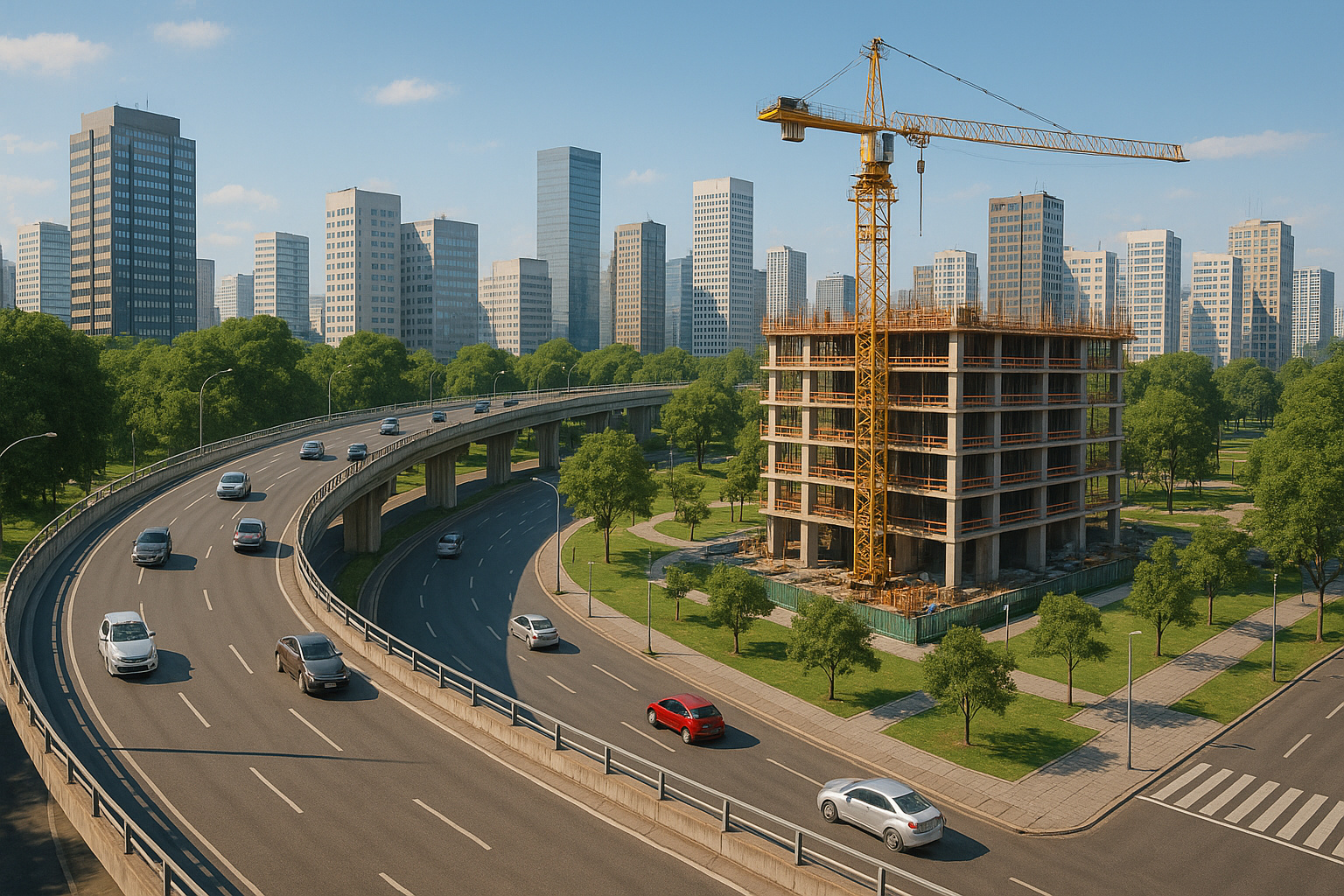
Understand How Urban Infrastructure Projects Shape City Growth, Improve Quality of Life, and Drive Sustainable Development.
Urban infrastructure projects undoubtedly play a fundamental role in the development and quality of life in cities.
From the earliest human settlements to the large urban centers we know today, the organization of spaces, the creation of roads, supply networks, and public structures have always ensured the functioning of society.
Thus, infrastructure serves as the foundation for social, economic, and cultural activities to develop in an orderly and efficient manner.
-
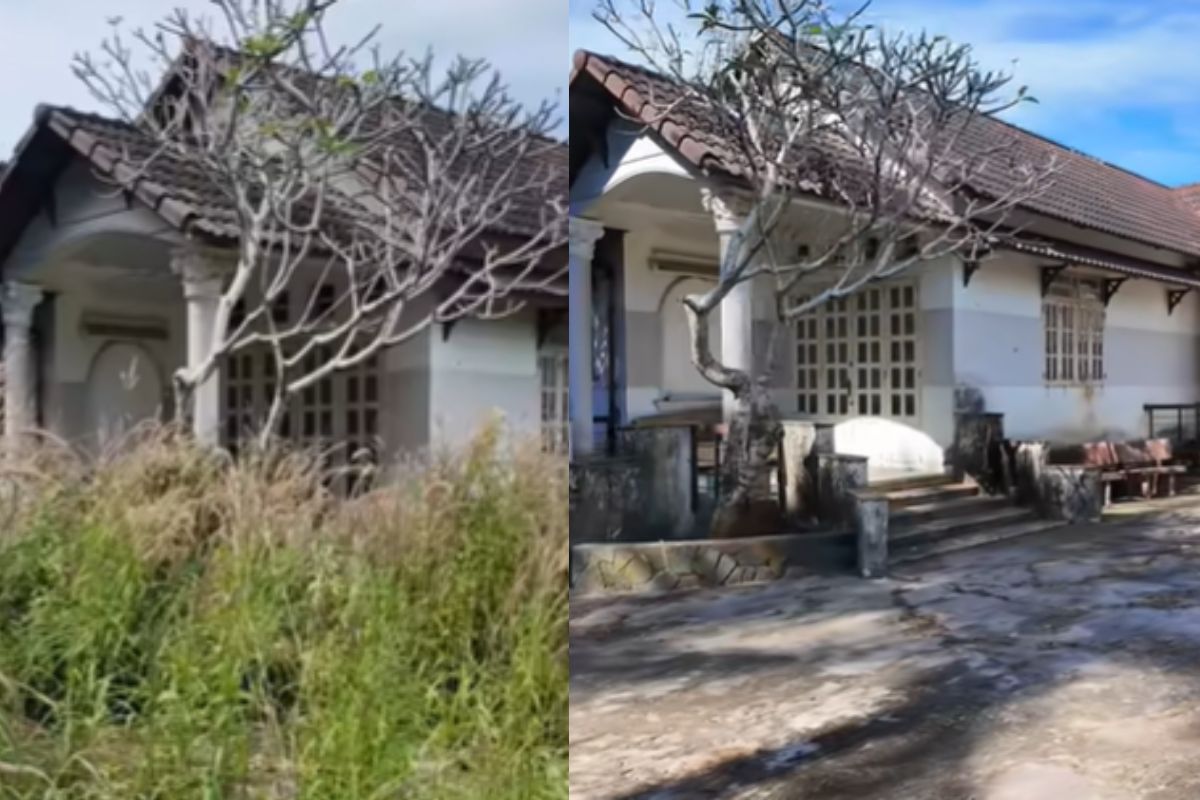
Abandoned house for 15 years disappears in the woods, shocks owner with unrecognizable scenery and is reborn in an intense transformation after almost 90 hours of work in just 10 days.
-
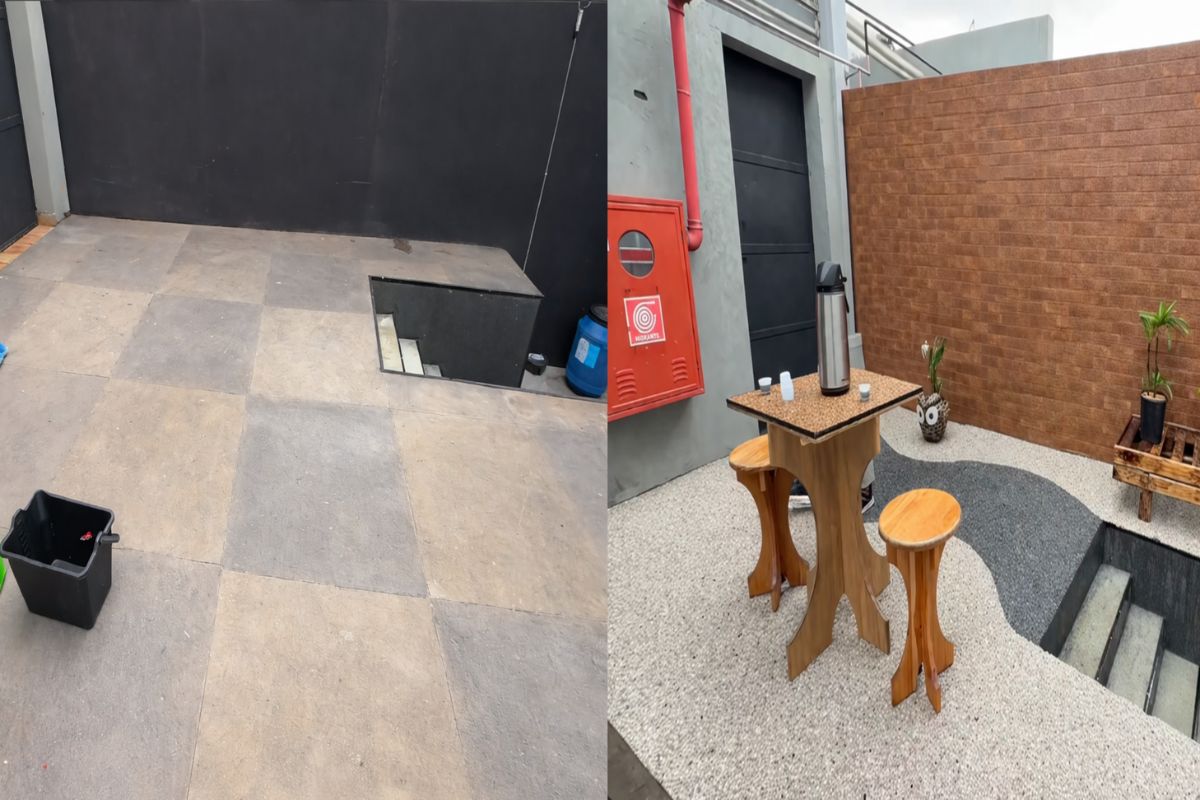
In just three hours, a natural stone floor transforms the entrance of the house with an organic effect, immediate drainage, and a sophisticated non-slip finish that doesn’t puddle water, dries quickly, and impresses with the final result.
-
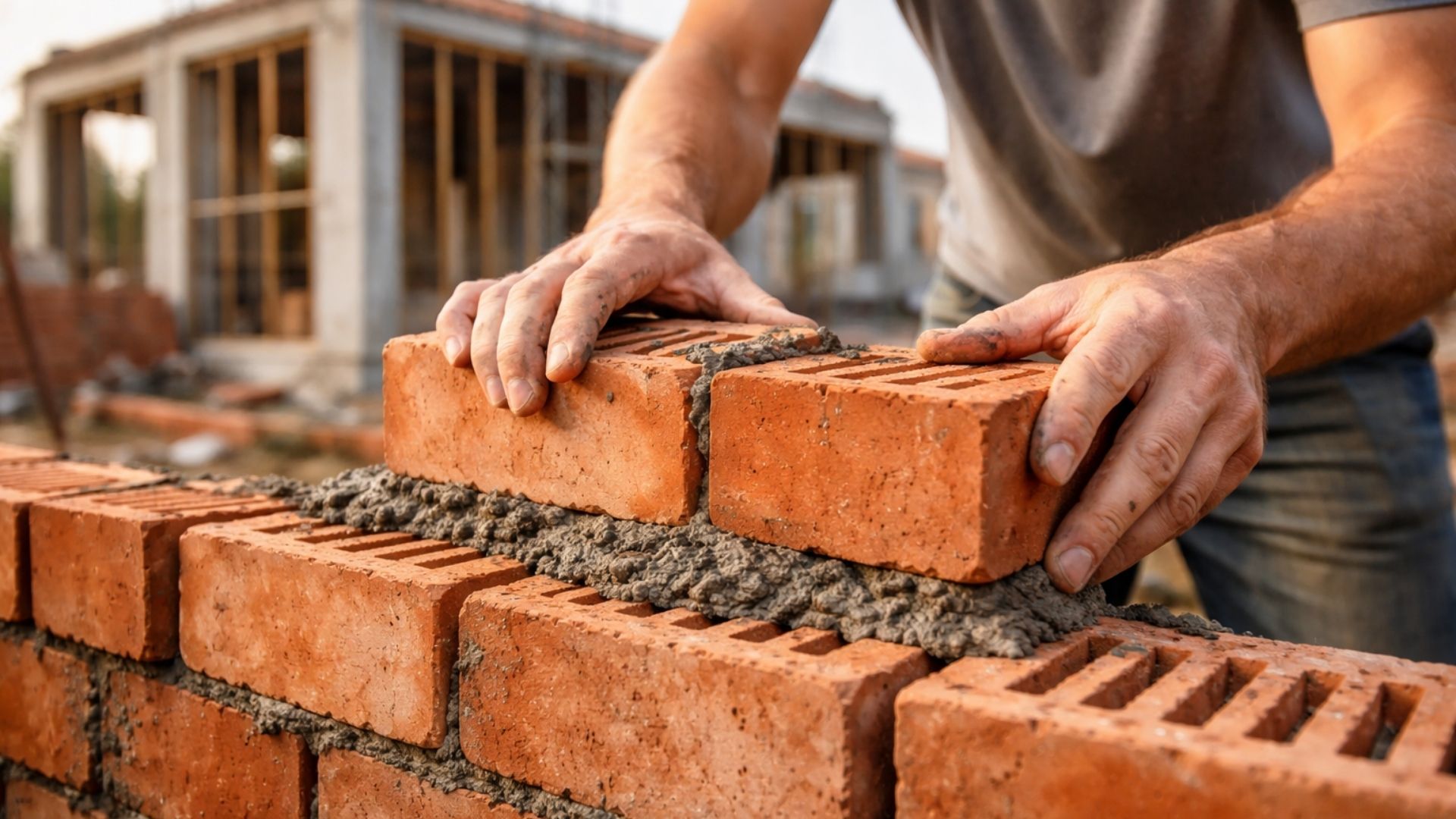
‘Interlocking brick’ made of earth arrives in the construction industry with cost reductions of up to 40% on the project.
-
Espírito Santo will receive the largest engineering project in its history with the duplication of BR 262, which will have 50 viaducts, 28 bridges, and 2-kilometer tunnels cutting through the most challenging mountainous region of the entire state.


Historically, empires like the Roman and Egyptian already recognized the importance of infrastructure to expand and control their territories.
As reported by the Roman historian Titus Livius, the Romans built extensive roads, aqueducts, and sewage systems that connected distant regions and advanced urban life.
Therefore, these are some of the first examples of conscious urban planning, which facilitated the movement of troops and commerce, as well as promoting public health by ensuring sanitation.
According to the Brazilian Institute of Geography and Statistics (IBGE), rapid urbanization in Brazil began to gain momentum in the 19th century, with the Industrial Revolution.
This process radically transformed the profile of cities and increased the demand for adequate infrastructure, such as transportation and sanitation.
With the intense urban growth following the Industrial Revolution, there arose a need for structured projects to meet the complex demands of emerging metropolises.
The Ministry of Regional Development (MDR) reports that since the 1930s, Brazil has initiated the preparation of the first official urban plans, focusing on sanitation and mobility, consolidating a technical planning model.
Areas Covered by Urban Infrastructure Projects
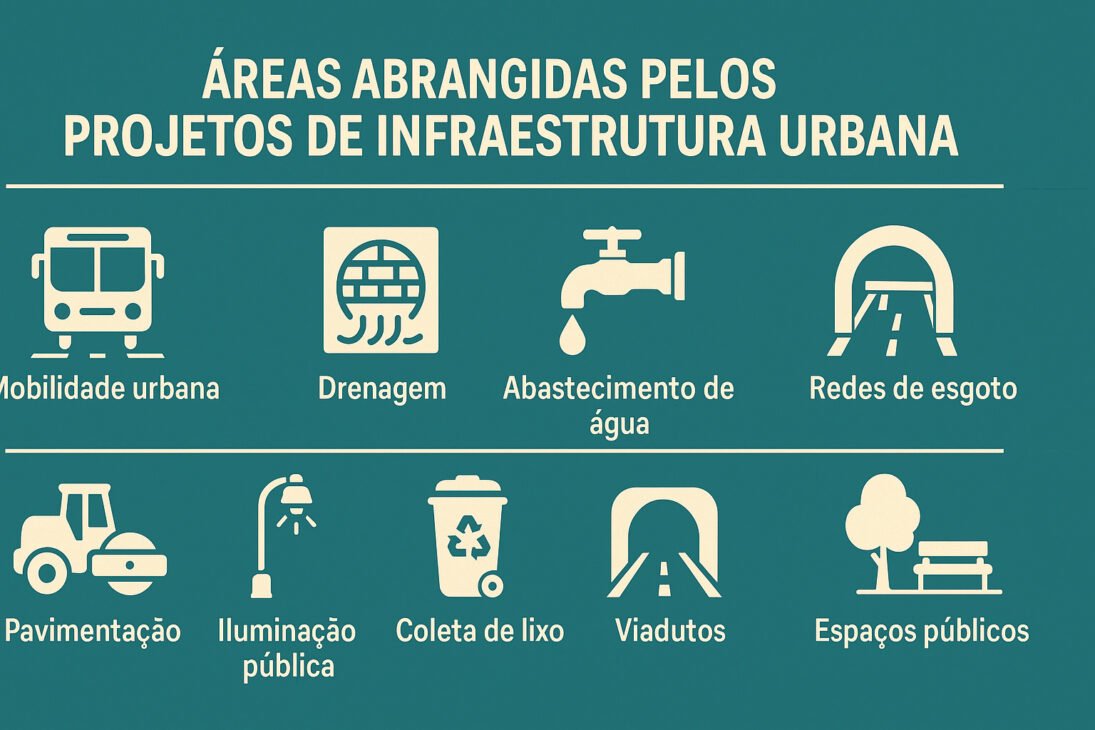
Currently, these projects cover diverse areas, such as urban mobility, drainage, water supply, sewage networks, paving, public lighting, waste collection, telecommunications, construction of viaducts, tunnels, and public spaces like squares and parks.
Therefore, civil engineers, urban architects, public managers, and sustainability experts work integratively.
Although each area has its specificities, they all relate directly — after all, an efficient transportation system depends on paved roads and adequate public safety.
According to the 2020 São Paulo Urban Master Plan, the initial diagnosis considers population density, land use, topography, climate conditions, and social indicators, such as vulnerability indexes.
With this information, solutions are proposed to meet current needs and prepare the city for future growth. Thus, planning prevents disorderly growth and insufficient works.
An outstanding example is investment in public transport.
According to the Institute of Applied Economic Research (IPEA), since the 2000s, integrated systems of subways, buses, and bike lanes promote democratic mobility, reduce traffic and pollution.
Cities like Curitiba exemplify this integration and the positive impact on urban development.
In addition to circulation, these projects promote social inclusion by facilitating the movement of people from various social classes for work, study, and leisure.
Basic Sanitation and Green Infrastructure
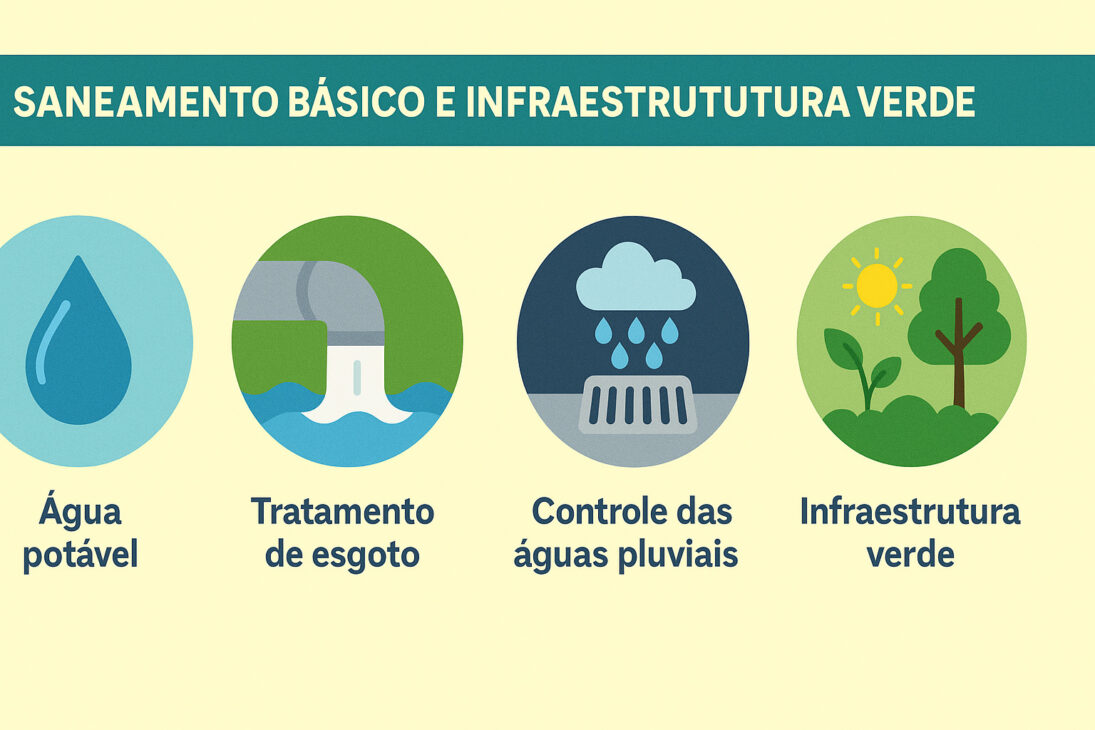
The basic sanitation remains an essential area of urban projects.
The World Health Organization (WHO) emphasizes that access to drinking water, sewage treatment, and stormwater control are indispensable for global public health.
Their absence favors the proliferation of diseases, environmental contamination, and severe impacts.
Therefore, governments prioritize treatment stations, distribution networks, and drainage systems, as provided for in municipal plans, to ensure dignity and health for the population.
In recent years, so-called green infrastructure has gained importance.
It combines urban development with environmental preservation, incorporating treed leisure areas, ecological corridors, rain gardens, and green roofs.
Cities like Copenhagen and Singapore demonstrate, according to a report by the World Bank (2021), that it is possible to balance growth and sustainability. These solutions mitigate the effects of excess concrete and asphalt, improve air quality, and create spaces for social interaction.
The projects also address social and economic aspects. Many works seek inclusion, reduction of inequalities, and stimulation of the local economy in peripheral regions.
When a neighborhood receives improvements such as public lighting and transportation stations, it appreciates, attracts investment, and offers better conditions for residents.
This dynamic contributes to reducing “urban apartheid” and promoting social justice, according to studies by the Metropolitan Observatory (2019).
Challenges in Brazil and the Importance of Planning
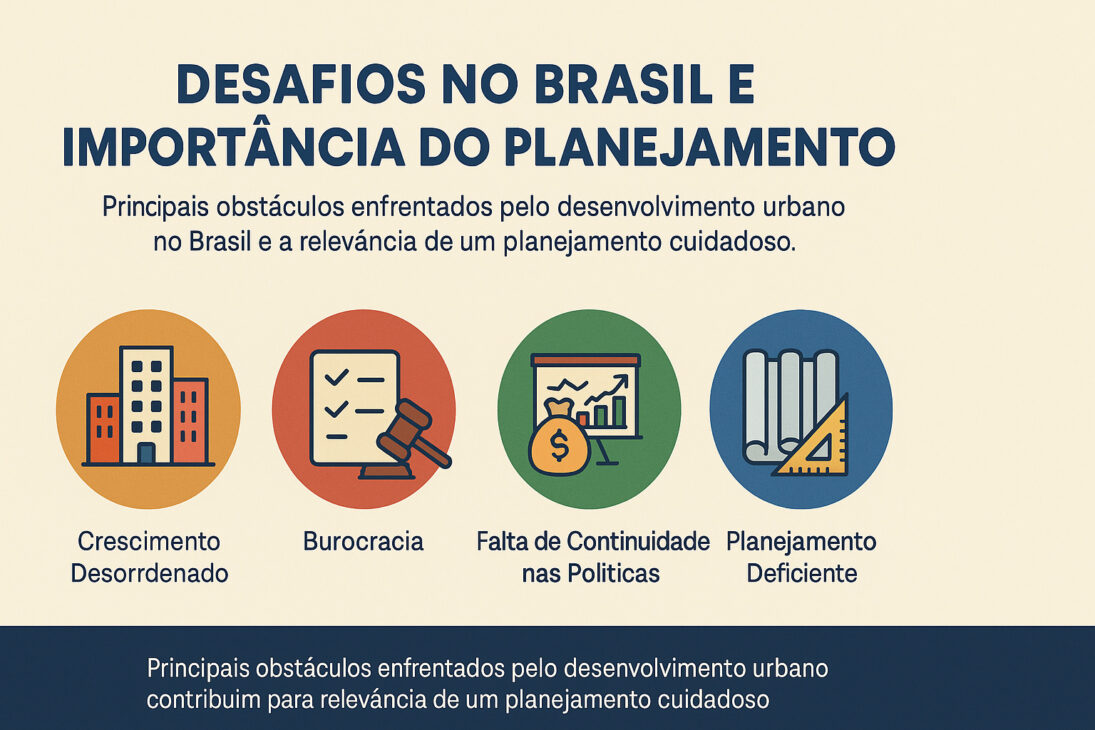
In Brazil, the challenges are notorious. Many areas still lack basic sanitation, efficient mobility, or adequate public spaces.
Disordered growth, combined with bureaucracy and lack of continuity in public policies, hinders the implementation of lasting projects.
According to the Ministry of Regional Development, the Growth Acceleration Program (PAC), launched in 2007, attempted to fill these gaps through large structural works.
Despite this, the country needs to continuously invest in technical training and transparency to optimize public resources.
Execution requires detailed planning, adequate budgeting, licensing, and rigorous technical follow-up.
Poorly planned or unstudied works lead to waste and do not solve the problems.
Therefore, engineers, architects, and urban managers have a vital role. In addition, community participation in planning helps identify real demands and gain acceptance for projects.
With technological advancements, cities are adopting modern tools to improve management and planning.
Sensors, big data, georeferencing, and digital platforms facilitate data collection, monitor the efficiency of structures, and expand access to services.
The Ministry of Cities reports that in the last five years, these technologies have strengthened urban management in various Brazilian regions.
This movement favors the concept of smart cities, which operate integrated, connected, and sustainable.
These technologies assist in the prevention of floods, congestion, and improve urban resilience.
The Importance of Projects for the Future of Cities
Urban infrastructure projects continue to be the foundation for sustainable growth and quality.
They connect neighborhoods, ensure safety, promote health, encourage leisure, and strengthen the local economy.
Without these structures, living in functional and just cities would be unfeasible.
Through them, we circulate, work, study, rest, and coexist harmoniously with the environment.
Understanding what they are, how they work, and their relevance is fundamental for every citizen, as their decisions impact everyone.
When walking on a safe sidewalk, using public transport, turning on a tap, or strolling through a well-maintained square, we directly interact with the results of these projects.
Investing in them is not just about seeking economic development or modernization. It is to assume a commitment to the well-being of people and the future of cities.
The construction of efficient, accessible, and sustainable urban environments depends on these works that transform space and improve the lives of inhabitants.











-

Uma pessoa reagiu a isso.