





 Portuguese
  English
  Spanish
  5 min of reading
  0 comments


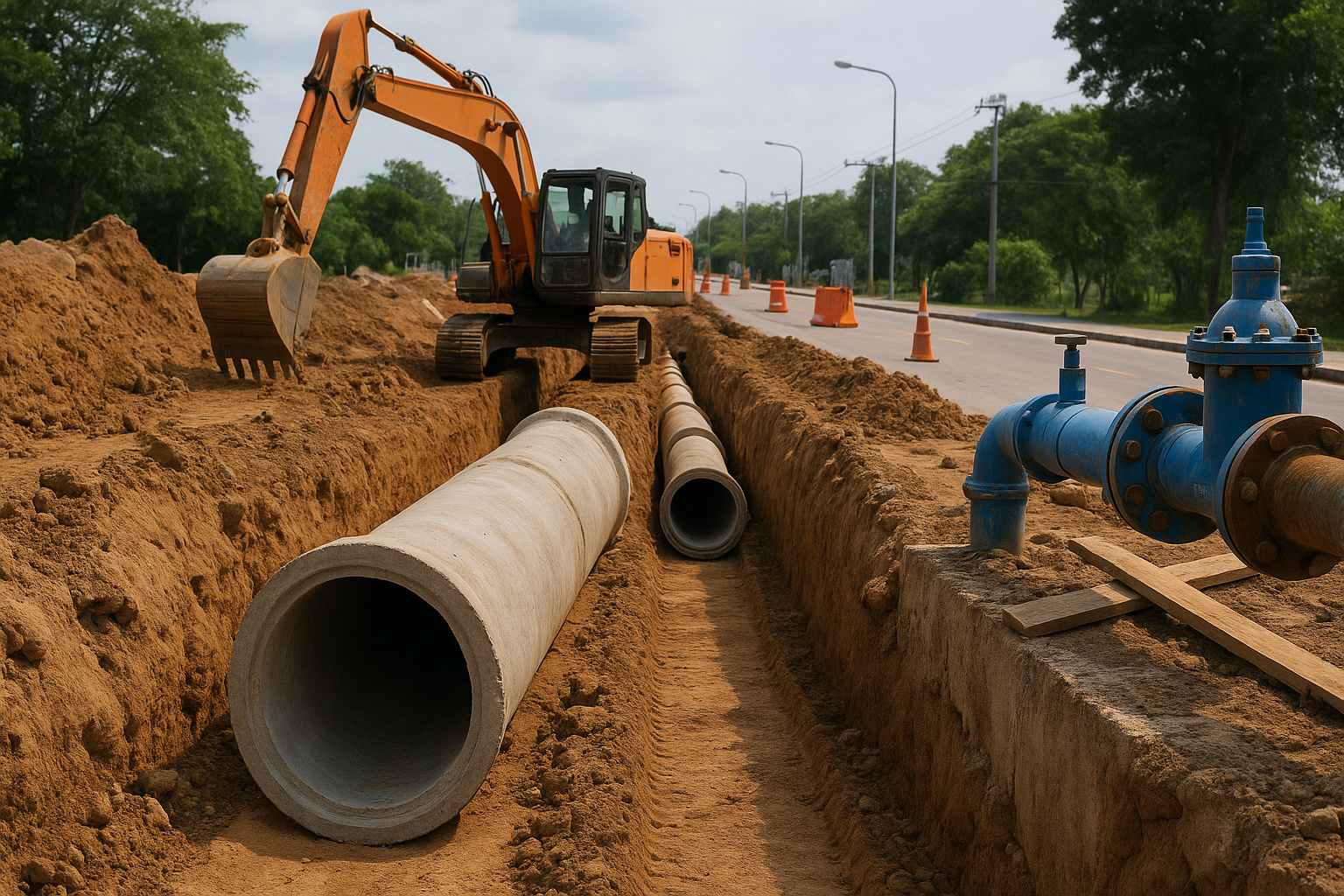
Discover How Basic Sanitation Projects Impact Health, The Environment, And The Development Of Cities With Effective And Sustainable Solutions.
Basic sanitation projects play a fundamental role in improving the quality of life of populations and in the sustainable development of cities.
Although they often go unnoticed by a large part of the population, they ensure access to drinking water, sewage collection and treatment, solid waste management, and urban drainage, which are essential services for public health and collective well-being.
Moreover, these systems enable organized growth of cities, preventing environmental contamination and promoting ecological balance.
-
Abandoned house for 15 years disappears in the woods, shocks owner with unrecognizable scenery and is reborn in an intense transformation after almost 90 hours of work in just 10 days.

-
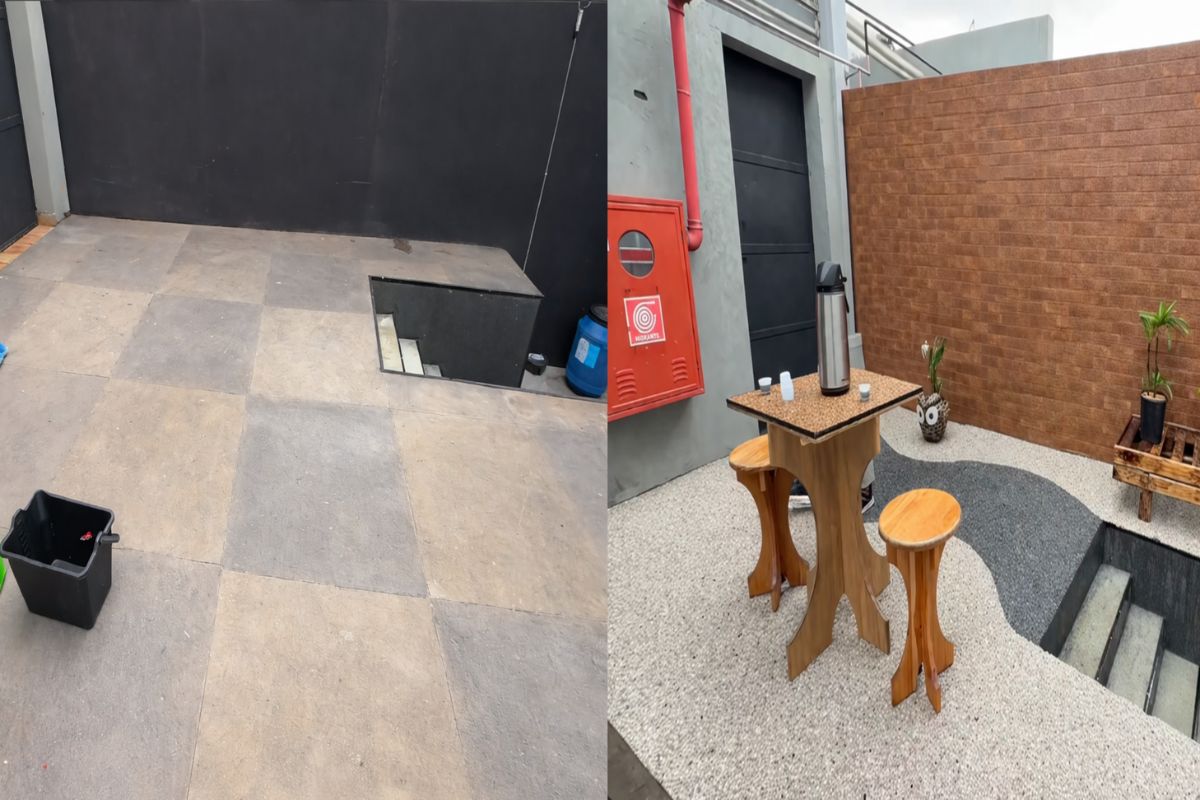
In just three hours, a natural stone floor transforms the entrance of the house with an organic effect, immediate drainage, and a sophisticated non-slip finish that doesn’t puddle water, dries quickly, and impresses with the final result.
-
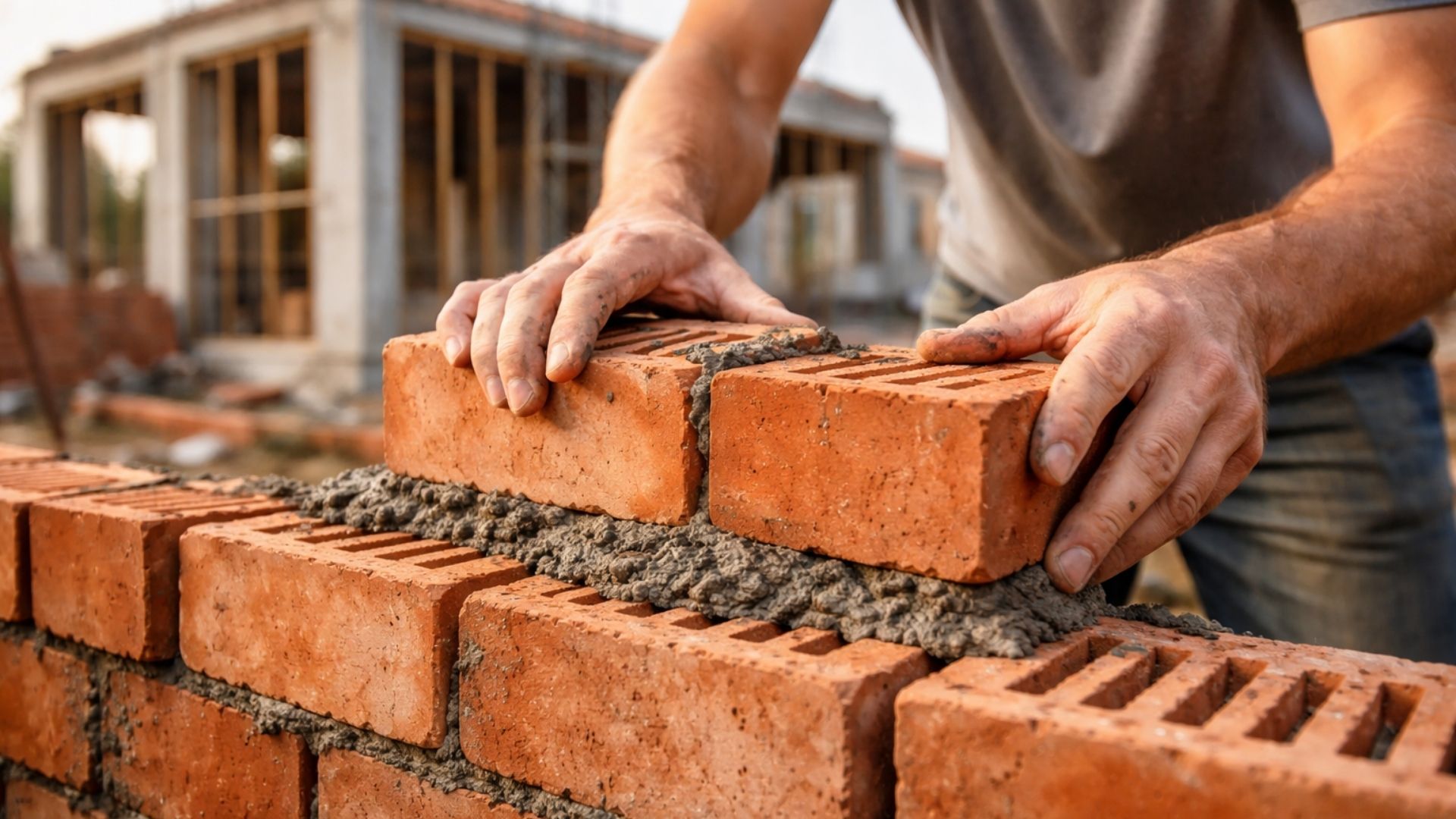
‘Interlocking brick’ made of earth arrives in the construction industry with cost reductions of up to 40% on the project.
-
Espírito Santo will receive the largest engineering project in its history with the duplication of BR 262, which will have 50 viaducts, 28 bridges, and 2-kilometer tunnels cutting through the most challenging mountainous region of the entire state.


Historically, ancient civilizations such as those in Egypt, Greece, and Rome built rudimentary systems for water supply and wastewater disposal.
According to the Brazilian Institute of Geography and Statistics (IBGE), it was only in the 19th century, with the rapid growth of cities and the outbreaks of diseases such as cholera and typhoid fever, that sanitation began to be recognized as an essential public policy.
According to the IBGE, this period marked an advance in sanitary engineering and social medicine, which began to drive public policies focused on urban sanitation.
Initially, these policies emerged in industrialized European countries and were later adopted by Latin American countries like Brazil.
Therefore, it becomes evident, according to official data, the direct relationship between public health, infrastructure, and proper urban planning.
The Evolution Of Basic Sanitation Projects In Brazil
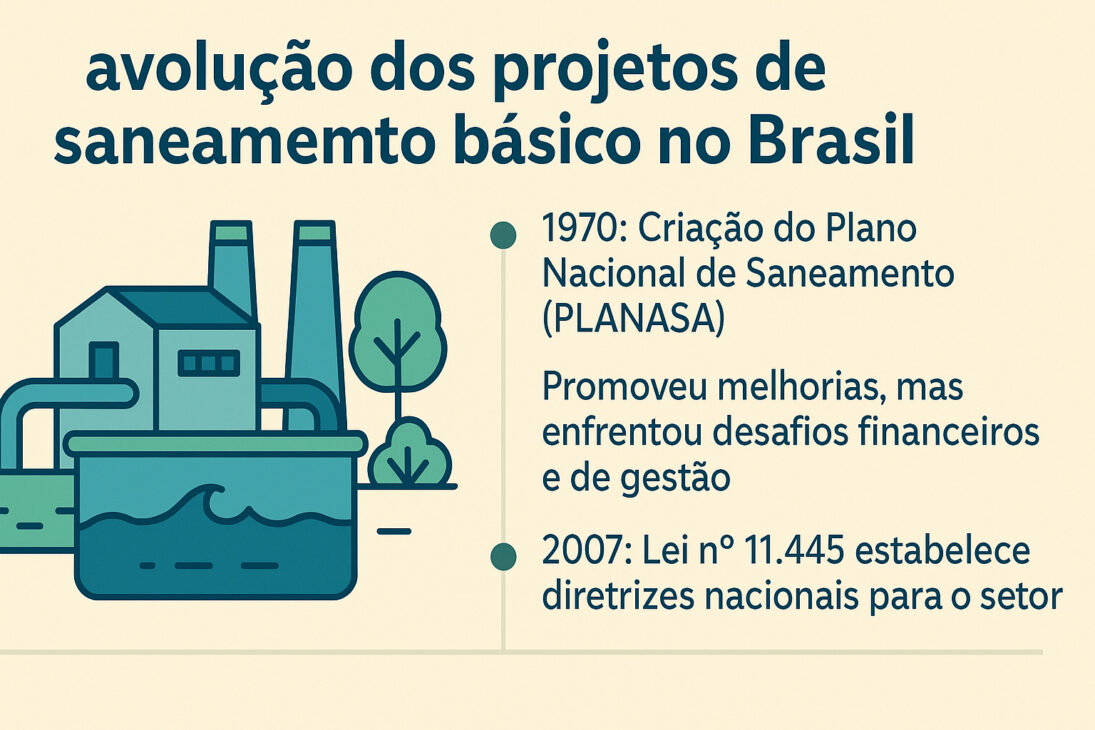
In Brazil, basic sanitation projects have gone through different phases.
According to the Ministry of Regional Development (MDR), the 1970s were an important milestone with the creation of the National Sanitation Plan (PLANASA) in 1971. This plan aimed to extend access to water and sewage in urban areas through state investments.
As explained by the MDR, the enactment of Law No. 11.445 in 2007 represented a new moment for Brazilian basic sanitation.
This legislation established national guidelines for the sector, clearly defining the concept of sanitation and instituting principles such as universal access, social participation, and quality control of services.
This new guidance, according to the MDR, encouraged municipalities to develop their own sanitation plans and seek solutions adapted to local realities, especially in rural areas and vulnerable communities.
Thus, decentralization made it possible for smaller, often forgotten locations to receive greater attention and investments.
Basic sanitation projects involve not only civil engineering works. They also require urban planning, efficient management of natural resources, and environmental education strategies.
To achieve this, technical teams conduct detailed diagnostics of local conditions, develop technical studies, secure financial resources, execute the works, and maintain the implemented systems.
According to the Instituto Trata Brasil, this mobilization involves professionals such as engineers, biologists, geographers, architects, public managers, and the community itself.
For this reason, Trata Brasil emphasizes that social participation is fundamental for the sustainability of projects, as it increases community awareness and promotes the proper use of resources.
Management Models And Impacts On Public Health
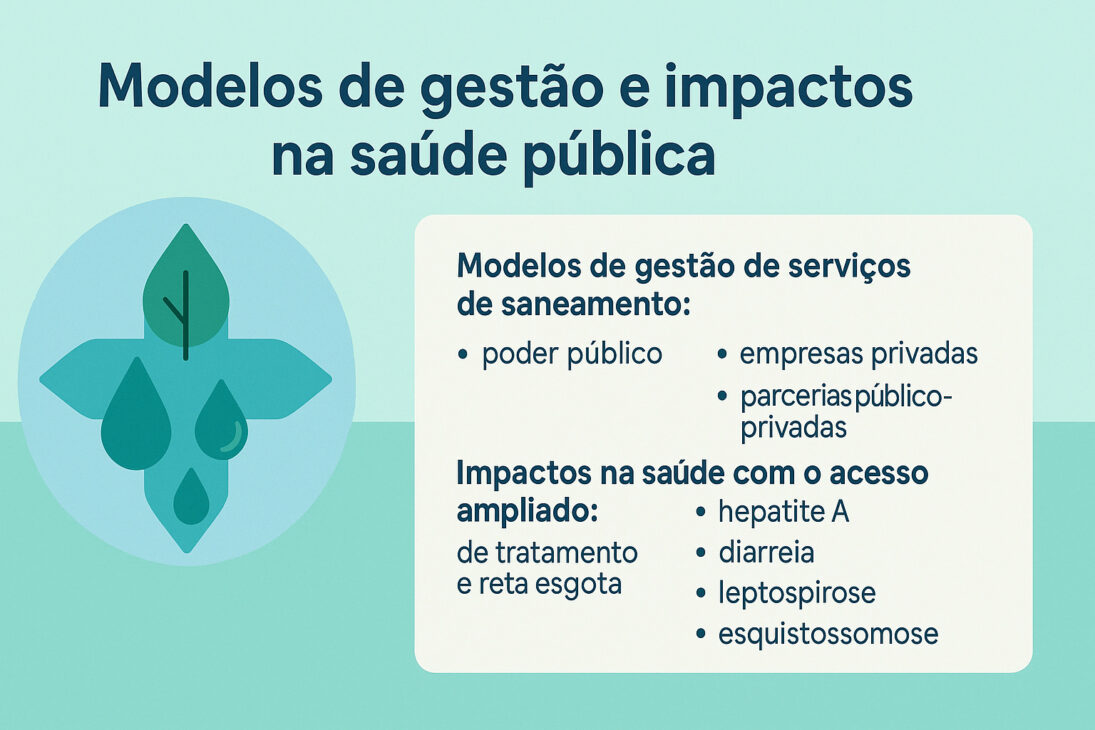
Sanitation services can be provided directly by the government, by private companies, or through public-private partnerships (PPPs).
The National Agency of Water and Basic Sanitation (ANA) notes that PPPs gained prominence in Brazil starting in 2010 as an alternative to facilitate large investments, particularly in cities with budget constraints.
However, the ANA warns that the success of these partnerships depends on clear contracts, strict oversight, and social control mechanisms that ensure public interest.
Basic sanitation projects have significant positive impacts on public health.
Increased access to treated water and sewage networks drastically reduces waterborne diseases, such as hepatitis A, diarrhea, leptospirosis, and schistosomiasis, according to data from the Ministry of Health.
Additionally, proper management of solid waste prevents soil and groundwater contamination, preserving the environment and food safety. Furthermore, efficient urban drainage prevents floods, landslides, and other natural disasters, protecting lives and property.
For this reason, these benefits go beyond immediate health, favoring the quality of life and socioeconomic development of communities, according to studies from the World Health Organization (WHO).
Basic Sanitation, Sustainability, And Human Rights
Today, marked by climate change and population growth, basic sanitation projects assume a strategic role.
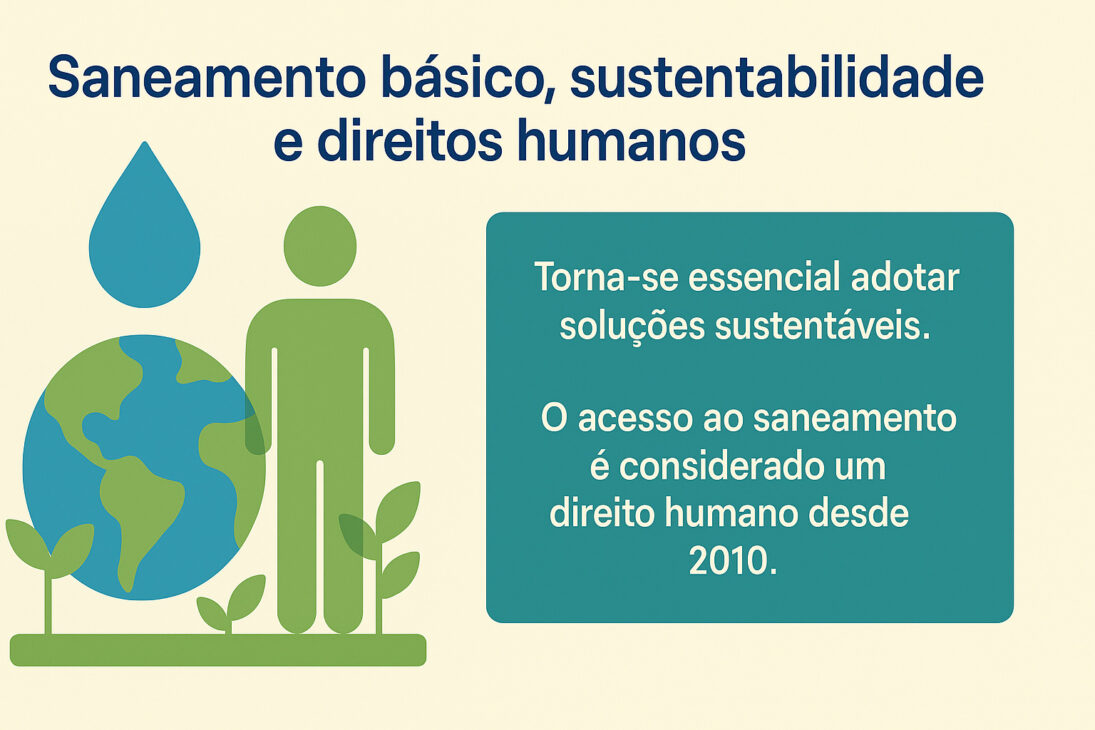
Therefore, according to the United Nations (UN), it is essential to adopt sustainable solutions, such as rainwater harvesting, the use of decentralized treatment technologies, and integration with housing and urban mobility policies.
According to the UN, solutions that consider the environment and social inclusion have a higher chance of becoming durable and efficient.
Additionally, the use of innovative technologies, such as compact systems and natural treatments, has been recommended for areas where traditional solutions face limitations.
Access to sanitation has been recognized as a human right by the UN since 2010. This reinforces the responsibility of governments to ensure that all people, regardless of social condition or geographic location, live in healthy environments.
Therefore, overcoming these inequalities requires committed public policies, long-term planning, and continuous investments.
The universalization of basic sanitation needs to be a permanent commitment to building a more just and equitable society.
The COVID-19 pandemic further highlighted the importance of basic sanitation for collective health.
According to the Ministry of Health, the simple act of washing hands with clean water and soap proved essential for disease prevention.
In areas where access to these resources was lacking, the vulnerability of populations significantly increased.
Thus, this scenario alerted governments and society to the urgency of accelerating sanitation projects and making these services universal.
Furthermore, the integration between public health, education, and infrastructure has proven to be a determining factor in addressing sanitary crises, according to guidelines from the Pan American Health Organization (PAHO).
The Importance Of Community Participation And Investment In Sanitation
Finally, active participation of the population stands out as a crucial factor for the success of basic sanitation projects.
Community engagement from diagnosis to the operation of the systems allows solutions to better fit local needs and strengthens a culture of care for the environment.
The Instituto Trata Brasil emphasizes that sanitary and environmental education must go hand in hand with engineering to ensure lasting transformations.
Well-informed and aware communities are more likely to collaborate in the maintenance and preservation of implemented systems.
Investing in basic sanitation means investing in dignity, health, and the future.
Well-executed projects bring social, environmental, and economic returns, strengthen citizenship, and contribute to fairer and more resilient cities.
Therefore, knowing, valuing, and demanding actions in this area is everyone’s duty.
Thus, basic sanitation consolidates itself as a fundamental pillar for sustainable development and a crucial indicator of the quality of life of populations.










Seja o primeiro a reagir!