





 English
  Francês
  Alemão
  Italiano
  Japonês
  Norueguês
  Portuguese
  Spanish
  4 min of reading


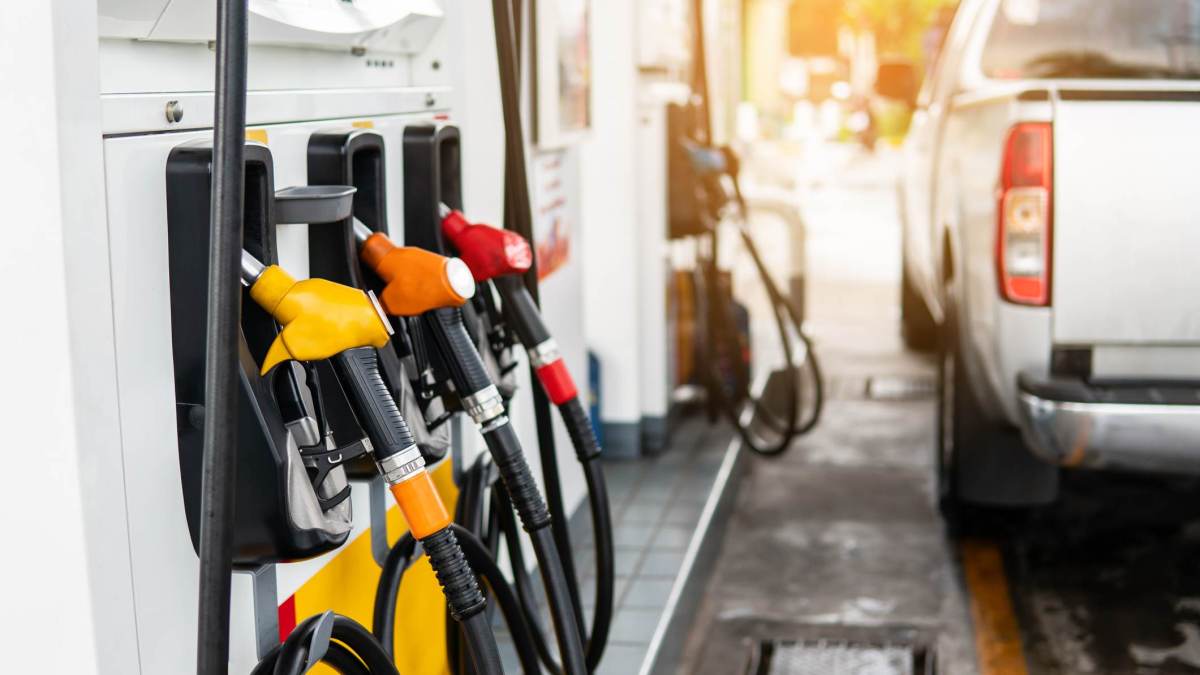
The Price of Fuels in Brazil Is Considered One of the Highest in the World. Moreover, the Adjustment of Prices Starting from the Refineries Is Constant, Directly Interfering with the Brazilian Consumer’s Budget.
In the hope of creating at least some stabilization or actually lowering the price of fuels in Brazil, four projects directly related to the prices of gasoline, ethanol, and diesel are in progress in the National Congress and are expected to be debated among senators and federal deputies in 2022.
See Also
- After New Increase in the Price of Gasoline and Diesel from Petrobras, State Secretaries Decide to End the ICMS Freeze on Fuels and Consumers Have Nowhere to Turn
- Private Refinery Mataripe Operated by Arab Acelen Sells Fuels More Expensive Than Petrobras, Causing the Price of Gasoline in Bahia to Be Higher Than the National Average
The projects addressing the reduction of fuel prices in Brazil are: two Proposed Amendments to the Constitution (PECs), one Complementary Law Project (PLP), and one Law Project (PL).
All these proposals being processed in the National Congress are created by senators and federal deputies. Some are already receiving attention from the Executive Branch, becoming the center of political debate.
-
Chinese giant worth nearly R$ 4 billion that manufactures cables for electric cars, solar energy, and robotics wants to open a factory in SC.
-
Many employers do not know, but the law guarantees domestic workers a 25% increase in salary during trips, 50% for overtime, 20% for night shifts, and 17 additional benefits that can lead to labor lawsuits if not paid.

-
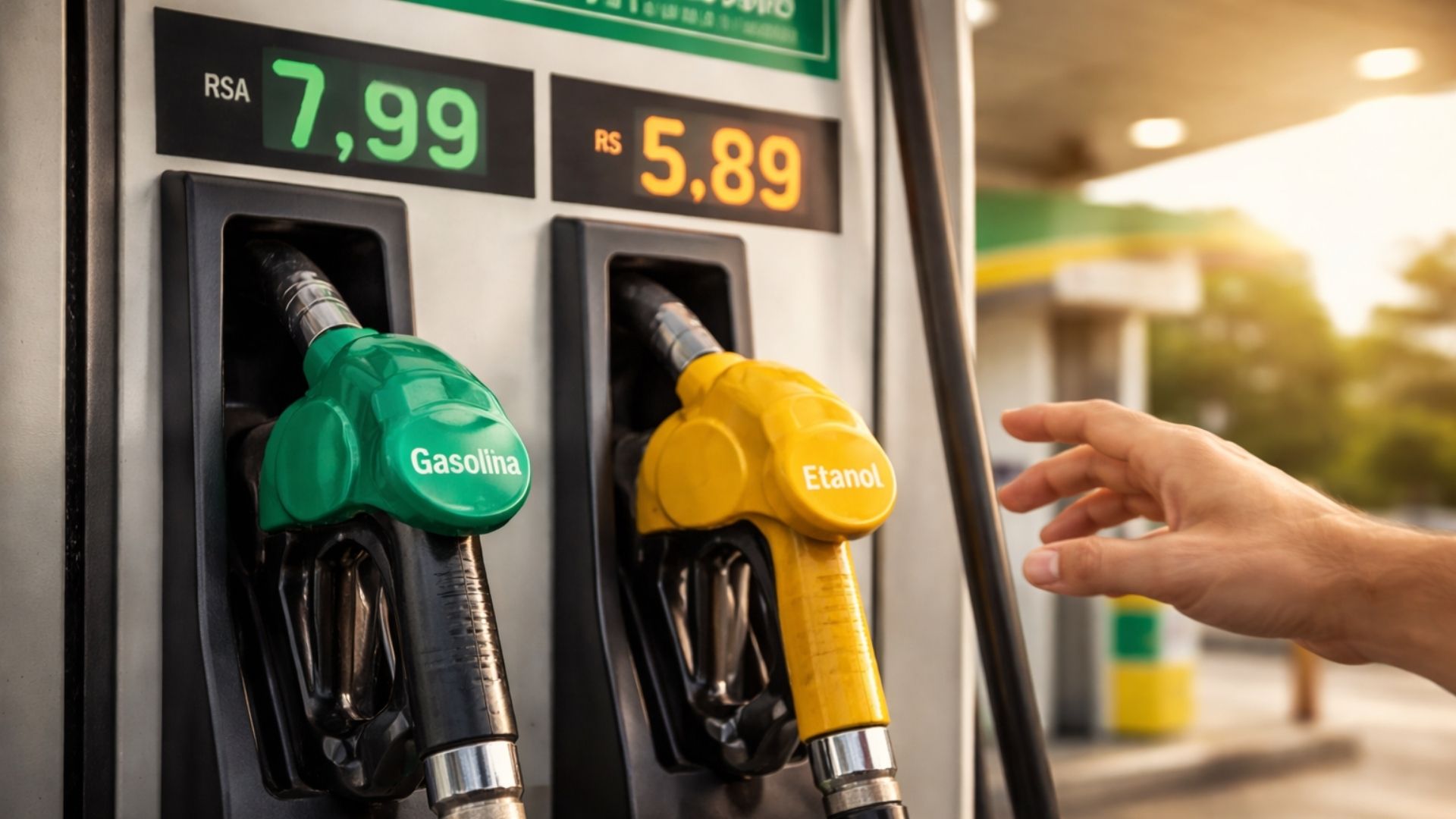
Gasoline prices soar and the question arises: is ethanol more advantageous? The 70% rule reveals the limit with gasoline.
-
The government has made a decision and is starting a test with more ethanol in gasoline, anticipating a mixture of up to 35%, diesel with 25% biodiesel, and a study to assess the impacts on engines.

1. PEC 1/2022
The Proposed Amendment to the Constitution No. 1/2022, presented by Senator Carlos Fávaro (PSD-MT), amends the Constitutional Amendment No. 109 of March 15, 2021, to reduce taxes on fuel prices in Brazil (IPI, IOF, Cide, PIS/Pasep/Cofins, IE, and ICMS) and creates a diesel voucher of up to R$ 1,200 for independent truck drivers and a gas voucher of 100% for low-income families.
In addition, the PEC provides that the Union will allocate up to R$ 5 billion to States and Municipalities to ensure access to public transportation for the elderly.
2. Fuel PEC
The Fuel PEC does not yet have a protocol number for processing. It was presented by Federal Deputy Christiano Áureo (Progressistas-RJ) after passing through the Civil House. This is one of the projects that mentions the possibility of reducing the same taxes related to fuel prices in Brazil (IPI, IOF, Cide, PIS/Pasep/Cofins, IE, and ICMS). The impact would be R$ 54 billion, according to calculations from the Federal Government.
3. PLP 11/2020
According to the text of the PLP 11/2020 presented by Deputy Emanuel Pinheiro (PTB-MT), States would have to establish a fixed annual value for the ICMS.
It is a less comprehensive project, but with a direct impact on fuel prices in Brazil that the National Congress should analyze in its Committees.
The proposal also sets a ceiling so that the tariff value does not exceed the ICMS rate applied to the average fuel prices in the previous two years in the State.
4. PL 1472/2021
The Law Project No. 1472/2021, presented by Senator Rogério Carvalho (PT-SE), creates a fund financed by a tax on the export of crude oil and by the extraordinary profit of Petrobras from the increase in the price of the oil barrel.
The scaling provided in the PLP would work as follows:
- 0% when crude oil is priced up to US$ 45 per barrel;
- at least 2.5% and at most 7.5% when the price of crude oil is between US$ 45 and US$ 85 per barrel;
- at least 7.5% and at most 12.5% when the price of crude oil is between US$ 85 and US$ 100 per barrel;
- at least 12.5% and at most 20% when the price of crude oil is above US$ 100 per barrel.
When Will the Projects on Fuel Prices in Brazil Be Voted in the National Congress?
There are no exact dates for the projects to reach the plenaries of the Senate and the Chamber of Deputies. According to sources from Agência Senado, both the PLP and the PL may enter the Order of the Day of the House on Tuesday, February 15.
Maintaining Fuel Prices in Brazil May Harm Gasoline, Ethanol, and Diesel Supply
The movements of fuel prices in Brazil have become the center of much debate. In an election year and facing rising inflation, the issue is increasingly at the forefront of political discussions in society.
Petrobras’ own president, Joaquim Silva e Luna, on February 3, while participating in a virtual event hosted by the foreign bank Credit Suisse, defended that the state-owned company continues with its current fuel pricing policy, but is seeking other paths that do not involve holding prices.
Silva e Luna stated that the company is aware of the damage caused by trying to maintain fuel costs artificially and also stated that Petrobras might lose various investments and shipments of fuels as it will not be able to supply the market if fuel prices are not competitive.








Seja o primeiro a reagir!