





 Portuguese
  English
  Spanish
  4 min of reading
  0 comments


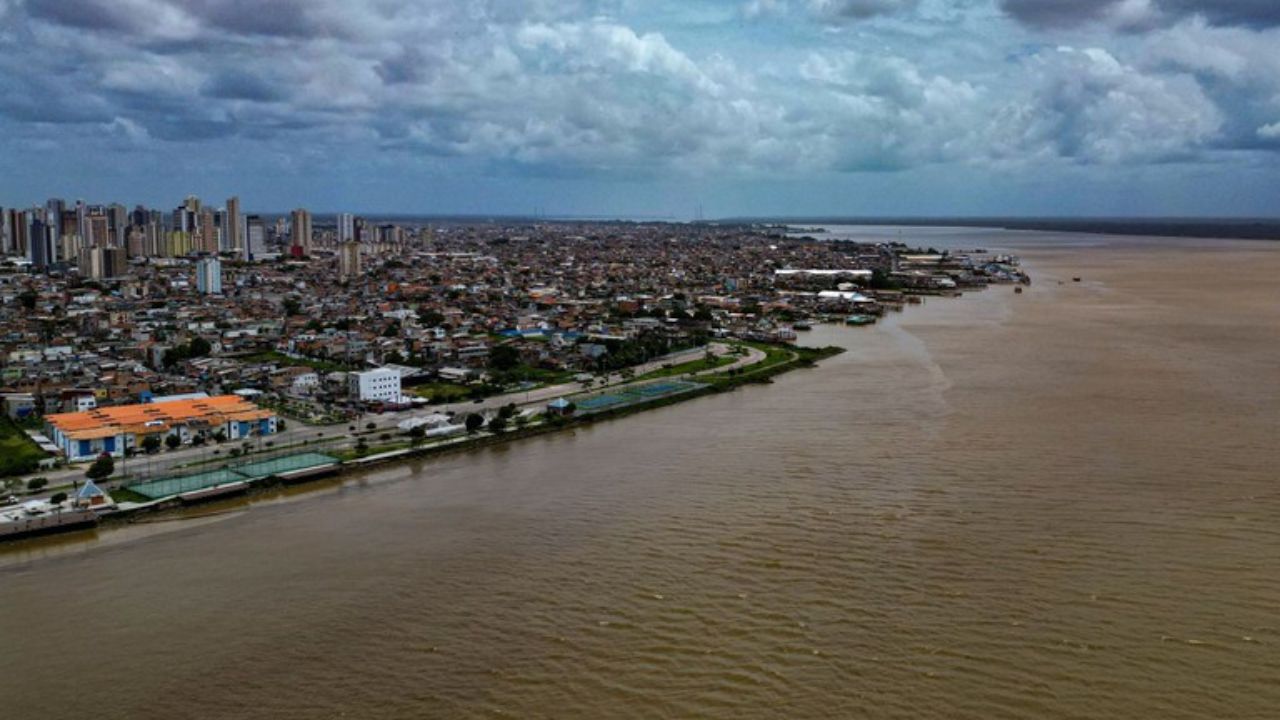
The Capital of Pará Is Undergoing an Accelerated Transformation to Host the Climate Conference, but Urban Interventions Spark Debates About Environmental Impacts, Transparency, and the True Legacy for the Population.
Belém is transforming. Machines work day and night, avenues rise in the forest, and metal structures emerge in the center. The reason is COP 30 Belém, the largest climate conference on the planet, taking place for the first time in the Amazon. However, behind the international showcase, massive projects divide opinions, with promises of modernization overshadowed by controversies.
The Race Against Time for the Climate Conference
Looking at the streets of Belém, one can already feel that it is undergoing a complete transformation. COP 30, the Conference of the Parties to the United Nations Framework Convention on Climate Change, will take place in November 2025. Representatives from nearly 200 countries will discuss the climate future. The choice of Belém, as highlighted by Canal Urbana, is symbolic: the Amazon at the center of the debate.
However, the city faced long-standing structural problems. Limited urban mobility, inadequate sanitation, and a modest hotel network were challenges. The announcement of the host city in 2023 initiated a race against time. The promise is that COP 30 will leave a legacy of development.
-
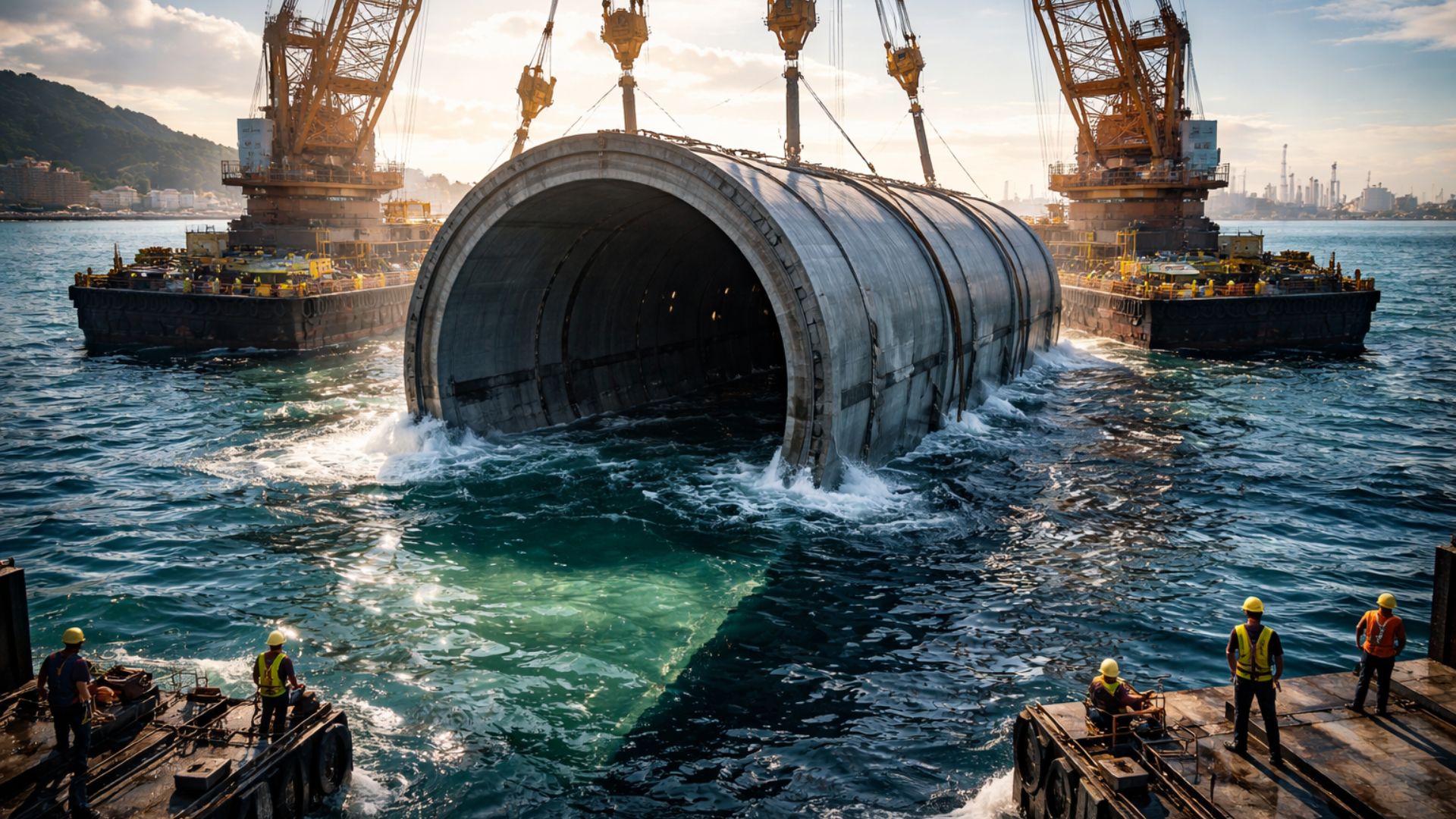
The government opens the vault and deposits R$ 2.6 billion for the construction of Brazil’s first underwater tunnel, with a length of 1.5 km, 870 m under the sea, a total project cost of R$ 6.8 billion, and a 30-year concession.
-
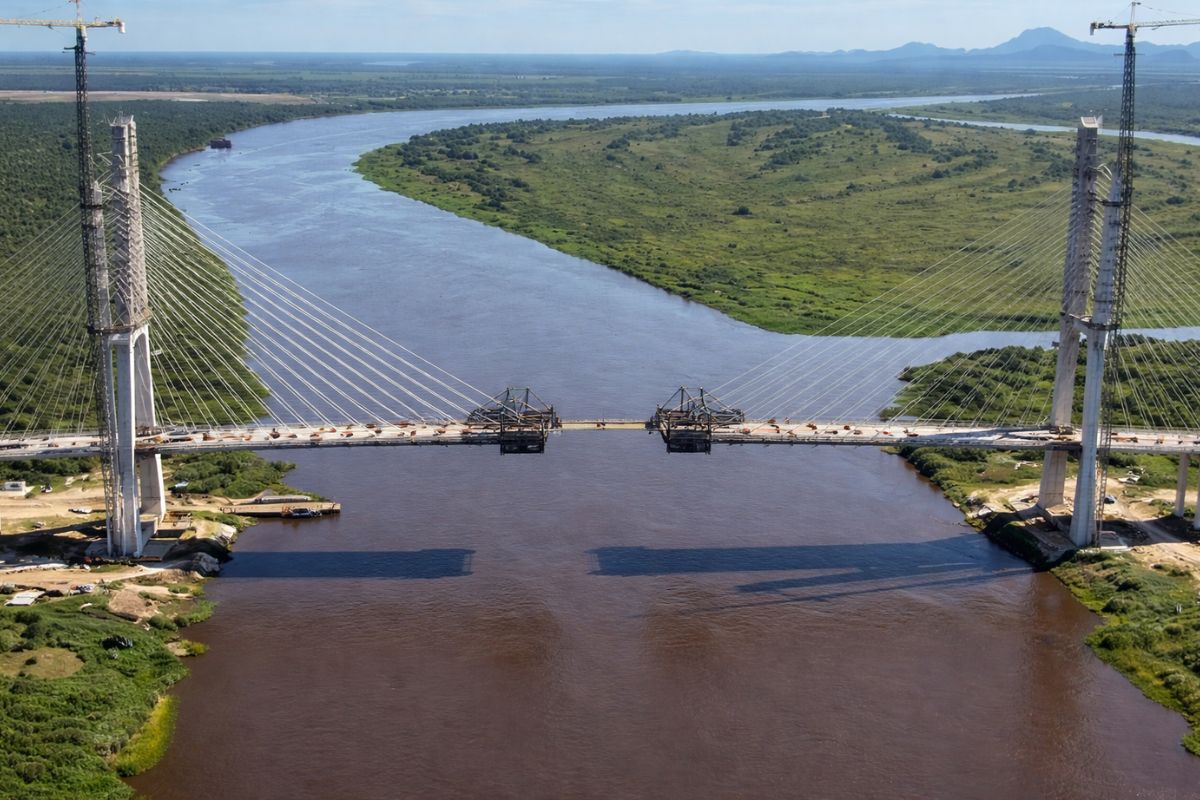
Only 46 meters remain for Brazil and Paraguay to connect via the Bioceanic Route bridge, the project that will link the Atlantic to the Pacific by land and change the logistical map of four countries in South America.
-
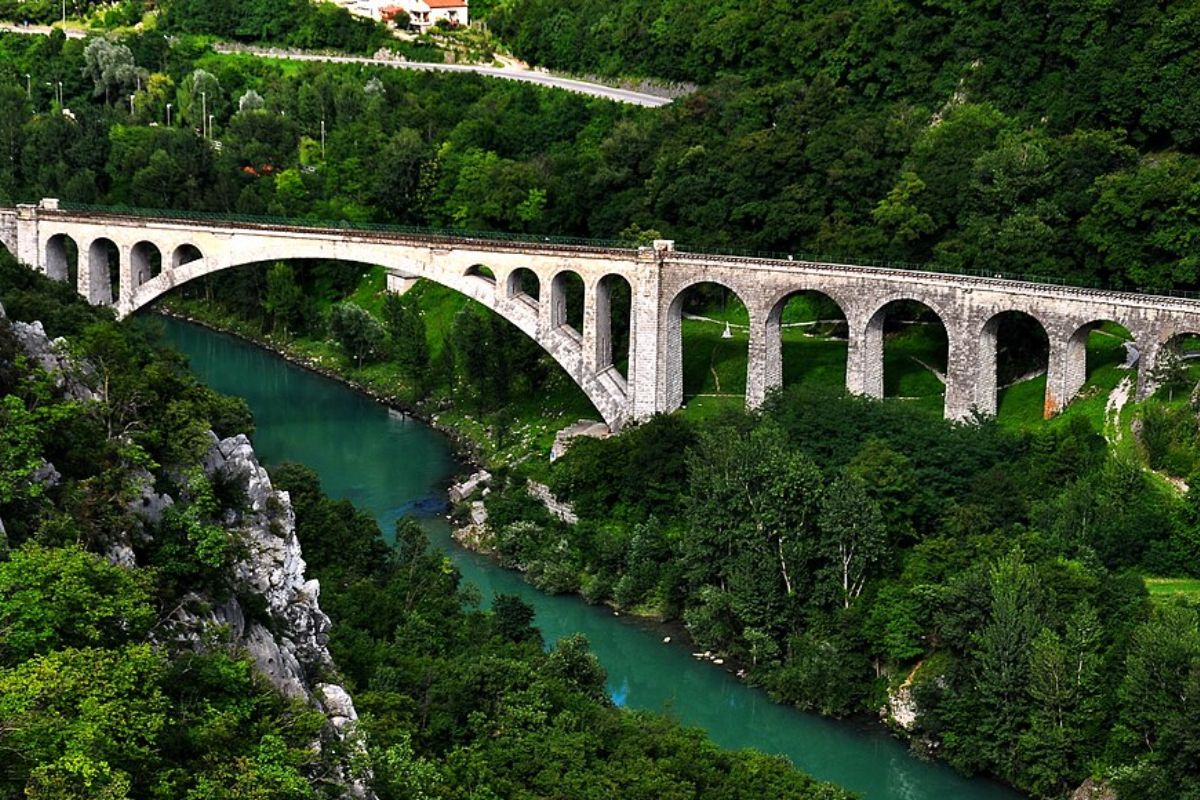
The bridge that holds the largest stone railway arch in the world: built over 100 years ago, destroyed in the war, and rebuilt to continue operating to this day, it still carries trains over the Soča River in Slovenia.
-
Italian giant of 130 tons arrives at the Senna Tower construction site and accelerates foundations: Mite CFA 3436 drills up to 50 m, 750 hp engine, investment of R$ 20 million, unique in Latin America.
Massive Projects Underway: Promises of Modernization and Legacy with COP 30 Belém
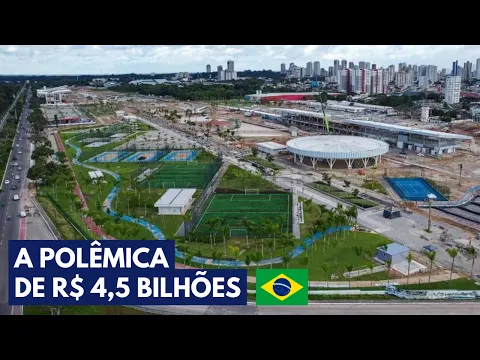

Several interventions are underway. Avenida Liberdade, spanning 13.2 km, will connect Marituba to Avenida Perimetral. It promises to reduce travel time, featuring four lanes, bike lanes, and solar lighting. Another highlight is Parque da Cidade, at the former Brigadeiro Protázio Airport. Covering 500,000 m², it will have a museum, sports areas, and 2,500 trees. The completion is expected in September.
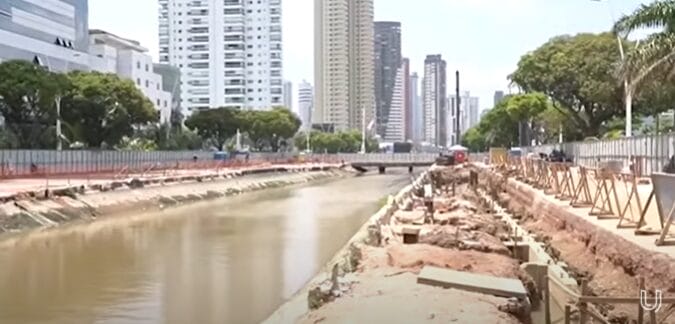
The revitalization of the Doca and Gentil Bitencur canals focuses on drainage and flood prevention. It includes wall restoration, new water and sewage networks, and urbanization. Belém International Airport is receiving R$ 450 million for expansion. Three new hotels will add over 500 beds, aiming to reach 50,000 beds with alternatives like military ships and facilities.
Sanitation works are also progressing. The new Una sewage treatment station will benefit 90,000 people. In Ver-o-Peso, the sewage system will serve 60,000 people, but progress is slow. The macro-drainage of the Tucunduba Basin, already completed, served over 300,000 people. Works continue in the Murutuku and Itamandaré basins. More than R$ 1.8 billion has been invested in eight basic sanitation works.
Environmental and Social Impacts Under Debate
Despite the modernization discourse, the works for COP 30 Belém are under criticism. Avenida Liberdade has caused deforestation in areas of native vegetation. Environmentalists point out impacts on biodiversity and the displacement of communities.
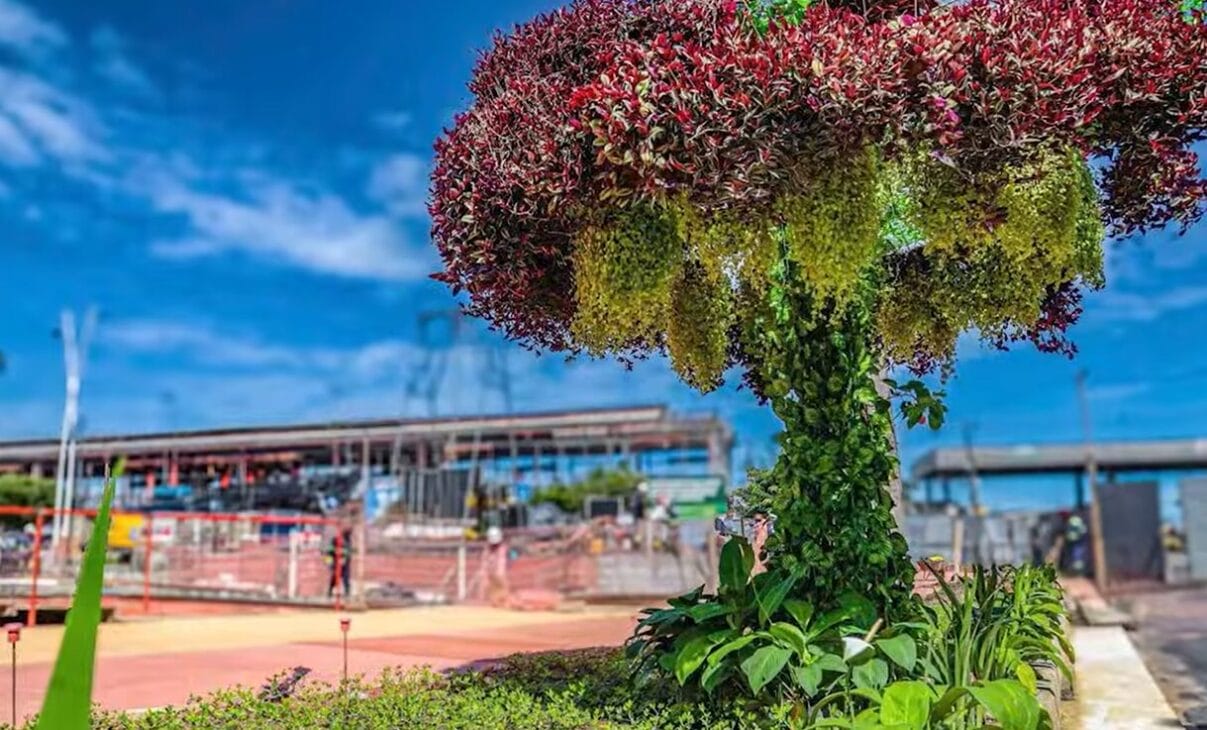
Metal structures, referred to as “artificial trees,” divide opinions. The government defends their aesthetic value, but critics argue that they do not replace real trees and generate heat. There are also questions about the legality of works in environmental protection areas, leading to inquiries by the Public Prosecutor’s Office.
Official Responses and the Voice of Civil Society Beyond COP 30 Belém
The state government maintains that Avenida Liberdade is strategic and was already planned. It highlights bike lanes and wildlife crossings as mitigating measures. It states that the goals of the works go beyond COP 30 Belém, seeking a structural legacy.
However, civil society expresses opposition to what it calls “facade urbanism.” The lack of transparency and popular participation generates distrust. Activists denounce a “greenwashing,” where the sustainable discourse conceals deforestation and socio-environmental impacts. The “artificial trees” are seen as an example of this inconsistency.
COP 30 Belém: What Future for the City After the Event?
The debate reveals a tension about who really benefits from COP 30 Belém. While the public authorities defend the transformation, part of the population fears a temporary project that does not solve everyday urgencies. How COP will be remembered in Belém is still up for debate. The big question is: what will be the real and lasting impact of these mega-works on the city’s residents?







Seja o primeiro a reagir!