





 Português
  Inglês
  Espanhol
 3 min de leitura



More Than 4,000 Women from the Northeast Organized Protests Against the Installation of Wind Farms
In the northeast of Brazil, specifically in Paraíba, marches organized by women in favor of agroecology, that is, the sustainable production of food, take place every year. However, at the beginning of May 2022, they expressed their opposition to the growing installation of wind farms in the region, especially the Serra da Borborema Wind Complex.
The 13th March for the Lives of Women and Agroecology in Borborema, held on May 2, 2022, brought issues such as agroecology and how the construction of wind farms can negatively impact families in Paraíba. In an interview with BBC News Brazil, farmer Roselita Victor da Costa Albuquerque pointed out that women are not against renewable energy but are opposed to the model of wind farm expansion that does not respect the environment and women. Understand more in today’s article.
Understand a Little More About the Pros and Cons of Wind Energy in Brazil Through the Video Below


Women from the Northeast of Brazil Fear for the Safety of Their Homes
An important aspect raised by the women is the safety of their homes. In an interview with Marco Zero, many of them claimed that the installation of wind farms and wind turbines required blasting rocks and organizing the land. This caused cracks in some houses, and now families fear the roofs may collapse.
-
Brazilian city gains industrial hub for 85 companies that is equivalent to 55 football fields.

-
Peugeot and Citroën factory in Argentina cuts production by half and opens a layoff program for more than 2,000 employees after Brazil drastically reduced purchases of Argentine vehicles.

-
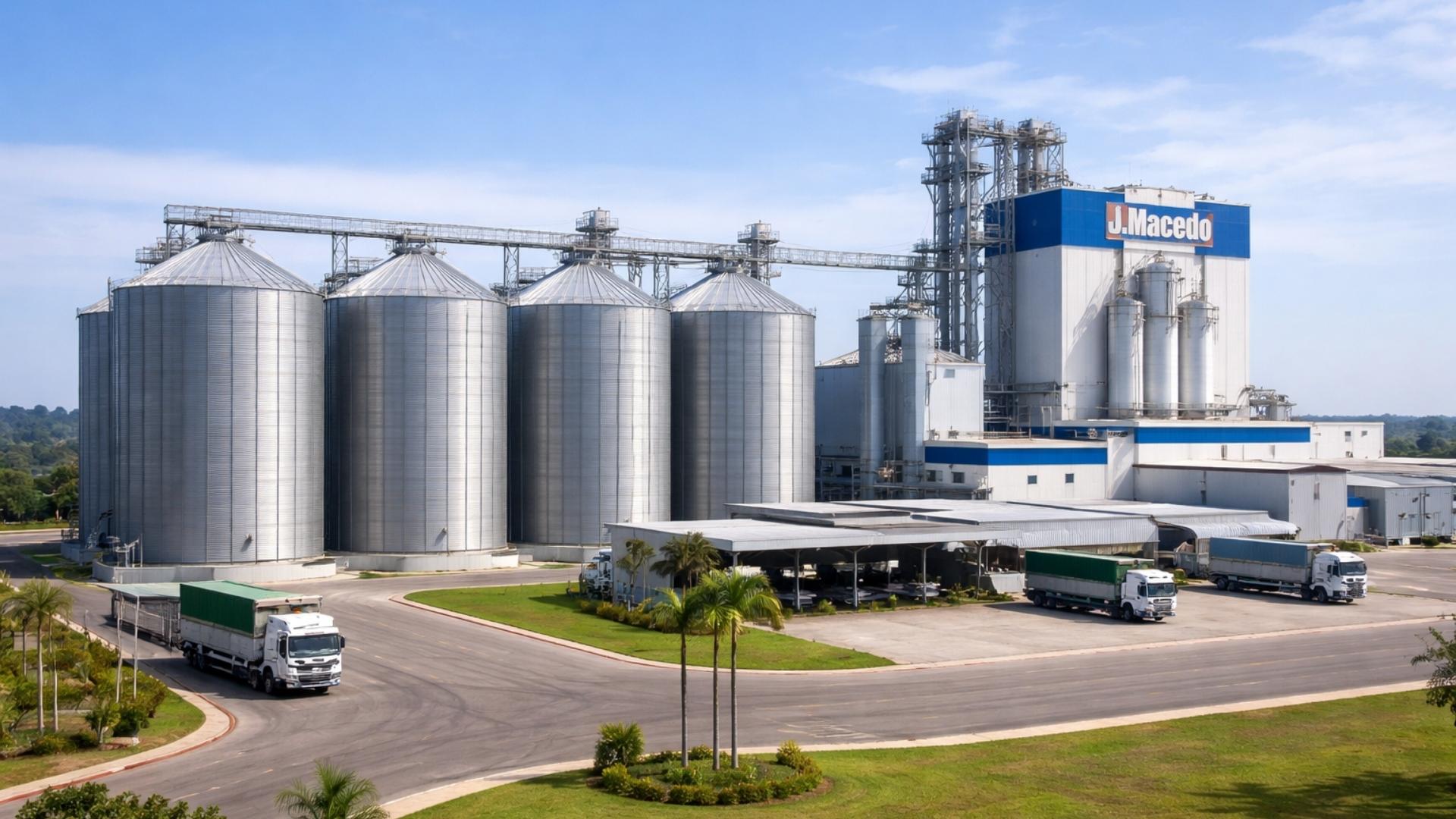
A Brazilian city gains a factory worth R$ 300 million with the capacity to process 200 thousand tons of wheat per year, a mill of 660 tons/day, silos for 42 thousand tons, and an industrial area of 276 thousand m².
-
Havan will leave the shopping mall in Blumenau to inaugurate something that the chain has never done before: a megastore in half-timbered style in the Historic Center of the city, which is expected to be completed in May and change the landscape of local retail.


Moreover, women report fears that the turbines may give way and cause a serious accident, considering the lack of maintenance of wind farms in the region. According to some accounts from women in the area, these rapidly growing wind complexes do not respect rural families and only cater to the interests of companies.
Families in Rural Areas Are Being Impacted by the Loud Noise of Wind Turbines, According to Women’s Reports
Another significant issue that has arisen is the loud noise from wind turbines that cause psychiatric symptoms in residents of nearby rural areas. According to women in the movement, many people have reported anxiety and insomnia due to these disturbances.
Additionally, hearing loss is a constant complaint among farmers who need to work in these areas near the turbines to ensure their family’s livelihood. As a result, many people have been affected in the region, with a decline in quality of life.
This is not exclusive to Brazil. Last year, in a region of France, the couple Christel and Luc Fockaert reported the potential risks of a wind farm near their home to the courts and received compensation of more than 100,000 euros.
Experts Warn About the Socio-Environmental Impacts of Wind Farms in Brazil
Professor Heitor Scalambrini from the Federal University of Pernambuco (UFPE) warns that wind energy may not be as clean as we think due to socio-environmental aspects.
“While they contribute to reducing greenhouse gas emissions, they have a significant repercussion on socio-environmental impacts due to the way they are being implemented in Brazil”
Professor Heitor Scalambrini, Federal University of Pernambuco (2022) in an interview with Marco Zero
Additionally, wind farms can have consequences for the regional bioma, especially in the caatinga region where most wind turbines are installed. Researcher Felipe Melo from the Botany Department at the Federal University of Pernambuco (UFPE) conducted a study that pointed out the existence of 11 million hectares with necessary preservation biomes that already have or will receive wind farms.
“It is a concerning situation because this is the most vulnerable national bioma. It accounts for less than 10% of legally protected areas, of which only 2% are in the strictly protected category.”
Researcher Felipe Melo from the Botany Department at the Federal University of Pernambuco (2022) in an interview with BBC News Brazil
The women are concerned, and experts also point out the risks of wind farm installations as they currently occur. One way to address this issue would be to rethink more sustainable strategies to avoid or reduce the socio-environmental problems arising from the installation of wind farms.







Seja o primeiro a reagir!