Portuguese
  Spanish


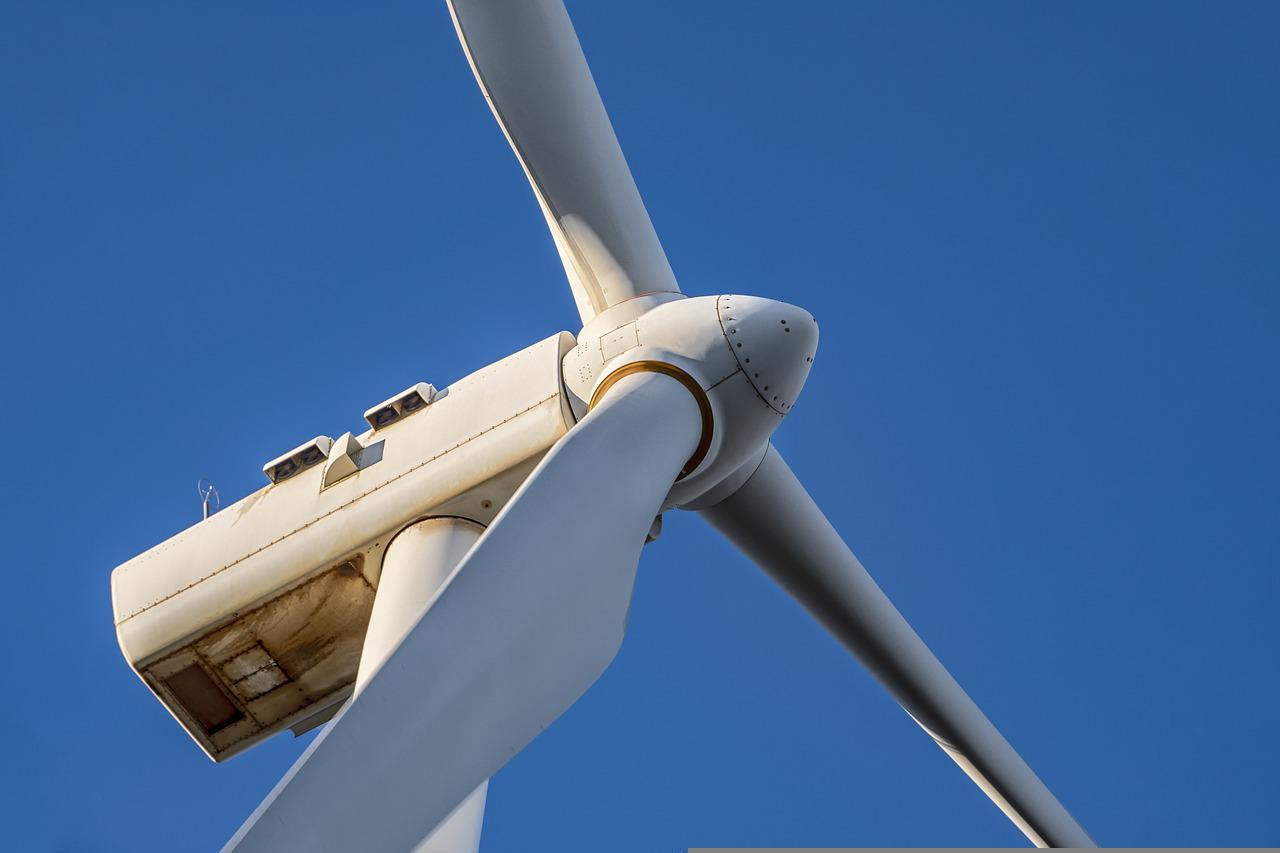

The New Wind Turbine System Opens Doors for Improvement in the Renewable Energy Sector, Which Has Been Growing Steadily
The Canadian company The Power Collective recently designed the RidgeBlade, mini wind turbines that can be installed directly on the roofs of homes and similar structures to generate clean energy. The mini wind turbines, in addition to impressing with their unique design, discretion, and efficiency, also feature a revolutionary opening mechanism that efficiently harnesses the wind to generate clean electricity.
How Mini Wind Turbines Work
RidgeBlade mini wind turbines are designed to be installed at the edge of roofs, whether commercial or residential, to generate renewable energy. The mini wind turbines ensure that clean electricity generation remains consistent even in strong, unpredictable, and inconsistent wind conditions.
The mini turbines utilize the surface of any inclined roof to capture and concentrate the majority of the wind for energy generation, taking advantage of its focusing effect. Once captured, the wind is forced to flow over the roof surface, forming a “bottle neck” at the roof ridge, accelerating the constant air through the mini wind turbine.
Thus, when compared to the true state of the wind, the speed around the roof ridge triples in strength and rapidity. When placing mini wind turbines in high wind flow areas, they can be seen to have up to nine times more power than a traditional horizontal axis wind turbine (HAWT).
Furthermore, the mini turbines use their aerodynamics to avoid noise during operation, while also limiting the speed of their blades due to their unique aerodynamic properties.
All mini wind turbines have been tested in winds over 160 km/h, both in a wind tunnel and in real outdoor conditions, without any loss of efficiency.
Types of Mini Wind Turbines
Three types of RidgeBlade mini wind turbines are sold. The first type is the RB1, which is a residential style and is the smaller version of the RidgeBlade, designed to produce clean energy under a wide range of wind conditions, whether strong or at low speeds, while maintaining minimal visual impact. This type of mini wind turbine is suitable for the vast majority of installation locations, including urban residences and environmentally sensitive sites, such as National Parks and rural areas.
-
Brazil saved US$ 32.4 billion in 2025 by switching from fossil to renewable energy and only ranked behind China and the United States on the IRENA global podium.

-
Fired during apartheid and with a little borrowed money, an electrician started with a borrowed truck and transformed electrical services into a group connected to energy, real estate, and infrastructure in South Africa.

-
Wood has ceased to be just a construction material in Yale research and has become insulation for electrical transformers that face intense heat, aging, and increasing pressure from the renewable energy-powered grid.
-
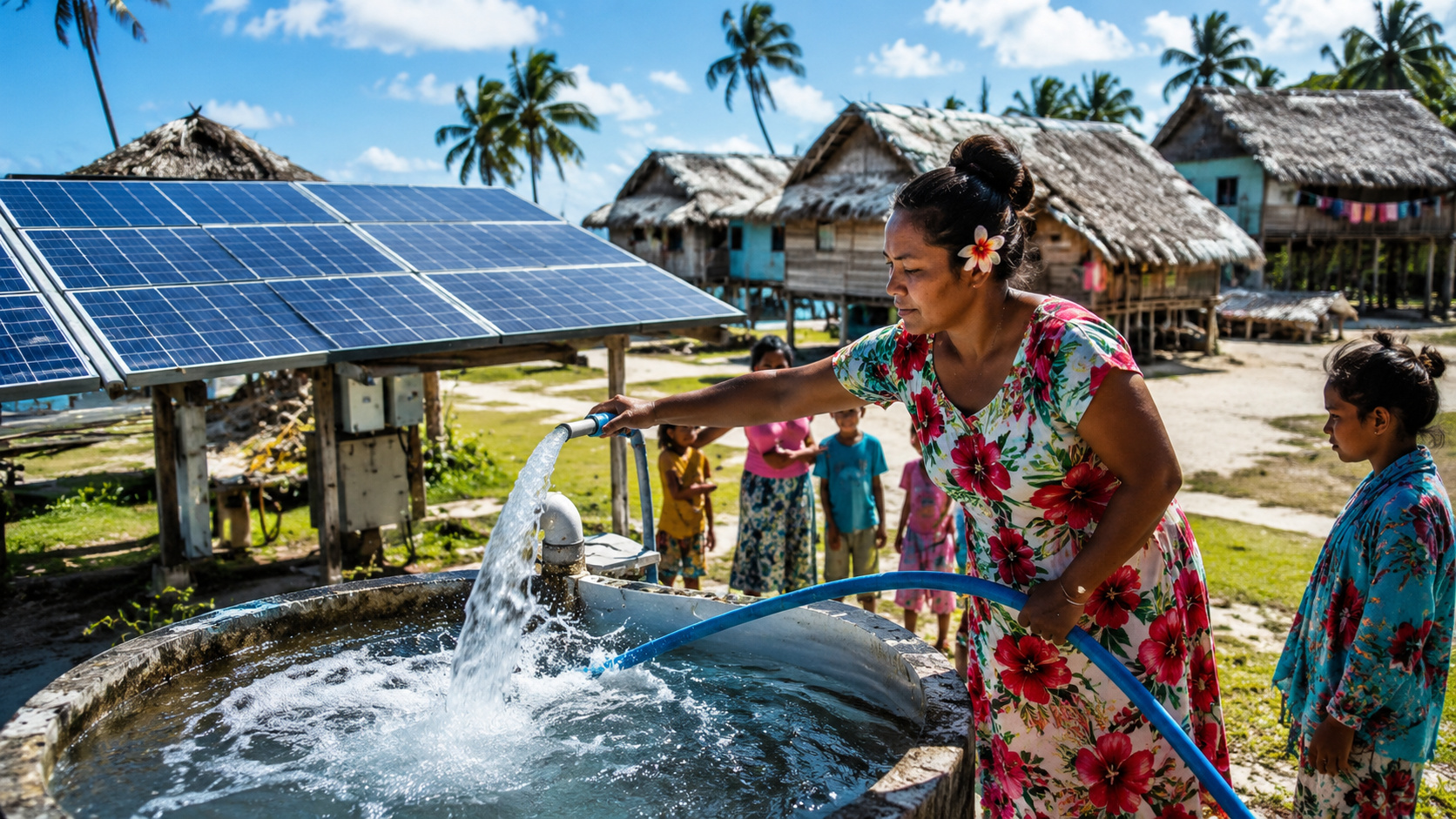
More than 1,000 residents of a remote island in Kiribati now have clean water and electricity with solar systems operated by the community itself.


The second type of mini wind turbine is the RB2, which is the largest and most powerful version of RidgeBlade, designed for installation in various types of buildings that wish to generate renewable energy. This wind energy mini turbine maintains its performance across a wide range of wind conditions, just like the RB1, but provides more power than the residential RB1 turbine. The RB2 turbine is suitable for various types of installation sites, including large industrial structures or agricultural sites.
Finally, to achieve maximum efficiency and performance from the mini turbines, RidgeBlade offers hybrid solutions that combine all the benefits of the RB1 and RB2 mini wind turbine systems with the additional output of photovoltaic solar panels. These hybrid units use low-profile solar panels integrated into the roof structure.
However, despite being a significant novelty in the renewable energy sector, the use of mini wind turbines is not yet widely popular. Studies show that wind energy generated from homes with mini wind turbines operates similarly to large turbines in wind farms but at a reduced size. In the Ceará, there are 27 mini power plants present in eight distinct municipalities, supplying 90 units.