





 Português
  Inglês
  Espanhol
  4 min de leitura
  0 comentários


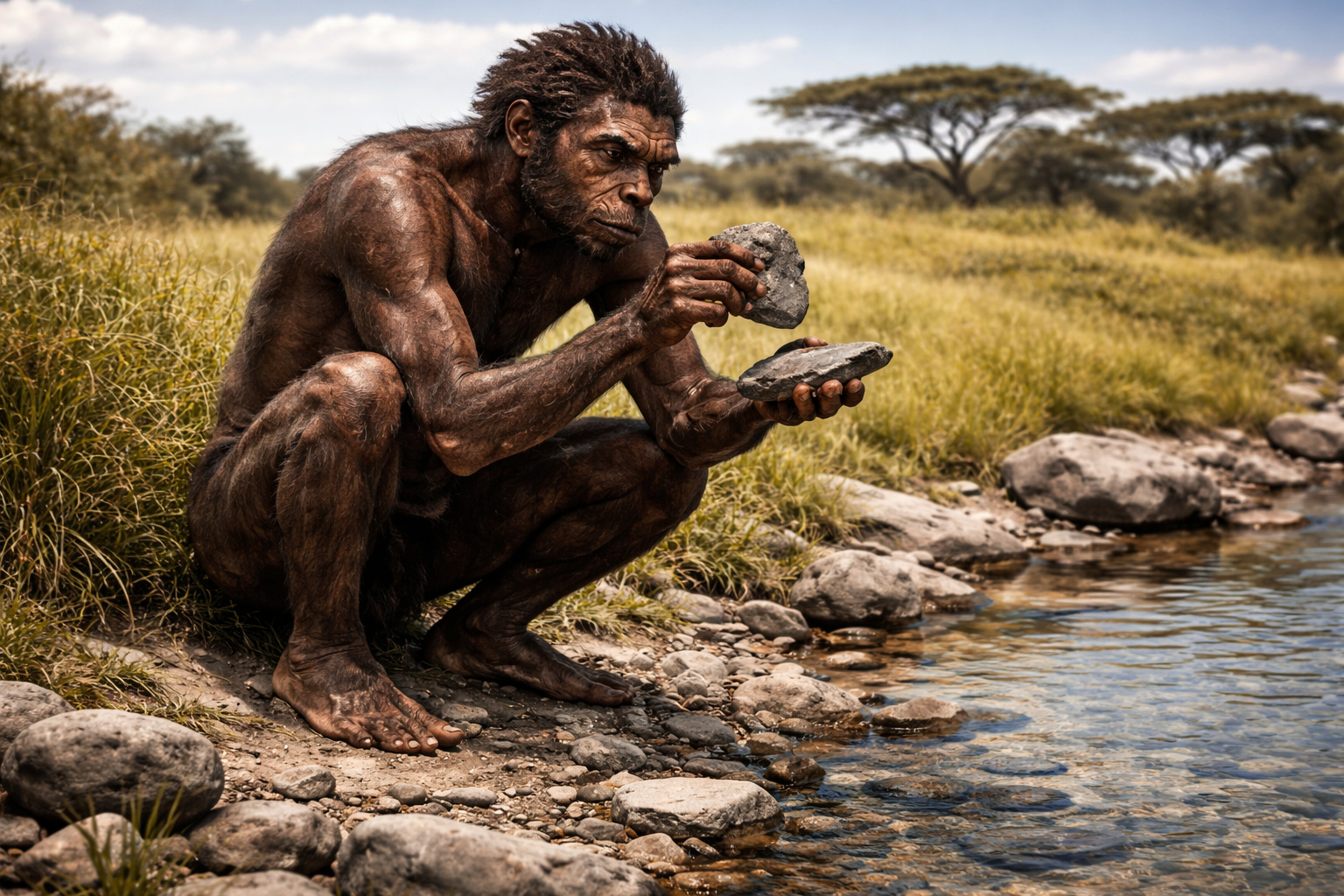
Scientific Study Indicates That Body Paint, Clothing, and Natural Shelters Reduced Exposure to Ultraviolet Radiation During a Critical Period in Human History
A recent scientific research published in the journal Science Advances provided a relevant explanation for one of the great mysteries of human evolution.
According to the researchers, simple strategies for protection against solar radiation may have helped Homo sapiens survive, while Neanderthals disappeared about 40,000 years ago.
The study suggests that our ancestors developed effective ways to protect themselves from ultraviolet radiation, which may have been crucial in preventing extinction.
Furthermore, archaeological evidence indicates that changes in human behavior occurred exactly during the time when the planet faced significant changes in Earth’s magnetic field.
This environmental context created a potentially dangerous scenario for various species.
Still, Homo sapiens managed to overcome these adverse conditions, prompting scientists to investigate what factors may have contributed to this survival.
-
The world’s first octopus farm wants to open in the Canary Islands and is already provoking an international reaction: the plan aims to produce 3,000 tons per year.

-
Drought may be creating stronger superbugs in the soil and helping antibiotic resistance reach hospitals, warns a study highlighting a problem that could grow alongside extreme weather.

-
The biggest scam in history: Napoleon’s France deceived the United States by selling them a territory that was Spanish.

-
Why is the Danakil Desert so dangerous? It has unstable terrain and how extreme temperatures and toxic gases turn the region into one of the most hostile environments on Earth.
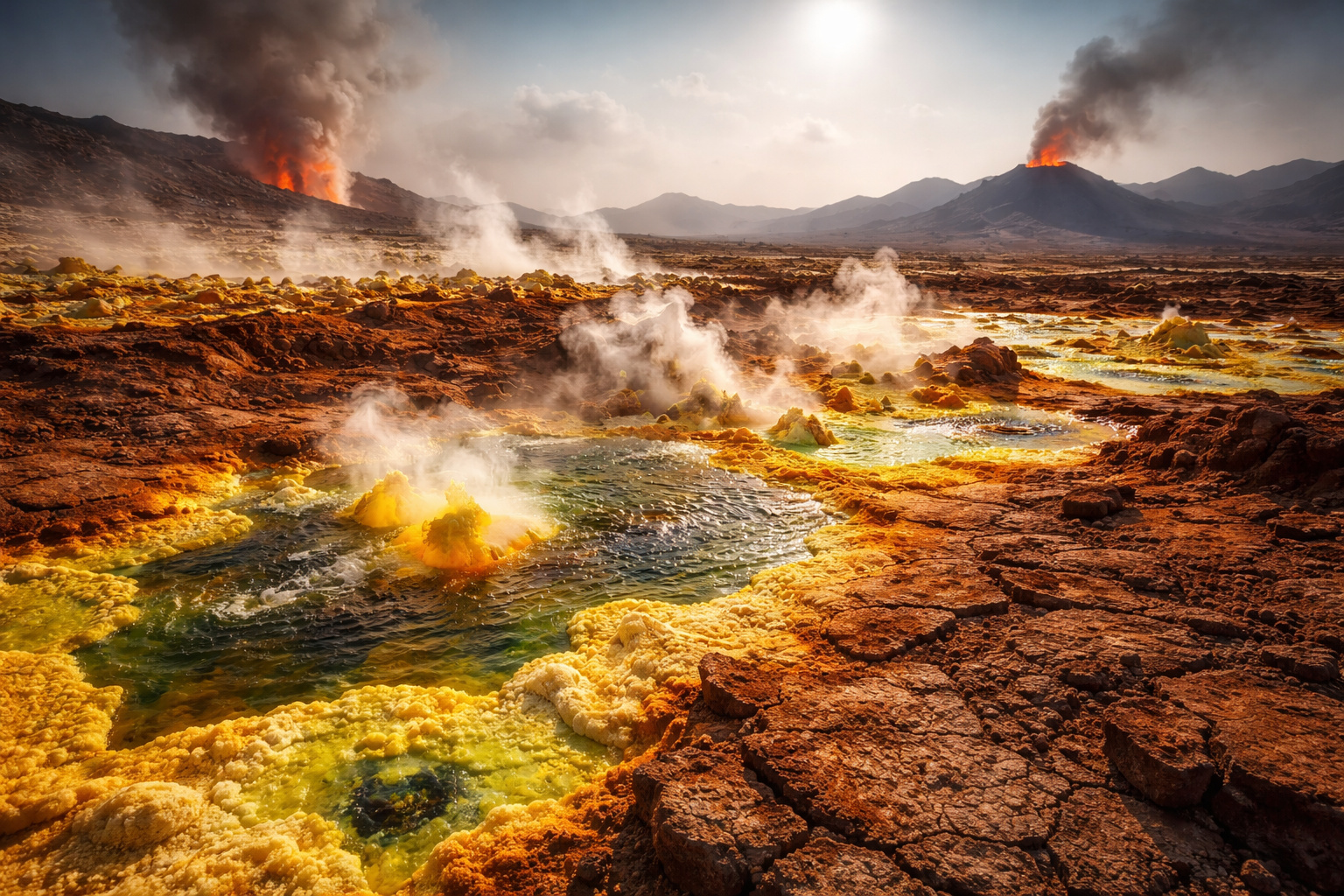

Changes in the Magnetic Field Created a More Hostile Environment
The geological history of the planet shows that Earth’s magnetic field has changed direction at least 180 times over millions of years.
These events, known as magnetic reversals, can temporarily alter the natural protection against solar radiation.
As a consequence, the surface of the planet may become more exposed to ultraviolet radiation.
This phenomenon increases the risk of radiation-related issues, such as skin cancer, as well as elevating the vulnerability of various species.
Historians and scientists believe that the disappearance of Neanderthals may be related to the last major event of this kind, which occurred approximately 40,000 years ago.
During this same period, however, Homo sapiens faced the same environmental scenario and managed to survive.
This difference led researchers to seek possible behavioral or cultural explanations that could have offered adaptive advantages.
Body Paint Functioned as Primal Sunscreen
One of the most interesting findings of the study involves the use of ochre in body paint.
Archaeological evidence indicates that our ancestors began to use this mineral pigment precisely during this historical period.
According to the authors of the research published in Science Advances, ochre may provide partial protection against ultraviolet radiation.
Thus, when applied to the skin, the pigment would have functioned as a kind of natural sunscreen.
This cultural practice may have reduced the damage caused by prolonged sun exposure.
As a result, the Homo sapiens population may have increased its chances of survival in a more environmentally aggressive setting.
The discovery reinforces the idea that simple cultural behaviors can exert a significant influence on the evolution of species.
Clothing and Natural Shelters Also Reduced Solar Exposure
In addition to body paint, the study points to other significant changes in human lifestyle.
During this period, archaeological evidence shows that the first clothing began to be used more frequently.
Covering the body with garments significantly reduced direct skin exposure to solar radiation.
This factor may have contributed to decreasing the impacts of ultraviolet radiation.
At the same time, historical records indicate a greater use of caves and other natural spaces as shelter.
These environments protected human groups from intense heat and direct solar radiation.
These adaptations demonstrate that Homo sapiens began to adopt more efficient strategies to cope with environmental changes.
As a result, the species developed cultural mechanisms that enhanced their capacity for adaptation.
Cultural Differences May Have Influenced the Destiny of Human Species
The authors of the study highlight that these practices were not observed with the same intensity among Neanderthal populations.
This difference may have created an important adaptive advantage for Homo sapiens.
The use of body paint, clothing, and natural shelters formed a set of strategies that reduced the effects of solar radiation.
Consequently, these practices may have increased the chances of survival for the modern human species.
Thus, the research published in the journal Science Advances suggests that cultural and behavioral factors played a crucial role during a critical period in human history.
If these adaptations really helped our ancestors withstand such extreme environmental changes, to what extent could small cultural innovations have shaped the entire course of human evolution?









-

Uma pessoa reagiu a isso.