





 Portuguese
  English
  Spanish
 3 min of reading



The Açu Port Has Become One of the Most Relevant in the Country and Now Aims at Offshore Wind Power Production. The Company Prumo Logística Will Make Billion-Dollar Investments Over the Next Few Years to Make the Complex a Reference in the Energy Market.
In operation for seven years and one of the most important ports in the country in terms of cargo movement, the Açu Port now seeks to become a major hub for renewable energies. Prumo Logística, the operator of the complex, is forecasting R$ 22 billion in investments in offshore wind energy over the next five years in the complex located in Rio de Janeiro.
Açu Port Aims at Offshore Wind Energy as Market Focus for the Next Five Years, with Billion-Dollar Investments for the Sector
The Açu Port, located in the northern part of the state of Rio de Janeiro, is currently among the 10 busiest ports in Brazil and aims to further expand its presence in the national market.
To achieve this, Prumo Logística is betting on a low-carbon operation and the development of renewable projects over the next five years, focusing on the current highlight of the national market, offshore wind energy.
-
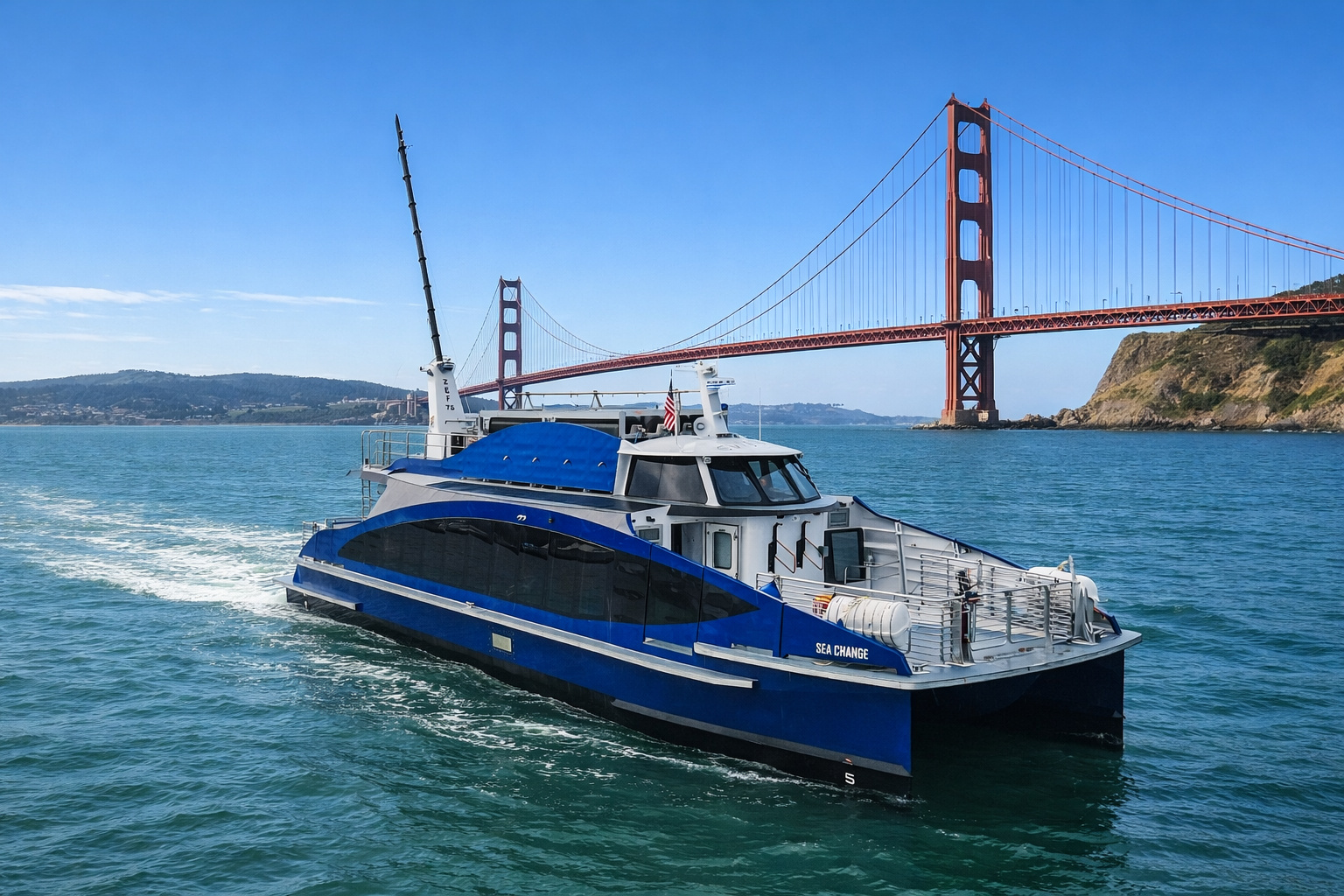
The first commercial hydrogen-powered ferry enters operation in the U.S., eliminates the use of diesel, uses fuel cells to generate clean energy on board, and transforms San Francisco Bay into a landmark of the new era of emission-free navigation.
-
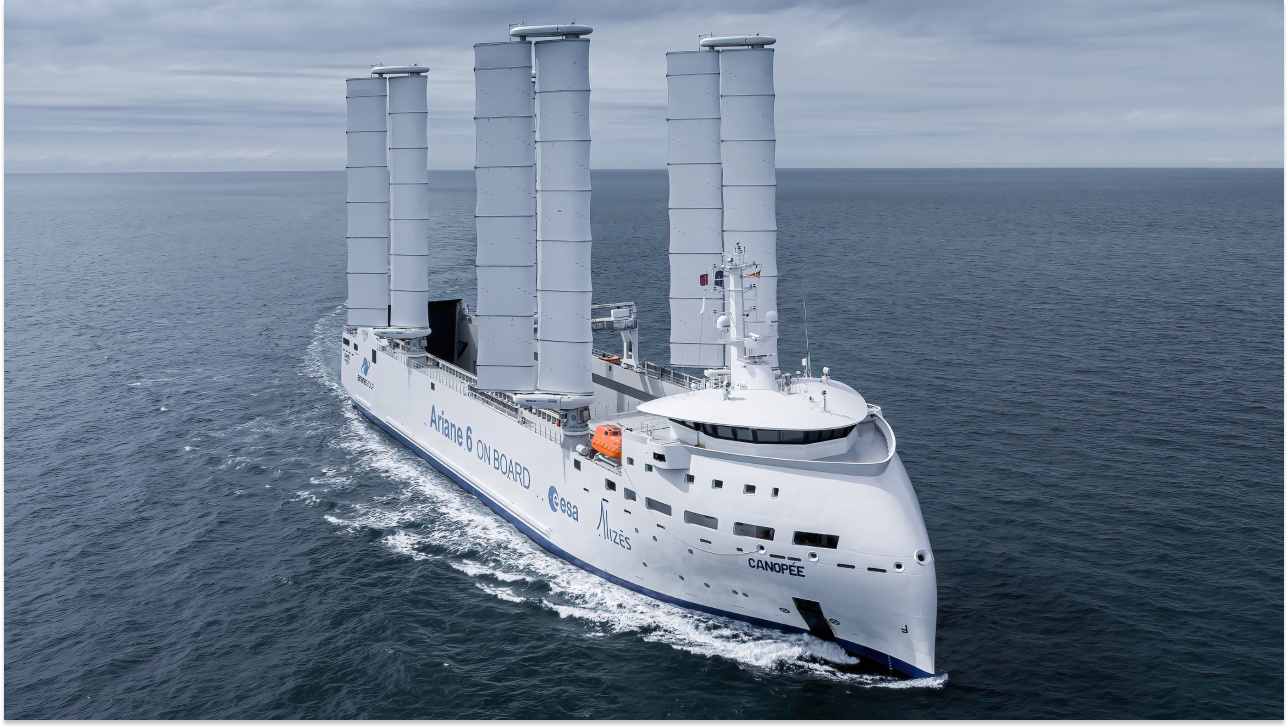
With a length of 121 meters and four rigid sails of 36 meters that automatically rotate to capture the wind, Canopée is the world’s first hybrid industrial cargo ship powered by wind, used to transport rockets and reduce fuel consumption by up to 30% on transoceanic routes.
-
A Canadian retiree creates a hydroelectric system on a real river, generating energy continuously throughout the day and demonstrating how the power of water can supply a house with stability even in a simple structure.

-
Giant of the winds in Rio Grande do Norte: Serra do Tigre Wind Complex receives new investments and accelerates the expansion of clean energy generation to supply millions of Brazilian homes.

The plans include becoming the largest offshore wind energy hub in the country, with a capacity equivalent to 2.4 Itaipu plants, and receiving plants for green hydrogen production.
“The new strategy is the industry based on energy transformation. It is not a transformation; it is a revolution, the opening of a new market for a new Brazil. This can be as relevant to the Brazilian economy as agribusiness is today,” highlights Rogério Zampronha, president of Prumo Logística.
He also stated that the company’s goal with the R$ 22 billion investments projected for the next five years is to develop the Açu Port as the main low-carbon hub in Latin America.
The complex is also one of the most relevant in terms of employment in the port sector, having 19 companies currently installed at the site, employing 7,000 workers and contracting around 300 suppliers.
Investments in infrastructure and operational quality have been yielding great results, and in 2021, the complex handled 55.7 million tons, ranking seventh nationally, according to data from the National Agency of Waterway Transportation (Antaq).
Port Complex Aims to Leverage Industrial Development and Proximity to Commercialization for Investments in Offshore Wind Energy
One of the main positive and attractive points for offshore wind energy companies that are expected to invest in the Açu Port over the next few years is its location.
This is because the complex is located in an area of strong industrial development and has proximity to the commercialization and transmission market of the electrical grid.
And, since the installation of parks requires the assembly of giant towers, the industrial district could host manufacturing or final assembly plants for this equipment.
The complex could also serve as an operational base for service providers for offshore wind energy projects.
Prumo Logística also intends to invest in green hydrogen production at the port complex, with a strategy for integration with productive chains that may be established in the industrial district and not just in large plants for export.
Finally, Açu Port intends to reinforce its position as a service base for the oil and gas industry and as a logistics hub, ensuring a concentration of operations in the region.









Seja o primeiro a reagir!