





 Portuguese
  English
  Spanish
  3 min of reading
  0 comments


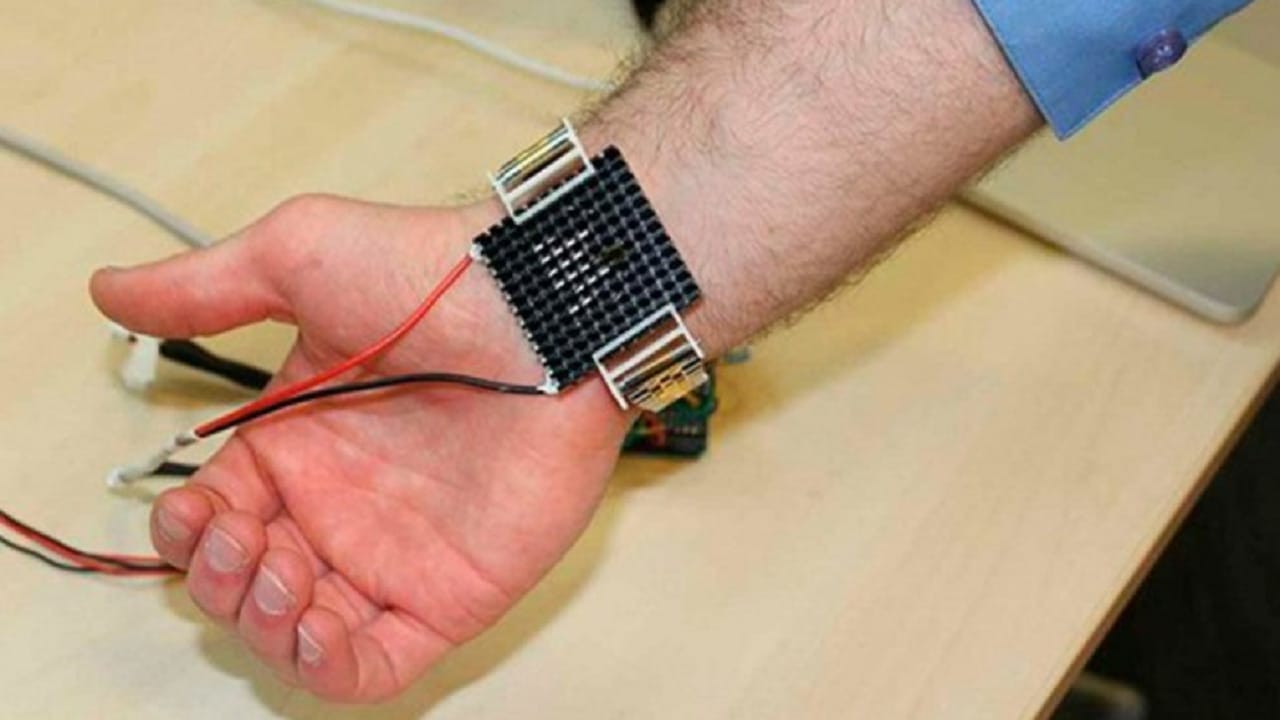
MIT Researchers Develop Air-Conditioned Bracelet That Could Revolutionize The Market. The MIT Bracelet Also Aims To Eliminate Energy Spending.
With the heat sensation in our country reaching 50ºC in Brazil, carrying a personal air conditioning system doesn’t seem like a bad idea. Thinking of the heat wave around the world, four engineering students from the Massachusetts Institute of Technology (MIT) turned this desire into reality by developing an air-conditioned bracelet called Wristify, an innovation that promises to provide waves of cold or heat directly to the user.
Understand How The MIT Air-Conditioned Bracelet Works
The operation of the air-conditioned bracelet is smart, featuring a system attached to the bracelet that directs pulses of warm or cold waves directly to the user’s wrist.
According to researchers, by continuously sending these waves to a specific area, they can impact the entire body, taking advantage of the human skin’s sensitivity to rapid temperature changes.
-
April begins with above-average heat and irregular rains in Brazil as El Niño warms the Pacific and exceeds 80% probability for the second half of 2026, with a risk of frost in the mountains and a winter that may repeat the extremes of 2023.

-
A barrier made with hair strands is used to clean the Guanabara Bay and employs simple technology to contain oil and waste.

-
The oceans are darkening all over the planet – what is happening?

-
An engineer designs a solar plane to fly on Mars at an altitude of 1,000 meters and a speed of 300 km/h, covering 16,000 kilometers in a Martian year, 900 times the distance traveled by the Ingenuity helicopter in three years on the planet before experiencing a rotor failure, and NASA is already funding the feasibility study.


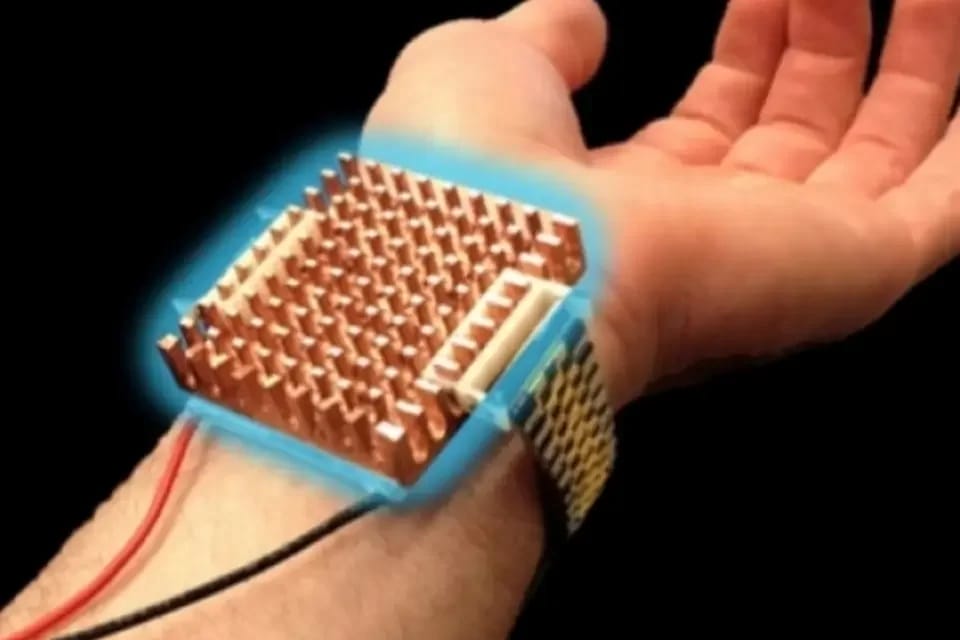
Sam Shames, one of the developers of Wristify, explains that this process creates an illusion that tricks the body into feeling cold or hot at the desired location. This unique idea can be a great alternative for those who do not have air conditioning at home, potentially playing a role in reducing energy consumption related to cooling buildings.
According to Shames, buildings consume a large amount of energy to power traditional equipment. In fact, this accounts for 16.5% of all primary energy consumed in the USA. The goal of the MIT bracelet is to reduce this number while maintaining personal thermal comfort.


The bracelet, which has gone through 15 prototypes, has a battery life of 8 hours and the sensors allow for a temperature variation of up to 0.4 ºC per second. The air-conditioned bracelet received a US$ 10,000 award in a MIT contest, and the team plans to invest the money to improve the bracelet before launching it commercially.
MIT Focuses On Electricity Energy Savings
In addition to this MIT air-conditioned bracelet, a few months ago, MIT researchers developed a type of air conditioning that operates without the need for electrical energy.
This technology is a solution to traditional equipment which has high consumption and environmental impact related to its operation. The new cooler features a passive system that combines three distinct methods: evaporative cooling, radiant cooling, and thermal insulation.
The innovative new technology from MIT researchers delivers incredible results, enabling a reduction of up to 9.3 degrees Celsius in ambient temperature. Additionally, its ability to operate without the need for energy makes it particularly attractive in areas where access to electricity is still limited, such as in rural areas and small towns in tropical countries like Brazil.
Brazilian Researcher Also Develops Air-Conditioned Bracelet
Brazilian Ranieri Silvestre developed a personal thermostat. The idea arose when he was still 16 years old and attending high school in a public school in Suzano, a metropolitan area of São Paulo.
The Apser is a bracelet that promises to maintain bodily thermal comfort through waves of cold and heat transmitted by the wearable in contact with the skin. This system can alter temperature perception in real-time, allowing constant control of sensations in hot or cold environments.
Like the technology of MIT researchers, the Brazilian air-conditioned bracelet generates controlled waves of heat and cold sent directly to the user’s wrist.
The effect created by the bracelet emulates the physical sensations generated in the brain when a person holds a hot cup of tea in a cooler environment or when a bag filled with ice water is placed on an athlete’s forehead to relieve heat from the whole body, allowing thermal perception to be altered instantly and progressively.







Seja o primeiro a reagir!