





 Portuguese
  English
  Spanish
  4 min of reading
  0 comments


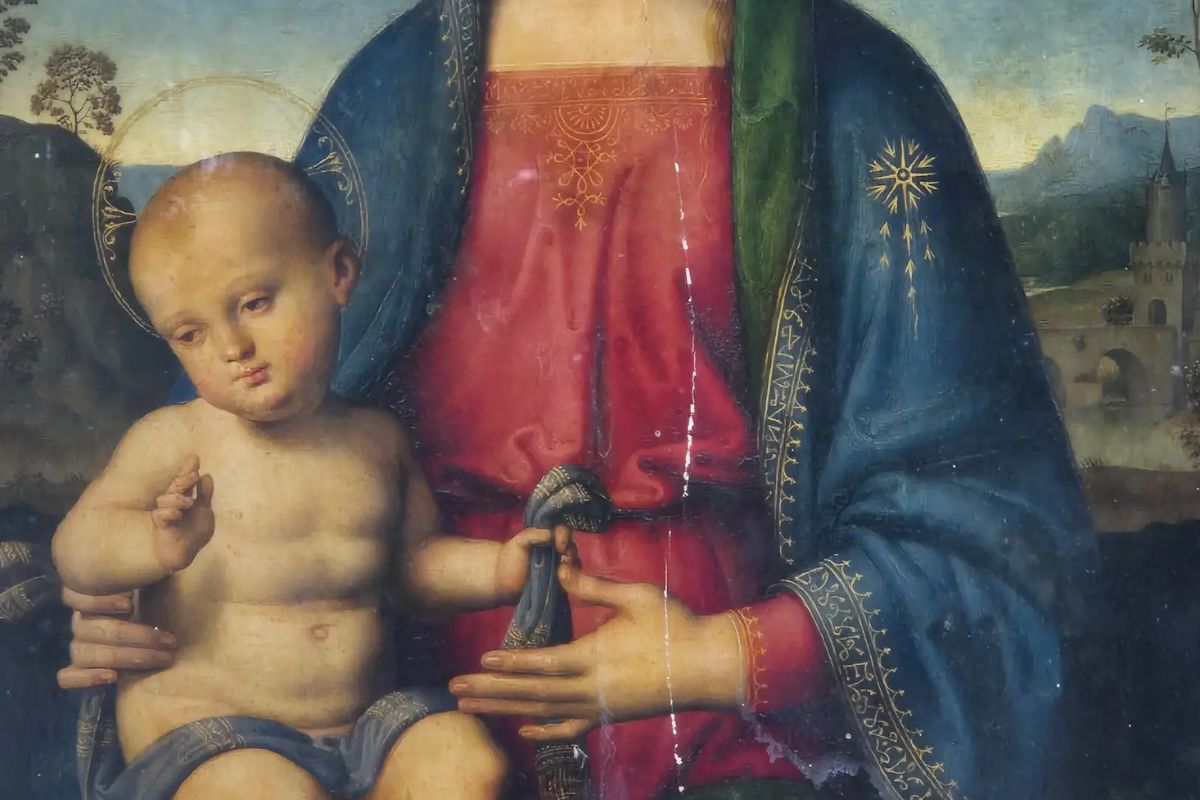
In Oxfordshire, A Dusty Panel Found Under A Bench Turned Lost Renaissance Work Of Potential. Published By JS Fine Arts, In Banbury, Jammed Phones And Sparked Online, In-Person And Phone Bidding. In 15 Minutes, It Sold For £685,000, About US$750,000, Record For The House For International Collectors.
The Case Of A Lost Renaissance Work Took On Historic Shock After A Dusty Panel, Forgotten For Years Under A Garage Bench, Came Out Of Anonymity And Found Itself At The Center Of A Chaotic Auction In The English Countryside. The Owner, A Resident Of Oxfordshire, Bought The Piece Years Ago Without Knowing Its Origin, And Only Later Saw The Painting Treated As Treasure By Experts And Buyers.
The Panel, Nicknamed Madonna And Child, Came To Be Associated With The 15th-Century Italian Painter Pietro Vannucci, Known As Perugino, Presented As A Contemporary And Artistic Rival Of Leonardo Da Vinci. From There, The Narrative Took A Quick Escalation: Publication On An Auction House’s Website, An International Bidding Frenzy, And A Hammer Falling At A Record Value.
From Dusty Garage To Renaissance Elite In A Few Days

What Was Described As “Garage Junk” Became The Focus Of Historians And Collectors When The Piece Was Identified As A Potential Lost Renaissance Work. The Panel Was Under A Bench, Next To Power Tools, Accumulating Dust, Until It Was Released By JS Fine Arts, In Banbury.
-
Tourists were poisoned on Everest in a million-dollar fraud scheme involving helicopters that diverted over $19 million and shocked international authorities.

-
Hidden beneath the dense forest of the Sierra Nevada, Betoma emerges in a neighbor of Brazil as the greatest archaeological discovery of the century, revealing a colossal ancestral city covering over 18 km², with 8,334 stone structures and the potential to rewrite the history of South American civilizations.

-
Goodbye iron: new technology from Xiaomi promises to revolutionize the way we iron clothes with 500 kPa steam, continuous flow of 120 g/min, heating in 65 seconds, and six smart modes for different fabrics.

-
Rio Pardo, the most mysterious city in Rio Grande do Sul: untouched Pampas castle, the missing treasure of the Devil Boy, bride’s saint, invisible tunnels, and a 200-year curse today.


From The Publication, The Phone Lines Were Described As Jammed, With Simultaneous Pressure From International Buyers. The Episode Was Treated As Frenzy: Mobilized Team, Multiple Bidding Channels, And An Interest That, According To The Auctioneer, “Surpassed Everything” He Had Ever Seen.
The Chaotic Auction In 15 Minutes That Broke Records
When The Auction Began, The Competition Was Described As Intense, Involving Bids Online, By Phone, And In Person. The Outcome Came In 15 Minutes, With A Private Buyer Snapping Up The Piece For £685,000, Approximately US$750,000.
The Result Broke The Auction House’s Previous Record, Which Was £285,000, And Solidified The Leap That Transformed The Forgotten Piece Into A Potential Lost Renaissance Work Of High Value. The Lead Auctioneer, Joe Smith, Described The Moment Of The Hammer As Silence Followed By Applause, A Type Of Scene That, According To Him, Every Auctioneer Dreams Of Experiencing.
Why Perugino Matters And How He Enters History
The Artist Associated With The Painting, Pietro Vannucci, Perugino, Is Cited As One Of The Most Celebrated Painters Of The Italian Renaissance. He Was Nicknamed “Il Perugino” And Was Once Considered On Par With The Creator Of The Mona Lisa, Being Described As A Contemporary Of Leonardo Da Vinci.
The Name Also Appears Linked To The History Of The Sistine Chapel: Perugino Was Reportedly Chosen, Along With Sandro Botticelli, To Decorate The Walls Of The Space Before Michelangelo Gained Fame With The Ceiling. The Historical Weight Reinforces Why The Hypothesis Of A Lost Renaissance Work Is Sufficient To Ignite The Market And Drive Prices.
Quality, Elegance And The Experts’ Argument
The Reading Of Experts Cited In The Case Is That The Serene Portrait May Be Authentic And By Perugino. The Auctioneer Reported That The More One Looked, The More One Noticed The Quality Of The Work And The Elegance Of The Renaissance Details, Arguments That Typically Support Interest When There Is Still Uncertainty About Provenance.
This Appreciation Also Resonates With The Historical Influence Attributed To The Painter. The Graceful Figures And Soft Landscapes Of Perugino Are Pointed Out As Decisive Influences On His Favorite Student, Raphael, Who Later Would Outshine The Master.
Authentication, Restoration And What Happens After The Hammer
After The Purchase, The New Owner Remained Anonymous And Would Have Sent The Work To A Restorer While Research On Its Origin Continues. The Central Point Now Is Authentication: If Authenticated, The Piece May Join The Group Of Valuable Works By Perugino Present In Major Museums.
Among The Examples Cited Is The Victoria & Albert Museum, In London, Which Allegedly Acquired One Of The Artist’s Frescoes In 1862, Reinforcing How The Confirmation Of A Lost Renaissance Work Can Change The Institutional Relevance Of The Piece And, Consequently, Its Public Trajectory.
From Junk To Luxury And What This Case Says About The Art Market
The Strongest Image Of The Episode Is The Immediate Transformation: A Piece Forgotten Under A Garage Bench Crossed The Boundary Between Domestic Neglect And Renaissance Elite, With Six-Digit Values In Just A Few Minutes. From Dust To Record, The Story Stands On The Combination Of Surprise, Historical Narrative And The Possibility Of A Lost Renaissance Work Entering The Catalog Of A Master.
Now, With Restoration Underway And Investigations Open, The Case Remains A Harsh Reminder For The Market: A Plausible Attribution, Even If In The Confirmation Phase, Is Sufficient To Rearrange Expectations And Produce Chaotic Auctions In Record Time.
Do You Believe This Lost Renaissance Work Is Indeed By Perugino, Or Do You Think It’s More Likely That The Story Is Inflating The Value Before Final Authentication?









-

-

2 pessoas reagiram a isso.