





 English
  Francês
  Alemão
  Italiano
  Japonês
  Norueguês
  Portuguese
  Spanish
  3 min of reading


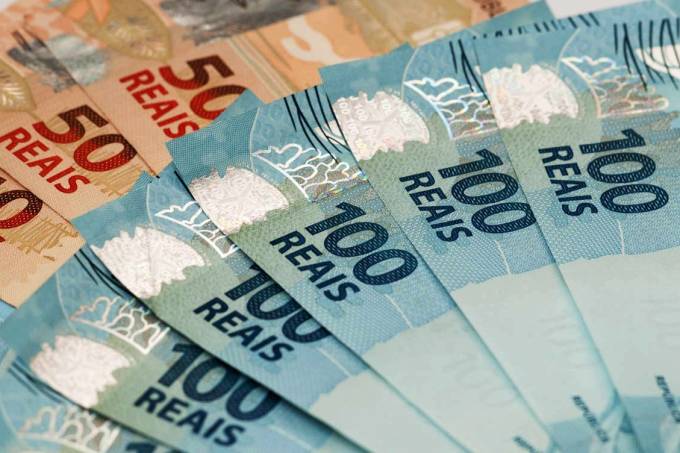
Both the Selic rate and inflation are strong determinants for the Brazilian economy because they dictate the interest rate and even the exchange rate, such as that of the North American dollar. Currently, the IPCA is centered at 10.2% with an accumulation up to September, while the basic interest rate saw percentage increases in October that resulted in a total of 7.5% per year.
For the year 2022, an analysis published by Pantheon predicts that it will rise to more than 11% per year. However, the COPOM, which is responsible for the analyses and variations every 45 days, argues that the forecast is 8.5% per year, having one last rate increase in December. It is not estimated that, in another year, the percentage value will exceed this expectation.
Where Does the Selic Rate Directly Impact?
In February of this year, the Selic rate was around 2% per year. Thus, loans and financing tended to be cheaper, banks charged higher interest, and paid lower yields. For example, an investment of 100% of the CDI was worth only 1.9% per year at that time. But, with the change in interest rates, those who take out loans or financing pay more, just as those who lend money to banks through investments receive more: now, an investment of 100% of the CDI is yielding around 7.4%.
-
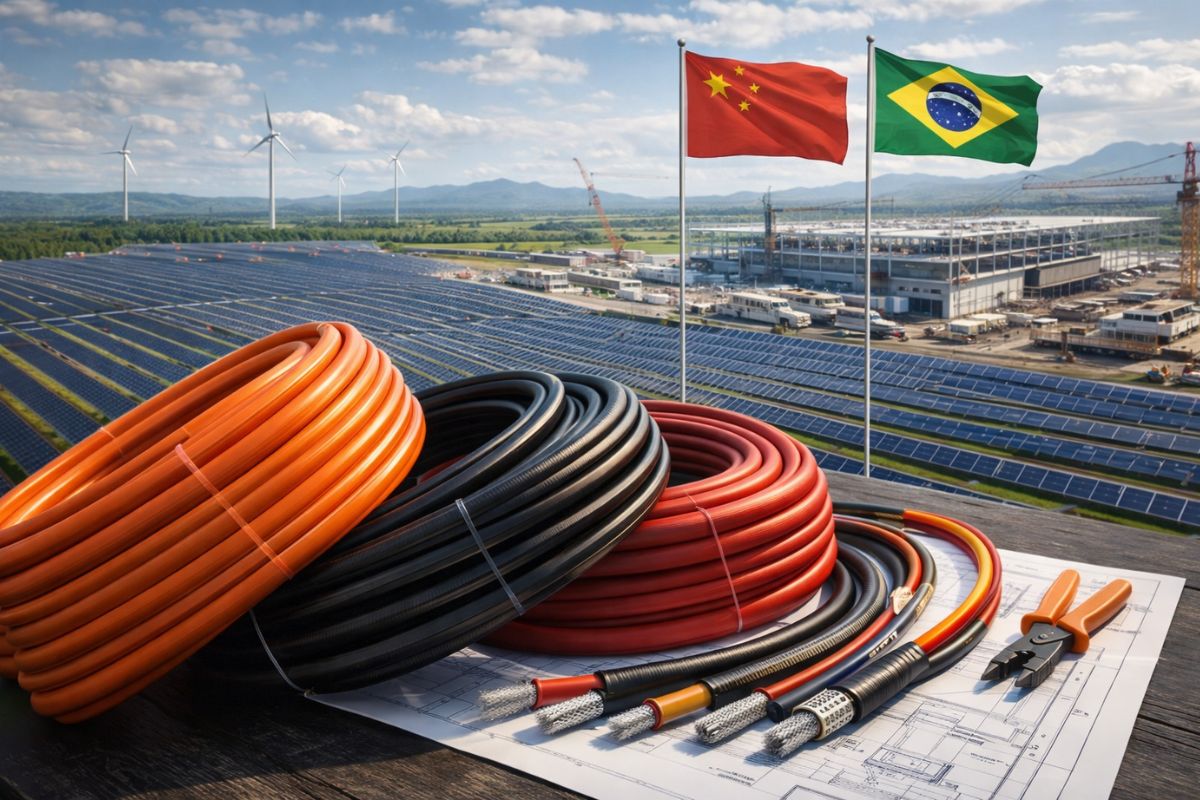
Chinese giant worth nearly R$ 4 billion that manufactures cables for electric cars, solar energy, and robotics wants to open a factory in SC.
-
Many employers do not know, but the law guarantees domestic workers a 25% increase in salary during trips, 50% for overtime, 20% for night shifts, and 17 additional benefits that can lead to labor lawsuits if not paid.

-
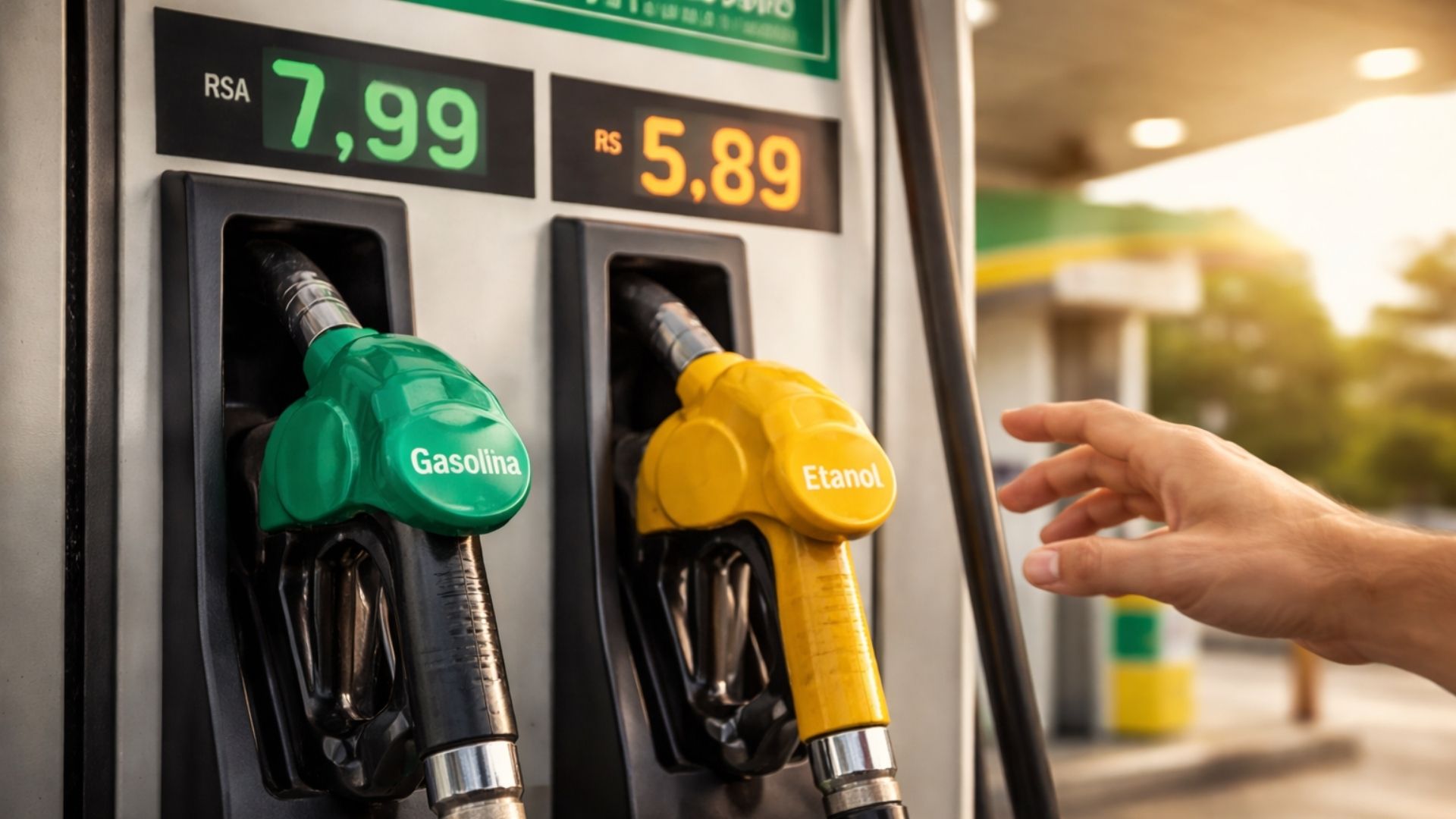
Gasoline prices soar and the question arises: is ethanol more advantageous? The 70% rule reveals the limit with gasoline.
-
The government has made a decision and is starting a test with more ethanol in gasoline, anticipating a mixture of up to 35%, diesel with 25% biodiesel, and a study to assess the impacts on engines.

Due to the higher yield from fixed income, some investments are no longer viewed favorably: Inter Bank offers investments that yield only 3% per year in real estate funds, which until then, with the drop in the Selic, were more profitable (since a CDB typically yielded less than 2%). But nowadays, with fixed income over 10% in some cases like LCI and LCA, these funds are being left behind or investors are opting for alternatives such as asset funds (which invest in Bitcoin and other currencies) and even multimarket funds (which usually invest in the stock market).
With the rise of the Selic rate, it is possible to find alternatives yielding up to 13% per year with average risk at brokers like Nu Invest and Invest Inter. Which was not possible before.
The decision to change the Selic rate was made after the constant increase in inflation. Thus, this would be a way to withdraw money from circulation and encourage people to invest in banks. One of the reasons for the high amounts released into the market and which increased the IPCA was the emergency aid, which had been paid since April 2020.
Increase in Inflation Leaves Yields Null at Low Selic
Assuming the Selic is at 2% as in February. But inflation is at 10.2%. An investment of R$ 1,000 would yield R$ 20 per year. However, the monetary loss from the IPCA and the devaluation of money, as well as the decrease in purchasing power, is R$ 102. Thus, there was no profit in the investment, but rather losses: 102 – 20 = 82. The individual loses R$ 82 by leaving the money in the institution. Therefore, as a way to stimulate investments, which were down, the interest rate increased: now, it is possible to surpass inflation rates, achieving more satisfactory results in a year.
And, of course: the less people invest, the more money circulates, the higher the inflation, and the higher the prices of products and services. Everything works like a chain. By keeping the money saved and invested, one can ensure a balance, especially during the payment of federal government emergency aid.









Seja o primeiro a reagir!