





 English
  Francês
  Alemão
  Italiano
  Japonês
  Norueguês
  Portuguese
  Spanish
  4 min of reading


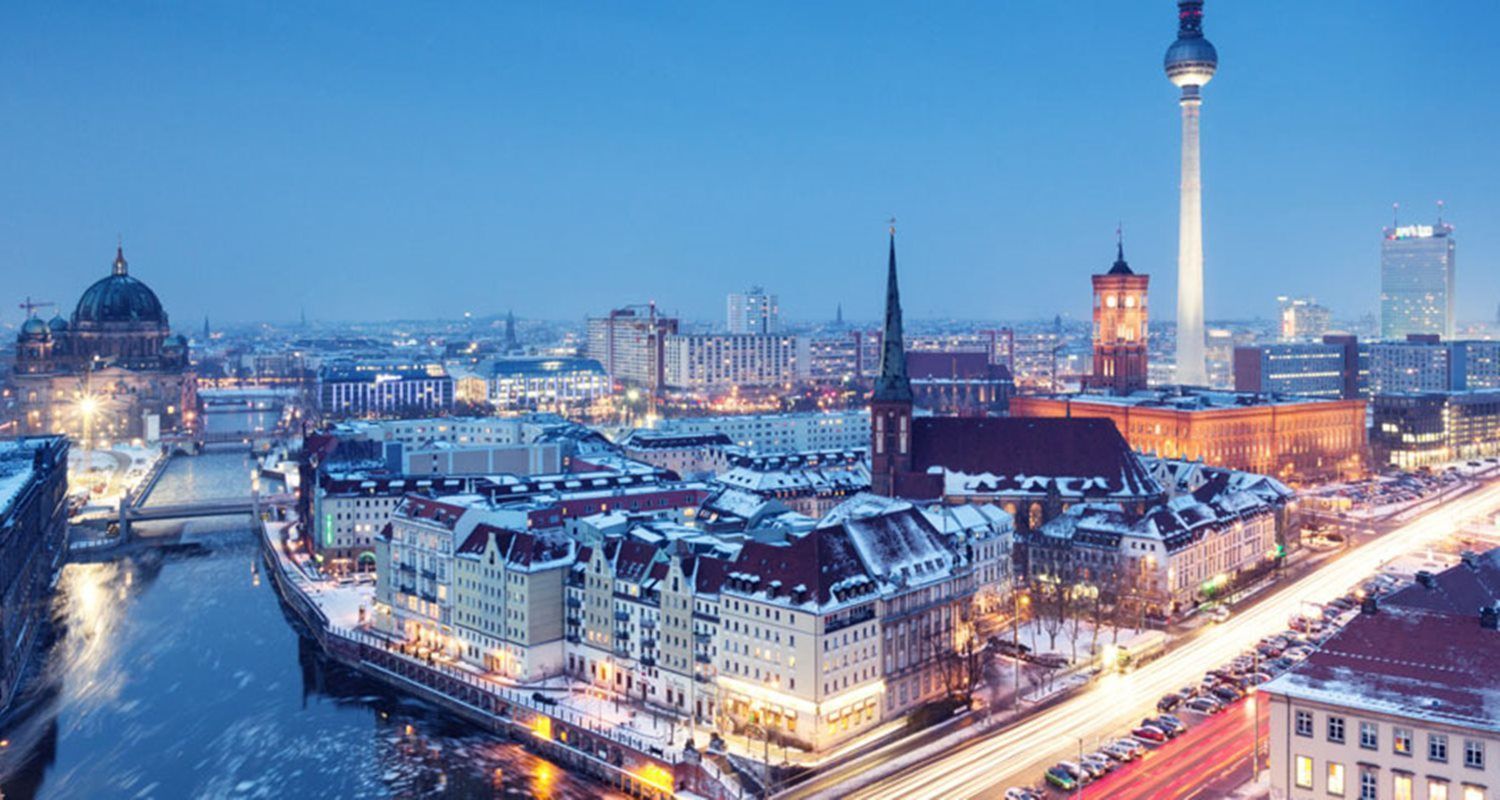
Around the world, countries have begun to open their borders after weeks of closure during the coronavirus pandemic. In Europe, the situation is still uncertain, and each country is imposing its own schedule and rules for reopening its borders.
Since early July, the EU has reported that the bloc is opening its external borders to 15 countries. They are Algeria, Australia, Canada, Georgia, Japan, Montenegro, Morocco, New Zealand, Rwanda, Serbia, South Korea, Thailand, Tunisia, Uruguay, and China (subject to confirmation of reciprocity).
However, member states are not legally obligated to follow these recommendations. According to the EU, the list will be updated every two weeks.
-
Unemployment rises again to 5.8% at the beginning of 2026, raising alarms about the end of temporary positions and its impact on the Brazilian job market.

-
Document organization can cut invisible costs in small businesses, a simple step that prevents waste, rework, and losses in daily operations.

-
Chinese giant worth nearly R$ 4 billion that manufactures cables for electric cars, solar energy, and robotics wants to open a factory in SC.

-
Many employers do not know, but the law guarantees domestic workers a 25% increase in salary during trips, 50% for overtime, 20% for night shifts, and 17 additional benefits that can lead to labor lawsuits if not paid.


ALBANIA
Commercial flights reopened in Albania on June 15. All residents and European citizens can enter Albania. You can fly to Albania from Austria, Germany, Greece, Italy, Serbia, the United Kingdom, and Turkey.
AUSTRIA
It opened its borders on June 4 to Germany, Switzerland, Liechtenstein, Slovakia, Slovenia, Hungary, and the Czech Republic, and Italy on June 16. Travelers from Portugal, Sweden, and the United Kingdom must self-isolate for two weeks. If you are traveling from any other country to Austria, you must present a medical certificate proving that you have a negative COVID-19 test (the certificate cannot be more than four days old).
BELGIUM
Belgium opened its borders with the EU, the United Kingdom, and Switzerland, Liechtenstein, Iceland, and Norway. There is no quarantine requirement or integrity certificate.
BOSNIA AND HERZEGOVINA
It is only open to people from Croatia, Montenegro, and Serbia. Exceptions include freight drivers, residents, and diplomats.
BULGARIA
On June 1, Bulgaria’s borders were opened to Andorra, Monaco, the United Kingdom, San Marino, Serbia, and North Macedonia, as well as Bosnia and Herzegovina and Montenegro. However, exemptions remain for Belgium, Portugal, Sweden, and the United Kingdom, which must self-isolate for 14 days.
CROATIA
It opened its borders in mid-May, without restrictions for nationals of the Czech Republic, Hungary, Austria, Estonia, Latvia, Lithuania, Poland, Slovenia, Germany, and Slovakia. However, on June 25, Croatia imposed quarantine on travelers from North Macedonia, Serbia, Kosovo, and Bosnia. Borders remain open for citizens of the United Kingdom and the EU without the need for quarantine.
DENMARK
Most of Denmark’s borders have reopened for EU countries. However, Denmark remains closed to Sweden and Portugal, but a list of open and closed countries is updated weekly.
FINLAND
As of June 15, Finland allowed travelers from Norway, Denmark, Iceland, Latvia, and Lithuania to enter without the need for quarantine. On July 13, travel restrictions for Germany, Italy, Austria, Greece, Switzerland, Slovakia, Slovenia, Hungary, Liechtenstein, Ireland, Cyprus, and Croatia will be lifted.
FRANCE
Travelers from EU member states can visit France starting June 15, without the need for quarantine upon arrival. However, travelers from Spain and the United Kingdom are being asked to voluntarily quarantine for 14 days.
GERMANY
On June 15, Germany lifted border restrictions for those traveling from the EU, Norway, Iceland, the United Kingdom, Liechtenstein, and Switzerland. Germany chose to extend its travel advisories for outside the EU until August 31.
ITALY
After a nationwide lockdown that took effect on March 9, Italy opened its borders on June 3 to the EU, the United Kingdom, the Schengen area, Andorra, and Monaco, as well as Vatican City and San Marino. Travelers from these countries do not need to quarantine unless they have been in a different country 14 days prior to arriving in Italy.
NETHERLANDS
Now, EU citizens, including British citizens, can enter the Netherlands. Those entering from the United Kingdom and Sweden are being asked to self-isolate for 14 days. There are still strict requirements regarding social distancing, agitation, and hand washing.
NORWAY
Travelers from EEA/Schengen countries with acceptable infection levels will be able to visit the country starting July 15. Norway’s Institute of Public Health will update a map showing areas exempt from quarantine tax on July 10. The list will be updated every two weeks. Those leaving Norway for international travel must quarantine for 10 days.
RUSSIA
On June 8, Russia partially reopened its borders. The government said that travel abroad is allowed for professional, medical, or study purposes, as well as caring for relatives. There is no date set for the resumption of international flights that were suspended at the end of March.
SPAIN
On June 21, Spain opened its borders to the United Kingdom, EU member states, and countries in the Schengen area, none of which require self-isolation. Portugal was the only exception to the rule, but the border between the two countries reopened on July 1.
SWEDEN
Sweden imposed border restrictions, but this only applies to non-essential travel from countries outside the EU/EEA, with the exception of the United Kingdom and Switzerland.
UNITED KINGDOM
As of June 8, visitors from abroad were required to quarantine for 14 days. Countries exempt from this measure include those traveling from the Isle of Man, Channel Islands, and Ireland. As of July 3, the United Kingdom announced plans to remove its quarantine rule for several countries it considered low risk, including France, Spain, Germany, and Italy. On July 10, this took effect, meaning that people traveling from these countries will not need to self-isolate for 14 days.









Seja o primeiro a reagir!