





 English
  Francês
  Alemão
  Italiano
  Japonês
  Norueguês
  Portuguese
  Spanish
  12 min of reading


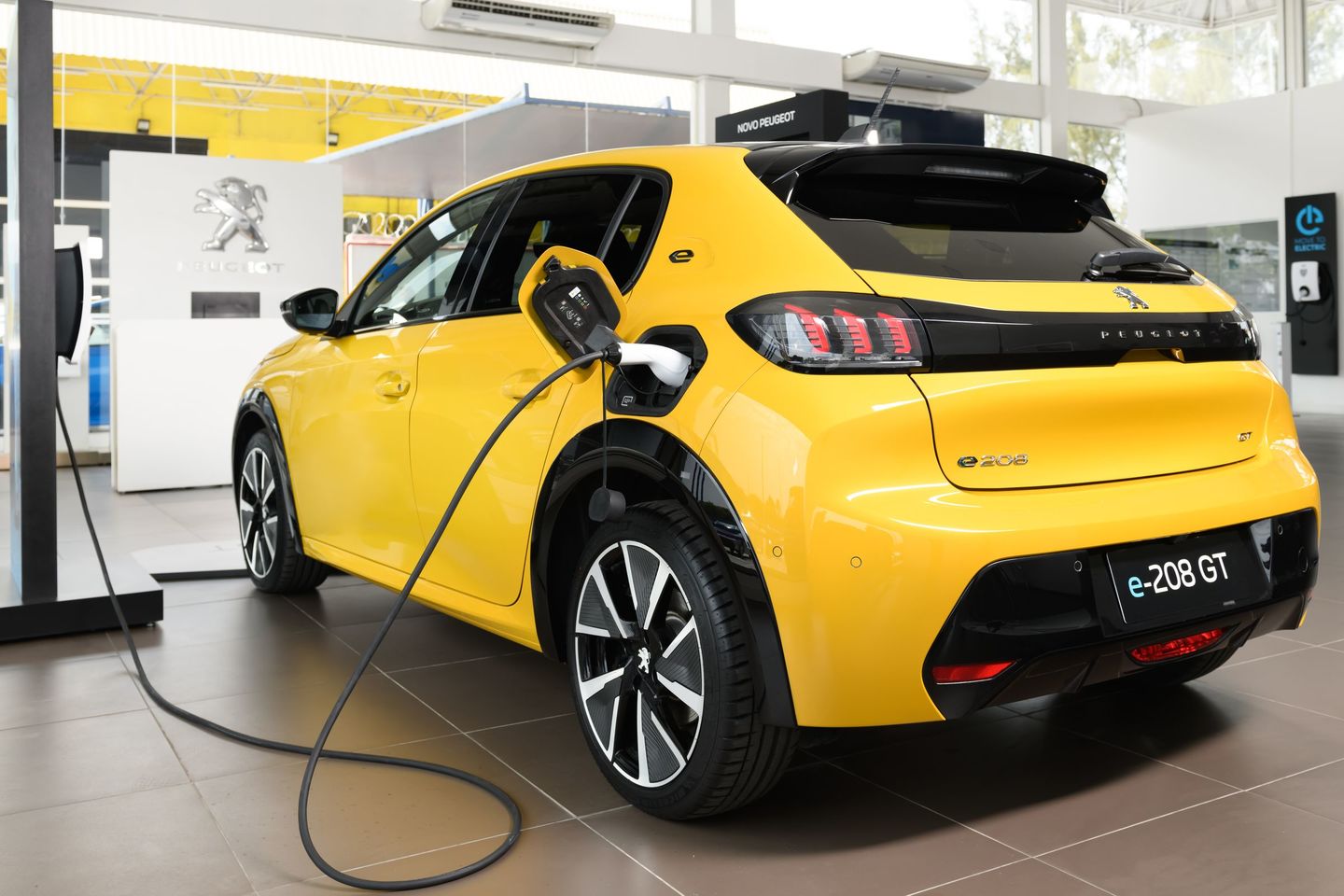
Electric Cars Are A Great Global Advance, As They Combine Technology And Sustainability In The Automobile Sector
Initially, the electric car has become popular in recent years in Brazil. However, there is still a large portion of the population that does not know much about this type of vehicle.
- UrbMidia Partners With Startup Tupinambá To Invest In Charging Stations For Electric Cars In The Northeast
- Chinese Manufacturer Partnering With Nissan And Renault Starts Mass Production Of Batteries With 1,000 Km Range For New Electric Cars
- With Artificial Intelligence And A Self-Regenerating Grille, BMW’s New Electric SUV Model Will Be In Stores In Brazil Starting In April
- Electric Cars Raise Doubts About Battery Explosion Risks. Tesla Is Involved In Fire Cases
First of all, the popularization of electric vehicles, compared to other countries, has been slower in Brazil. However, even amid the pandemic, the sales of this type of car have increased.
Next, according to data from ABVE – Brazilian Electric Vehicle Association, in 2021 Brazil had its best four-month period regarding electric car sales, totaling 7,290 registered vehicles.
-
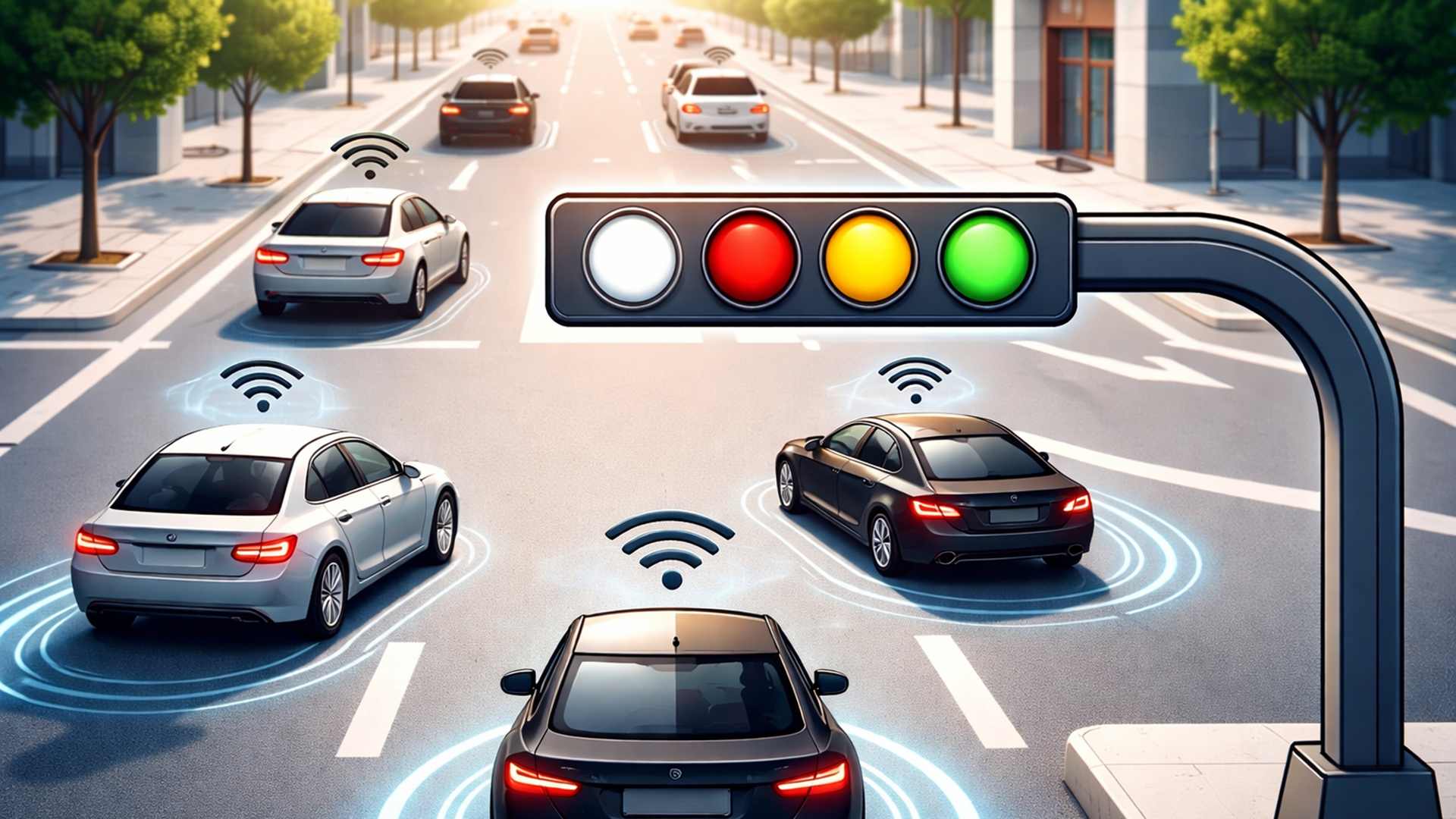
Engineers propose a fourth traffic light for intersections – the change promises to affect crossings, queues, and waiting times.
-
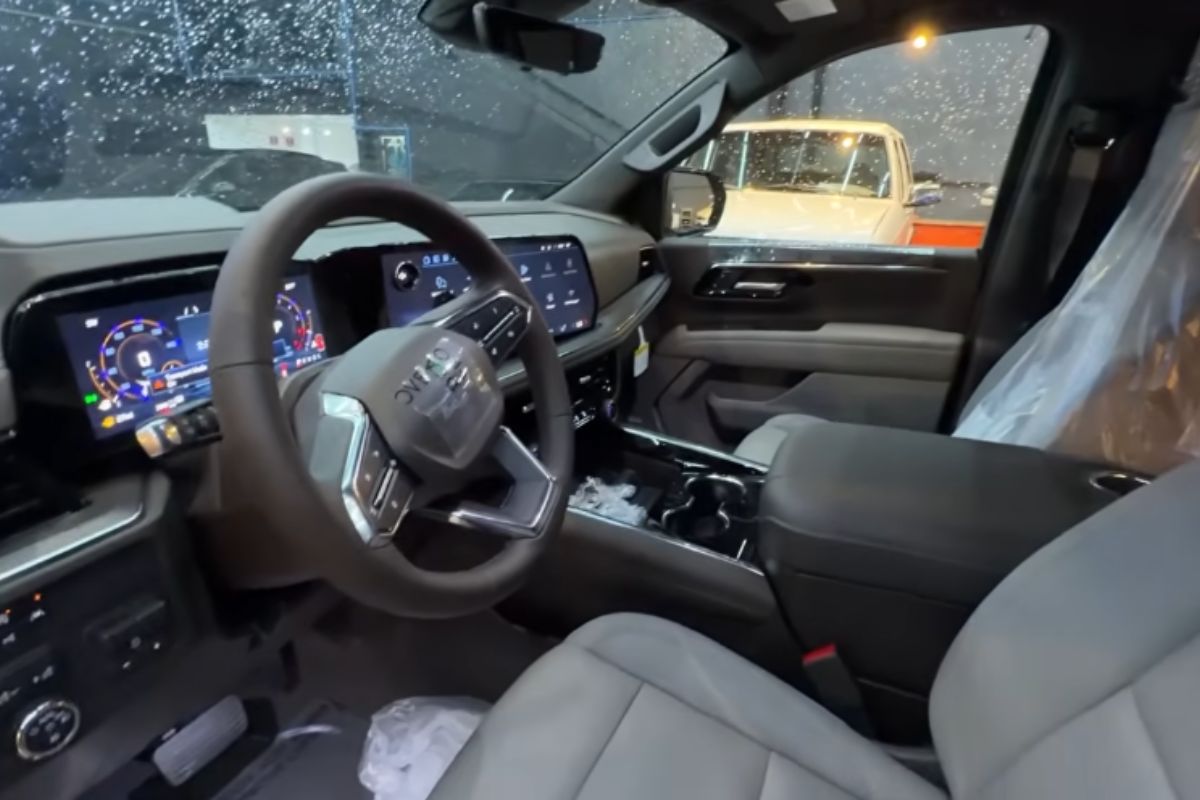
Chevrolet Suburban Z71 lands in Brazil with a V8 engine, off-road design, air suspension, seven seats, and colossal size, a rare version imported for around R$ 1.3 million with luxury and exclusivity.
-
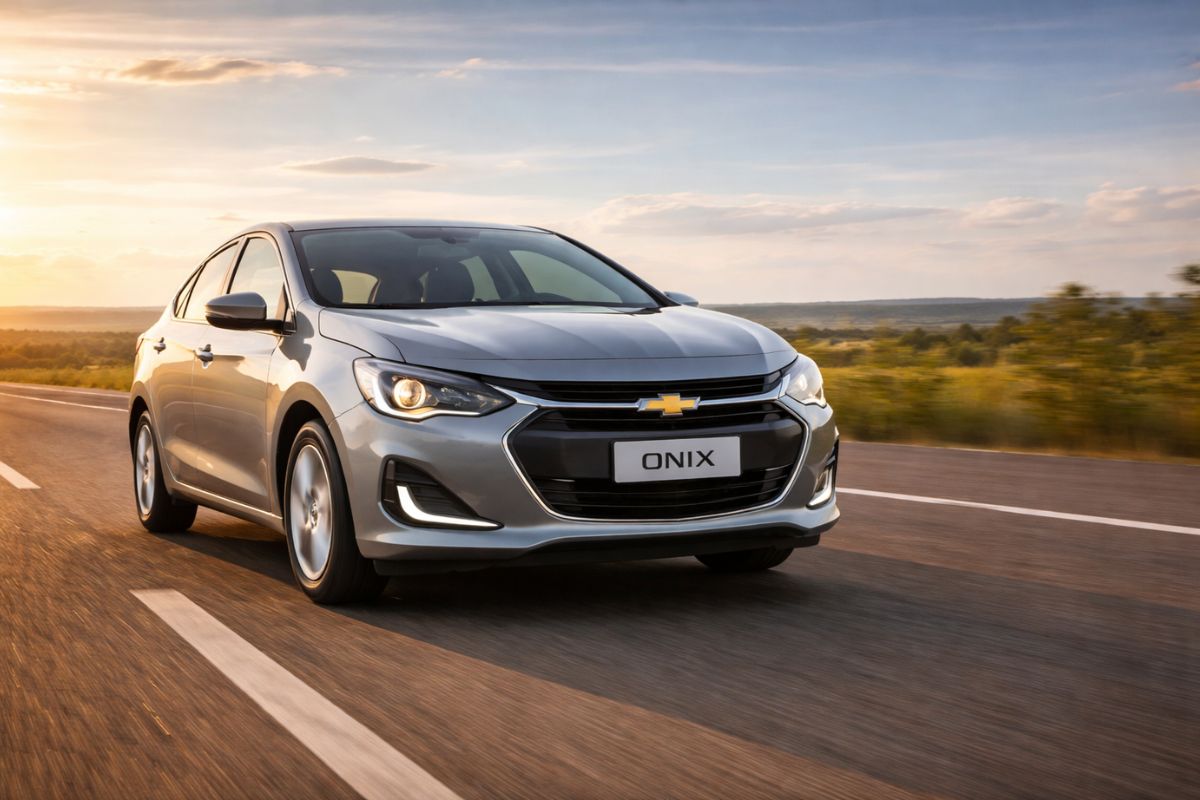
The Chevrolet Onix 1.0 turbo achieves 17.7 km per liter on the highway and ranks among the three most economical cars in Brazil in 2026, alongside two more expensive Toyota hybrids available at dealerships.
-
Little sister of the Hilux: Toyota launches Land Cruiser FJ with 4 radical versions, 2.7 engine with 166 hp and 4×4 traction with locking.
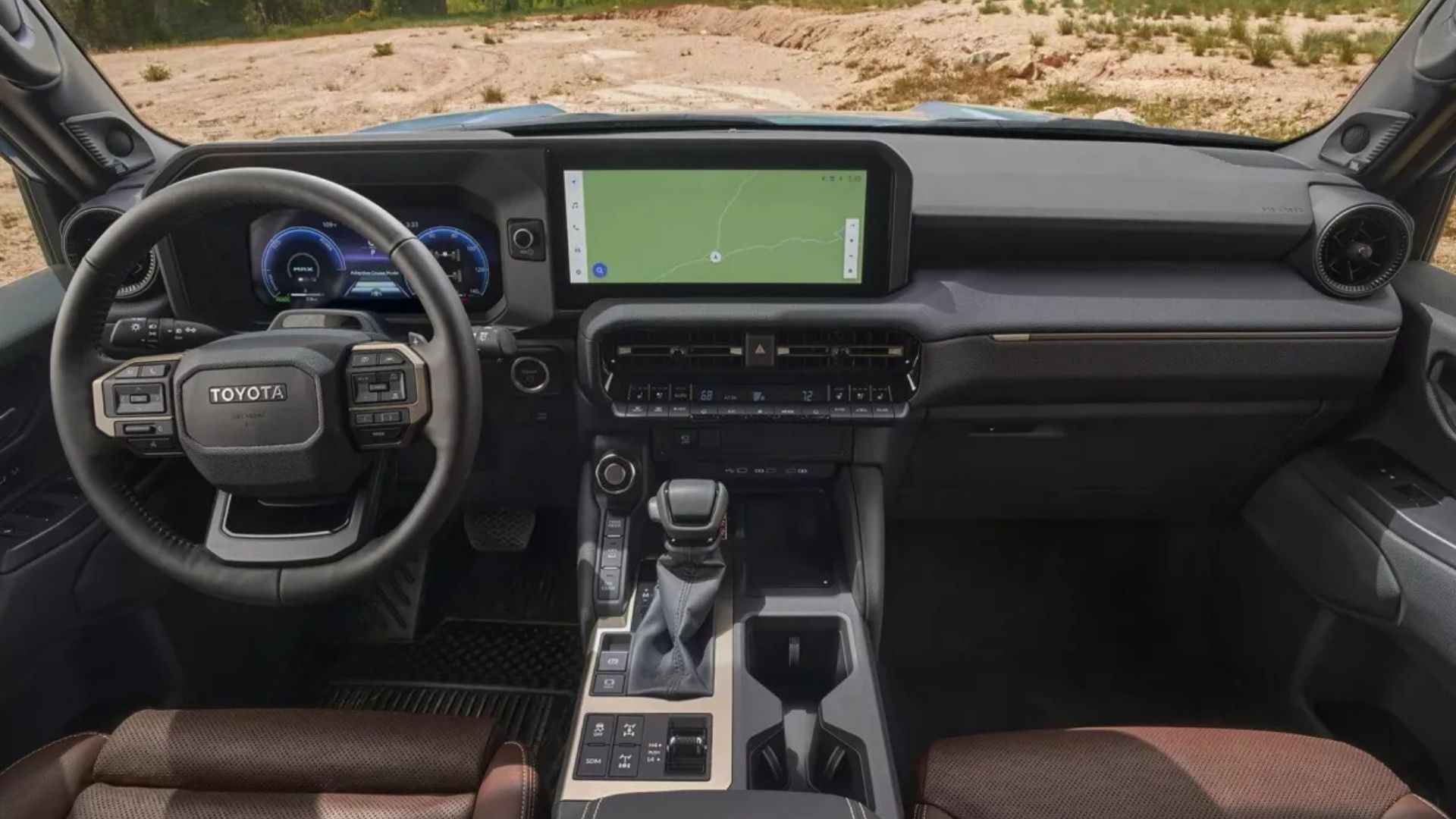

But what is an electric car?
To start the conversation, an electric vehicle is powered exclusively by electric energy. Thus, this type of car can have one or more motors, according to the energy capacity of the batteries.
Therefore, the electrified car is different from a hybrid car, as the latter can combine motors powered by electricity and combustion. Thus, hybrid cars manage which motor to use according to conditions.
Replacement Parts For Electric Cars
Continuing, many people have questions about parts for electric vehicles. In this sense, it is important to highlight that the production chain tends to adapt to consumer market demands.


Thus, according to industry specialists in automotive parts and the Brazilian automotive replacement market, the prognosis is that the most substantial changes will indeed happen within the next ten to fifteen years.
However, this does not mean that the retail market should remain stagnant. On the contrary, the indication is for this sector to stay updated to meet the demands for electric car parts, such as batteries, for example.
So, Are The Maintenance Costs Of Electric Cars Higher?
Initially, this is a question that affects many people. Thus, although electric cars are more expensive than conventional combustion vehicles, the subsequent costs tend to be lower.
In summary, this is related to the fact that electrified cars are more durable and have fewer parts. Furthermore, they are more resistant and break less.
In other words, when we compare to combustion cars, electric cars do not use spark plugs, lubricating oils, engine coolant fluid, among other components.
On the other hand, what can end up making costs higher is the battery. Since the vehicle runs on electric energy, the batteries must be powerful and large. In addition, the batteries of these cars are quite specific.
Thus, this ends up increasing maintenance service costs.
Finally, the auto parts sector for electric vehicles has grown significantly in the global scenario. And, as you might imagine, one of the most important components for these cars is the batteries.
Thus, The Ten Largest Manufacturers Of Electric Car Batteries In The World Are:
- LG Chem
- Panasonic
- CATL
- Samsung SDI
- BYD
- AESC
- SK Innovation
- GS Yuasa
- Wanxiang 123
- Lishen
Preventive Maintenance Of Electric Cars
To begin, as we mentioned earlier, the electric car has fewer parts in its structure. For example, many parts related to the combustion engine of conventional cars are not present in electrified cars.
Thus, being structured with fewer parts, the electric car tends to have simpler maintenance as well. Despite this, maintenance requires a lot of attention, as any error can lead to serious physical damage.
First, the maintenance of electric cars is performed in the same way as conventional cars when it comes to non-electrified elements, such as suspension or brakes.
However, regarding the components responsible for electricity, it is strictly necessary to have qualified labor.
That said, some examples of components related to electricity include inverters, converters, traction battery, and high-power cables – which are orange in color. Thus, for these and other elements, it is important to follow intrinsic procedures.
Thus, these specific procedures are defined by the vehicle manufacturers and must be followed properly and correctly. Therefore, the importance of having qualified professionals is highlighted.
Now, How About We Talk A Bit About The Importance Of Preventive Maintenance For An Electric Car?
Primarily, as you can imagine, electric cars require a larger investment at the time of purchase. Therefore, keeping maintenance up to date is very important, as it allows increasing the vehicle’s lifespan.
Thus, an electric car requires care such as proper washing, correct driving, battery recharging, and much more. Therefore, preventive maintenance aims to prevent possible future problems.
Consequently, preventive maintenance allows for the inspection of all the assemblies that make up electrified cars. Additionally, it can foresee the breakage of parts due to wear and perform preemptive replacements.
Finally, The Main Advantages Of Preventive Maintenance For These Vehicles Are:
– Greater Safety: By checking the proper functioning of the vehicle’s components, the chances of accidents or failures occurring are reduced. This, in turn, provides greater safety for the driver, passengers, and third parties.

– More Savings: in addition to enhancing safety, preventive maintenance also generates financial savings. This happens because by anticipating and avoiding possible unforeseen events, expenses are also saved.
Therefore, the preventive maintenance of electric cars is very important. For this reason, it is essential to have well-qualified companies and professionals, as errors can put lives at risk.
Charging Costs Of An Electric Car Compared To Fuel
Continuing, among the various benefits of acquiring an electric car are: zero emissions of polluting gases (resulting from burning fuels), there are models that are almost silent, cheaper maintenance, among others.
However, one of the points that is definitely worth emphasizing is the charging cost. Thus, as you know, electric cars use battery-powered motors. Therefore, the batteries need to be recharged.
So, to exemplify these costs, why not compare electric cars with conventional fuel-powered cars?
In this sense, we will start from the fact that the price of gasoline is approximately six reais per liter. Thus, for a person to fill the tank of their vehicle, they would need to pay around three hundred reais.
Now, when we talk about a person who owns an electric car, we are talking about a cost of approximately twenty-three reais to fully recharge the battery.
Thus, it is possible to see a cost about ten times lower. It is important to highlight that the amount to be paid for each charge of an electric car’s battery can be calculated very easily.
Thus, the owner of the electric vehicle only needs to check the number of watts recorded on the vehicle’s charger. After that, it is simply a matter of multiplying that number by the time it was plugged into the outlet.
Next, the value obtained from that multiplication will be presented in kilowatt-hours or kWh. Thus, this value is defined by ANEEL – National Electric Energy Agency and may vary by region in Brazil.
To conclude, we have provided some electric car models as examples of battery charging costs. However, it is important to highlight beforehand that we followed the average kWh rate in the state of São Paulo.
1 – JAC e-JS1 Model: this electric car model has a battery capacity of up to 30 kWh and presents an average battery charging cost of thirty-three reais.
2 – Renault Zoe Model: another electric car model from Renault has a battery capacity of up to 25 kWh and an average battery charging cost of approximately fifty-five reais.
3 – Mini Cooper SE: this electric car has a battery capacity of up to 32 kWh and an average battery charging cost of approximately thirty-five reais.
4 – Chevrolet Bolt: the electric car from Chevrolet has a battery capacity of up to 60 kWh and an average battery charging cost of approximately sixty-six reais.
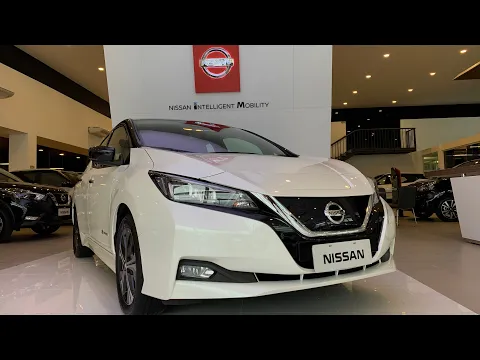
5 – Nissan Leaf: arriving at the Nissan electric car. This vehicle has a battery capacity of up to 40 kWh and presents an average battery charging cost of approximately forty-four reais.
6 – Audi e-tron: this electric car has a battery capacity of up to 77 kWh and presents an average battery charging cost of approximately eighty-five reais.
7 – Volvo XC40 Electric: the penultimate electric car on our list has a battery capacity of up to 78 kWh and presents an average battery charging cost of approximately eighty-six reais.
8 – Porsche Taycan 4S: the last electrified car on our list has a battery capacity of up to 80 kWh and presents an average battery charging cost of approximately eighty-eight reais.
Average Range Of An Electric Car
Next, our next topic refers to a very decisive point for investing in an electric car. Thus, many people are afraid of owning an electric vehicle and running out of battery in the middle of the road.
Thus, the importance of knowing this information about range is worth highlighting. This is because the infrastructure for charging these cars in Brazil is still very deficient compared to foreign countries.
Therefore, knowing the range of different electric car models is relevant for determining the best option when investing your money. Additionally, it is important information for financial planning.
In any case, this is a point that is much studied by companies manufacturing electrified cars. Thus, the trend is that future electric vehicles will come to market with larger, more powerful batteries and fast charging capabilities.
To illustrate, we brought the same models from the previous topic to discuss their range.
- JAC e-JS1 Model: battery capacity of up to 30 kWh and presents an average battery charging cost of thirty-three reais. Range: 300 km.
- Renault Zoe Model: battery capacity of up to 25 kWh and presents an average battery charging cost of approximately fifty-five reais. Range: 385 km.
- Mini Cooper SE: battery capacity of up to 32 kWh and presents an average battery charging cost of approximately thirty-five reais. Range: 234 km.
- Chevrolet Bolt: battery capacity of up to 60 kWh and presents an average battery charging cost of approximately sixty-six reais. Range: 416 km.
- Nissan Leaf: battery capacity of up to 40 kWh and presents an average battery charging cost of approximately forty-four reais. Range: 272 km.
- Audi e-tron: battery capacity of up to 77 kWh and presents an average battery charging cost of approximately eighty-five reais. Range: 436 km.
- Volvo XC40 Electric: battery capacity of up to 78 kWh and presents an average battery charging cost of approximately eighty-six reais. Range: 416 km.
- Porsche Taycan 4S: battery capacity of up to 80 kWh and presents an average battery charging cost of approximately eighty-eight reais. Range: 408 km.
Therefore, it is possible to see that there are car models focused on urban areas or designed for shorter trips, like the Mini Cooper and the Nissan Leaf. Because of that, these models with lower range tend to be cheaper.
However, models that have a range exceeding 400 kilometers, such as the Audi e-tron, Volvo XC40, and Porsche Taycan 4S, are priced higher. Thus, these models are considered premium.
Are There Mechanic Shops In Brazil For Electric Cars?
Continuing, this topic arrives to answer another important question for the consumer market of electric cars. So, are there already mechanic shops for electric cars in Brazil?
In summary, the electric car sector is still considered a more luxury tier in our country. However, its popularity has been gradually increasing. Because of this, the sector encompassing mechanics and similar services has also changed.
So, as electrified cars have a different composition from combustion-powered cars, the demand for mechanic shops or specialized professionals is growing in Brazil.
Thus, it is necessary to invest in employee training and qualifications. Furthermore, new tools will also be used, making it yet another area that will require updating.
So, what areas will mechanics cover concerning electric cars?
– Suspension: when talking about electric cars, it is common for people to forget about other systems that make up the vehicle. However, only the engine is modified; the other components remain the same.
Thus, even though the car is powered by electricity, it still requires proper suspension systems. Therefore, it is an important part of the mechanical service provision.
– Steering: this is also a vital part of the vehicle. Additionally, another relevant point is that tires wear out more quickly due to the greater acceleration from the electric motor.
– Brakes: next, the brakes of electric cars will need to have greater durability. This is because this type of car allows for speed reduction through the energy regeneration system.
– Repairs: following, we’ll talk about repairs. Moreover, we will continue to discuss them, at least until automated cars become a reality for Brazilians.
Thus, accidents will continue to happen, and owners will continue to need this type of service.
– Electricity: continuing, it is important to remember that besides the motor, there are other components related to the electrical part, such as windows, windshield wipers, headlights, sunroofs, among many others.
– Air Conditioning: next, air conditioning systems are another very important part in cars in general. Therefore, there are many shops focused on this specific type of maintenance.
In conclusion, we have found that the electric car sector has been experiencing some popularity in recent years. And this process tends to intensify over the next ten to fifteen years.
Therefore, it is crucial for business owners in the mechanic shop sector to prepare their employees with updates on knowledge and new services.
In this way, it will be possible to provide services to owners of conventional, hybrid, and electric cars.
Average Costs Of Electric Cars In 2022 Compared To Previous Years
First of all, according to ABVE – Brazilian Electric Vehicle Association, Brazil entered 2022 with very positive numbers regarding the commercialization of electricity-powered cars.
According to data from ABVE, the country surpassed the number of electric car sales. Thus, there was a growth of approximately 93% compared to the number in January 2020 and 63% compared to January 2021.
But speaking a bit about forecasts, the sector responsible for automobiles expects that only from the year 2031 onwards will electric vehicles become an advantage and a possibility for a large part of Brazilians.
This should happen because of the constant rise in the prices of fossil fuel. Additionally, the manufacturing costs of batteries are expected to drop, enabling a boost in the market.
Nowadays, as you may already know, electrified cars are a reality only for people with greater financial power – due to the prices that this type of car has.
But after all, how much does an electric car cost in Brazil?
Next, to answer this question, we will once again bring forward the examples of automotive models used throughout this article.
- 1 – JAC e-JS1 Model: battery capacity of up to 30 kWh. Range: 300 km. Price: approximately 150 thousand reais.
- 2 – Renault Zoe Model: battery capacity of up to 25 kWh. Range: 385 km. Price: starting at 205 thousand reais.
- 3 – Mini Cooper SE: battery capacity of up to 32 kWh. Range: 234 km. Price: starting at approximately 240 thousand reais.
- 4 – Chevrolet Bolt: battery capacity of up to 60. Range: 416 km. Price: approximately 317 thousand reais.
- 5 – Nissan Leaf: battery capacity of up to 40 kWh. Range: 272 km. Price: starting at 288 thousand reais.
- 6 – Audi e-tron: battery capacity of up to 77 kWh. Range: 436 km. Price: approximately 1 million reais.
- 7 – Volvo XC40 Electric: battery capacity of up to 78 kWh. Range: 416 km. Price: approximately 390 thousand reais.
- 8 – Porsche Taycan 4S: battery capacity of up to 80 kWh. Range: 408 km. Price: approximately 700 thousand reais.
Thus, as it can be seen, the prices for acquiring a vehicle powered exclusively by electric energy indicate that this is still a distant reality for a large portion of the Brazilian population.
Nonetheless, many Brazilians show interest in owning an electric car, whether because of the ecological footprint or the reduction in fuel expenses used in conventional vehicles.
However, although recharging the battery of these types of cars offers greater savings when compared to fueling combustion-powered cars, the investment cost for purchase still does not manage to persuade the consumer market.
Lastly, the good news is that prices are expected to fall over the years. Thus, new technologies may be developed to help reduce manufacturing costs.









Seja o primeiro a reagir!