





 Portuguese
  English
  Spanish
  4 min of reading
  0 comments


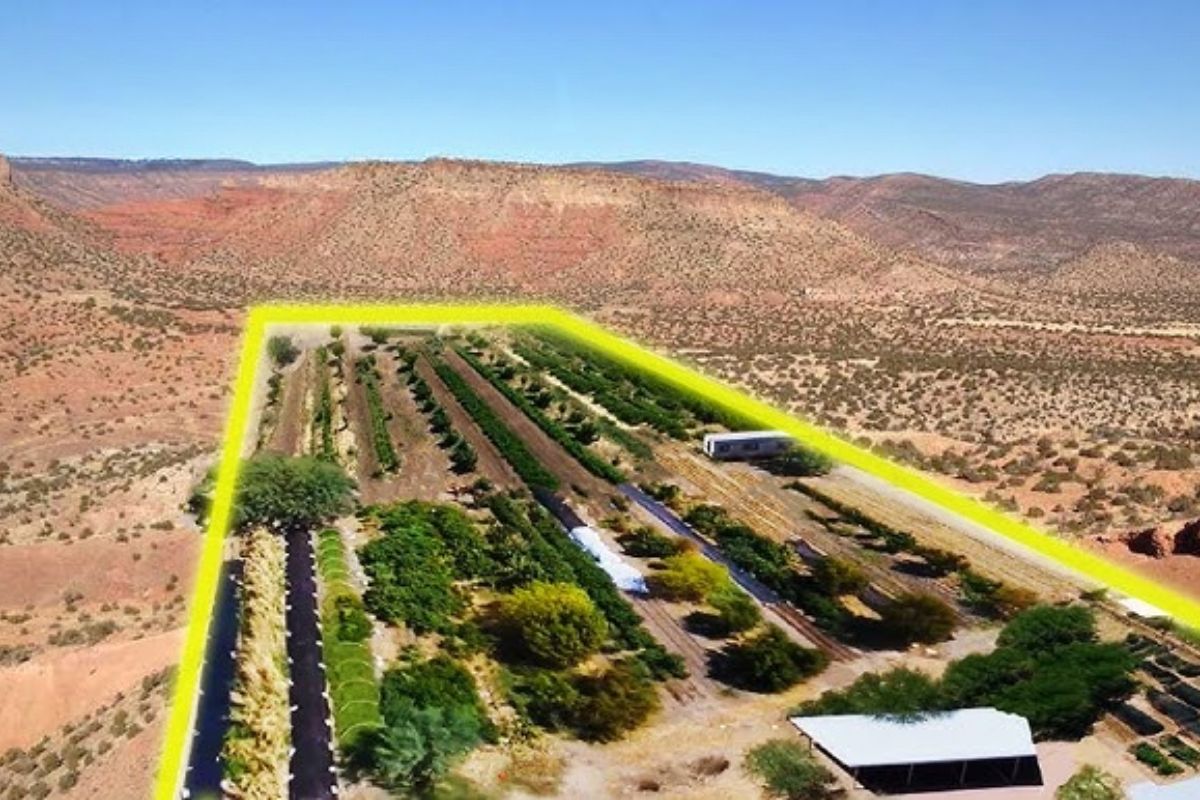
In The Arizona Desert, A Community Project In Tucson Transformed Six Barren Hectares By Capturing Water From The Air, Regenerating Dead Soil And Expanding Biodiversity; Agroecology Guided Water Design, Reduced Losses From Evaporation And Put Local Food At The Center Of A Practical Response To Extreme Climates With Low Costs
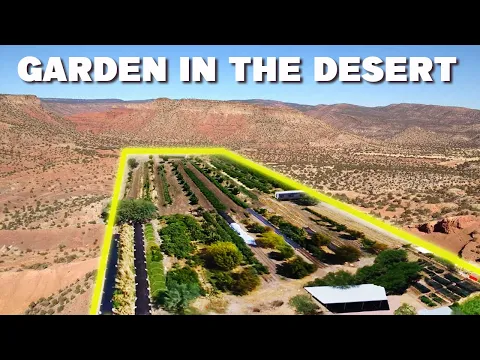
In 2026, the Arizona desert became an open-air laboratory on how water and soil can be reorganized without relying on abundant rain. In Tucson, six previously abandoned hectares gained productivity, biodiversity, and social function through agroecology and moisture capture.
The turnaround did not come from climatic luck. It Came From Simple Engineering, Continuous Management, And Decisions That Trade Sun Exposure For Water Retention In The Soil, Creating Conditions For Microorganisms, Plants, And Pollinators To Thrive In A Historically Hostile Environment.
Six Hectares In Tucson And The Inverted Logic Of The Arizona Desert

The starting point was a plot in southwest Tucson, in the Arizona desert, where the soil was hard, compacted, and vulnerable to wind erosion.
-
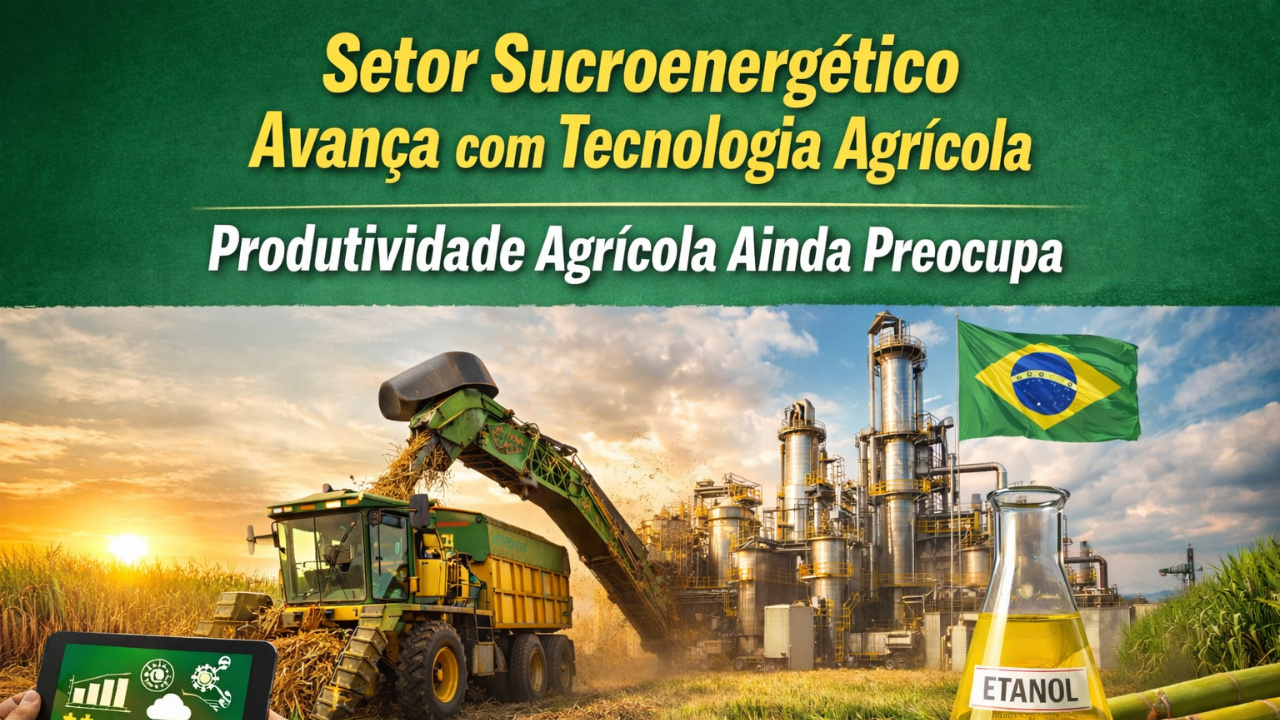
The sugar-energy sector advances with agricultural technology, but agricultural productivity still raises concerns.
-
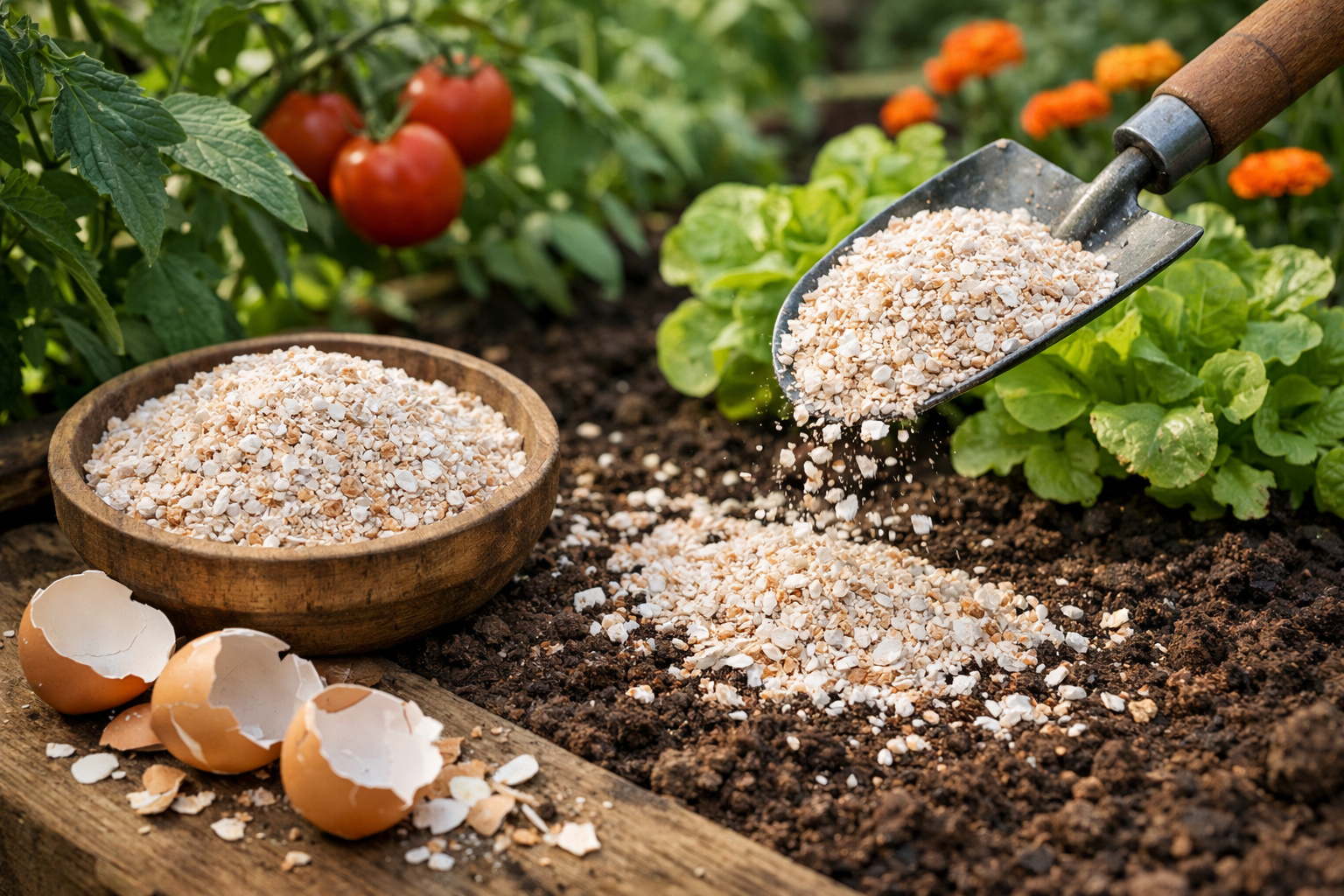
The eggshell that almost everyone throws away is made up of about 95% calcium carbonate and can help enrich the soil when crushed, slowly releasing nutrients and being reused in home gardens and vegetable patches.
-
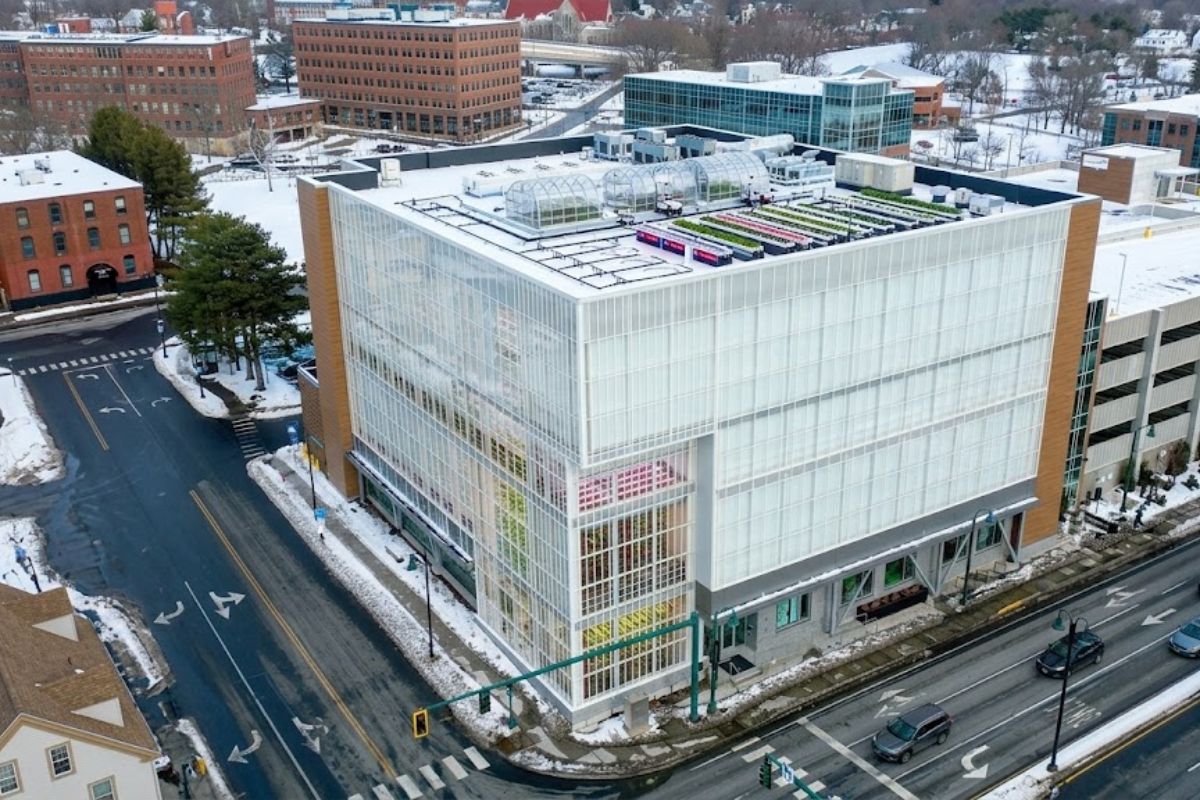
This farm in the United States does not use sunlight, does not use soil, and produces 500 times more food per square meter than traditional agriculture: the secret lies in 42,000 LEDs, hydroponics, and a system that recycles even the heat from the lamps.
-
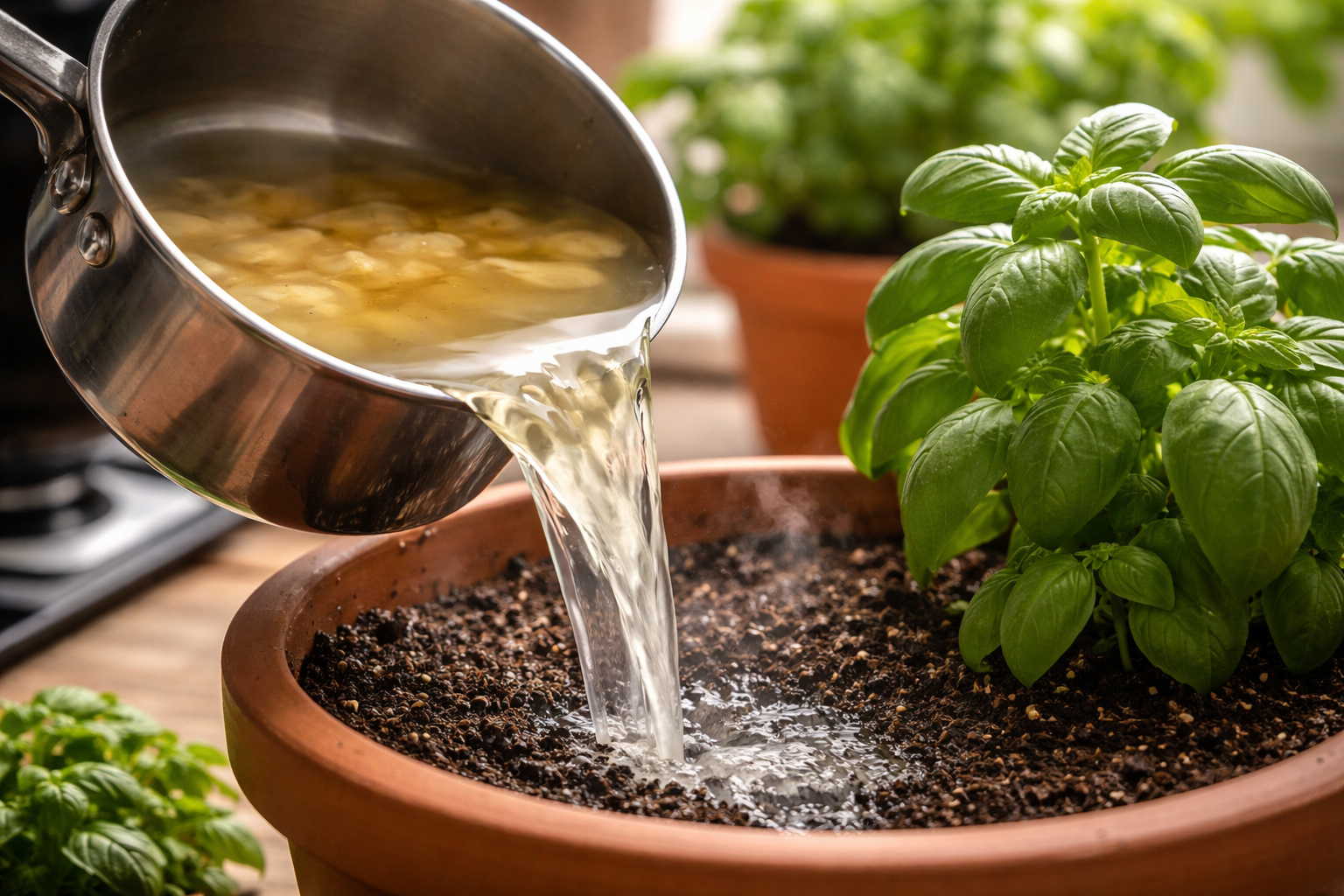
The water that almost everyone throws away after cooking potatoes carries nutrients released during the preparation and can be reused to help in the development of plants when used correctly at the base of gardens and pots, at no additional cost and without changing the routine.

The area had been abandoned for years, accumulating debris blown by the wind and losing any capacity to infiltrate water, which worsened the dust and made cultivation difficult.
The change occurred when scientists and local residents redesigned the relationship between water and soil.
Instead of trying to impose a conventional agricultural pattern, the strategy was to adapt planting to the climate, protecting roots and reducing evaporation with shading and structures that collect and store water.
Capturing Invisible Water And Infrastructure To Store Every Drop

The centerpiece was capturing water where almost no one looks: in the dry air and the intense, quick rains of the monsoons.
Roofs of shade structures received gutters and directed water to tanks, creating a stockpile for periods when the sky does not deliver enough precipitation.
In addition to the tanks, the terrain was redesigned so that the water slows down, spreads, and infiltrates.
Ditches and gentle slopes direct urban runoff into the plot, reducing losses and helping to recharge the local aquifer.
The result is less water escaping to concrete drains and more water becoming useful reserves in the soil.
Regeneration Of Dead Soil With Layers And Microbial Activity
The regeneration of soil began with a layering method, using cardboard, organic waste, and straw to rebuild life from the ground up.
This assembly creates a dark, moist environment that favors fungi, mycelium, and earthworms, organisms that accelerate humus formation and improve soil structure.
Over time, microbial activity heats and decomposes the layers, transforming simple materials into darker soil capable of retaining water.
In extreme climates, this retention is critical: every extra minute of moisture near the roots increases the chance of survival and reduces the need for frequent irrigation.
Raised Beds And Water Design Of Indigenous Tradition

A technical decision was to refuse raised beds, common in conventional agriculture, because they get too hot and “cook” roots in extreme climates.
The option was for lowered beds, dug a few centimeters below the surface, creating micro-reservoirs that hold water and keep the soil cooler.
This water design interacts with indigenous water management techniques in the desert, where the objective is to shelter planting from wind and direct sunlight.
The walls of the lowered beds also act as a barrier against gusts, protecting young seedlings and reducing the loss of water through evaporation.
Biodiversity As An Indicator That The System Became Permanent
As the soil darkened and water began to infiltrate more deeply, biodiversity grew and became an indicator of stability.
The site was described as having high biodiversity of native bees in the state, a sign that there is food, shelter, and a continuity of flowers throughout the seasons.
This biodiversity is not decorative. Pollinators sustain production, and production sustains pollinators, creating a cycle that reduces dependence on external inputs.
By prioritizing native flowering plants, agroecology keeps nectar available and reinforces the resilience of the system in extreme climates.
Agroecology, Food Security, And Social Impact Measured In Daily Life
Agroecology here does not appear as an abstract concept, but as a management protocol.
It combines moisture capture, shading, living soil, and species diversity to produce local food in an area classified as a food desert, where access to fresh products is limited.
The social effect is expressed in the community kitchen and the distribution of meals to the elderly and vulnerable people, in addition to culinary training for the unemployed and formerly incarcerated.
The Arizona desert, in this context, ceases to be a scenario of scarcity and becomes a public health infrastructure, with water and soil treated as collective assets under an agroecology logic.
The case of Tucson shows in 2026 that extreme climates can produce sustainable local food when water and soil are managed precisely and continuously.
The Turnaround Depends Less On Expensive Technology And More On Choices Regarding Water Design, Soil Regeneration, And Biodiversity As A Metric For Permanence, With Agroecology Guiding Decisions.
In Your City, What Barrier Is More Real For Adapting Something Like This: Lack Of Water, Lack Of Available Soil, Infrastructure Costs Or Lack Of Community Coordination, And What Solution Would You Test First To Increase Biodiversity And Apply Agroecology In Your Neighborhood?









-

-

-

-

-

-

90 pessoas reagiram a isso.