





 Portuguese
  English
  Spanish
  2 min of reading
  0 comments


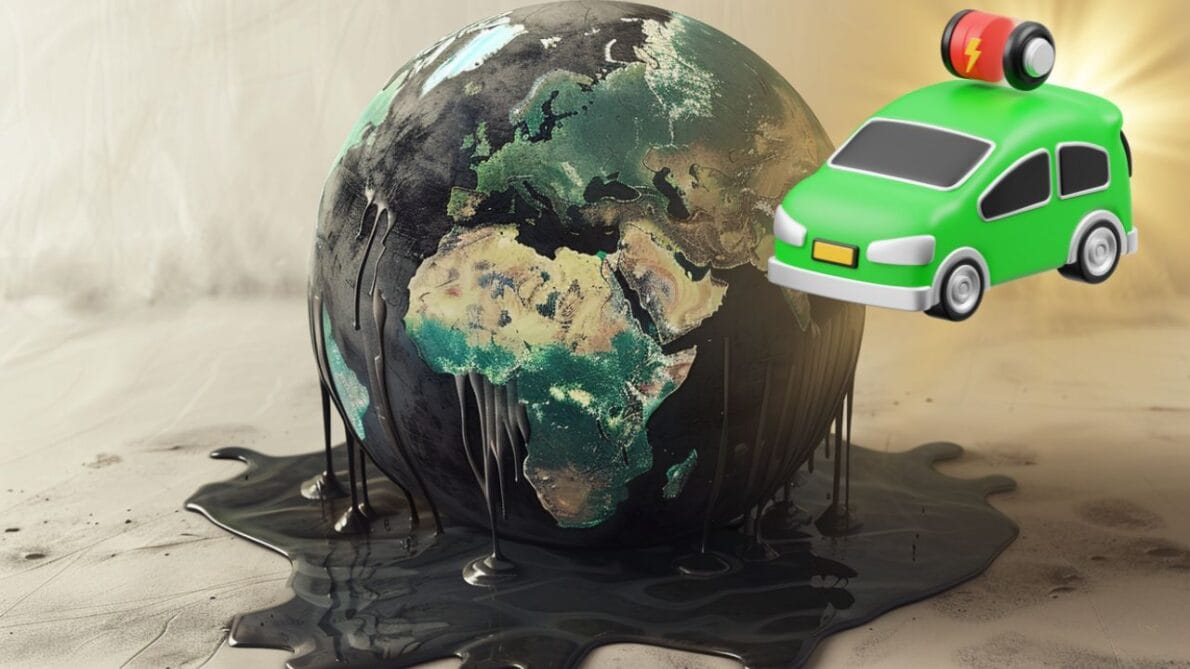
Understand The Amount Of Lithium Available In The World, How It Is Used In Electric Vehicle Batteries And Compare With Oil Reserves To Discover Which Resource Will Run Out First.
Currently, we are experiencing a major shift in the way we power our vehicles, switching from fossil fuels, such as oil, to electric energy stored in lithium-ion batteries. But a question arises: which resource will run out first, lithium or oil?
To answer this question, we first need to understand lithium production and demand worldwide. Global lithium production has been increasing significantly due to the growing demand for batteries, used in everything from cell phones to electric vehicles. In recent years, annual lithium production has been approximately 80 to 90 thousand metric tons.
With Current Production Of 17 Million Electric Cars Per Year, These Lithium Reserves Would Last About 96 Years
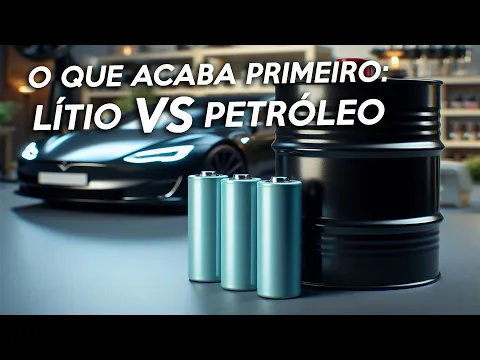

Known lithium reserves in 2022 were estimated to be between 88 to 98 million metric tons. This means that if we used all available lithium solely for electric vehicles, we could produce about 1.6 billion electric cars, each using approximately 60 kg of lithium. With the current production of 17 million electric cars per year, these lithium reserves would last about 96 years. If we consider the average battery lifespan of 8 years, this period would extend to 768 years, taking into account battery recycling.
-
An irregular parking case gains attention after a Mercedes Classe A was removed in such a strange way that it even raised doubts about damage to the car.

-
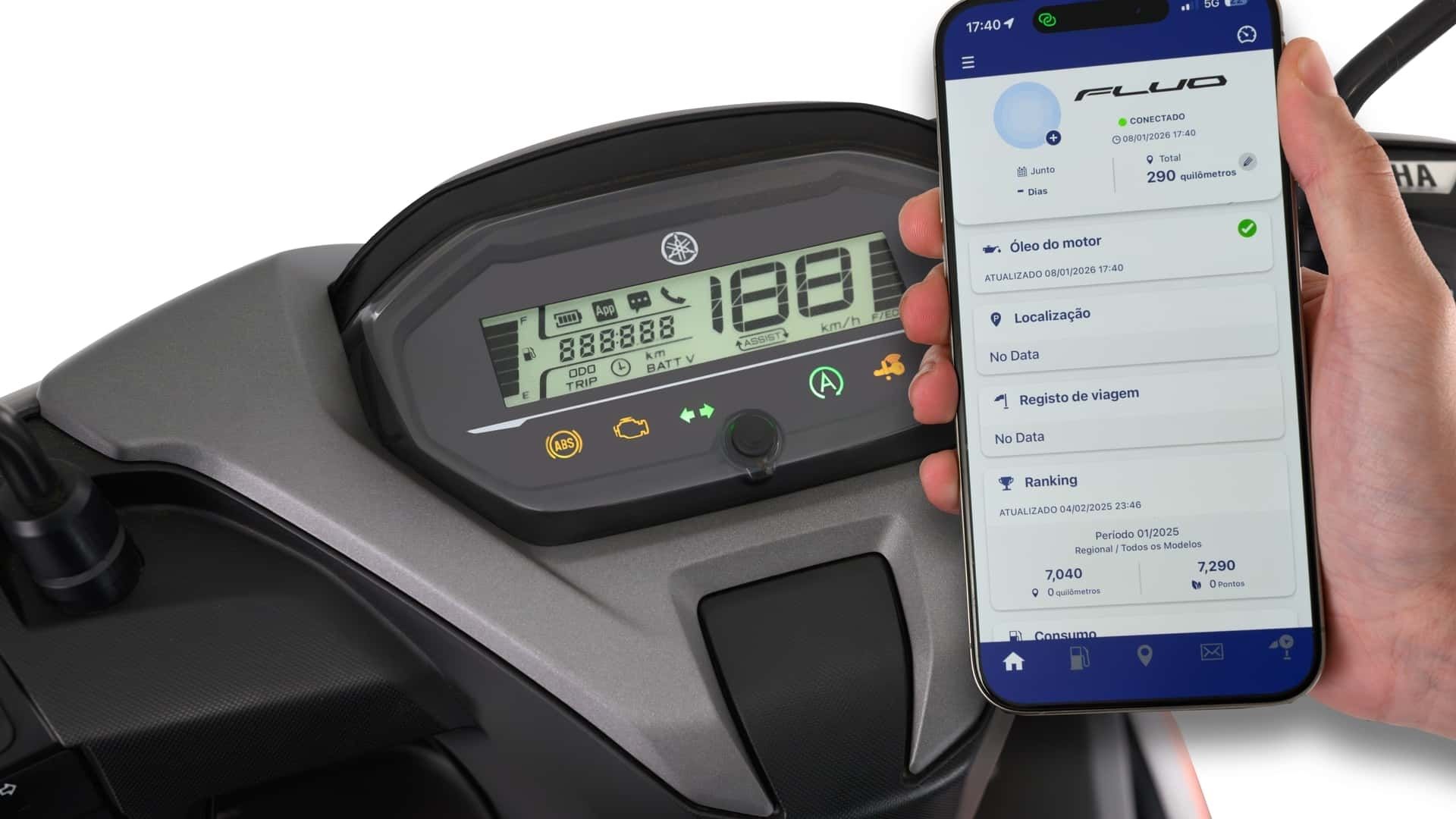
Costing R$ 16,000, the new Yamaha features a 125 cc hybrid engine with electric assistance, delivers 8.3 hp, includes ABS, optimized fuel consumption, Y-Connect connectivity, 25 liters of storage space, and a surprising 4-year warranty in the urban segment.
-
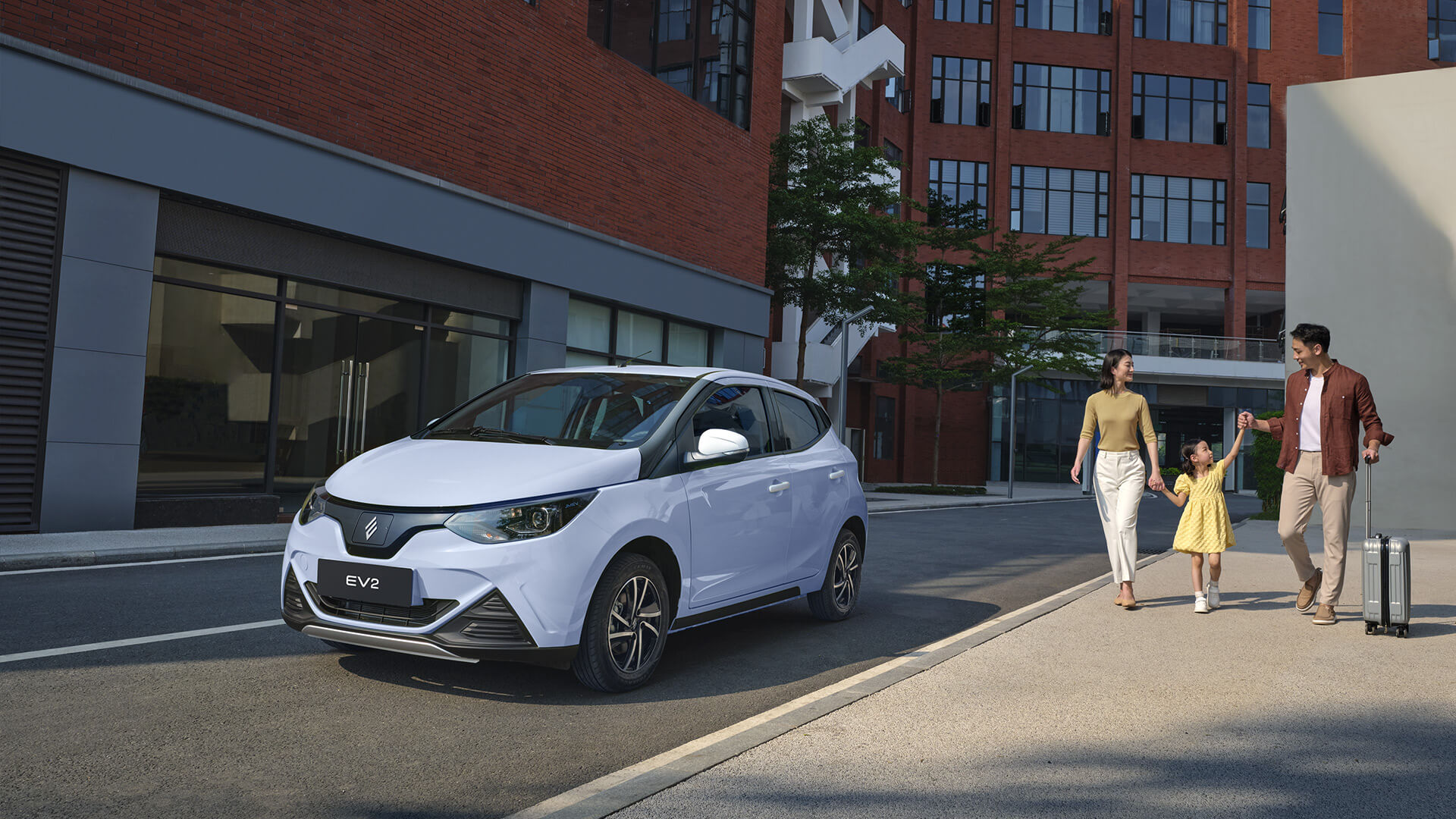
Goodbye expensive popular car: electric vehicle for less than R$ 70,000 starts being sold in Brazil with a range of 200 km and targets those looking to escape gasoline.
-
OMODA & JAECOO grows in Europe in 2026 with an integrated strategy of sales, innovation, local production, and technological advancement in the United Kingdom, Italy, and Spain.


However, the production of electric vehicles is growing at about 15 to 20% per year. If one day we produce only electric cars, reaching 94 million units per year, lithium reserves could sustain production for 200 to 240 years, considering recycling and battery lifespan.
Known Oil Reserves May Run Out Between 2050 And 2060
Now, comparing with oil, according to the U.S. Energy Information Administration (EIA), known oil reserves may run out between 2050 and 2060. This means we have a much shorter timeframe for the continued use of oil, even with the adoption of hybrid and electric technologies that can reduce fossil fuel consumption.
Therefore, looking at the current scenario, it is likely that oil will run out much sooner than lithium, making electric cars a viable option for much longer. The transition to electric vehicles is essential not only for sustainability but also for the longevity of the resources that power these vehicles.









Seja o primeiro a reagir!