





 Portuguese
  English
  Spanish
  4 min of reading
  0 comments


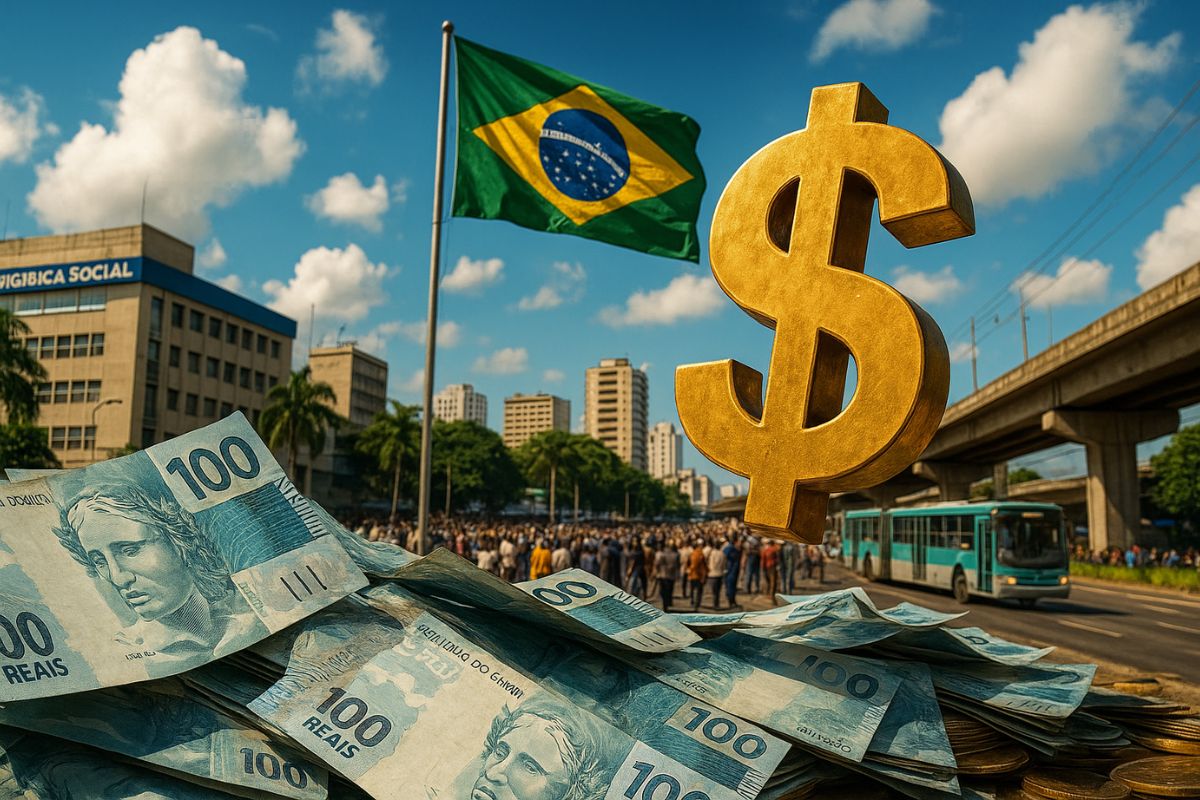
The Brazilian Economy Coexists With a Huge Informal Market That Represents Almost 40% of All the Productive Activity of the Country, Moves Trillions of Reais and Involves Millions of Workers Without Registration, Without Rights and Out of the Direct Reach of Tax Collection.
Informality has become an invisible pillar of the Brazilian economy. It Supports Families, Guarantees Income in Times of Unemployment and Fills Gaps Left by the Formal Market, but at the same time undermines tax collection, reduces competitiveness, and exposes millions of people to social vulnerability.
According to recent estimates by ETCO, the so-called informal sector moves about R$ 1.7 trillion per year, an amount equivalent to almost a quarter of the Gross Domestic Product.
How the Informal Economy Works in Brazil
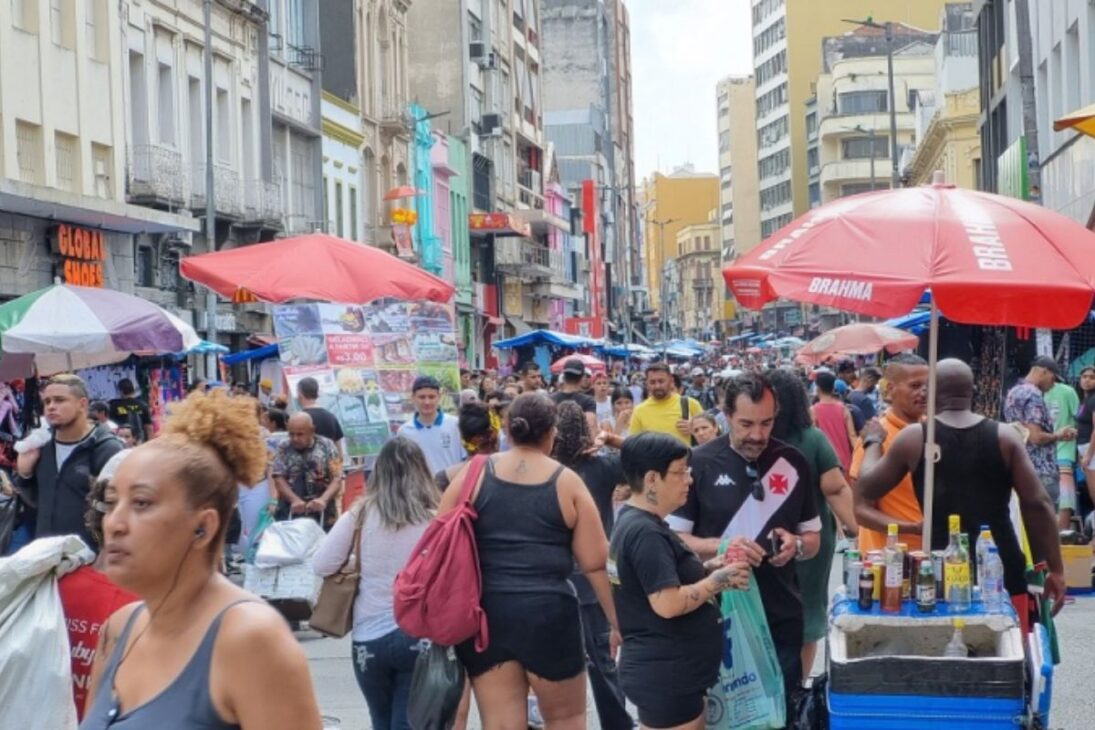
The basis of the informal economy lies in the absence of registration and fiscal and labor obligations, according to a study by IPEA in 2025.
-
Brazilian city bets on the business environment to generate jobs and attract investments in the energy sector — secretary reveals strategy at Macaé Energy 2026.

-
50 viaducts, 4 tunnels, 28 bridges, and 40 kilometers of bike paths: BR-262 in Espírito Santo will receive 8.6 billion reais for the largest engineering project in the state’s history, inspired by the Immigrant Highway in São Paulo.

-
Brazil produces too much clean energy and doesn’t know what to do with it: over 20% of solar and wind capacity was wasted in 2025 while investors flee and 509 renewable generation projects were abandoned in the last year.

-
Piauí will produce a new fuel that replaces diesel without needing to change anything in the truck’s engine and reduces pollutant gas emissions by half: truck drivers from all over the Northeast are already celebrating the news that will arrive later this decade.


In this parallel system, there are everything from street vendors and cleaners to entire companies operating without a CNPJ. All engage in legitimate economic activities, but outside of the State’s control and inspection.
Among the agents that make up this universe are workers without formal contracts, domestic workers without contracts, self-employed individuals, unregistered micro-entrepreneurs, and small neighborhood merchants.
They secure their income independently, but do not have access to benefits such as FGTS, unemployment insurance, or retirement.
The growth of informality is directly related to the high cost of formalization and the Brazilian tax complexity.
For many, opening a business, issuing invoices, and bearing labor costs is more expensive and time-consuming than simply operating outside the law.
The Causes That Sustain the Informal Market
The expansion of the informal economy is not a recent phenomenon. It Reflects a Structural Imbalance Between Formal Opportunities and the Actual Conditions of the Labor Market.
Among the main causes are excessive bureaucracy, high tax burden, and low level of inspection.
Many workers choose to operate autonomously as the only survival option.
In times of economic crisis, informality grows at an accelerated pace, absorbing part of the unemployed population.
Another factor is digitalization without formalization.
The advancement of transportation, delivery, and service apps has created a new generation of self-employed workers who generate income, but with no bond or legal protection, broadening the reach of informality in urban areas.
The Impact of Informality on the Brazilian Economy
Although it moves trillions of reais, the informal economy results in significant losses for the State and the formal market.
The absence of registration and tax payment reduces public revenue and limits investments in health, education, and infrastructure.
Moreover, formal companies face unfair competition from businesses that do not pay taxes or comply with labor obligations, which pressures the productive sector and discourages regulated entrepreneurship.
In the long term, informality harms national productivity, reduces economic planning capacity, and compromises the sustainable growth of the Brazilian economy.
For every real not taxed, the government loses capacity to provide essential services to the population.
What Informality Means for the Worker
For millions of Brazilians, informality is the only income alternative, but also a constant source of insecurity.
Without labor rights, these professionals have no guarantees of vacation, 13th salary, unemployment insurance, or retirement, and rely exclusively on their own labor.
Instability is the rule: any illness, accident, or drop in sales can completely interrupt family income.
In some sectors, such as street commerce and domestic services, informality reaches more than half of the active workers, demonstrating the extent of the social challenge.
Even with the risks, informality persists because it offers flexibility and lower entry costs.
For many micro-entrepreneurs and self-employed workers, it is a space for survival and entrepreneurship without bureaucracy, even if it means giving up fundamental rights.
Possible Ways to Reduce Informality
Experts point out that combating informality depends on public policies that make formalization simpler, cheaper, and more advantageous.
This includes reducing payroll taxes, increasing access to credit, and strengthening programs like MEI, which facilitates the entry of small entrepreneurs into the formal system.
Financial education and the digitalization of tax processes can also encourage formalization, as long as they are accompanied by real incentives for workers and entrepreneurs.
Meanwhile, improving inspection and simplifying taxation are essential measures to balance the game between the formal and informal sectors.









Seja o primeiro a reagir!