





 English
  Francês
  Alemão
  Italiano
  Japonês
  Norueguês
  Portuguese
  Spanish
  5 min of reading
  0 comments


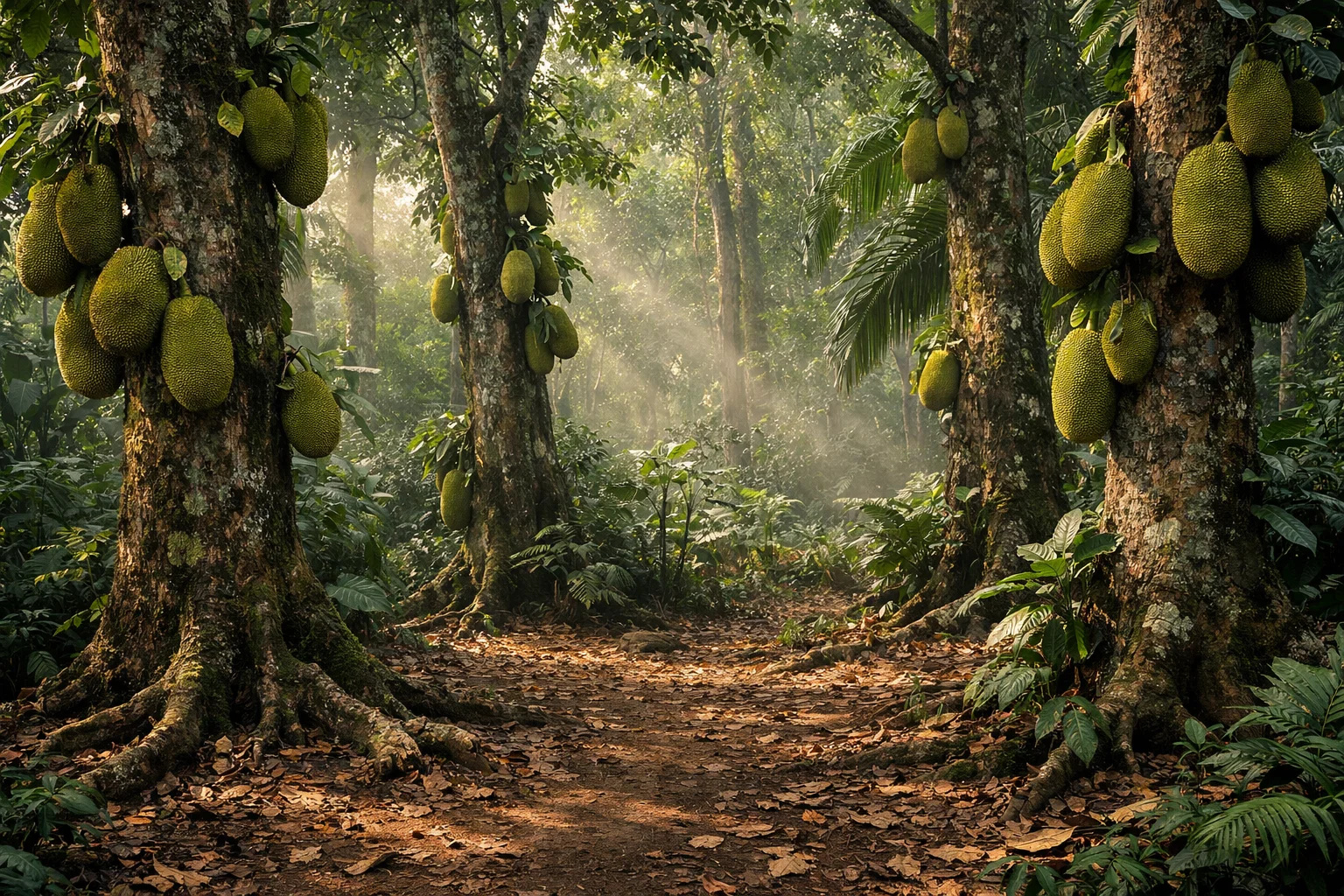
Research Reveals That Species Introduced Centuries Ago in Brazil Silently Alters the Forest Soil, Reduces Natural Resources, and May Cause Deep Impacts on the Biodiversity of the Atlantic Forest
Almost invisible to those who only observe the green canopy of the forest, a silent transformation is happening on the ground of the Atlantic Forest. Although the landscape seems balanced, researchers warn that a well-known tree in Brazil may be causing profound changes in the functioning of this ecosystem.
The information was disclosed by the magazine “Superinteressante”, based on an article published on the site The Conversation, which gathers texts produced by researchers. According to the content, a study conducted by scientists from the State University of Rio de Janeiro (UERJ) revealed that the jackfruit tree, a species introduced into the country centuries ago, may be quietly altering the forest soil and affecting the ecological balance of the region.
Although many people associate the jackfruit tree only with its abundant fruit and presence in urban or rural areas, the reality inside the Atlantic Forest is quite different. When spreading into natural environments, the tree can act as an invasive species, modifying the habitat and reducing biological diversity.
-
Seen from space, a colossal ‘Y’ cuts through the largest desert in China, blending a jade-filled river, red and white mountains, and revealing the absurd scale of the transformation of the Taklamakan surrounded by a green wall with billions of trees.

-
The Pacific Ocean reveals what the cliffs of Big Sur have hidden for millennia: Pfeiffer Beach, in California, features swirling purple sand formed by garnet crystals and displays a stone arch that is illuminated by the sun in winter for just a few days each year.

-
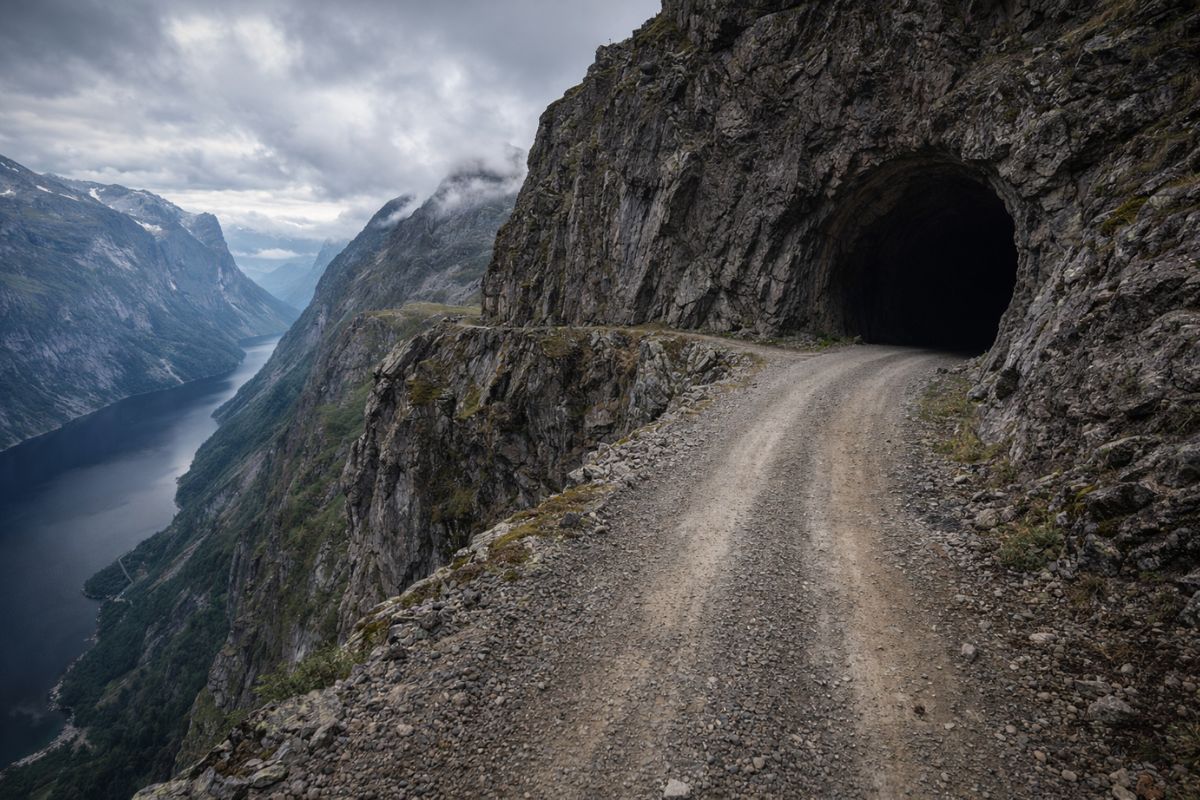
Aursjøvegen in Norway is a 100-kilometer gravel road that crosses chasms and dark tunnels carved into the rock at an altitude of 947 meters in the fjords and is only open for four months a year.
-
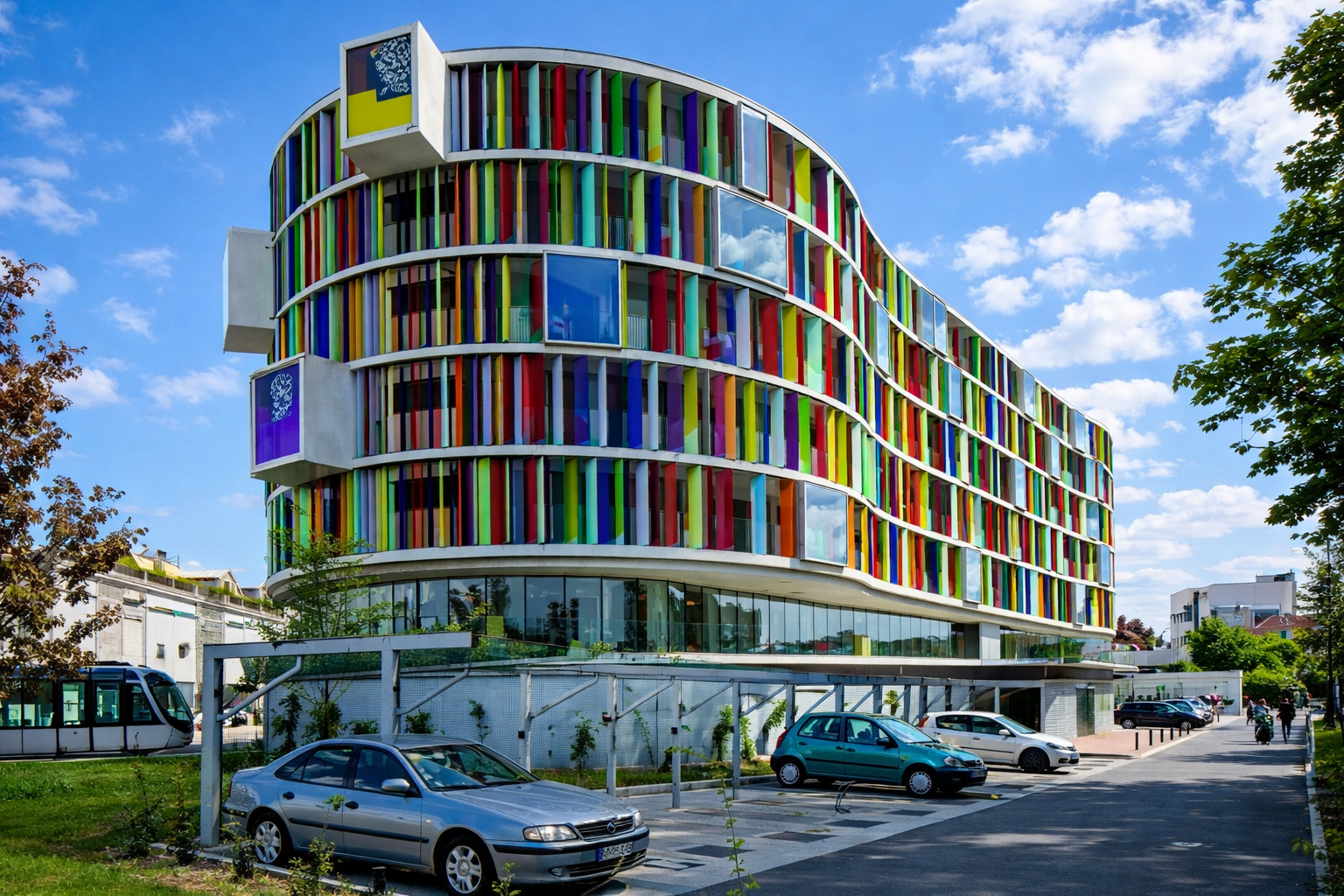
With about 4,000 m², the building constructed in a traditional neighborhood in France looks like a rainbow, has a colorful facade, mixes vibrant glass, and creates one of the most unusual visuals in Bordeaux.

This type of biological invasion, by the way, is considered by scientists one of the main threats to global biodiversity. After all, when species are introduced outside their original environment, they can alter entire ecological chains, harming native organisms and compromising the functioning of ecosystems.
How the Jackfruit Tree Is Silently Changing the Forest Floor
To better understand this phenomenon, a group of researchers from the Department of Ecology at UERJ conducted a detailed investigation in the Duas Bocas Biological Reserve, located in Espírito Santo.
The results of the study, published in the scientific journal Biological Invasion, show that the presence of the jackfruit tree directly alters the structure of the forest soil, especially in the layer known as leaf litter, formed by leaves, branches, and decomposing organic matter.
This layer is essential for the maintenance of the ecosystem. In addition to contributing to soil fertility, it hosts a great variety of organisms, such as insects and other small invertebrates.
However, in areas dominated by jackfruit trees, researchers observed a significant reduction in the depth of the leaf litter. As a consequence, a decline in the abundance of arthropods, a group that includes various insects and other invertebrates essential for the balance of the forest, was also recorded.
These organisms play important roles in the ecosystem. They participate in the decomposition of organic matter, help in nutrient cycling, and also serve as food for many small vertebrates.
Therefore, when this layer decreases, the natural environment becomes simpler and less complex. Additionally, micro-habitats disappear and the soil’s ability to retain moisture also decreases.
Consequently, environmental conditions become less stable for various species that depend on this specific environment to survive.
In other words, even when the forest seems healthy at first glance, what happens on the ground tells a very different story.

Silent Impacts May Reduce Diversity and Favor More Resilient Species
Another important point observed by researchers is that the impacts of the jackfruit tree do not occur uniformly. That is, different species respond differently to the changes caused by the invasive tree.
Some species are better able to adapt to modified environments. However, others depend on very specific conditions to survive, such as wetter soils and stable habitats.
When these conditions disappear, many of these species decline or even disappear from the affected areas.
This phenomenon reveals a common pattern in degraded environments: more tolerant species begin to dominate the environment, while more specialized species become increasingly rare.
Although it may seem that the ecosystem continues to function, this gradual change can have profound consequences for biodiversity.
This happens because the forest begins to lose species variety, in addition to reducing its functional diversity.
Process Can Lead to Biological Homogenization of the Forest
According to scientists, this type of alteration can trigger a process called biological homogenization.
In this scenario, ecological communities become increasingly similar to each other, dominated by a few generalist species. As a result, natural diversity decreases and the ecosystem becomes less complex.
In practice, the jackfruit tree acts as an ecological filter within the Atlantic Forest. By modifying the habitat, it selects which species can survive in that environment.
Over time, this can result in a less diverse forest and potentially less resilient to environmental changes, such as climate alterations or new ecological pressures.
For this reason, experts emphasize that proper management of invasive species is essential to protect biodiversity.
The removal of the jackfruit tree in protected areas, for example, can be an important measure. However, researchers warn that this action must be accompanied by strategies for habitat restoration, such as recovering leaf litter and native understory vegetation.
Otherwise, there is a risk of solving an immediate problem while simultaneously creating new ecological challenges.
Science Helps Protect the Atlantic Forest and Guide Environmental Policies
The results of the study reinforce the importance of scientific research to understand environmental impacts that often go unnoticed.
Invasive species can cause profound and silent effects, altering entire ecological chains over time.
Moreover, in a scenario marked by accelerated loss of natural habitats, climate change, and increasing biological invasions, understanding these transformations becomes increasingly urgent.
Understanding what happens on the forest floor, therefore, can be crucial to protect vulnerable species and preserve the balance of the Atlantic Forest, one of the richest yet most threatened biomes on the planet.
The funding for this research was supported by the Carlos Chagas Filho Foundation for Research Support in the State of Rio de Janeiro (Faperj) and the Rufford Foundation. Additionally, the open access publication of the study was made possible by the agreement between the Coordination for the Improvement of Higher Education Personnel (Capes) and the publisher Springer Nature.
Source: Superinteressante








Seja o primeiro a reagir!