





 Portuguese
  English
  Spanish
  3 min of reading
  1 comment


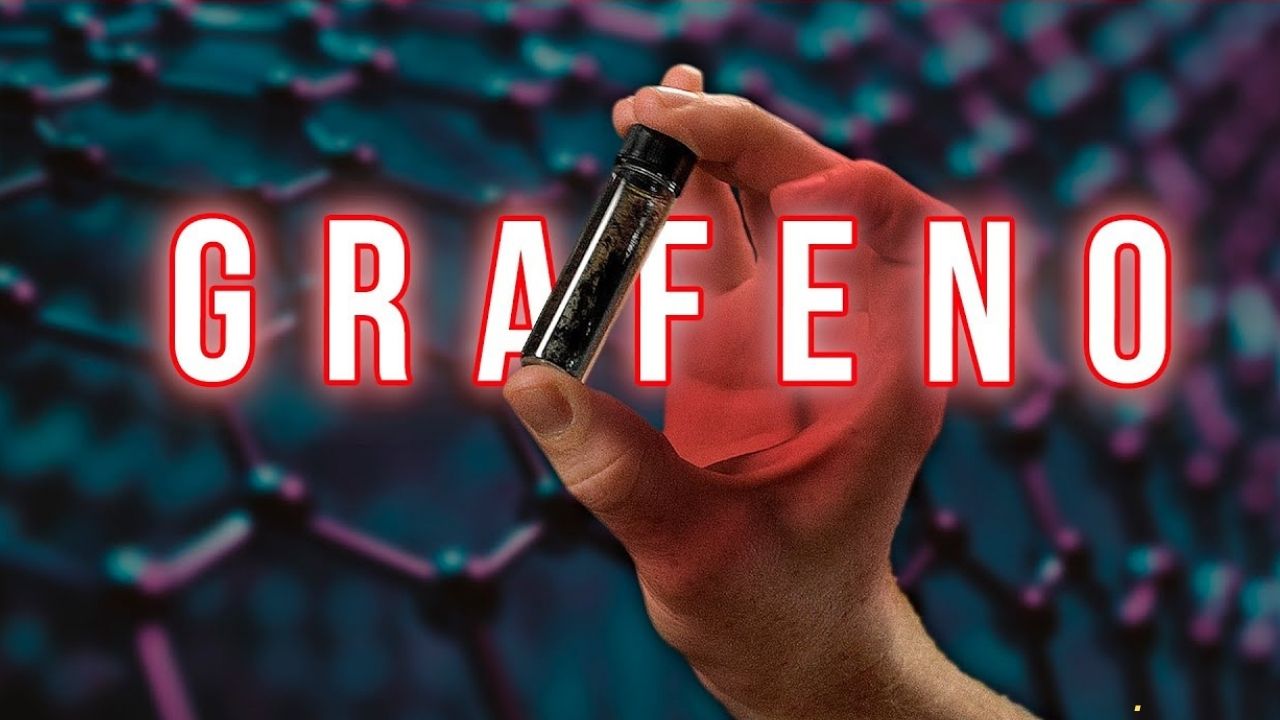


Graphene, Announced As A Revolutionary Material, Has Been At The Center Of Scientific And Industrial Attention Since Its Practical Discovery In 2004. Despite Its Incredible Promise To Revolutionize Various Sectors, Such As Technology, Energy And Health, The Big Question Remains: What Happened To Graphene? After All, Is It Already On The Market Or Does It Still Live In The Field Of Research?
Graphene Is A Structure Made Up Of Carbon Atoms Organized In A Layer Just One Atom Thick, Which Makes It A 2D Material. This Composition Gives It Extraordinary Properties: It Is 200 Times Stronger Than Steel, Extremely Light, Flexible And An Excellent Conductor Of Electricity And Heat. No Wonder It Was Considered A Revolutionary Material.
Its Practical Discovery Earned The Nobel Prize In Physics In 2010 For Scientists Andre Geim And Konstantin Novoselov From The University Of Manchester, Who Isolated It For The First Time Using An Unusual Technique With Adhesive Tape.
What Happened To Graphene?
Since Its Popularization, Graphene Has Gone Through A Trajectory Full Of Ups And Downs. Initially, Production Costs Were Prohibitively High, Restricting Its Use To Laboratories And Experimental Projects. However, Advances In Production Methods, Such As Chemical Vapor Deposition, Have Significantly Reduced Costs And Made Industrial Scale Manufacturing Possible.
-
Historic bankruptcy of Centauro shocks the market, and the century-old company puts more than 500,000 products, machines, and complete infrastructure up for online auction.
-
New shoe factory in Ceará is expected to create 400 jobs and strengthen the local economy.

-
No one imagined it, but a mixture of sawdust with a mineral that fights fires surprises scientists with a result that changes the course of fire-resistant construction.
-
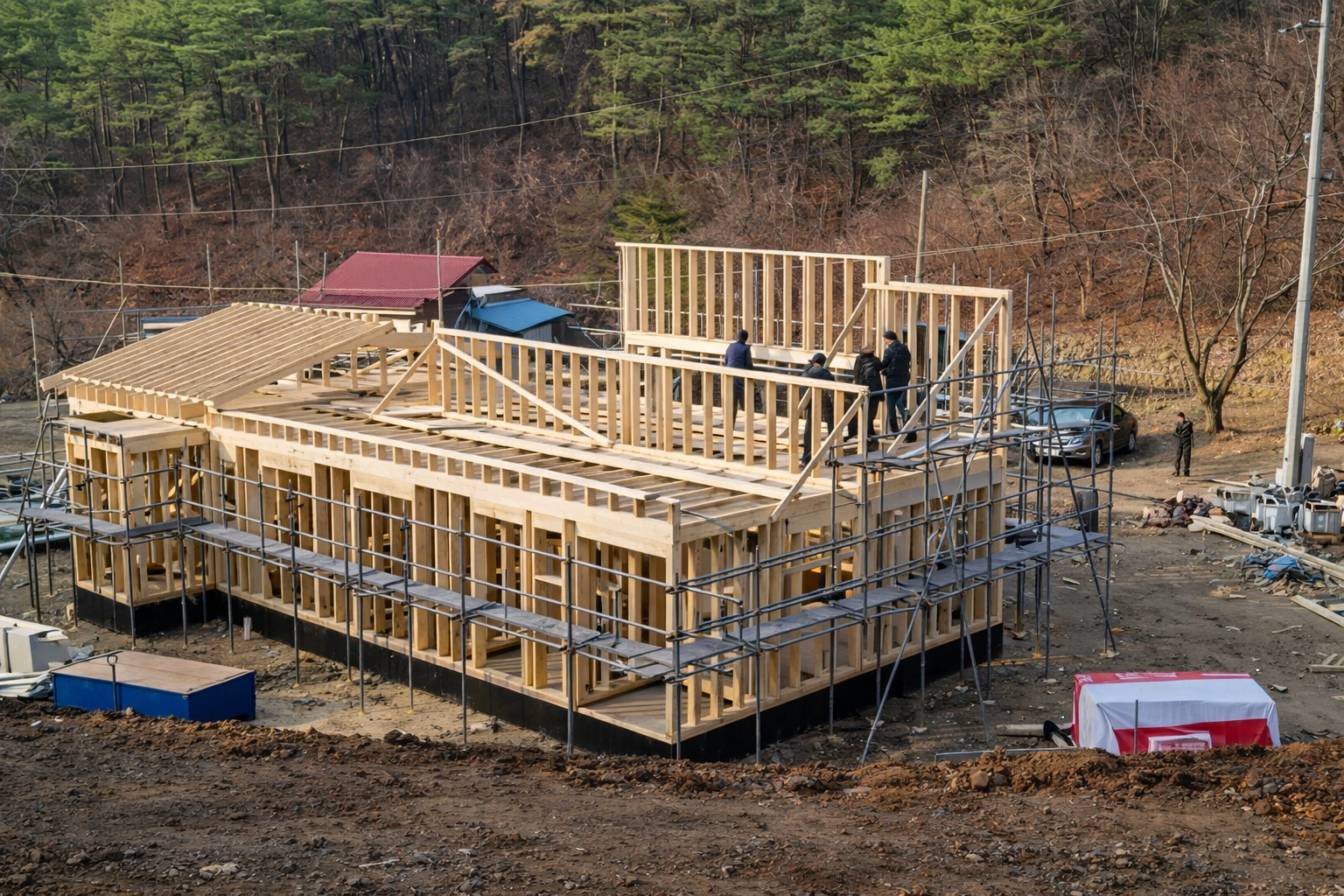
From empty land to a high-end house, wooden construction uses a lightweight system, metal structure for the foundation, ventilated ceramic cladding, and special windows to create an efficient and comfortable living space throughout the year.

Today, Companies In Brazil, Such As The University Of Caxias Do Sul And The MG Graphene Project, Produce Tons Of The Material Annually. Despite This, High-Quality Graphene Remains Expensive, Limiting Its Application To Niche Products Or High-Value Added Products.
Current Applications
Even With Challenges, Graphene Is Already Being Used In Several Areas:
Batteries And Supercapacitors: It Promises To Accelerate Charging And Increase The Durability Of Batteries, With Ongoing Testing For Smartphones And Electric Vehicles.
Concrete And Aviation: Researchers Have Incorporated Graphene Into Concrete, Reducing Carbon Emissions And Increasing Strength. In Aviation, It Is Used To Make Wings Lighter And More Efficient.
Sensors And Medical Devices: Ultrahigh-Sensitivity Sensors Made With Graphene Are Helping In Medical Devices, Such As Throat Motion Detectors For People With Speech Difficulties.
The Cost Of Graphene
One Of The Biggest Obstacles To The Widespread Use Of Graphene Remains Its Cost. Although Prices Have Fallen Since 2015, High-Quality Graphene Remains Very Expensive. One Gram Of Graphene Oxide, For Example, Can Cost Up To R$ 800.
On The Other Hand, Less Demanding Applications, Such As Concrete Reinforcement, Are Already Able To Use Lower-Quality Graphene, Which Is Significantly Cheaper.
The Future Of Graphene
The Story Of Graphene Resembles That Of Plastic: A Material With Enormous Potential That Took Decades To Become Popular. Projections Indicate That The Graphene Market Is Set To Grow Almost Tenfold By 2031. The Expectation Is That With Technological Advancements And Falling Production Costs, It Will Become More Accessible And Widely Used In Daily Life.
Meanwhile, Brazil, One Of The Largest Holders Of Graphite Reserves, The Raw Material For Graphene, Can Play An Important Role In This Market. National Efforts To Develop And Produce Graphene Show That We Are On The Right Track To Not Be Left Behind In This New Technological Revolution.
Graphene Has Yet To Reach Its Full Potential In The Market, But It Is Far From Being Forgotten. With Research And Innovations In Full Swing, This Revolutionary Material Continues To Promise Significant Transformations. Who Knows, Soon We May See Graphene In Foldable Smartphones, Ultrahigh-Speed Batteries And Even In The Concrete Of Our Cities?









Olá! Tenho vários produtos, potencializado..base do NB41.. isso não área da saúde com resultados.. grandioso já a mais de 10 anos..