





 Portuguese
  English
  Spanish
  5 min of reading
  4 comments


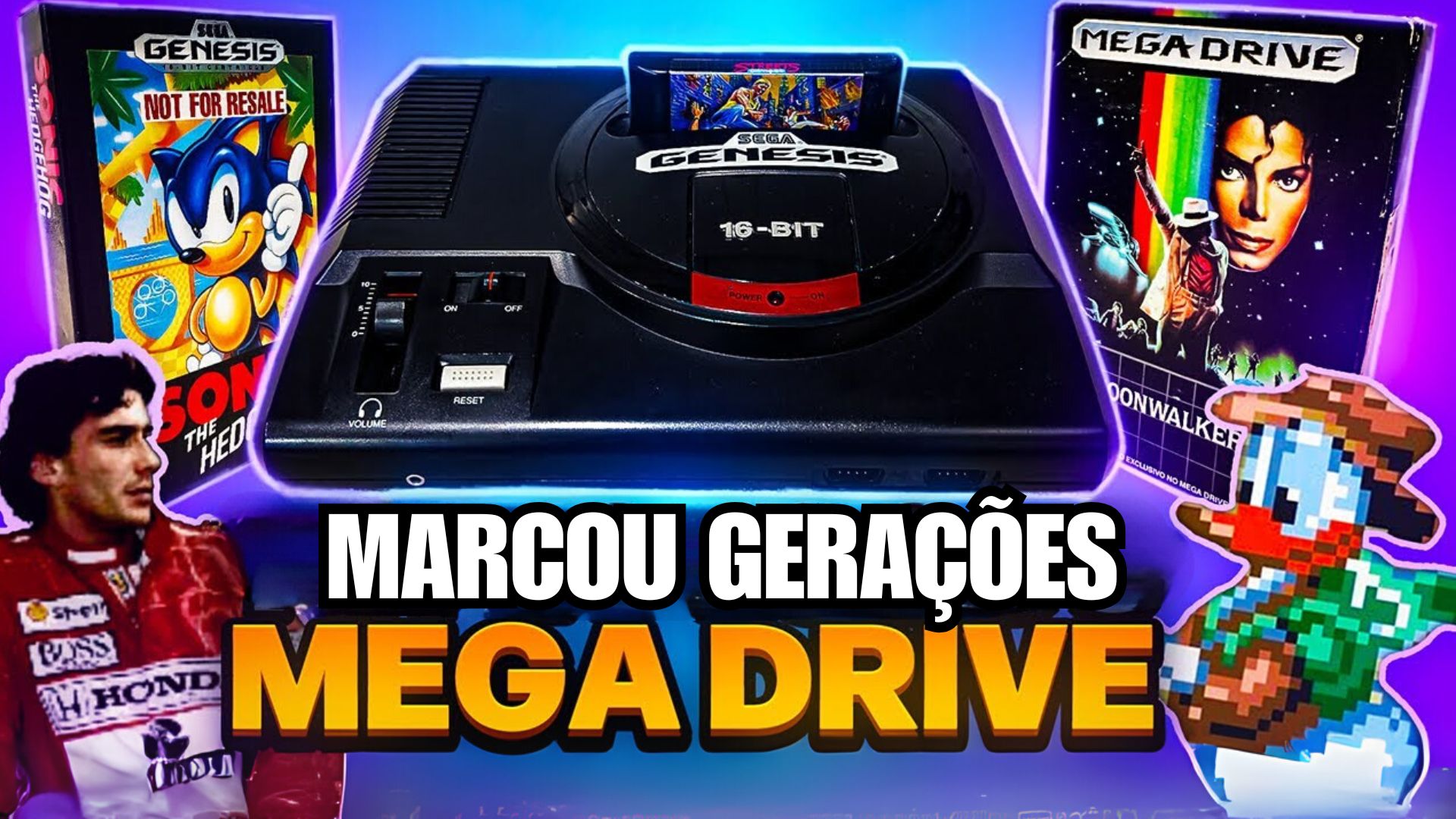


Launched in the 80s, the Mega Drive marked a generation, became a symbol of technological innovation in Brazil and, decades later, remains alive in pop culture and the collectors market.
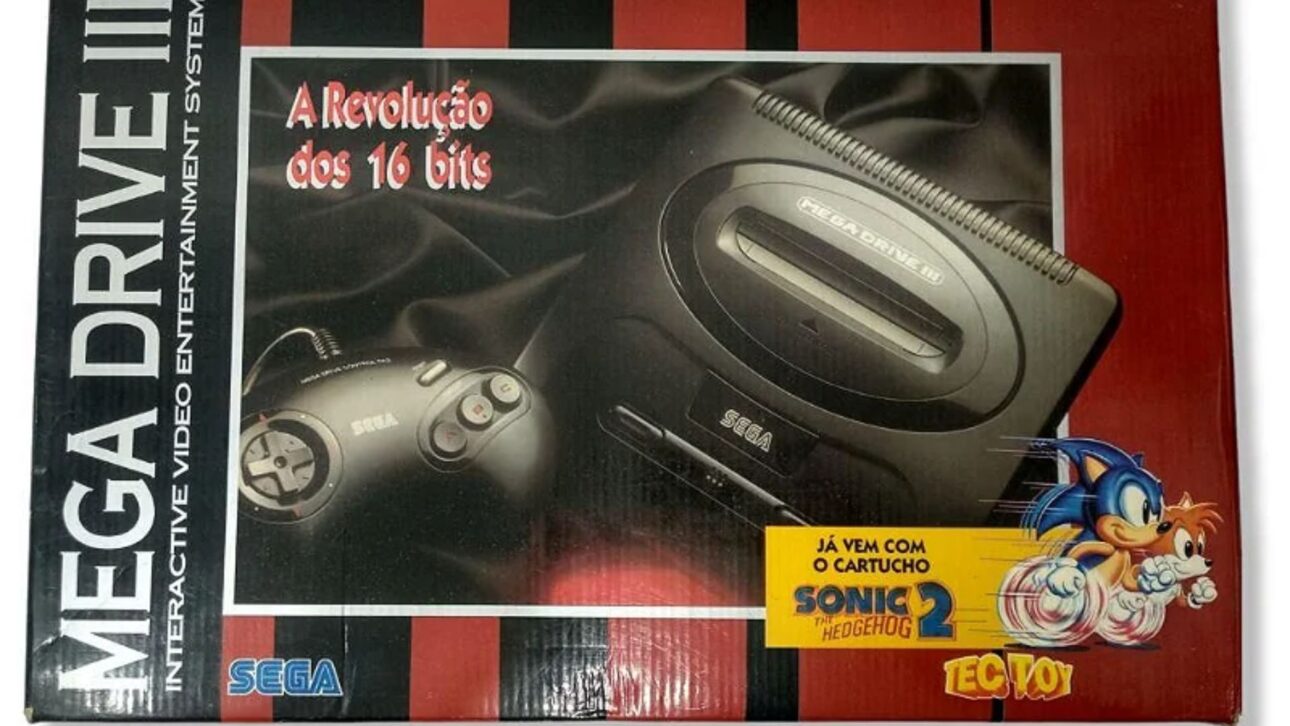
Originally launched in Japan in 1988, the Mega Drive officially arrived in Brazil in December 1990 through TecToy and quickly gained iconic status in Brazilian households.
Equipped with a 16-bit Motorola 68000 processor, stereo FM audio support, and cartridges that required the traditional “blow” before gameplay, the console became a symbol of innovation and restricted access for many, establishing itself as a reference for an entire generation of gamers.
History and Launch of the Mega Drive in Brazil
With a bold design for the time, the Mega Drive made its mark right from the start thanks to its main processor, the Motorola 68000, capable of operating at 7.67 MHz, accompanied by an auxiliary Zilog Z80 processor.
-
The Argentine government celebrates the lowest poverty rate in 7 years, but experts warn that the methodology has changed, real wages have fallen, unemployment has risen, and the number of people on the streets of Buenos Aires has increased by 57% since Milei took office.

-
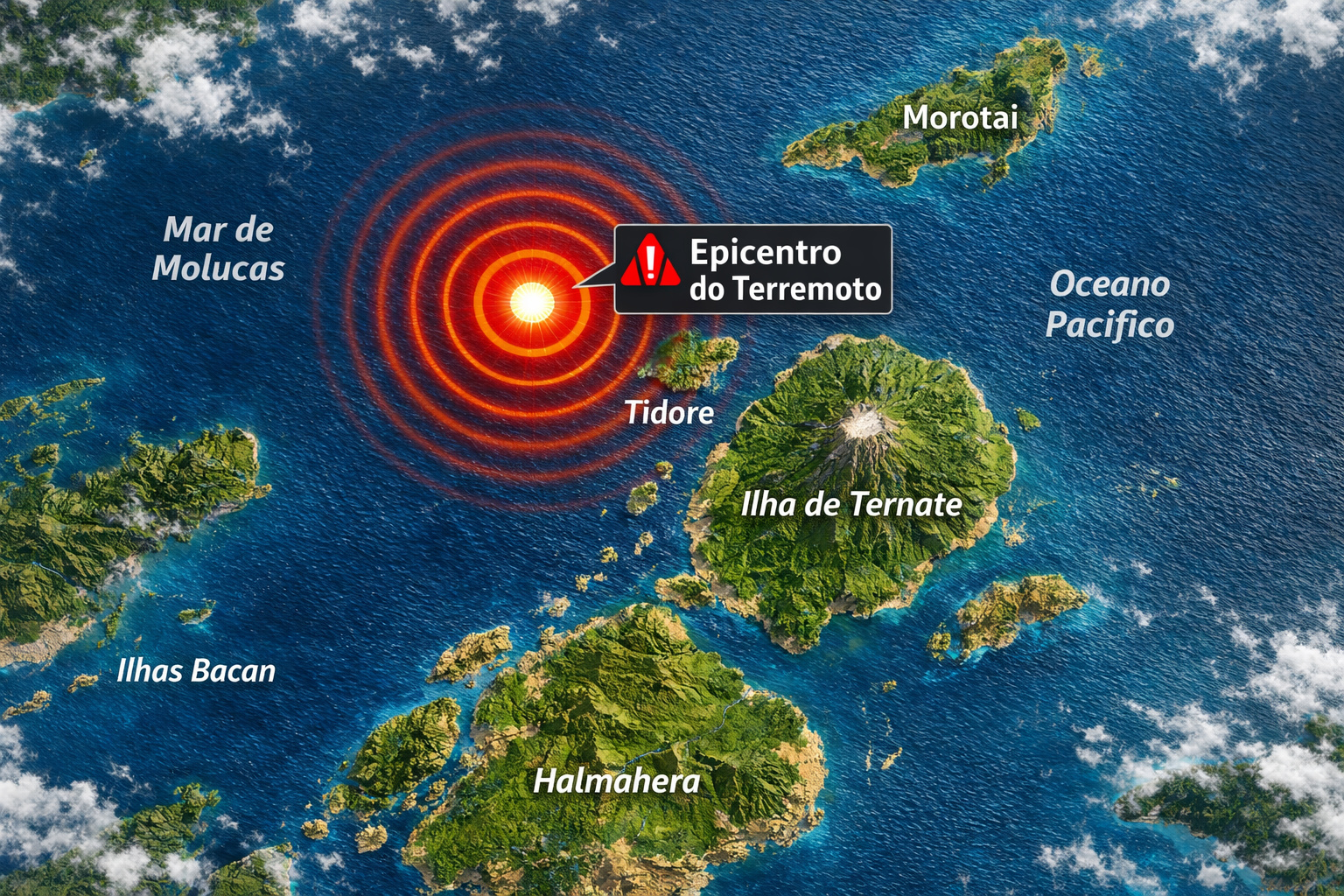
7.8 magnitude earthquake in Indonesia frightens the population, triggers tsunami alert, and hits an island with over 200,000 inhabitants this Thursday.
-
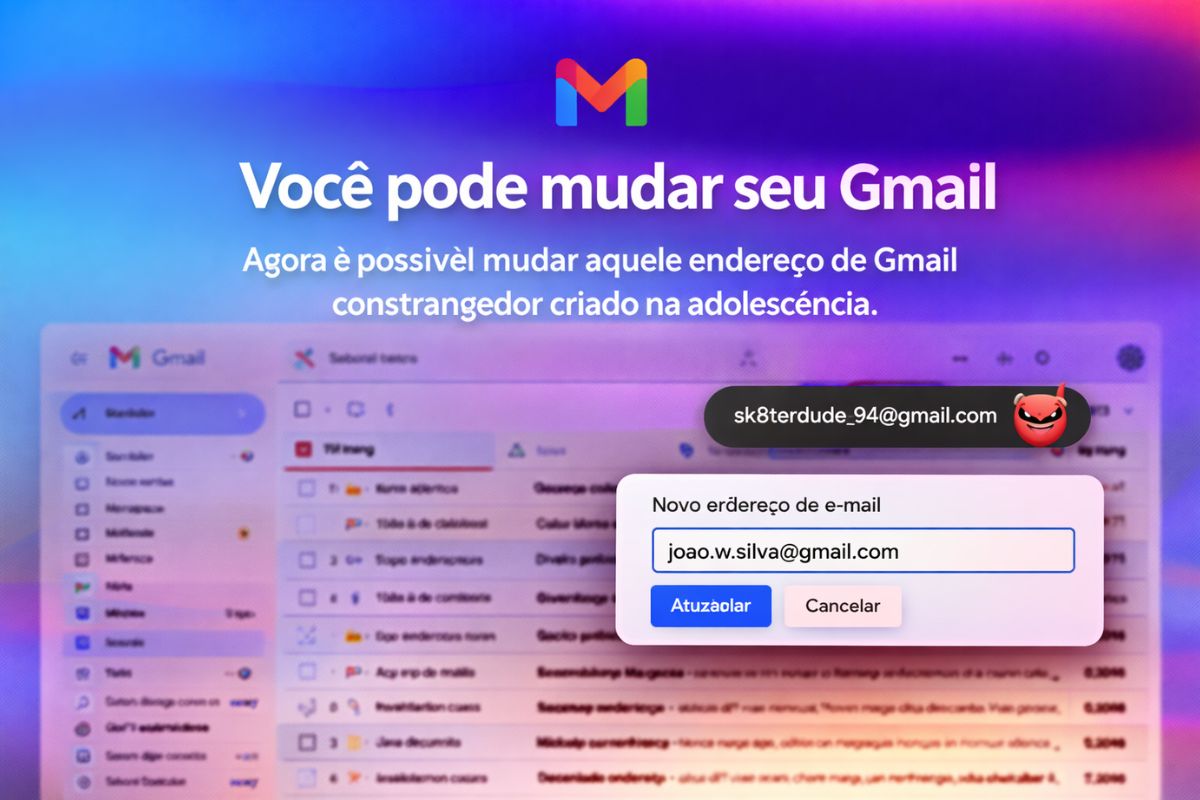
Google will finally let you change that embarrassing Gmail address you created in your teenage years without losing any accounts, logins, or old emails: the feature is already available in the United States.
-
Heading to Brazil in a Bonanza F33 single-engine aircraft: a couple departs from Florida on a visual flight, makes technical stops in the Caribbean to refuel and organize paperwork, and begins the staged crossing until they reach the country.

The Yamaha YM2612 audio chip, responsible for memorable tracks such as those from the Sonic The Hedgehog franchise, helped create a distinctive sound identity for the video game.
Initially equipped with a three-button controller, the device later received a six-button version, necessary for more complex games like Street Fighter II, which broadened its appeal to fighting game fans.
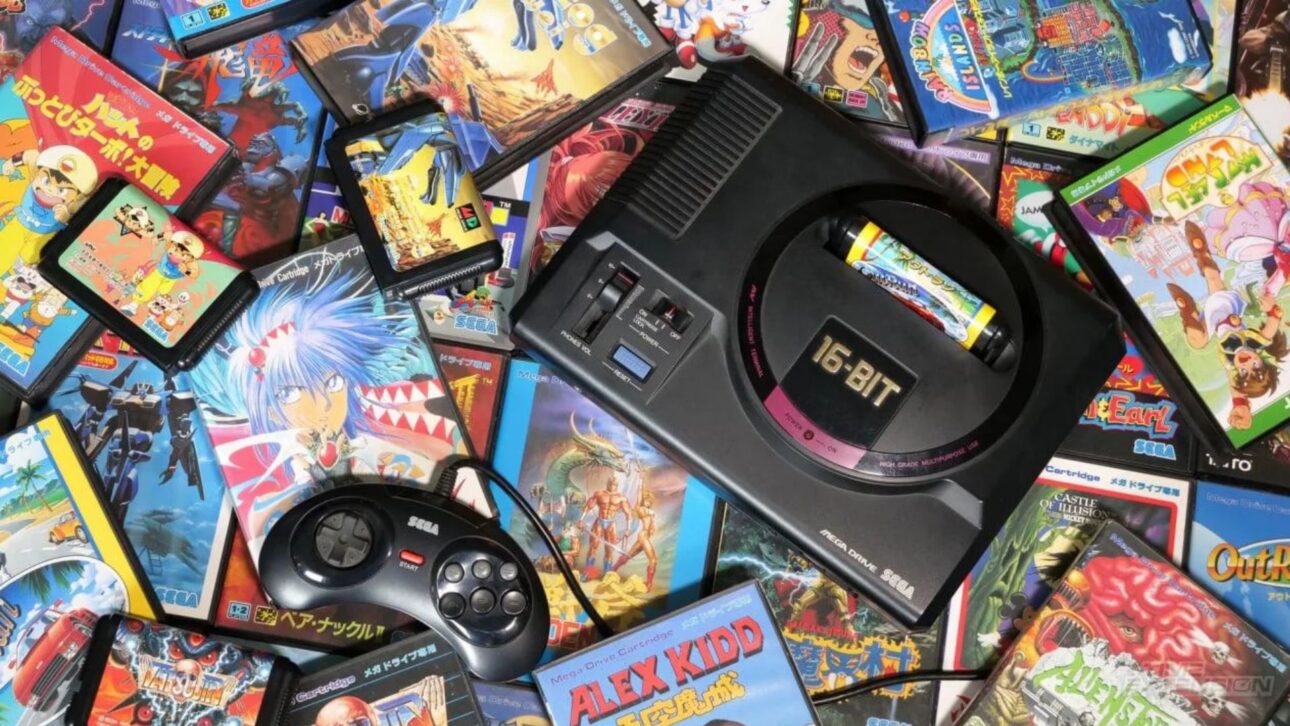
The success of the Mega Drive in Brazil was directly driven by TecToy’s strategy, a company that heavily invested in advertising, localization of games, and even exclusive adaptations for the national market.
In the first half of the 1990s, the Mega Drive held about 80% of the Brazilian console market share, becoming a reference for home technology and a status symbol among teenagers and young adults.
Classics of the Mega Drive: Games That Marked an Era
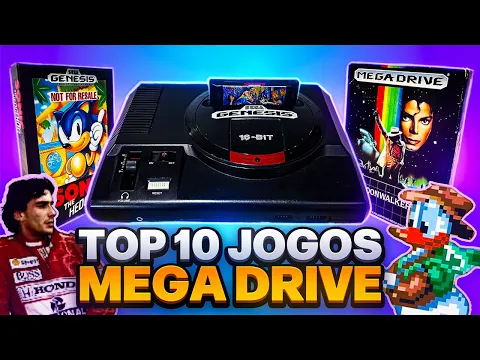
The Mega Drive’s library stood out for its diversity and quantity: over 900 titles were released globally, including hits that still appear on lists of the best games in video game history.
Among the classics most remembered by Brazilian gamers are:
- Sonic The Hedgehog, which rivaled Mario in popularity
- Streets of Rage 2, recognized for its cooperative mode and soundtrack composed by Yuzo Koshiro
- Golden Axe and Altered Beast, adaptations of major arcade franchises
- Aladdin, praised for its challenge and visuals inspired by Disney animations
The national catalog received special attention from TecToy, with localized releases and translations of important titles, such as Phantasy Star IV, an RPG that gained a Portuguese version and is now among the rarest and most valuable cartridges in the Brazilian market.
This care for the local audience helped consolidate the Mega Drive as a reference console, especially in a time when game piracy was common and official releases were expensive for the average consumer.
The Decline of the Mega Drive and the End of an Era
However, the trajectory of the Mega Drive began facing challenges back in the 1990s.
Sega itself, the console’s manufacturer, invested in peripherals like the Sega CD and 32X, which hit the market with high prices and a limited game library.
With the accelerated technological evolution and the arrival of powerful rivals like PlayStation and Nintendo 64, both equipped with 32-bit processors and 3D graphics, the Mega Drive lost shelf space.
Sega officially ended production of the Mega Drive in 1997 in Japan, and in 2001, the company completely abandoned hardware worldwide to focus on other platforms.
In Brazil, the story followed a different pace.
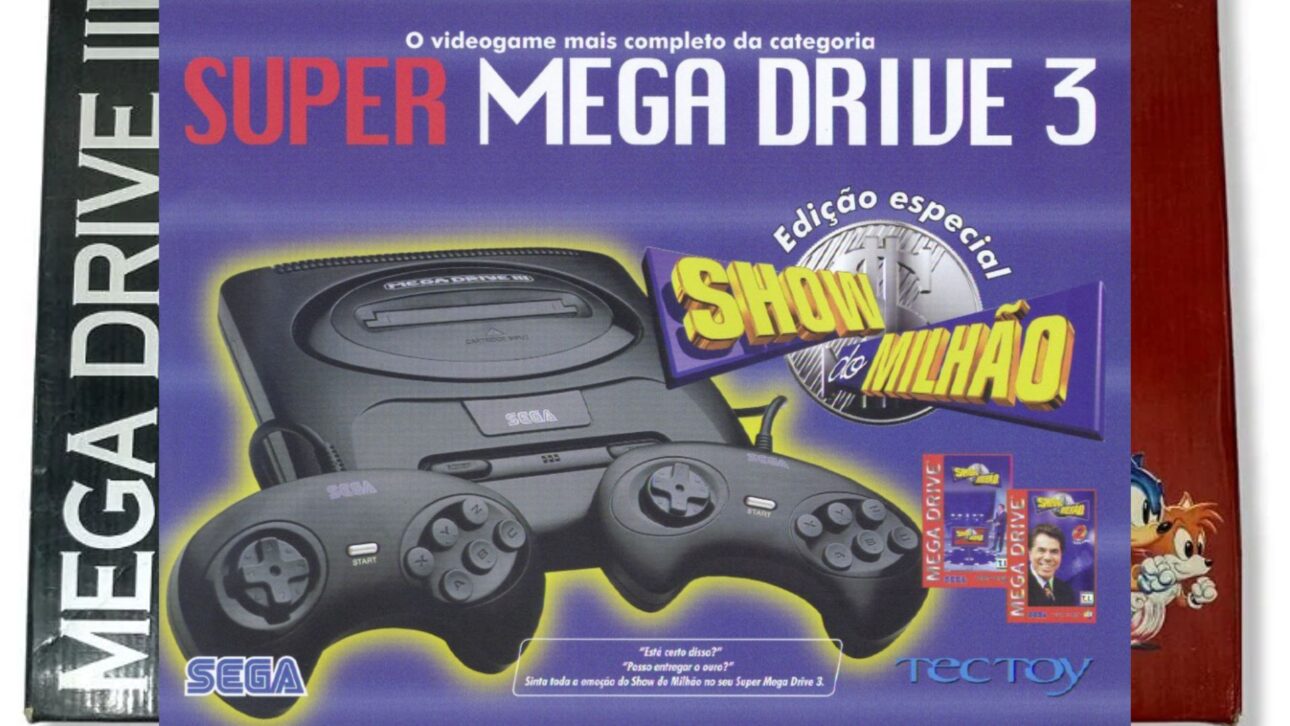
TecToy continued producing variants of the Mega Drive for almost three decades, betting on versions with internal memory, redesigned aesthetics, and even a microSD card slot.
The last model produced by the company, launched in 2017, came with 22 games in memory and support for new accessories, concluding a line that spanned generations.
This “last of the cartridges” was discontinued in 2023, definitively ending national production of the console.

Mega Drive Today: Nostalgia, Collecting, and Legacy
Currently, the Mega Drive survives in different forms.
Sega launched official mini consoles, such as the Mega Drive Mini (2019) and the Mega Drive Mini 2 (2022), both equipped with dozens of classic games, HDMI ports, and save-state systems, allowing new generations to discover or relive experiences from the past.
For technology enthusiasts, the Analogue Mega Sg, released in 2019, offers faithful reproduction of original cartridges in 1080p resolution without using emulation, although the price is comparable to that of current-generation consoles.
The collectors market has also heated up in recent years.
Units of the Mega Drive manufactured by TecToy, still sealed and dated from 2017, surpass R$ 1,700 on resale platforms.
Rare cartridges, such as the national version of Phantasy Star IV, can exceed R$ 800, reflecting the nostalgic interest and historical value attributed to these items.
Meanwhile, retro-gamer communities develop modifications and emulation solutions, such as using Raspberry Pi and HDMI boards, to transform original consoles into machines capable of running classic games in high definition.
Despite the end of production, the impact of the Mega Drive remains alive in the cultural memory of Brazilians.
The console not only introduced thousands of people to gaming culture but also left deep marks on electronic music, graphic design, and even the national digital entertainment market.
The music composed by Yuzo Koshiro and the colorful images of Sonic still echo in speedruns on YouTube and in miniature consoles found on the shelves of nostalgic fans.
Today, while TecToy invests in new technologies like Zeenix, a portable PC inspired by the success of the Steam Deck, the Mega Drive solidifies its legacy as an artifact of an era when the ritual of blowing cartridges and hearing the iconic “SE-GA!” marked the start of unforgettable afternoons in front of the tube TV.
Even though it is no longer manufactured, the Mega Drive remains a topic of debate, an object of collection, and an inspiration for new generations.
In an era of advanced digital technology and immersive experiences, what will be the next legacy that will evoke the same nostalgia and fascination that the Mega Drive inspired in millions of Brazilians?








Eu também sou desta época, chegava da escola e começava a jogar. Eu gostava muito do jogo da corrida “Ayrton Senna super Mônaco” acho que era esse o nome. Inesquecível. Bons tempos. Saudades!!!
Boa tarde, comprei um mega drive retrô em 2017 , o controle dele não está funcionando mais, onde acho pra comprar outro?
Vc encontra tanto no Mercado Livre quanto no Shopee.
Sou dessa época,muitas tarde que chegava da escola e ligava o mega drive p jogar muita saudades ✌️