





 Portuguese
  English
  Spanish
  5 min of reading
  0 comments


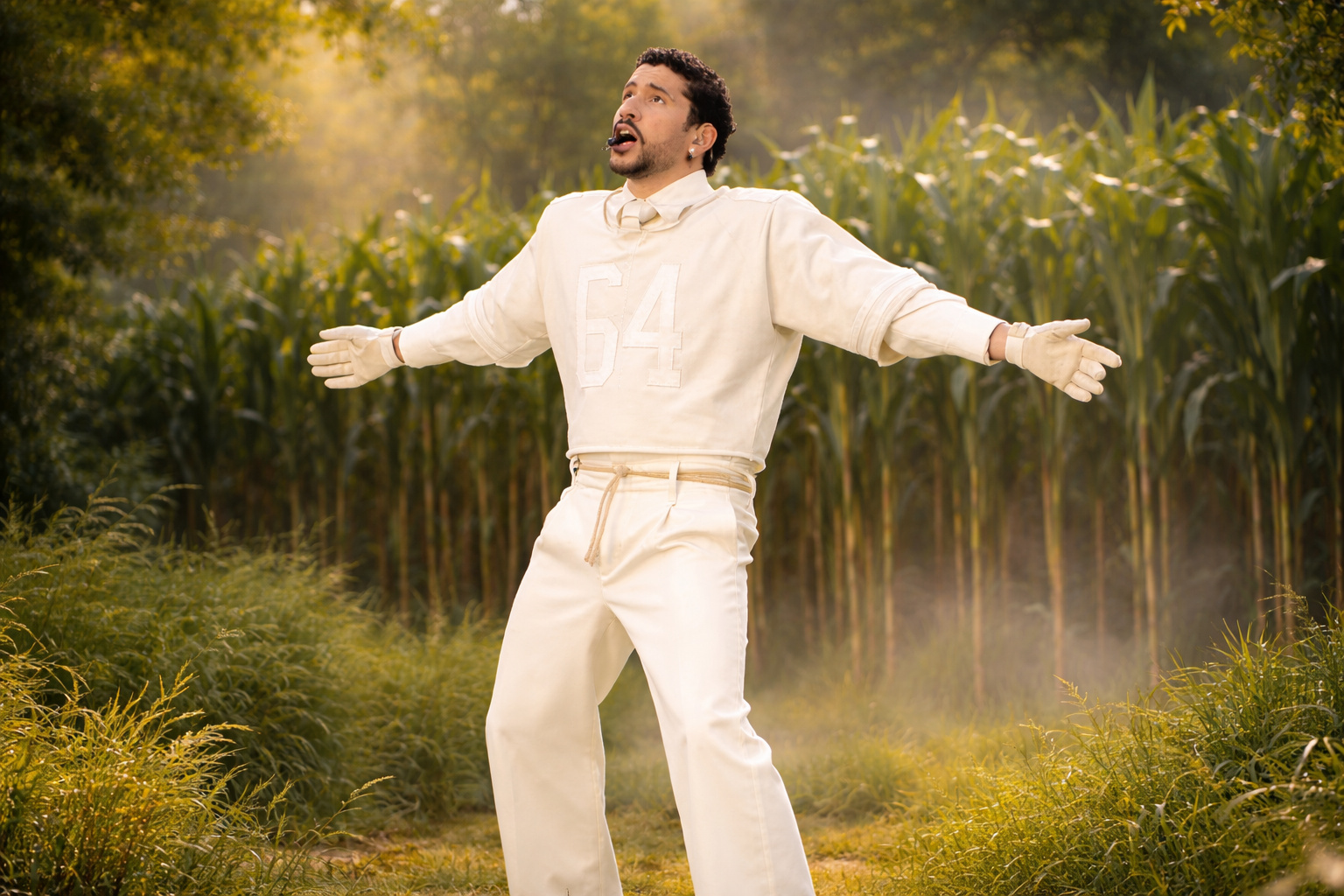
Bad Bunny Is One of the Most Influential Artists of the 21st Century, Uniting Urban Music, Cultural Identity, and Social Impact in a Trajectory That Redefined the Reach of Latin Music Worldwide.
Talking About Bad Bunny Is, Above All, Talking About Cultural Transformation. Over the Last Few Years, The Puerto Rican Artist Has Evolved from Being Just a Name on Reggaeton Playlists to Becoming a Global Phenomenon. His Trajectory Represents a Historic Change in Pop Music, Especially in the Way Latino Artists Occupy the Center of the International Industry Without Abandoning Their Language or Identity.
Born as Benito Antonio Martínez Ocasio, Bad Bunny Grew Up in Vega Baja, Puerto Rico. From an Early Age, Music Was a Part of His Routine. Still, His Start Did Not Follow the Traditional Path of the Recording Industry. Before Fame, He Worked as a Bagger in a Supermarket While Releasing Music Independently Online. This Detail Helps to Understand the Spontaneous and Authentic Character That Marks His Career to This Day.
According to the Website of Rimas Entertainment, Which Manages Part of His Career, the Artist Started Gaining Notoriety in 2016 When His Songs Began Circulating on Digital Platforms. From That Moment On, His Rise Was Rapid but Not Disconnected from a Broader Historical Context of Latin Music.
-
Friends have been building a small “town” for 30 years to grow old together, with compact houses, a common area, nature surrounding it, and a collective life project designed for friendship, coexistence, and simplicity.

-
This small town in Germany created its own currency 24 years ago, today it circulates millions per year, is accepted in over 300 stores, and the German government allowed all of this to happen under one condition.

-
Curitiba is shrinking and is expected to lose 97,000 residents by 2050, while inland cities in Paraná such as Sarandi, Araucária, and Toledo are experiencing accelerated growth that is changing the entire state’s map.

-
Tourists were poisoned on Everest in a million-dollar fraud scheme involving helicopters that diverted over $19 million and shocked international authorities.



The Origins of Bad Bunny and the Context of Latin Urban Music
To Understand Who Bad Bunny Is, It Is Necessary to Look at the Musical Scene of Puerto Rico. The Caribbean Island Plays a Central Role in the Development of Reggaeton Since the 1990s. Artists Like Daddy Yankee and Tego Calderón Paved the Way for a New Generation. Bad Bunny Thus Emerges as an Heir and Renovator of This Movement.
However, Unlike Many Predecessors, He Broke Aesthetic and Thematic Standards. Meanwhile, His Lyrics Began to Engage with Social, Political, and Identity Issues. In This Way, Reggaeton Moved Beyond Being Seen as Just Party Music and Began to Occupy Other Symbolic Spaces.
According to Reports Published by Billboard, the Artist Was One of the First to Reach the Top of Global Charts Singing Mainly in Spanish. This Achievement Marked a Historic Turn, As It Showed That International Success Does Not Necessarily Require Adaptation to English.
Global Consolidation and Audience Records
With the Release of Albums Like X 100PRE in 2018 and YHLQMDLG in 2020, Bad Bunny Consolidated His Presence in the Global Market. Each New Project Expanded His Audience and Reinforced His Artistic Identity. Moreover, His Collaborations with Artists from Different Genres Helped Further Expand His Reach.
According to Data Released by Spotify, Bad Bunny Was the Most Streamed Artist in the World in 2020, 2021, and 2022. This Dominance on Streaming Platforms Did Not Happen By Chance. On the Contrary, It Reflects a Change in Audience Behavior and the Logic of Music Consumption.
At the Same Time, the COVID-19 Pandemic Deeply Altered the Music Industry. While Shows Were Suspended, Streaming Gained Even More Relevance. In This Context, the Artist Released Albums That Engaged with Collective Feelings, Such as Isolation, Desire for Freedom, and Cultural Belonging.
Identity, Fashion, and Breaking Patterns
Beyond Music, Bad Bunny Became a Cultural Icon for His Stance on Traditional Gender Norms. From the Beginning of His Career, He Challenged Expectations by Wearing Clothes Considered Feminine by Conservative Standards. In This Way, He Expanded the Debate on Masculinity in Latin Culture.
According to Interviews Given to The New York Times, the Artist Claims that Fashion Functions as a Form of Personal and Political Expression. This Stance Connects Him to Historical Movements That Use Art as a Tool for Social Questioning.
Consequently, His Image Has Transcended the Musical Universe. Fashion Brands, International Magazines, and Cultural Events Began to Recognize Him as an Aesthetic Reference. Still, He Maintained a Critical Stance Towards the Industry, Reinforcing His Creative Autonomy.
Bad Bunny and Social and Political Engagement
Another Essential Aspect to Understand Who Bad Bunny Is Lies in His Social Engagement. Over the Years, the Artist Has Taken a Stand on Issues Such as Inequality, Gender Violence, and the Political Relationship Between Puerto Rico and the United States.
According to Reports from the Newspaper El Nuevo Día, in 2019 He Actively Participated in the Protests that Led to the Resignation of Then Puerto Rican Governor Ricardo Rosselló. This Involvement Marked a Historic Moment, Where Artists Stopped Being Mere Observers and Became Political Agents.
In Addition, Many of His Songs Address Experiences Lived by the Puerto Rican Population. By Doing This, He Transforms Local Experiences into Universal Narratives, Connecting Audiences from Different Countries.
The Relationship with Sports and Pop Culture
Although He Is Mainly Known for Music, Bad Bunny Has Also Made a Name for Himself in Other Areas of Pop Culture. One Example Is His Participation in Professional Wrestling Events, Such as WWE. This Interest Did Not Arise by Chance. Since Childhood, He Showed Admiration for This Universe.
According to the WWE Itself, the Artist Participated in Significant Events Between 2021 and 2023, Receiving Praise for His Dedication and Respect for the Sport. This Involvement Reinforces His Multifaceted Image, Which Transits Between Different Forms of Entertainment.
Moreover, He Has Also Acted in Cinema, Participating in Hollywood Productions. In This Way, His Presence Has Expanded Beyond Music, Establishing Him as a Central Figure in Contemporary Culture.
Historic Impact and Legacy in Progress
When Analyzing the Trajectory of Bad Bunny, It Becomes Clear That His Impact Goes Beyond Numbers and Awards. He Represents a Structural Change in the Music Industry. Latino Artists Have Started to Occupy Spaces That Were Once Inaccessible, Without Giving Up Their Cultural Roots.
According to Analyses Published by Rolling Stone, the Artist’s Success Has Opened Doors for a New Generation That Sings in Spanish and Explores Local Narratives. This Movement Redefines What It Means to Be Global in Music.
Furthermore, His Legacy Is Still Under Construction. With Each New Project, He Redefines Expectations and Expands Debates. Therefore, Talking About Who Bad Bunny Is Also Means Observing an Ongoing Process Marked by Constant Innovation.
Bad Bunny as a Symbol of a New Cultural Era
Finally, Bad Bunny Establishes Himself as a Symbol of an Era Where Cultural Diversity Takes Center Stage. His Career Reflects Broader Social Changes, Such as the Valuing of Plural Identities and the Breaking of Linguistic Boundaries.
According to the Latin Academy of Recording Arts and Sciences, Responsible for the Latin Grammy, the Artist Ranks Among the Most Awarded of His Generation. Still, More Important Than the Trophies Is the Symbolic Impact of His Trajectory.
Bad Bunny Is Not Just a Successful Singer. He Is a Cultural Phenomenon, Resulting from a Specific Historical Context and, at the Same Time, an Active Agent of Transformation. By Uniting Music, Identity, and Social Positioning, He Redefines the Role of the Artist in the 21st Century and Leaves a Lasting Mark on the History of Global Culture.









Seja o primeiro a reagir!