





 Portuguese
  English
  Spanish
  3 min of reading
  0 comments


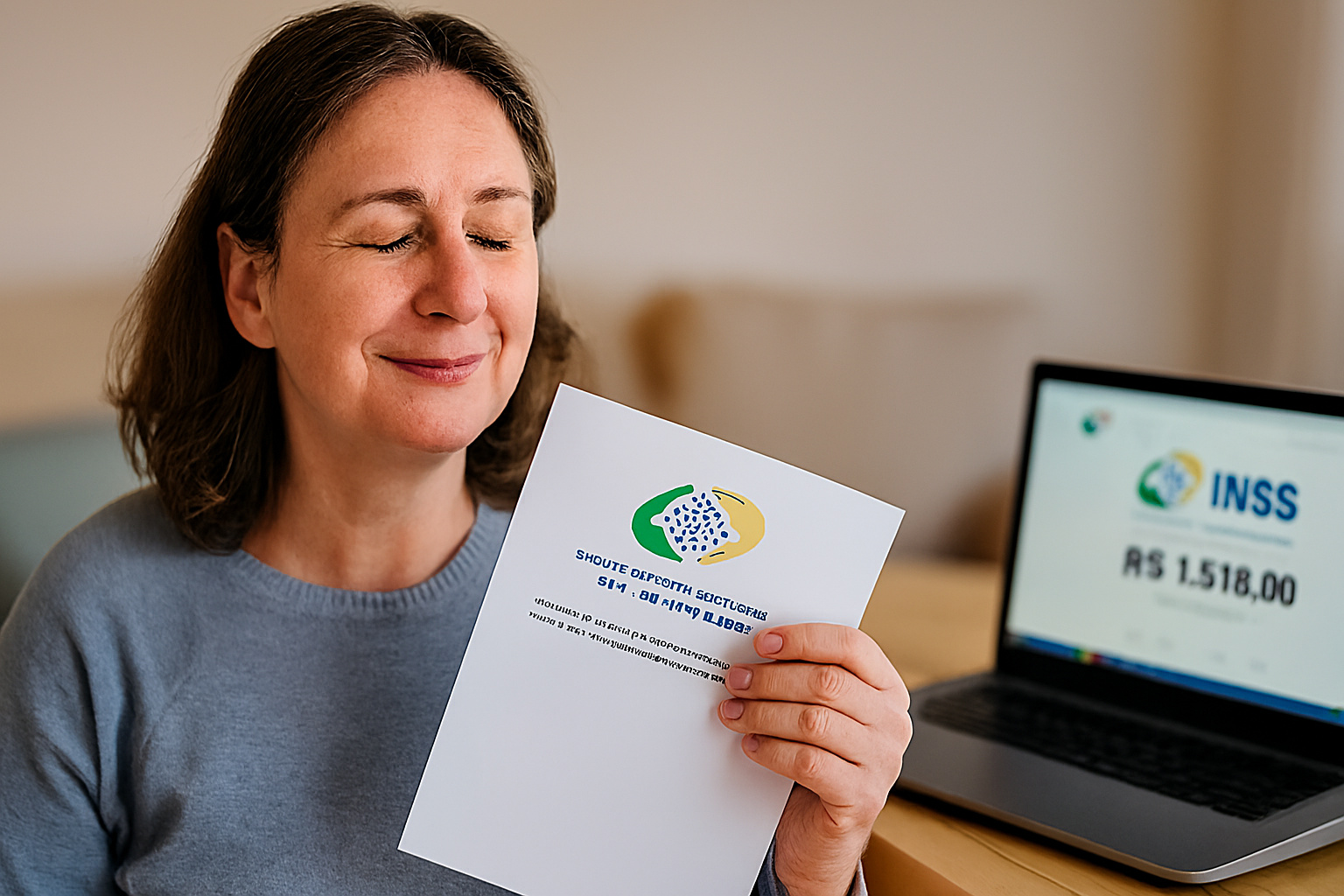
People With High Blood Pressure Can Receive R$ 1,518 Per Month From INSS With BPC-LOAS, As Long As They Prove Disability or Permanent Limitation. See Who Is Entitled.
Few people know, but individuals diagnosed with hypertension, commonly known as high blood pressure — may be entitled to receive R$ 1,518 per month from INSS through the Continued Cash Benefit (BPC-LOAS). This amount is equivalent to one national minimum wage and is guaranteed by the Organic Law of Social Assistance (Law No. 8,742/1993), managed by the Ministry of Development and the National Institute of Social Security (INSS).
Who Is Entitled to BPC-LOAS
The benefit is aimed at people with disabilities and elders aged 65 or older who prove they have no means to support themselves or have their support guaranteed by family.
In the case of hypertension, the benefit is granted only when the disease causes severe and permanent limitations that hinder or prevent the exercise of work activities.
-
The noise law will no longer be in effect at 10 PM starting in June with a new rule valid during the 2026 World Cup.

-
The Chamber opens a debate on driver’s licenses at 16 years old as part of a reform that includes around 270 proposals to change the Brazilian Traffic Code and may redesign rules for licensing, enforcement, and circulation in the country.

-
The new Civil Code could revolutionize marriages in Brazil with “express divorce” and changes that could exclude spouses from inheritance.
-
Banco do Brasil sues famous influencer for million-dollar debt and intensifies debate on delinquency, risks of seizure, and direct impact on Gkay’s credibility.


The medical and social evaluation conducted by INSS is mandatory. The report must prove that high blood pressure compromises physical or cognitive functions, resulting in partial or total disability for work. Each case is analyzed individually, considering the severity of the condition and its impacts on daily life.
Income Requirements and Registration in CadÚnico
In addition to health conditions, it is necessary for the per capita family income to be up to 1/4 of the current minimum wage (that is, approximately R$ 379.50 in 2025).
The applicant must also be registered in the Single Registry (CadÚnico), a system used by the federal government to manage social benefits. Registration can be done for free at any Social Assistance Reference Center (CRAS).
Even those without a history of social security contributions can apply for the benefit, as BPC-LOAS does not require a contribution period.
How to Apply for the Benefit
The application can be made simply through the Meu INSS portal or the official app available for Android and iOS.
The citizen must present:
- ID document and CPF;
- Detailed medical report, issued by a SUS professional;
- Updated proof of registration in CadÚnico;
- Income statements from family members.
After submitting the documentation, INSS schedules the medical examination and the social assessment, which will determine the right to the benefit.
Importance of Medical Decision
According to specialists in social security law, hypertension alone does not automatically entitle one to BPC, but it can guarantee the benefit when it causes serious complications, such as heart failure, stroke, loss of mobility, or permanent sequelae. Therefore, the medical report must highlight how the disease affects the ability to work and perform daily activities.
Cases where continuous treatment, the use of multiple medications, and a high risk of worsening the disease are demonstrated tend to receive greater recognition in decisions by INSS and Federal Justice.
An Essential Benefit for Those Who Cannot Work
BPC-LOAS is one of the main social protection policies in the country, benefiting more than 5 million Brazilians.
In addition to guaranteeing a monthly payment of R$ 1,518, the program ensures exemption from social security contributions and access to other social assistance linked to CadÚnico.
For those suffering from severe hypertension and living in vulnerable situations, the benefit can make the difference between helplessness and financial dignity.
If you know someone with the disease who faces limitations in working, advise them to seek the nearest CRAS and verify the right to the benefit.










-

-

2 pessoas reagiram a isso.