





 Portuguese
  English
  Spanish
  5 min of reading
  0 comments


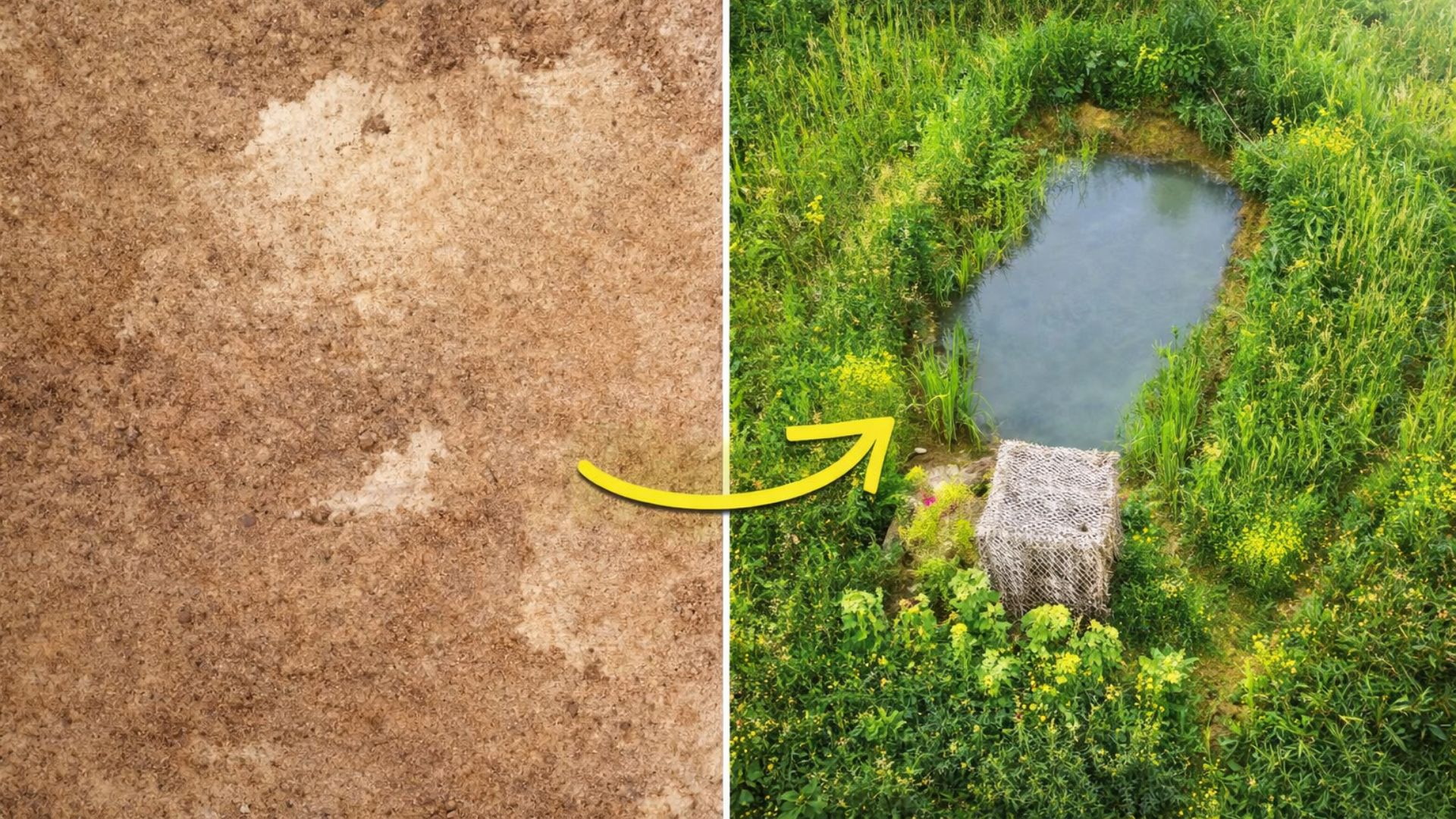
Backyard Transformation Gains Space in Cool and Temperate Cities, Replacing Lawns with Planned Ponds, Native Plants, and Simple Structures Aimed at Local Wildlife.
A backyard pond with a depth of 1.2 meters at its deepest point, with sloped edges and appropriate vegetation, has been used as an alternative to traditional lawns in cities in Canada and other countries.
The proposal combines a simple structure, made with technical canvas and shallow and deep areas, with a redesigned environment to attract local wildlife and support biodiversity, without relying on ornamental sources or constant artificial circulation.
While it increases the chances of finding amphibians, aquatic insects, birds, and small mammals, this type of pond raises recurring questions about maintenance, the risk of mosquito breeding, and functionality in regions with extreme climates.
-
He started running at 66 years old, broke records at 82, and is now a subject of study for having a metabolic age comparable to that of a 20-year-old, in a case that is intriguing scientists and inspiring the world.

-
Oldest tree on the planet reappears after 130 years of searches: Wattieza, 385 million years old, was 10 meters tall and had no leaves or seeds; Gilboa fossils in New York solved the mystery in 2007.

-
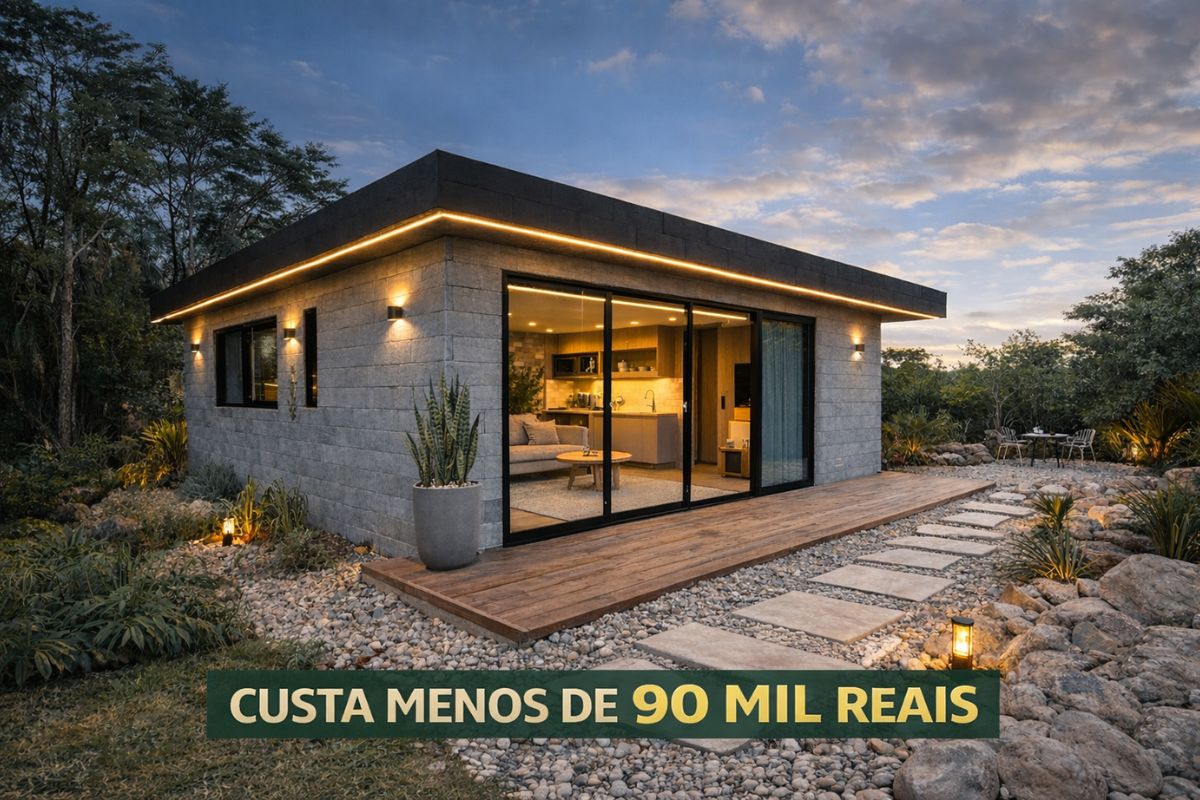
A 48-square-meter house assembled in hours with 4,000 bricks made of recycled plastic that does not absorb moisture, has natural thermal insulation, and costs less than 90,000 reais in a complete kit.
-
Luciano Hang revealed that Havan’s air fleet has already accumulated more than 20,000 landings, 10,000 flight hours, and 6 million kilometers traveled, and he says that without the planes, the company would never have grown so quickly.


Experts and urban pond management guides point out that the outcome depends less on size and more on design.
Diversity of depths, safe access to the edges, and ecological balance tend to reduce problems and increase the stability of the environment.
Backyard Pond as a Meeting Point for Local Wildlife
Unlike decorative fountains, the wildlife-oriented pond acts as a stopover for species that need water at some stage of their life cycle.

It is at this moment that amphibians, such as frogs and toads, in addition to aquatic beetles, dragonfly larvae, birds that drink and bathe, and small mammals that use the area as a route or shelter, come into play.
The logic is simple.
Where there is water, opportunities for feeding and reproduction arise.
Still, the way the pond is built makes a direct difference in the type of wildlife that can establish itself.
A pond designed with shallow areas and surrounding vegetation creates microenvironments that serve both aquatic species and those that rely on the edges for hiding, hunting, or safely exiting the water.
Pond Depth Influences Thermal Stability
Wildlife pond guides indicate that depth variation is one of the central factors in the design.
Shallow zones heat up faster and favor plants and invertebrates.
Deeper areas, on the other hand, function as thermal refuges during intense heat and also during winter when the surface may freeze.
Projects that include a deeper point, close to 1.2 meters, aim to ensure greater stability throughout the year, especially in regions with hot summers and harsh winters.
On the other hand, technical guidelines indicate that shallower depths can be sufficient in gardens, as long as the pond features different levels and appropriate vegetation.
The ideal depth, therefore, varies according to climate, pond size, and environmental objectives.
Sloped Edges Reduce Risks and Expand Habitat
The design of the edges is often the most sensitive point of the pond.
Very steep edges hinder access and increase the risk of animals slipping and being unable to escape.
In contrast, step edges create transition zones that function as natural ramps and also as hiding spots.
These terraces facilitate the establishment of edge plants, contribute to partial shading of the water, and provide perches for insects and amphibians.
This design also promotes the movement of natural predators, a factor considered important for ecological balance.
Site Selection Defines Pond Performance

Before excavation, the site selection considers sunlight incidence, proximity to trees, soil type, and the stormwater drainage path.
Partial sun tends to favor aquatic plants without excessively raising water temperature.
Total shade can limit plant diversity.
Nearby trees require attention due to leaf and branch fall, which increases organic matter and can alter water quality.
Stormwater drainage also needs to be monitored.
Heavy runoff can carry excessive soil and nutrients, leading to turbidity and algal blooms.
In this context, the pond ceases to be merely a landscaping element and becomes an ecological system integrated into the backyard.
Technical Canvas and Finishing Ensure Durability
After excavation at levels, the installation of pond-specific canvas usually defines the structure’s durability.
The material needs to be well positioned, stretched, and protected against punctures.
Gradual filling helps accommodate the canvas and prevents folds that compromise edge stability.
To reduce erosion, the edges are protected with stones or gravel.
The surroundings receive soil and sand restoration, creating a more natural transition between lawn, pond, and observation areas.
In some projects, reclaimed wood is used for small decks and walkways, allowing observation of the pond without trampling the edge vegetation.
Replacing the Lawn Expands Biodiversity
The pond tends to be the central element of a larger transformation in the backyard.

Instead of maintaining a uniform lawn, the proposal involves creating mosaics of native plants, with wildflowers and species adapted to the local climate.
These plants provide nectar, pollen, and seeds throughout the year.
The increase in insects attracts birds and other predators, enhancing the environment’s diversity.
The process usually includes grass removal, soil preparation, and seeding.
Over time, local spontaneous plants also settle and begin to integrate into the set.
Simple Structures Create New Ecological Niches
Beyond vegetation, basic structures increase habitat complexity.
Perches over the water provide hunting spots for insectivorous birds.
Nesting boxes favor species that utilize cavities for reproduction.
Piles of branches and fallen logs serve as shelter for invertebrates and small animals.
Floating structures expand support surfaces, help improve water quality, and provide refuge for amphibians.
The logic is not decoration, but rather the creation of connected microenvironments.
Balanced Pond Reduces Mosquitoes
The fear that the pond may increase the presence of mosquitoes is common.
In stagnant water without predators, larvae tend to proliferate.
In balanced ponds, the opposite occurs.
Dragonfly larvae, aquatic beetles, tadpoles, and regionally appropriate fish consume mosquito larvae.
Out of the water, insectivorous birds, bats, and spiders act as predators.
Publications in urban ecology describe adult dragonflies as efficient consumers of mosquitoes, provided there is species diversity and good-quality water.
Maintenance After Storms and Seasonal Changes
Once installed, the pond requires periodic observation. Strong storms can displace stones, compress vegetation, and alter the edges.
In these cases, it is recommended to check the canvas, reorganize structures, and maintain refuge areas for amphibians and small fish.
The management of vegetation involves only strategic cuts, preserving paths and access points.
When there is an excess of algae or turbidity, gradual interventions help restore the balance without eliminating important organisms.
The presence of larger predators, such as snakes or opportunistic mammals, is part of the natural dynamics of the created ecosystem.
With the backyard ceasing to be merely a lawn and becoming a habitat, daily contact with local wildlife changes.







-

3 pessoas reagiram a isso.