





 Português
  Inglês
  Espanhol
  4 min de leitura
  0 comentários


Credit Letter for Development (LCD) Will Be Launched in October, Aiming to Attract Investments and Modernize the Country’s Industrial Park!
Vice President Geraldo Alckmin, currently leading the country in the absence of President Lula, announced one of the largest industrial financing projects: the Credit Letter for Development (LCD). Scheduled for launch in October, the initiative has the potential to raise an impressive R$ 1.5 trillion to boost the national industry. During an event at Fiesp headquarters in São Paulo, Alckmin emphasized the importance of this new credit title, reinforcing that the market, and not the government, will be the engine of this record fundraising, according to the website investing.
A New Era of Industrial Investment Is About to Begin
Alckmin made it clear that the launch of the Credit Letter for Development promises to be a milestone in the Brazilian industrial sector, with an ambitious goal of raising R$ 1.5 trillion. “It’s not the government, it’s the market,” said the vice president, highlighting that the goal is to channel these resources directly into industry. This means that companies will have new opportunities to attract investments and modernize their production processes, something that could revolutionize the sector.
In addition, Alckmin highlighted measures such as accelerated depreciation, which is already mobilizing R$ 3.4 billion in the short term for the purchase of new machinery. He believes this policy is crucial to increase productivity and attract even more investments. “Business confidence is high, and we need to seize this moment,” commented the vice president, reinforcing that the government is working on a second phase of depreciation to expand its benefits.
-
Brazilian city gains industrial hub for 85 companies that is equivalent to 55 football fields.

-
Peugeot and Citroën factory in Argentina cuts production by half and opens a layoff program for more than 2,000 employees after Brazil drastically reduced purchases of Argentine vehicles.

-
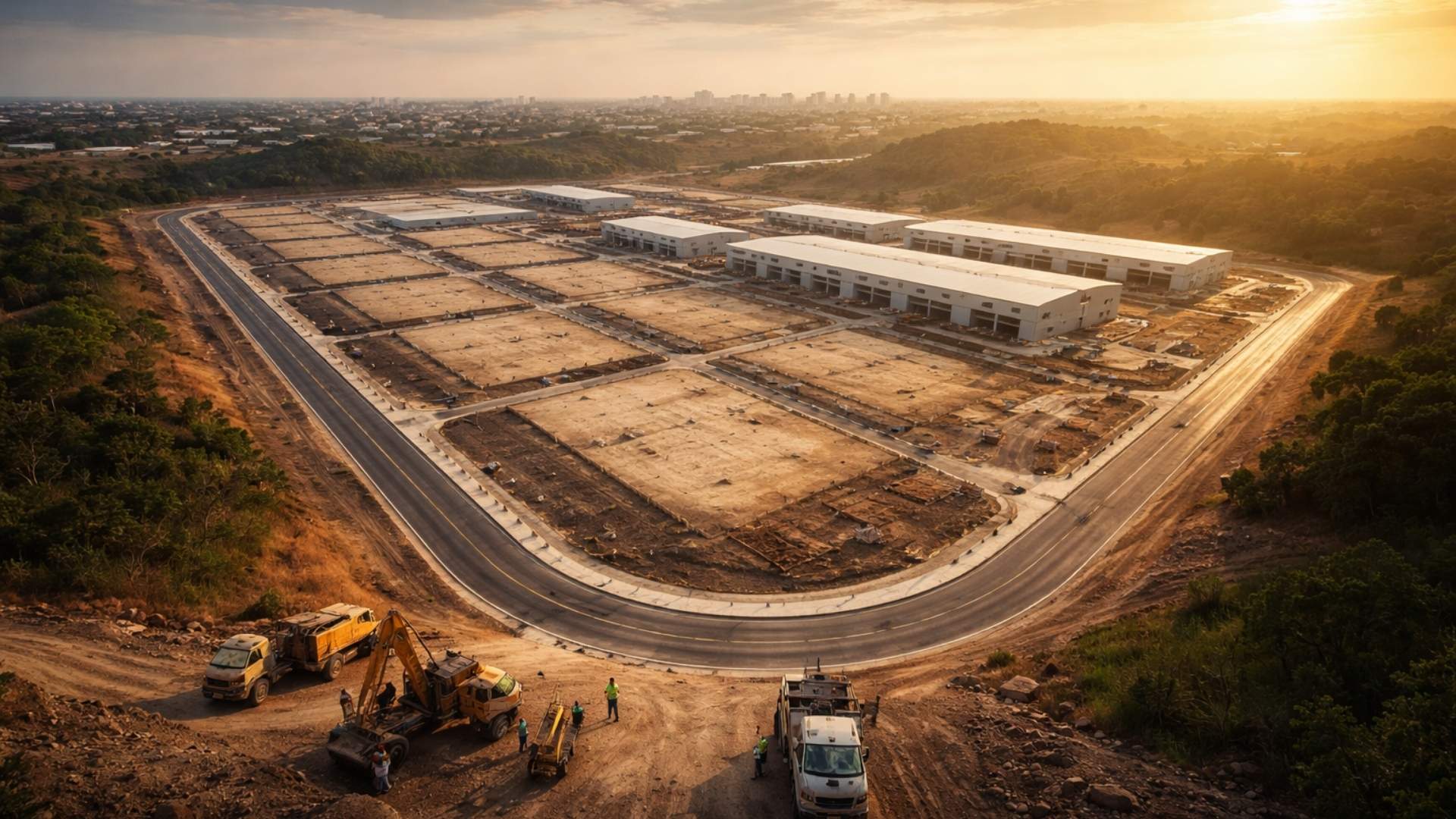
A Brazilian city gains a factory worth R$ 300 million with the capacity to process 200 thousand tons of wheat per year, a mill of 660 tons/day, silos for 42 thousand tons, and an industrial area of 276 thousand m².

-
Havan will leave the shopping mall in Blumenau to inaugurate something that the chain has never done before: a megastore in half-timbered style in the Historic Center of the city, which is expected to be completed in May and change the landscape of local retail.
Accelerated Depreciation: A Lever for Productivity
One of the main measures advocated by Alckmin is accelerated depreciation, a tax benefit aimed at encouraging the renewal of the Brazilian industrial park. The logic is simple: instead of depreciating a machine over 15 years, the industry will be able to do it in just two, stimulating the purchase of new equipment and, consequently, increasing productivity.
The measure is already generating R$ 3.4 billion and, according to Alckmin, is expected to gain momentum in the coming months. “We are preparing a new phase to increase the value of this depreciation, and thus, quickly renew the industrial park,” he stated. He also highlighted that the installed capacity of the industry is already at 82%, indicating a decline in idleness and an increase in confidence among both business owners and consumers.
Growth in Vehicle Sales Reflects Economic Improvement
Another positive point highlighted by Alckmin was the 14% increase in vehicle sales. He attributes this growth to improvements in employment, income, and credit conditions in the country. “With more people employed and greater purchasing power, the automotive industry is reaping good rewards,” he noted.
This rebound in the automotive sector reflects a broader scenario of economic recovery. Furthermore, Alckmin emphasized that, despite the industry being one of the sectors that pays the most taxes in the country, it should benefit from the ongoing tax reform. “The reform will balance this equation, making the business environment more favorable and helping to recover the regional market so that we can sell more products with higher added value,” said the vice president.
Tax Reform and the Future of the Brazilian Industry
Another important topic discussed by Alckmin was the tax reform. He argued that restructuring the Brazilian tax system will provide relief for the industry, which, according to him, pays taxes above its share of GDP. The reform aims to reduce this burden, making the sector more competitive and attractive to investors.
According to Alckmin, the Credit Letter for Development and other initiatives, such as accelerated depreciation, are just the beginning of a series of measures aimed at transforming the investment environment in Brazil. With these actions, the country can expect sustainable growth and a leap in productivity in civil construction and other industries.
Therefore, the Brazilian government, under the leadership of President Lula and Geraldo Alckmin, is laying the groundwork for a revolution in the industry, with major investment projects and a fiscal restructuring that promises to benefit the sector in the coming years.








Seja o primeiro a reagir!