





 Português
  Inglês
  Espanhol
  3 min de leitura
  3 comentários




Increase of the New Minimum Wage in Santa Catarina Impacts CLT Workers, with Values Well Above the National Minimum.
The new minimum wage in Santa Catarina, confirmed for 2024, promises to relieve the lives of millions of CLT workers in the state. With a value reaching R$1,844.40, the adjustment is well above the national minimum of R$1,412 and comes as a true breath of fresh air for those who depend on this income to balance their monthly expenses.
During the month of February, representatives of workers and employers reached a historic agreement that foresees a 6% increase in the new regional minimum wage. This increase applies to four different categories, ranging from R$1,612.26 to R$1,844.40, covering various sectors of the economy. The proposal was sent by the state government for analysis in the Santa Catarina Legislative Assembly (Alesc), where it is expected to be approved without major difficulties.
Adjustment Excites CLT Workers
This adjustment to the new minimum wage directly affects CLT workers in Santa Catarina, divided into four specific categories. The first category, with a minimum of R$1,612.26, encompasses sectors such as agriculture, livestock, construction, and transportation, while the second, with a salary of R$1,670.56, includes clothing, footwear, and communications industries. The third category, with R$1,769.14, serves chemical, pharmaceutical industries, and retail in general. The fourth and final category, which reaches a maximum value of R$1,844.40, benefits workers in metallurgical, printing, glass, and health industries, among others.
-
Brazilian city gains industrial hub for 85 companies that is equivalent to 55 football fields.

-
Peugeot and Citroën factory in Argentina cuts production by half and opens a layoff program for more than 2,000 employees after Brazil drastically reduced purchases of Argentine vehicles.

-
A Brazilian city gains a factory worth R$ 300 million with the capacity to process 200 thousand tons of wheat per year, a mill of 660 tons/day, silos for 42 thousand tons, and an industrial area of 276 thousand m².

-
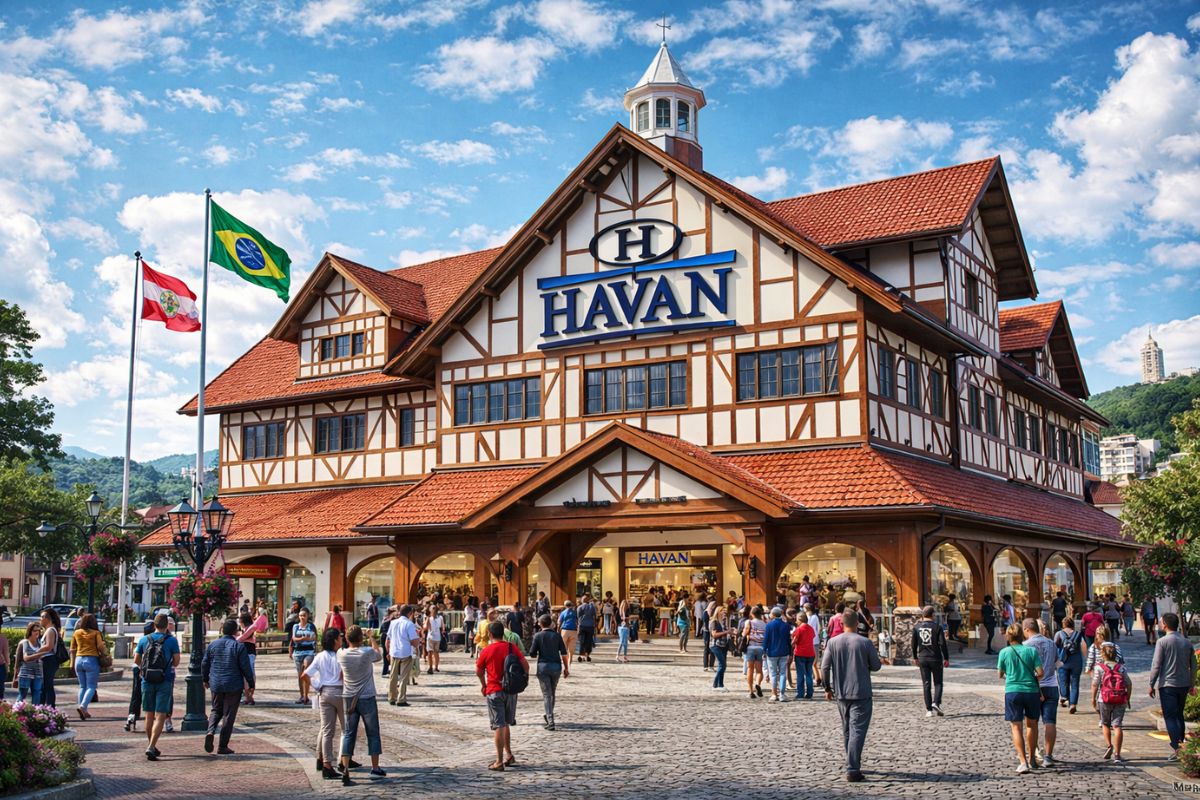
Havan will leave the shopping mall in Blumenau to inaugurate something that the chain has never done before: a megastore in half-timbered style in the Historic Center of the city, which is expected to be completed in May and change the landscape of local retail.

HAPPENING NOW: Astronauts Stranded in Space Aboard the Starliner: “There’s a strange noise coming from the speaker… I don’t know what’s causing it.”
President of Fiesc Highlighted That This Is the 14th Consecutive Year of Reaching a Consensus
For CLT workers, this news is a true relief. The president of Fiesc, Mario Cezar de Aguiar, highlighted that this is the 14th consecutive year of reaching a consensus between workers and employers in Santa Catarina. This reflects the importance of constant dialogue to ensure better conditions for those who keep the state’s economy running.
São Paulo Also Has a New Minimum Wage
Meanwhile, in São Paulo, the state minimum wage also saw an adjustment, but a slightly more modest one. Governor Tarcísio de Freitas sanctioned the new value of R$1,640, representing an increase of 5.8%. Although positive, the São Paulo value still falls short of the new minimum wage in Santa Catarina, highlighting the strength of the Catarinense economy and the state’s ability to offer better conditions to its CLT workers.
The new minimum wage in Santa Catarina not only ensures a fairer income but also recognizes the importance of CLT workers, who are the backbone of the economy. With Alesc’s approval, these values should begin to take effect this year, providing a somewhat more peaceful end of year for many Catarinense households. Now, workers only need to wait for the final confirmation and, of course, enjoy this well-deserved increase.
When Did the Minimum Wage Start in Brazil?
The minimum wage in Brazil was officially established on May 1, 1940, during the government of Getúlio Vargas. The creation of the minimum wage was one of the most significant measures of Vargas’s labor policy, aimed at ensuring a minimum remuneration for workers, sufficient to meet their basic needs and those of their families, such as food, housing, clothing, health, and education.
At that time, the minimum wage was set regionally, meaning there were different values for each region of the country, taking into account the variations in the cost of living in different parts of Brazil. The first minimum wage in Brazil ranged between Cr$ 240.00 and Cr$ 300.00, depending on the region.
TO LEARN MORE: Better Than Corolla? A Very Cheap Car Ignored by Brazilians: Nissan’s War Tank
If you have any opinions about the new minimum wage or want to share your experience, feel free to leave a comment! Your participation is always very welcome and enriches the discussion.









Meu nome é Amauri e este celular é do meu filho. Recebo 1sslario mínimo. Rio de janeiro é uma vergonha. Sou ipertensso
Se isso é só em SC, parem de ser sensacionalistas e coloquem esse informaçao logo no título “salário de tanto em análise em Santa Catarina”
Você tá certo mesmo amigo. Rio de janeiro. Não tem valor nenhum