





 Portuguese
  English
  Spanish
  3 min of reading
  0 comments


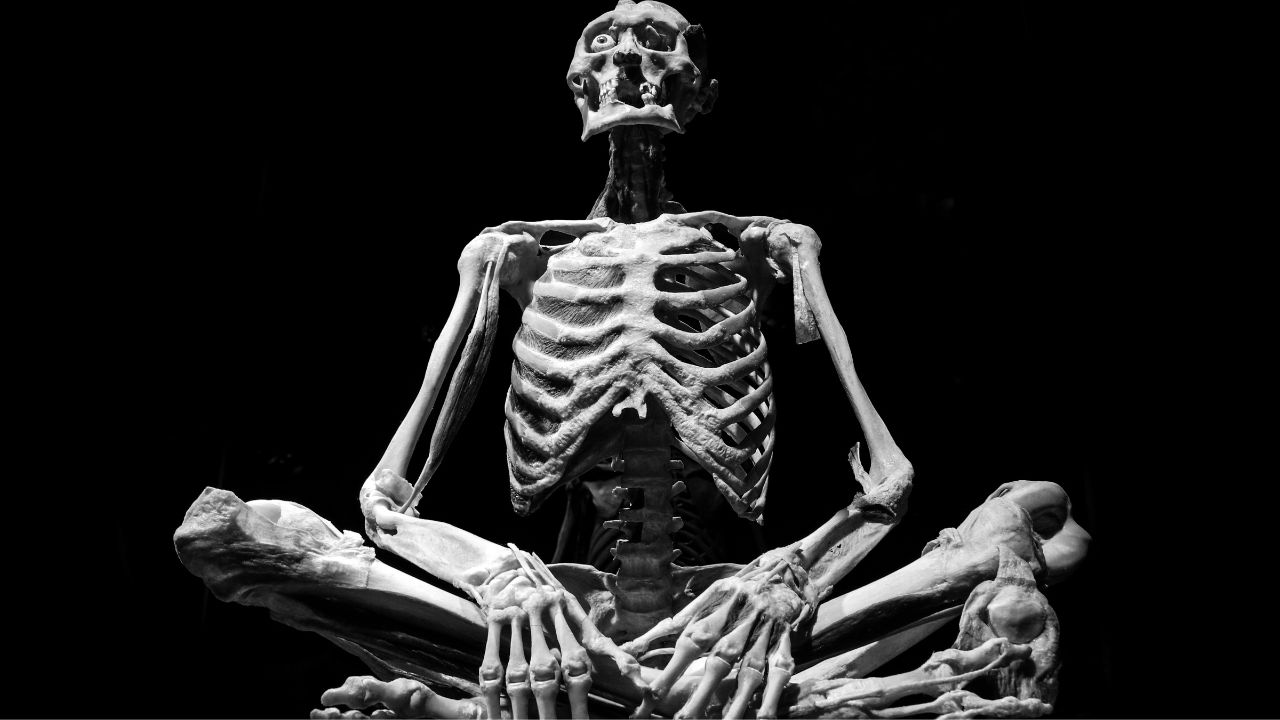
Discover How Carbon-14 and Radiocarbon Help Reveal the History of Humanity and Earth’s Climate.
In the mid-1940s, American chemist Willard Libby had an idea that would change science forever: to use carbon-14 as a natural clock to measure time since the death of plants and animals. To do this, he needed to prove the existence of radiocarbon in nature — something that had, until then, only been synthesized in a laboratory.
The solution came from an unexpected place: the sewage of Baltimore, United States. There, in the human and animal remains present, Libby found the proof that carbon-14 was present in the real world, ready to be used in dating objects and fossils.
The radiocarbon dating technique would become essential for archaeologists, forensic scientists, and climatologists. By measuring the decomposition of carbon-14 in organic materials, it is possible to determine the age of items up to 50,000 years old.
-
China has created a mass-produced hypersonic missile that costs the same as a Tesla, and this is changing everything in modern warfare because the United States cannot defend itself without spending millions.

-
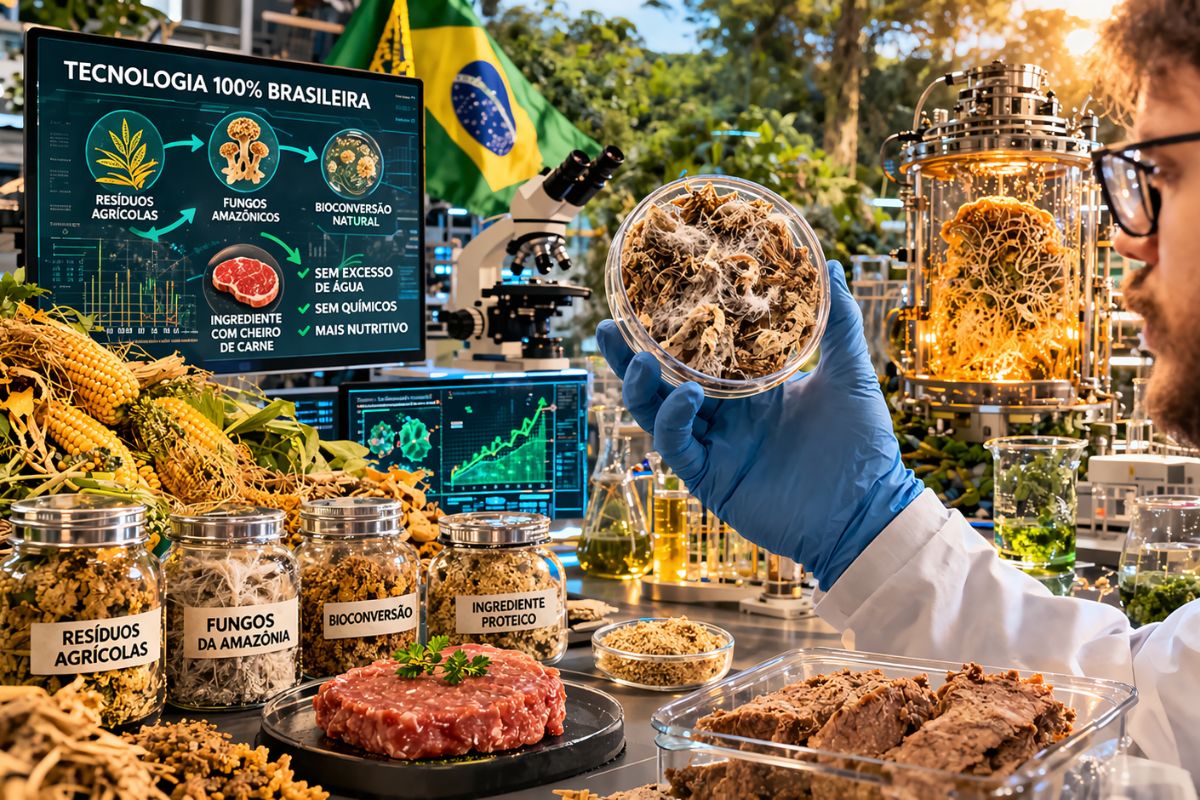
100% Brazilian technology transforms agricultural waste into a meat-scented ingredient using fungi from the Amazon rainforest. The process does not use excessive water or chemicals, and it also increases the nutritional value of the final product.
-
Psychology reveals that adults who avoid conflicts at all costs are not balanced individuals, but rather children who learned in the worst way that expressing emotions brought punishment and now live paralyzed by the fear of expressing themselves.

-
Goodbye pet hair on clothes: a washer with an internal filter promises to remove up to 5 times more hair than regular machines and uses an XL trap dryer system to capture what remains.


But how does this work? And why is this discovery so revolutionary?
How Carbon-14 Is Formed
Carbon-14 comes into being in the atmosphere when cosmic rays hit nitrogen atoms, transforming them into radioactive atoms.
This radiocarbon combines with oxygen to form carbon dioxide (CO₂), which is absorbed by plants.
Animals and humans that consume these plants also accumulate carbon-14 in their bodies. While the living being is alive, the stock of carbon-14 is constantly replenished.
When the organism dies, this replenishment ceases. From that moment on, the carbon-14 clock begins to tick, allowing scientists to accurately calculate how long it has been since the material stopped living.
Libby and the Proof No One Believed
While analyzing the methane from Baltimore’s sewage, Libby detected the presence of radiocarbon. “The problem is that you won’t tell anyone what you’re doing. It’s too crazy,” Libby said about his early experiments.
The discovery paved the way for dating the linen from the Dead Sea Scrolls, archaeological pieces, and even remains of Egyptian pharaoh ships, revealing the history of ancient civilizations.
In 1960, Libby received the Nobel Prize in Chemistry, solidifying carbon-14 dating as one of the most reliable techniques in modern science.
Radiocarbon in Forensic and Environmental Science
Today, radiocarbon helps solve missing persons cases, such as that of Laura Ann O’Malley, a girl who went missing in New York.
Carbon-14 dating enabled confirmation of the time of death and, together with DNA analysis, identified her remains.
Additionally, the technique is used to combat ivory trafficking, checking whether it was obtained before or after the 1989 ban. Sam Wasser from the University of Washington states: “Its usefulness is extraordinary.”
In the environmental field, carbon-14 helps understand the impact of fossil fuels on climate change.
Since these fuels do not contain carbon-14, their combustion dilutes radiocarbon in the atmosphere, altering the composition that reaches living organisms and potentially compromising the accuracy of dating in the future.
Modern Technologies Enhance Precision
Laboratories such as the Oxford Radiocarbon Accelerator Unit use accelerator mass spectrometers to measure carbon-14 in tiny samples, something impossible in Libby’s time, which required large amounts of material.
This allows for dating bones, charcoal, seeds, scrolls, and even unusual substances, such as fossilized bat urine.
The technique also aids in reconstructing climate changes, providing essential data for IPCC reports and helping scientists test climate models to predict the planet’s future.










Seja o primeiro a reagir!