





 Portuguese
  English
  Spanish
  2 min of reading


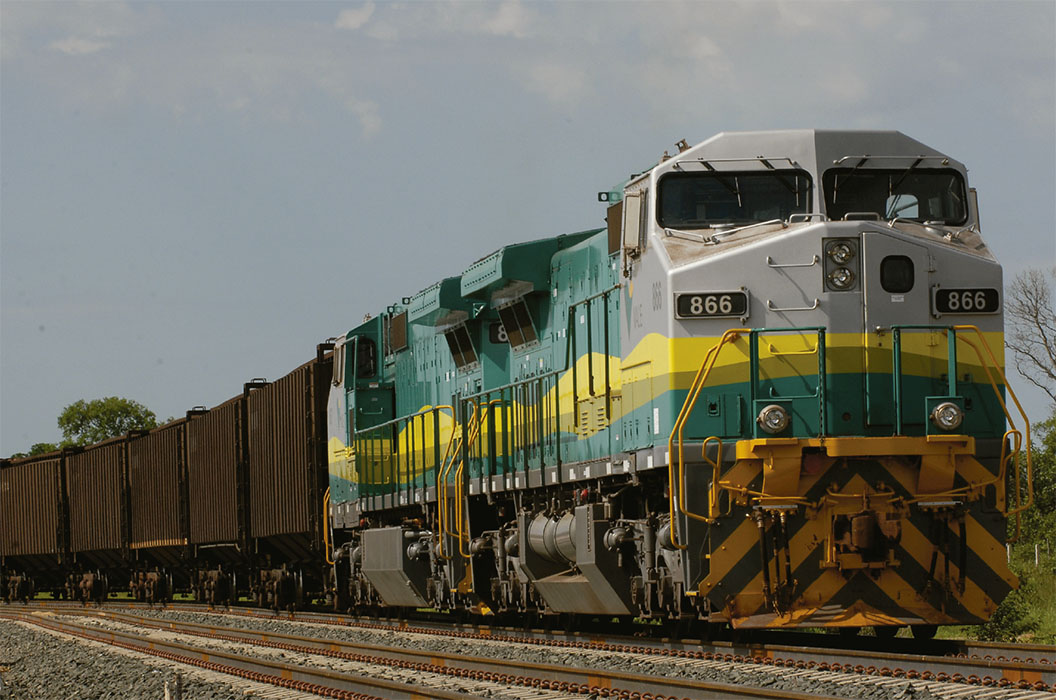
New Project Provides That the Construction of New Railways Be Made Through Simple Authorization, Based on the Expression of Interest
The Ministry of Infrastructure is mobilizing a series of projects that should be submitted to Congress for the approval of the new legal framework for railways. Bill No. 261 was forwarded to the Senate in 2018, which provides that new railways can be built with simple authorization based on the expression of interest from any private company. Currently, railways are constructed in Brazil through public concessions.
Check Out Other News of the Day:
- Automaker Multinational Honda Hires Candidates Without Experience at Its Factories for Trainee Positions
- 100,000 Scholarships; at the end of the course, students can secure a job at major companies in Brazil
- Offshore Recruitment and Selection in Macaé to Work on Petrobras Platforms, Today (04)
- Oil Giant Halliburton Recruiting for Job Openings in Macaé and Rio de Janeiro, Today February 4
Tarcísio de Freitas, Minister of Infrastructure, says, “This is an important project for us because it advances, facilitates, and streamlines. It allows someone willing to take the engineering risk to do so with regulatory benefits. The entrepreneur has more flexible regulation, has more freedom to operate with their asset and the time it takes to amortize the capital.”
In the authorization model, the company becomes the owner of the entire railway and no longer belongs to the Union. The proposed model today is already applied in private ports, where the government issues the authorization for the company to privately construct its structures and operate the railways.
-
China alone accounts for 70% of trade within the BRICS, while Brazil establishes itself as an essential supplier of food and minerals: understand how the group, which already represents nearly 40% of the world’s GDP, is changing the game.

-
Starting in May, those who do not have registered biometrics will not be able to apply for Bolsa Família, sickness benefits, or unemployment insurance: understand the new rule that changes access to benefits for millions of Brazilians.

-
A new law being voted on in Brazil proposes a minimum fare of R$ 10 per trip and R$ 2.50 per kilometer for Uber and 99 drivers, and promises to ensure they earn as well as taxi drivers did during the golden age of taxis in the country.

-
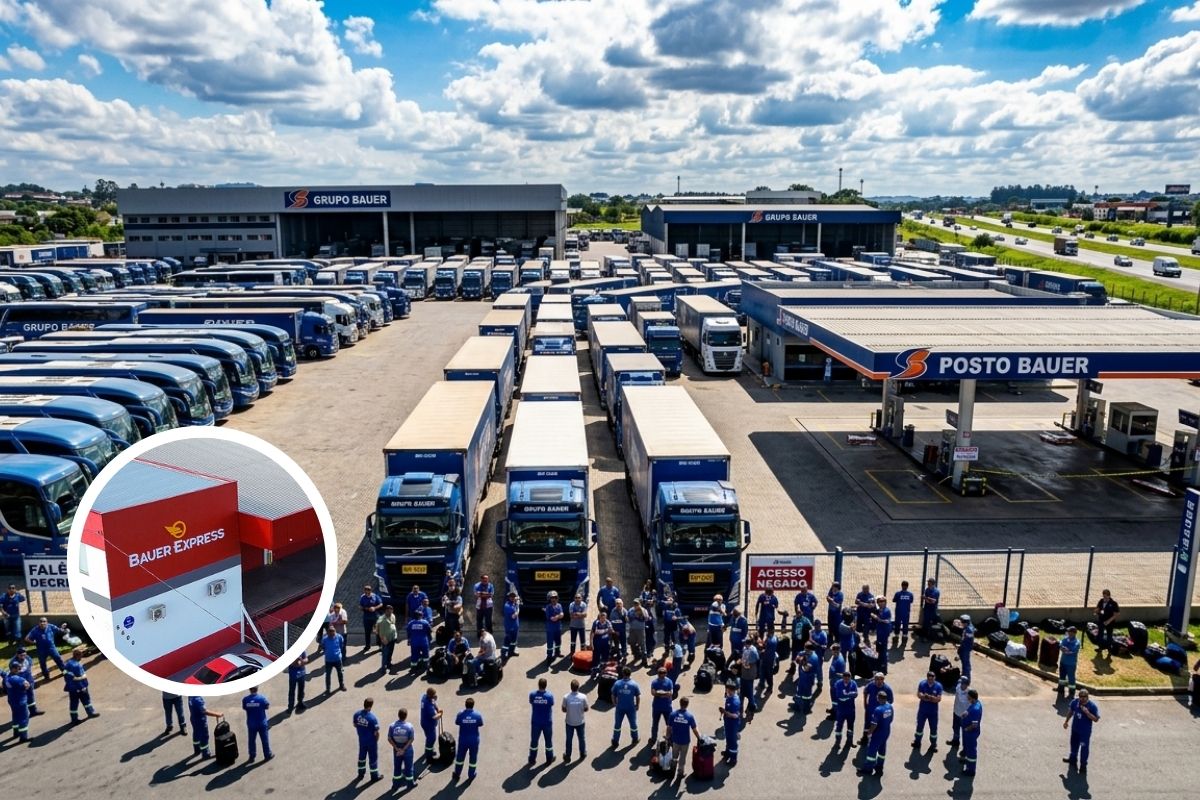
Bauer Group collapses after failed judicial recovery: 25 years, 800 vehicles, and a network of gas stations leave a debt of R$ 50 million and 100 layoffs, exposing costs, tight margins, and expensive credit in Brazil.
BR do Mar Project:
Tarcísio also highlighted the need to advance the project called “BR do Mar,” which aims to bring more competitiveness to coastal industries, allowing people to become familiar with maritime transport between Brazilian ports. The project is not consistent among retailers and representatives of this segment.








Seja o primeiro a reagir!