





 Portuguese
  English
  Spanish
  5 min of reading
  0 comments


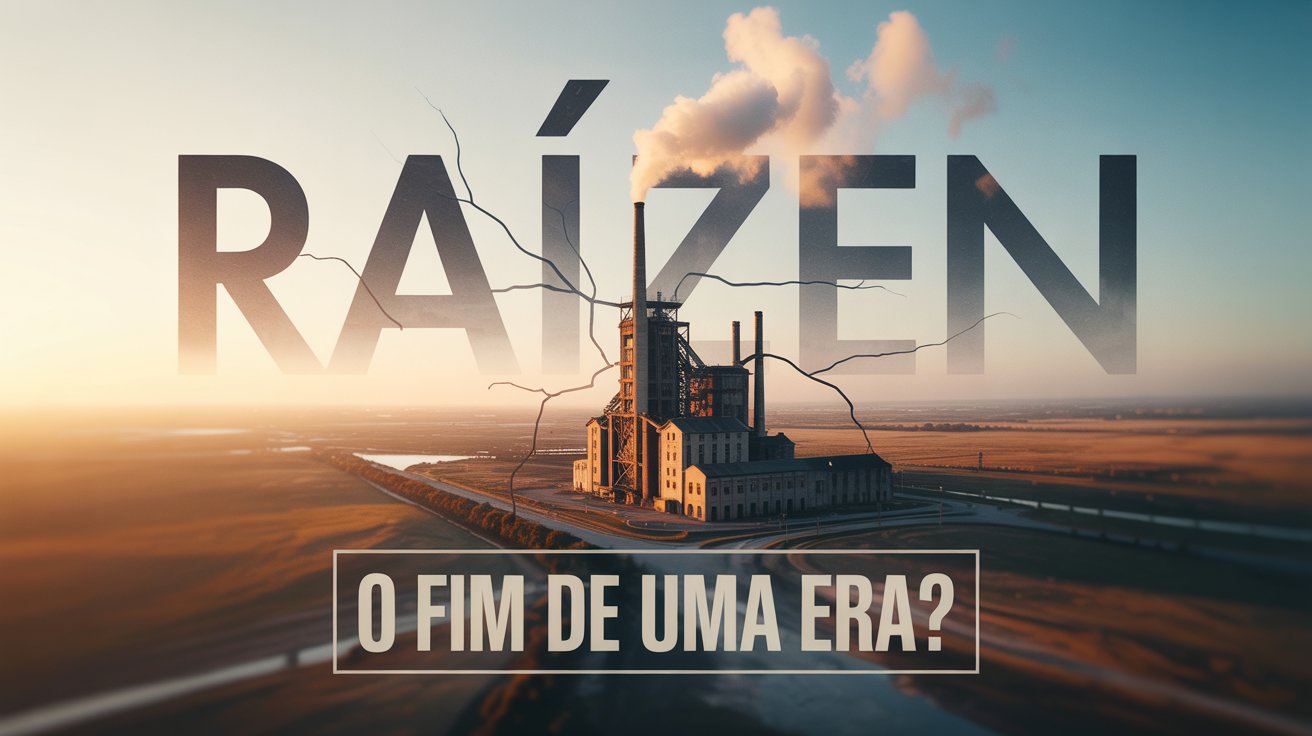
Closure of Santa Elisa Plant Marks the End of a Historical Cycle in the Brazilian Sugar and Ethanol Sector, Involving Innovations, Transformations, and Structural Changes in the Last Decades.
The Brazilian sugar and ethanol sector faces a historical milestone after Raízen, one of the largest companies in the field, announced on Tuesday (15) the closure of operations of the traditional Santa Elisa Plant, located in Sertãozinho, interior of São Paulo.
The announcement surprised industry leaders, symbolizing not only a stage in the company’s internal restructuring process but also the end of a fundamental cycle for the national sugarcane industry.
Founded in 1936, Companhia Energética Santa Elisa, later known simply as Santa Elisa Plant, established itself as one of the most important references in the sugar and alcohol sector in Brazil.
-
The government requests the Federal Revenue Service for a new system to automate the income tax declaration, reducing errors, time, and bureaucracy for millions of Brazilians.

-
Pix in installments, international Pix, and contactless payment without internet: the Central Bank revealed the new features coming to the tool that is already used by almost every adult in Brazil.

-
Mercado Livre has just started selling medications with delivery in up to three hours to your door, and this move could completely change the way Brazilians buy medicines on a daily basis.

-
In Dubai, rising tensions from the war in the Middle East are causing super-rich individuals to leave the Gulf and direct their fortunes to a new financial refuge in Asia.


The plant was originally acquired by the Marchesi and Biagi families, who played a pioneering role in expanding sugarcane cultivation beyond the Northeast.
In the following decades, the unit experienced all the transformations in the sector, from the beginning of Proálcool, a federal government program created in the 1970s to stimulate the production of fuel alcohol, to the advancement of mechanization and industrial modernization at the beginning of the 21st century.
History and Impact of Santa Elisa Plant
In the 1970s, the Biagi family made the strategic decision to deactivate the original facilities of the plant, considered outdated, to build a new unit alongside it, capable of producing industrial sugar and alcohol.
This technological renewal allowed Santa Elisa to become, in 1973, one of the first to align with the new demands of the sector, anticipating the movement that would be propelled by Proálcool.
The program, officially launched during President Ernesto Geisel’s government, aimed to reduce the national dependence on fossil fuels amid the oil crisis.
The Biagi family directly collaborated in the preparation of the technical document that supported the federal initiative, titled “Photosynthesis as an Energy Source.”
In 1978, the plant was one of the pioneers to install distillation columns for the production of fuel ethanol.
The engagement was not limited to the plant itself: the Biagi family, also owners of the equipment manufacturer Zanini, transformed Santa Elisa into a reference for the implementation of new plants across the country, leading technical teams to build and establish crops in various regions.
Technological Innovations and Industrial Expansion
The innovative performance of Santa Elisa went beyond agricultural production.
The industrial park became a true laboratory for testing technological innovations developed by Zanini, contributing to the plant remaining one of the most modern in the sector for decades.
This dynamism allowed Santa Elisa to consolidate as a market consolidation agent, acquiring assets from competitors and expanding its milling capacity.
At the turn of the 1990s to the 2000s, even in the face of crises that hit the sugar and ethanol sector and put programs like Proálcool at risk, the plant maintained its relevance.
In 1998, it achieved the status of the largest sugarcane milling in the world, surpassing the mark of 7 million tons processed in a single cycle.
The social impact was significant: at its peak, it employed approximately 4,000 people, contributing significantly to the regional economy and neighboring municipalities such as Pontal, Pitangueiras, Barrinha, and Morro Agudo.
Changes in Control and Recent Challenges
The trajectory of Santa Elisa Plant followed the main movements of the sector in recent decades.
In 2009, the Biagi family, facing financial difficulties caused by exchange rate volatility and the global economic crisis, sold the unit to the multinational Louis Dreyfus Company (LDC).
The company, in turn, began to manage the business through Biosev, focused on the production of sugar and ethanol.
The scenario changed again in 2021, when Raízen acquired control of Biosev, including Santa Elisa.
Despite the expectation of renewal, sources in the sector point out that the plant had ceased to receive significant structural investments, contributing to the process of industrial equipment obsolescence.
This situation culminated in the decision to close operations in 2025.
Affective and Cultural Legacy in the Sugar and Ethanol Sector
In addition to economic and technological relevance, Santa Elisa Plant holds significant sentimental value for the Biagi family.
The industrial park housed the family’s residence, where Maurílio Biagi Filho, a representative of the new generation, was born and began his professional journey.
In a statement released after the announcement of the closure, Biagi Filho highlighted the importance of the location in his personal and business formation.
Throughout its 89 years of operation, Santa Elisa also actively participated in national debates on public policies for the sector.
In the late 1980s, for example, the unit was the stage for a landmark press conference, when Biagi Filho publicly denounced the state-owned company Petrobras for not fulfilling agreements to withdraw alcohol from strategic stocks.
Repercussions and Future of the Sugarcane Sector
The end of operations at Santa Elisa Plant represents a turning point for the sugar and ethanol sector, concluding a cycle of nearly nine decades of contributions to the development of the Brazilian sugarcane industry.
The unit was not only responsible for technological innovations but also played a central role in the training of specialized labor and in strengthening the regional production chain.
According to industry analysts, Raízen’s decision reinforces a trend of consolidation and restructuring of plants in Brazil, in the face of challenges such as the need for constant modernization, pressure for sustainability, and fluctuations in the international sugar and ethanol market.
Experts believe that the closure of a historic unit like Santa Elisa could accelerate the search for new management and production models in the sector.
With the departure of one of the country’s most traditional plants, what paths should the Brazilian sugarcane sector take to ensure competitiveness and innovation in the face of current market challenges?








-

Uma pessoa reagiu a isso.