





 English
  Francês
  Alemão
  Italiano
  Japonês
  Norueguês
  Portuguese
  Spanish
  4 min of reading


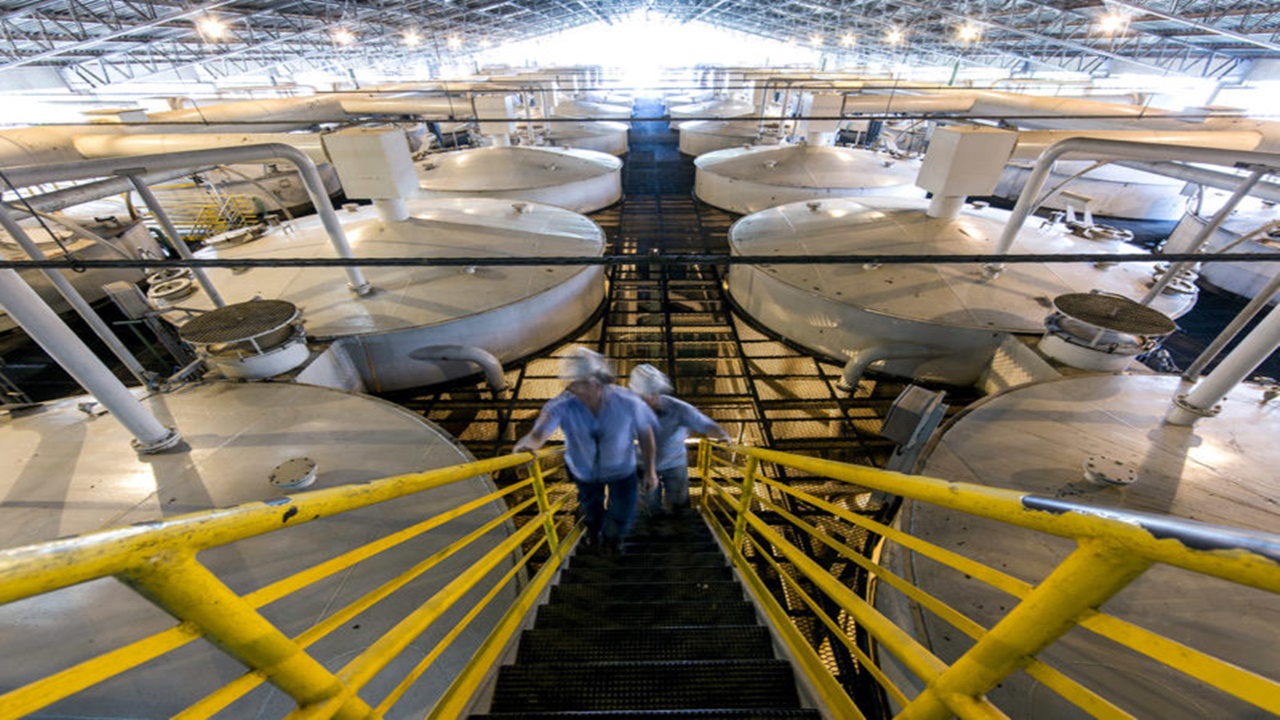
Volkswagen’s President in Latin America Says the Current Moment Is Critical to Define Whether Brazil “Will Be a Protagonist or Not” in Ethanol. “Technology and Energy Are Changing Very Rapidly, and We Need to Embrace This.”
Francis Queen, Vice President of Ethanol, Sugar, and Bioenergy at Raízen, stated that the company can license second-generation ethanol technology, or 2G, to other countries, “We need to have more producing countries; this is essential for ethanol to become a global commodity,” he said on May 25, during the Fenasucro & Agrocana Trends event.
Read Also
- Volkswagen Announces Installation of the Moura Battery Factory in Its Industrial Complex in RJ for the Production of Brazil’s First Electric Truck!
- Scientists Develop Transparent Electrode That Can Turn Windows into Solar Panels, and Discovery Promises to Revolutionize Renewable Energy Generation Worldwide
- Gasoline, Ethanol, Diesel, and CNG Prices Keep Rising, and the Newest Fuel GNC Has Come to ‘Save’ App Drivers, Taxi Drivers, and Workers
- Mega Oil Exploration Project Will Hire 100 Platforms, Build 50 Ships, Generate Over 400,000 Jobs, and Export 25 Million Tons of Oil by 2024 in the Arctic
- Sale of Hydrated Ethanol Among Distributors Has Been Definitely Prohibited by the National Agency of Petroleum, Natural Gas, and Biofuels
“We see very positively that India is increasing ethanol production; we want to see this in Thailand as well. We, at Raízen, are willing to provide technical assistance. We are even discussing licensing 2G ethanol technology to other countries.” The 2G is produced with byproducts or co-products of the conventional biofuel production process.
At the same event, Pietro Mendes, the Director of Biofuels at the Ministry of Mines and Energy, was present; he stated that the government is working to expand ethanol globally, both through public policies and the private sector. “It’s important that other governments understand how Brazil developed a public policy for ethanol and how regulation works. But this also doesn’t work without the private sector,” he said.
-
While Russia dominates the global wheat market, Brazil emerges as an unexpected competitor in the Cerrado, offering grain available in July and August when stocks in the Northern Hemisphere are at their lowest point of the year.

-
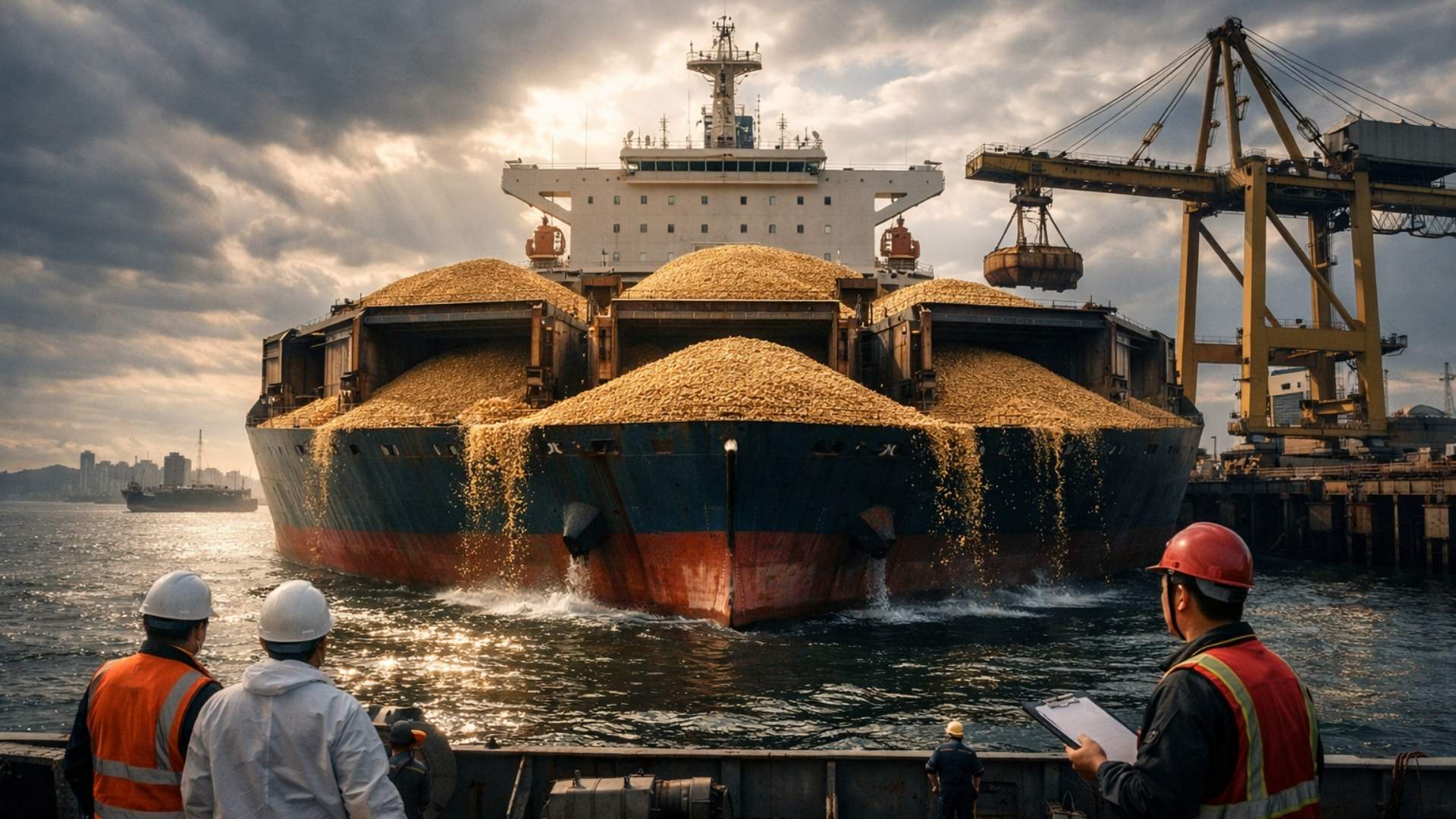
China returned almost 20 Brazilian ships with soybeans, but now everything could change: the country that buys 80% of the grain is considering relaxing regulations after impurities held up shipments of thousands of tons and caused million-dollar losses.
-
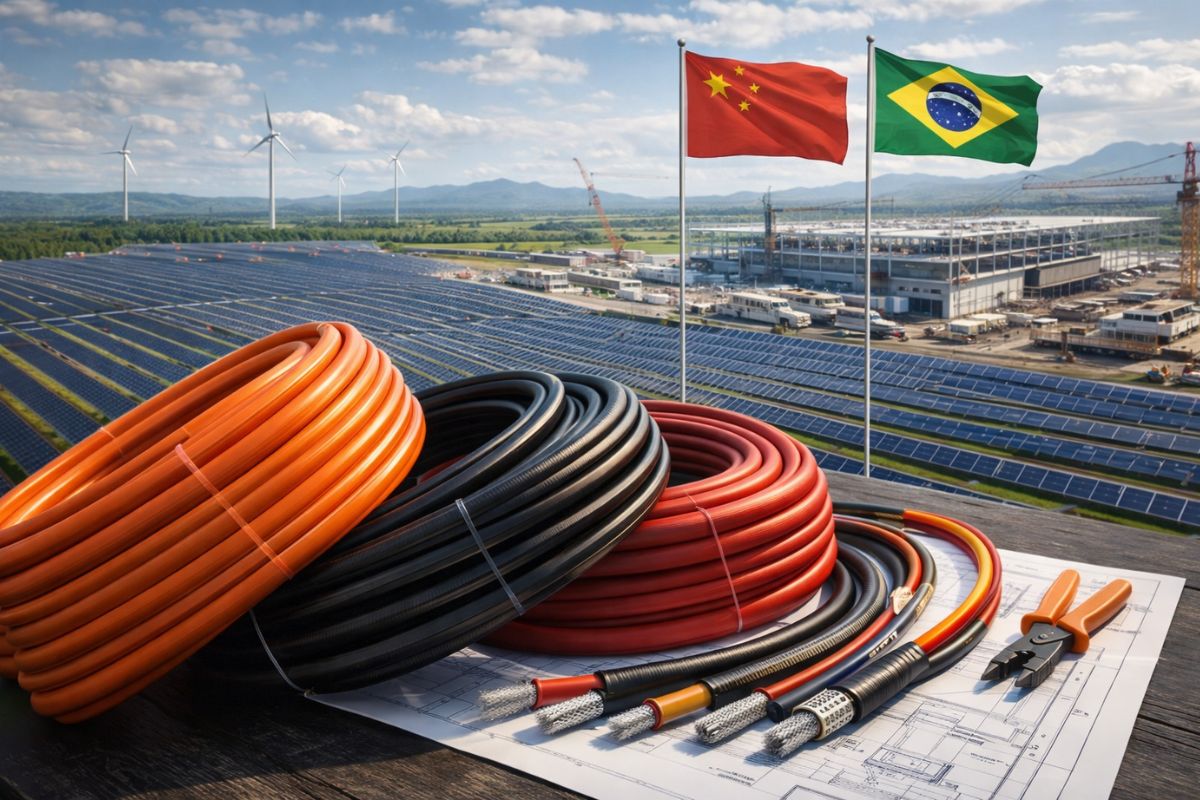
Chinese giant worth nearly R$ 4 billion that manufactures cables for electric cars, solar energy, and robotics wants to open a factory in SC.
-
Many employers do not know, but the law guarantees domestic workers a 25% increase in salary during trips, 50% for overtime, 20% for night shifts, and 17 additional benefits that can lead to labor lawsuits if not paid.

The Great Frontier of Biofuel Expansion at the Moment Is in Asia, in Countries Like India and Thailand
According to Pietro, the main expansion frontier is currently in Asia, in countries like India and Thailand. “These two are already sugar producers, so there is a positive double effect for our sector. You reduce the sugar supply and balance the market, while increasing the number of ethanol producers, so Brazil does not stand alone with this banner.” Mendes also emphasized the need to export automotive technology to demonstrate that using ethanol does not cause problems in vehicles.
According to the Indian ambassador to Brazil, Suresh Reddy, who also participated in the meeting, Indian companies are beginning to enter the ethanol sector more strongly, and the moment is good to analyze partnership options. “India is among the main automobile producers, so we have a large market. And our middle class is growing,” he added.
For Pablo di Si, the head of Volkswagen in Latin America, the current moment is critical to define whether Brazil “will be a protagonist or not” in ethanol. “Technology and energy are changing very rapidly, and we need to embrace this.” When asked about electric vehicles powered by ethanol, he mentioned that more research is still needed.
Raízen Geo Biogas UTE Is the First Biogas Thermal Plant in the Country to Receive Renewable Energy Certification
The Biogas Bonfim UTE, a unit of Raízen Geo Biogas located in Guariba (SP), has been certified by the I-REC Standard. One of the largest biogas plants in the world, with 21 MW of installed capacity, the thermal plant is the first among the 200 already certified by the I-REC Standard that uses biogas for electricity generation.
Raízen Geo Biogas is the result of a joint venture between Raízen and Geo Energética. The certified UTE was inaugurated last October and is located next to the Bonfim Plant, from Raízen, with a processing capacity of over 5 million tons of sugarcane. The thermal plant uses biogas produced from vinasse and filter cake, waste from the sugar and ethanol process.
Of the 138,000 MWh per year of installed capacity, 96,000 MWh will be supplied to the National Interconnected System (SIN) under a contract obtained by Raízen in the A-5 auction of 2016. The surplus energy may be traded in the free market or other contracts.
Raízen of the Shell Group Wants to Build Three Ethanol Plants Made from Bagasse and Sugarcane Straw
Raízen, the global giant in ethanol production in partnership with Shell, aims to build three more cellulosic ethanol plants — or second-generation. The good news was announced by businessman Rubens Ometto of Cosan on March 15, during a live session with Valor.
Cellulosic ethanol is made from bagasse and sugarcane straw. In Piracicaba (SP), the group already has a plant producing this type of fuel, which, according to the businessman, has high international demand due to the carbon sequestration it generates.
“We want to build three plants of this size, with an additional production of 300 million liters of second-generation alcohol,” Ometto revealed. “Companies like Shell, Exxon-Mobil, Total, they all have the greatest interest in acquiring this ethanol, given the carbon sequestration it provides.”
The technology for producing cellulosic ethanol originated from a partnership between Shell and the Canadian company Logen, specialized in biotechnology. In the last harvest (2019/20), the Piracicaba unit produced 226 liters of ethanol for each ton of dry biomass.








Seja o primeiro a reagir!