





 Portuguese
  English
  Spanish
  3 min of reading
  3 comments


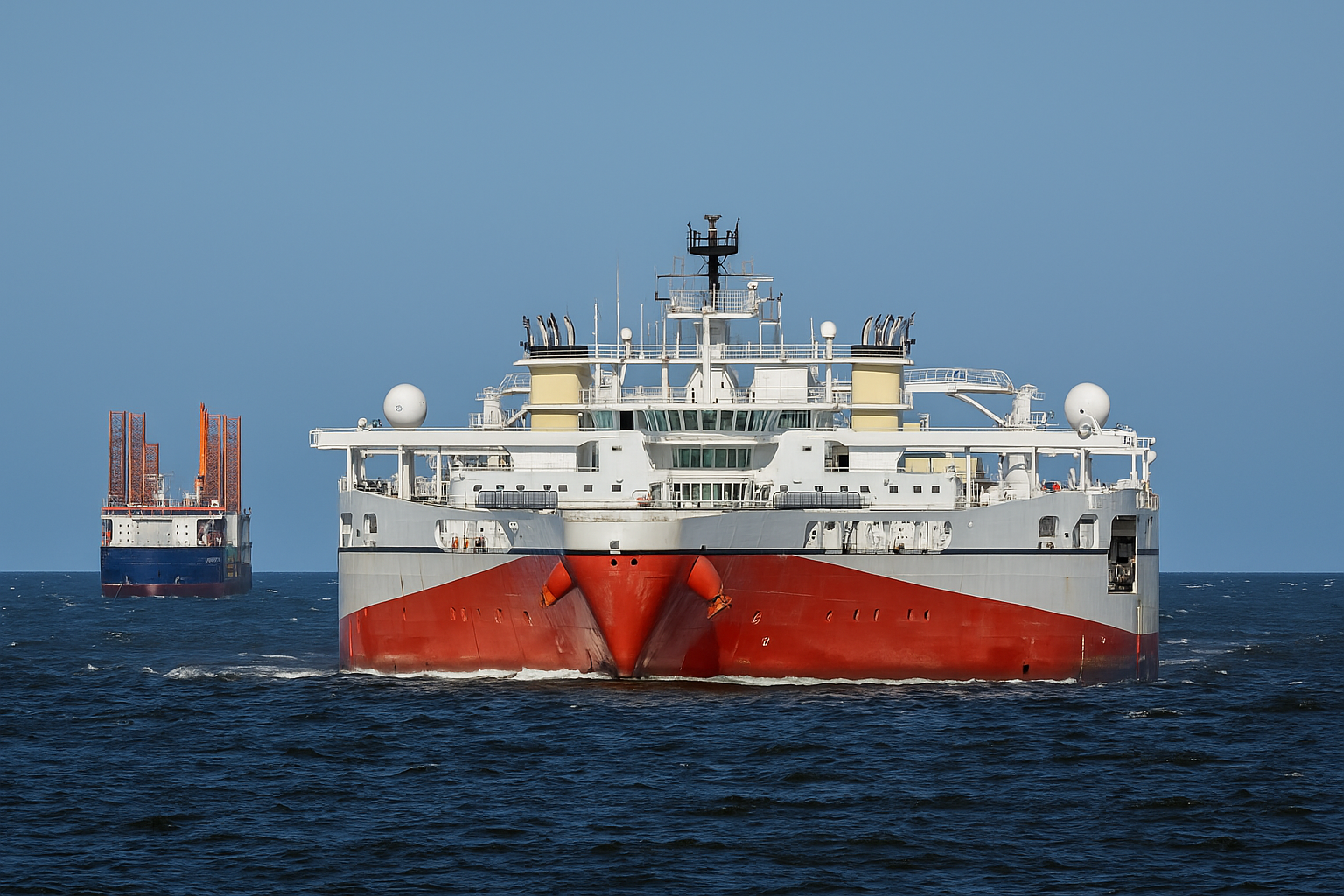


The Ramform Titan Is The Largest Seismic Vessel In The World, Equipped With 24 Cables To Map The Ocean Floor In High-Precision Operations For The Energy Industry.
The Ramform Titan, considered the largest seismic vessel ever built, is one of the most advanced craft for marine geophysical exploration. With a length of 104 meters and an impressive width of 70 meters at the stern, the vessel stands out for its delta shape and its ability to operate with up to 24 seismic cables, known as streamers. These cables are deployed into the sea to capture signals from the underwater layers and reveal what is hidden on the ocean floor.
Built in 2013 in Japan, the Ramform Titan is part of the PGS fleet (now TGS) and was designed to conduct geophysical surveys in offshore areas with high efficiency and precision. Its main function is to provide data to support operations in the oil and gas industry, contributing to the location of underground reservoirs.
Technology Enables Wide Coverage Offshore
The key differentiator of the Ramform Titan lies in its ability to simultaneously tow up to 24 streamers, each up to 12 kilometers long. These cables are equipped with sensors that capture sound waves reflected by the layers of the seabed. The result is a detailed map of the ocean floor, essential for identifying geological formations and potential areas of interest for resource exploration.
-
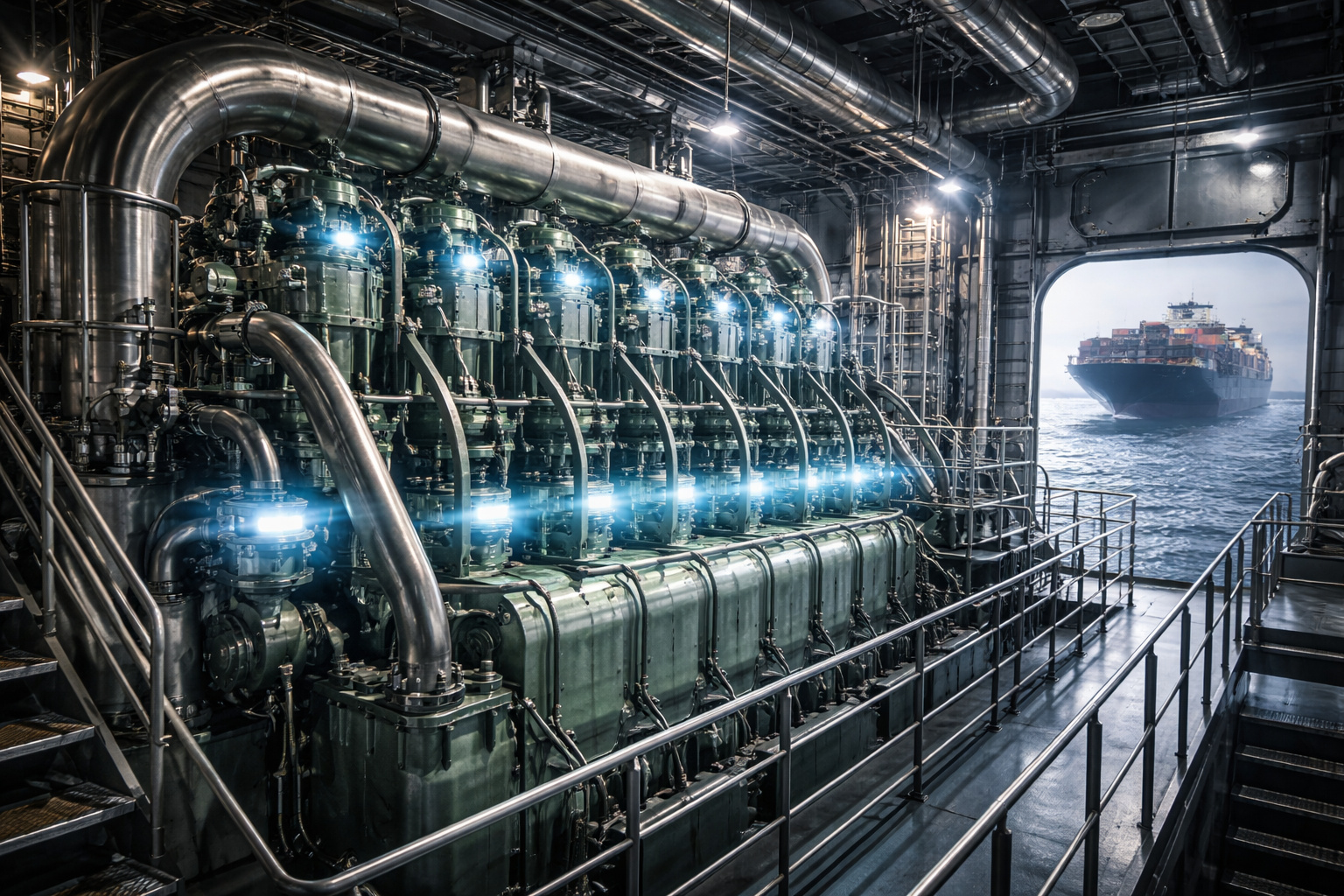
Europe is trying to create an ammonia-powered marine engine without auxiliary fuel, which could unlock the race for giant emission-free ships. The technology aims to eliminate one of the biggest obstacles to clean maritime propulsion.
-
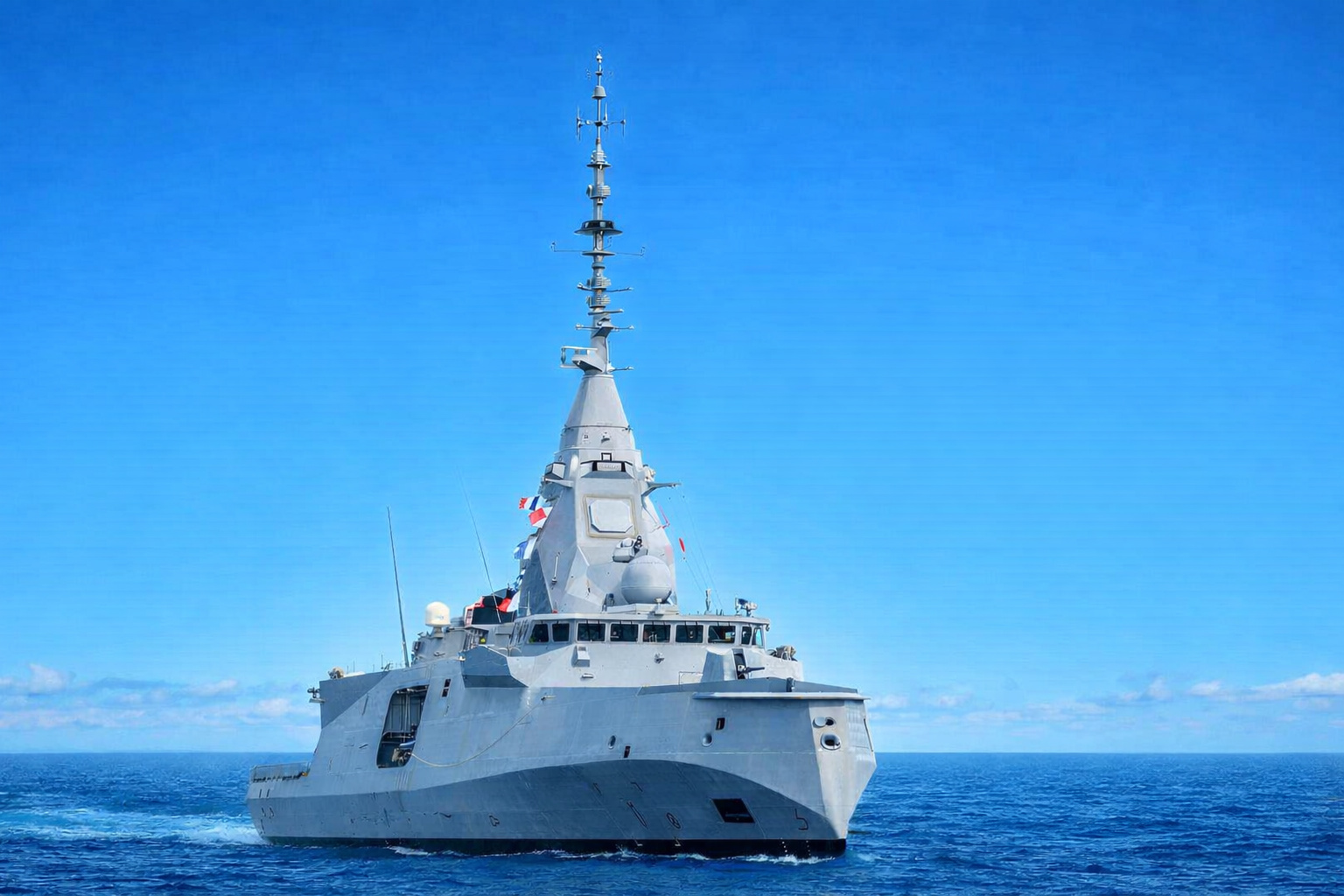
A 4,500-ton frigate with just over 100 crew members, state-of-the-art radar, and cruise missiles is being touted as the new standard of naval warfare in the 21st century.
-
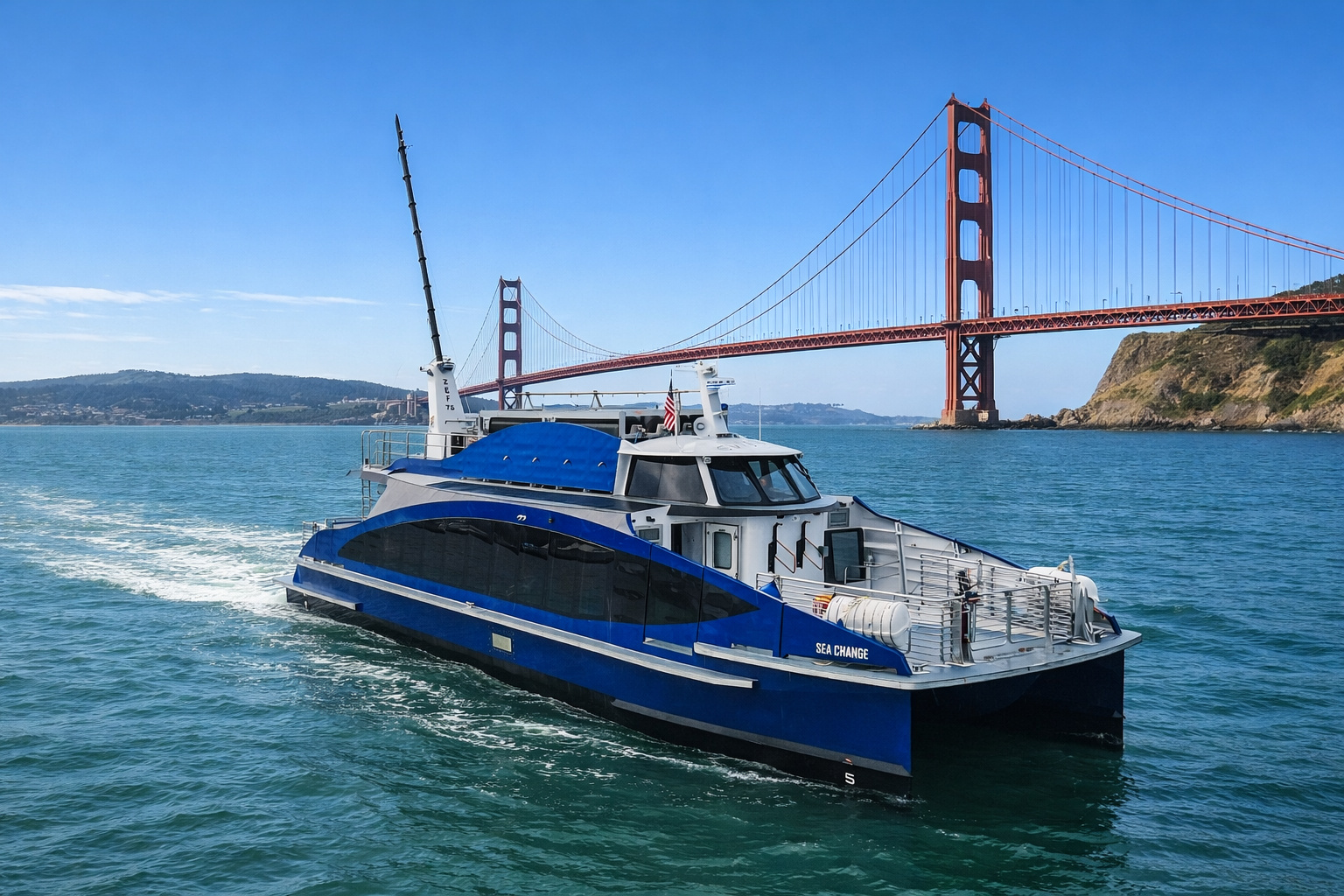
The first commercial hydrogen-powered ferry enters operation in the U.S., eliminates the use of diesel, uses fuel cells to generate clean energy on board, and transforms San Francisco Bay into a landmark of the new era of emission-free navigation.
-
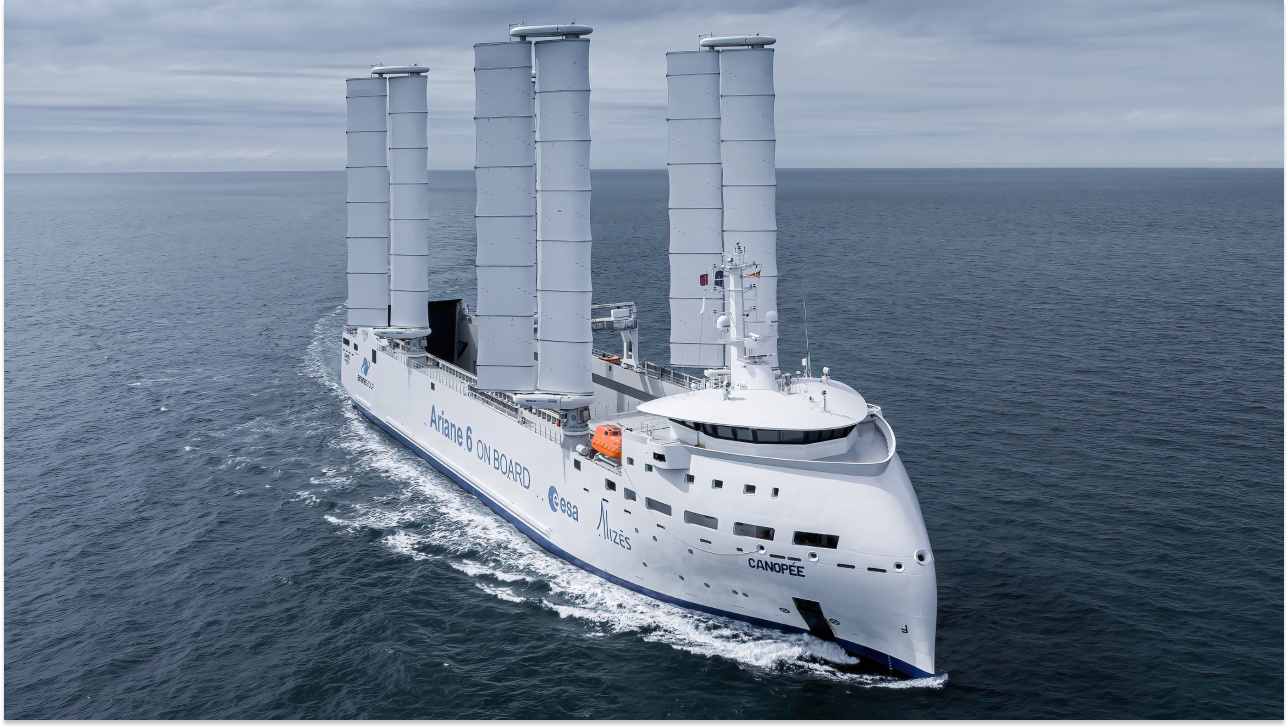
With a length of 121 meters and four rigid sails of 36 meters that automatically rotate to capture the wind, Canopée is the world’s first hybrid industrial cargo ship powered by wind, used to transport rockets and reduce fuel consumption by up to 30% on transoceanic routes.

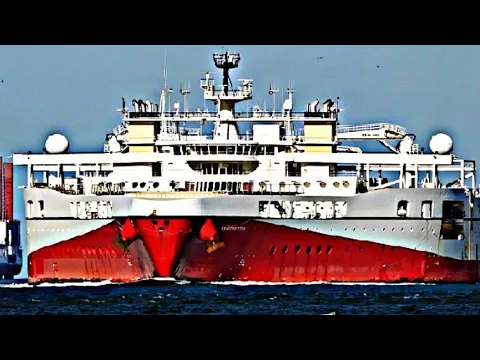

Thanks to its wide and stable shape, the vessel can operate in rough waters, with better cable distribution and greater control during operations. The rear deck was designed to facilitate the handling of streamers and auxiliary equipment, streamlining the cable deployment and recovery process.
Structure And Comfort For Long Operations
The largest seismic vessel in the world was designed to withstand long journeys at sea, with the capability to operate continuously for up to 150 days. The Ramform Titan features accommodations for about 80 people, offering single and double cabins, as well as leisure areas such as a gym, sauna, sports court, and helipad. These facilities aim to provide comfort to the crew during extended missions offshore.
The propulsion is provided by a diesel-electric system that powers three controllable pitch propellers. The ship’s design allows not only for stability during cable towing but also for maneuverability in complex operations.
Strategic Importance Of The Seismic Vessel For The Industry
The data obtained by the Ramform Titan is essential for planning safe and efficient drilling operations in the oil and gas sector. The seismic information helps reduce risks, minimize environmental impacts, and optimize investments in the search for new resources.
In addition to oil, the technologies onboard the seismic vessel are also used in scientific research and environmental studies that require detailed surveys of the seabed.
Naval Engineering And Technology Unite To Unravel The Mysteries Of The Ocean Floor
The Ramform Titan is an example of how naval engineering and geophysical technology come together to unravel the mysteries of the ocean floor. As the largest seismic vessel in the world, it combines operational capacity and precision to meet the demands of the energy industry and maritime research.
With its imposing structure and advanced resources, the vessel continues to play a central role in offshore operations, establishing itself as a true giant of the seas.









Concordo com os leitores sobre ter imagens para ilustrar com riqueza a publicação acima.
Poxa, façam a matéria com fotos. Só uma não dá pra ver o que vcs relatam nos textos.
Concordo com você, teria que ter mais fotos do que estão falando na reportagem.