





 Portuguese
  English
  Spanish
  6 min of reading
  0 comments



In a Casual Interview, Ratinho Defends That the Average Brazilian Can Get Rich by Investing in Agribusiness, Building Warehouses for Grains, Betting on Hotels in the Countryside, and Taking Advantage of Reduced Bureaucracy in States Like Paraná to Make the Most of a Brazil with Growing Demand and Plenty of Real Market Space to Grow
Ratinho returns to the role of entrepreneur and investor as he explains in detail where he sees the biggest opportunities for Brazilians who want to build wealth today. In Ratinho’s view, the country can no longer compete in technology and heavy industry with powers like Japan, Korea, India, and other Asian countries. What remains, he states, is to intelligently explore agribusiness, set up warehouses to store soybeans and corn, invest in hotels in regions with vibrant tourism, and take advantage of a phase in which bureaucracy is falling in some states. For him, Brazil has “the best agribusiness in the world” and still much room to grow.
Throughout the conversation, Ratinho blends practical examples, personal experiences, and criticisms of the historical slowness of the Brazilian business environment. He cites the case of Paraná, where the government simplified rules for fish farming and strengthened cooperatives, helping the state become the world’s largest tilapia producer. At the same time, he reports difficulties in finding hotels during agricultural fairs in the countryside and in tourist spots like Bonito, in Mato Grosso do Sul, and Alter do Chão, in Pará. For the presenter, this combination of strong demand, limited supply, and reduced bureaucracy forms the basis of the current map of opportunities for those who want to get rich.
Ratinho Sees Agribusiness as the Only Exclusive Path for Brazil
In Ratinho’s assessment, Brazil has already lost the competition in segments such as electronics and automobiles to Asian countries that dominate technology, industrial scale, and global production chains.
-
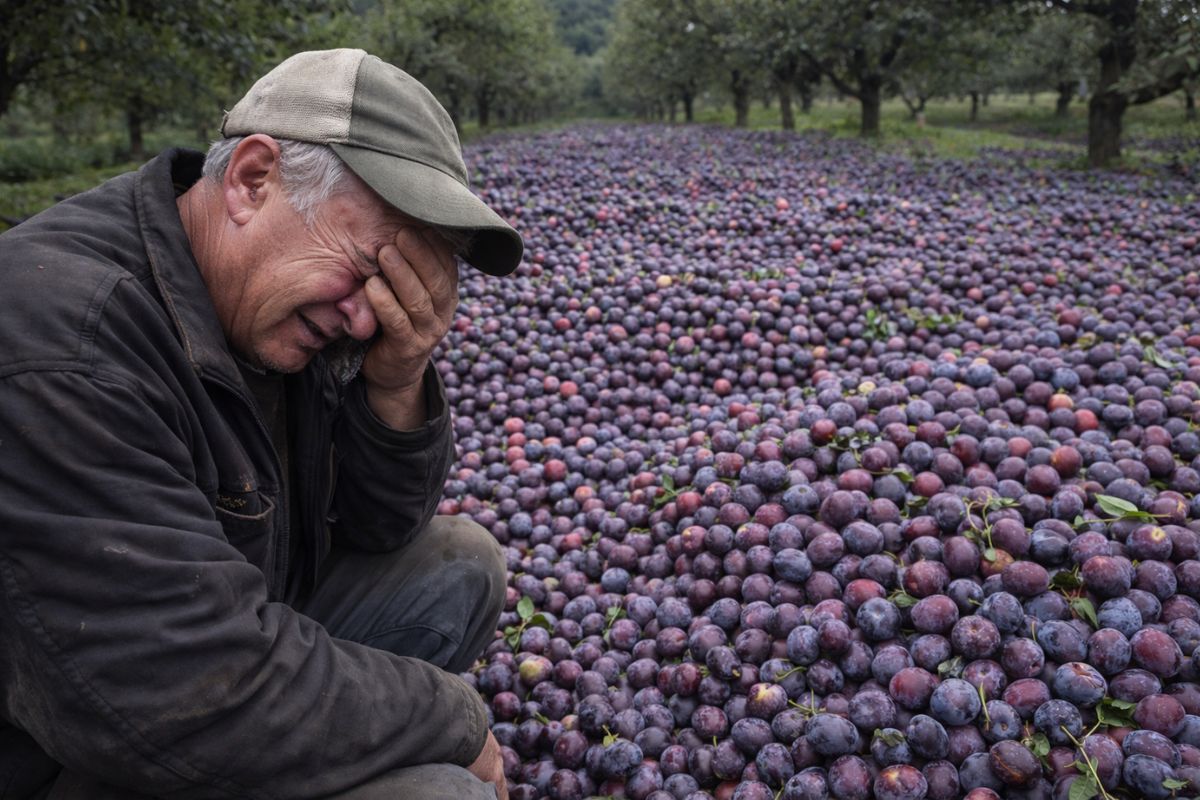
A rural producer from Urubici cries as he shows 50 tons of plums thrown on the ground because no one wanted to buy them, and in desperation, he records a video asking anyone to come to the property to pick the fruits before they rot.
-
Unable to pass through Hormuz, Brazil activated a plan B that uses Turkey as a gateway to the Middle East: the route through Gibraltar and the Mediterranean is longer and more expensive but ensures that chicken, beef, and corn continue to reach Arab markets.

-
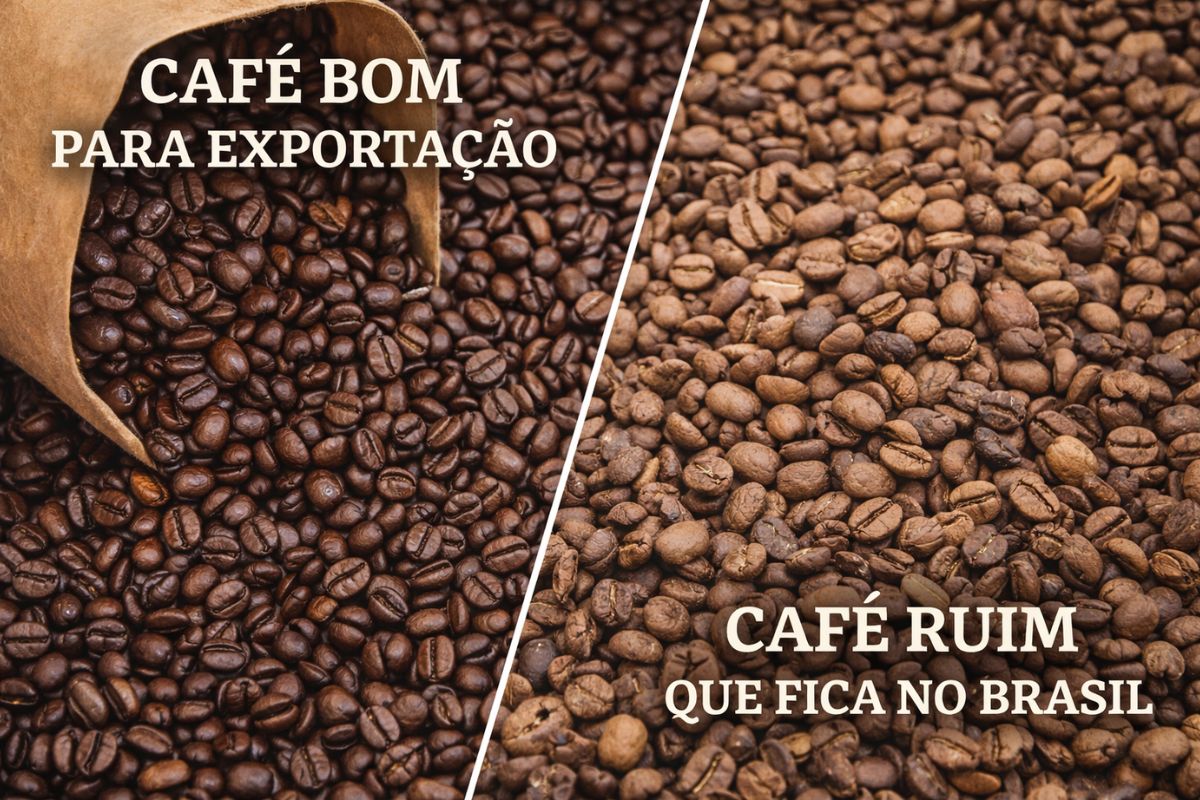
You grew up hearing that the good coffee from Brazil goes all abroad and the bad coffee stays for Brazilians, but this story has completely changed, and the numbers show that in the 1980s, thirty percent of the coffee sold here was adulterated with corn and barley.
-
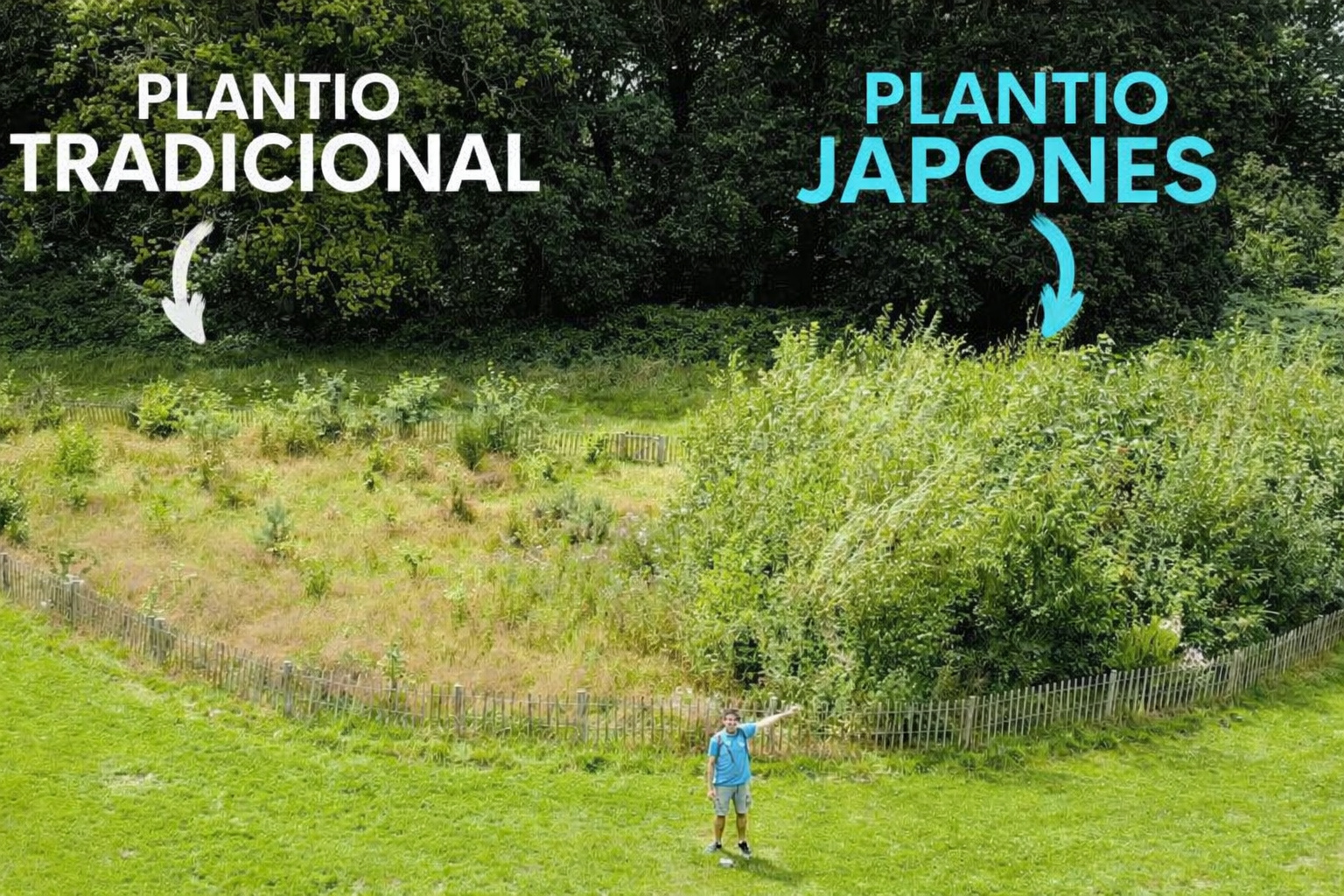
Engineer creates reforestation method that transforms small plots into dense forests in a few years using local biomass and can reduce environmental recovery costs.

Therefore, he reduces the discourse to a clear choice. For the presenter, “there is nothing else to do” outside of agribusiness.
The message is straightforward. The world may go without some sophisticated products, but it will not go without food.
Brazil, Ratinho reminds, is the only large country with this combination of arable land, favorable climate, and the capacity to expand production with technological gains.
In his view, agribusiness is the “great driving force” that can still guarantee wealth for those who know how to enter the right supply chain, from the field to the service.
Even without providing exact numbers on profitability, Ratinho conveys the idea that agribusiness remains underexplored in essential segments, especially in the infrastructure that supports the production of soy, corn, and animal protein.
It is at this point that he transitions to the second pillar of the opportunities he sees: warehouses.
Warehouses for Soy and Corn as a Business of the Future


When talking about getting rich, Ratinho is emphatic in pointing out warehouses as one of the most promising businesses in the country.
According to him, Brazil will continue to increase soybean and corn production with advancements in technology and expanded planted area, but “we won’t have anywhere to store this amount of corn in 10 years”.
The reasoning is simple. The harvest grows year after year, but the storage capacity does not keep pace.
There is a lack of well-located structures, integrated with cooperatives and the logistics system, capable of ensuring grain quality and the correct timing of sales.
In this scenario, those investing in warehouses today can capture a demand that is expected to grow even more in the medium term.
Ratinho admits that setting up a warehouse is an expensive and large-scale project, something that would require selling other businesses to enter this market strongly.
But he makes it clear that if he had surplus capital, it would be one of his preferred bets. For his audience, the message is direct.
He suggests that Brazilians who want to get rich should look at agribusiness infrastructure with the same attention they usually give to the grains themselves.
Less Bureaucracy and Strong Cooperatives as the Basis for Investors
Another central point in Ratinho’s analysis is the impact of bureaucracy on the decision to invest.
He recalls that in the recent past, opening a simple fish tank in Paraná required requests to the city government, submission to environmental authorities, months of waiting, and uncertainty regarding the final authorization.
The result, he claims, was to discourage small and medium producers.
According to the presenter, the progress came when rules were simplified and fish farming no longer depended on multiple authorizations.
At the same time, the government began encouraging cooperatives to buy production, providing predictability to the producers.
The effect, Ratinho reports, was to transform Paraná into the world’s largest tilapia producer.
The case is used as an example of how reducing bureaucracy and strengthening cooperatives can unlock investments in the field.
For those wanting to enter agribusiness, the message is that it’s not enough to produce; you need to have someone to sell to and find a regulatory environment that doesn’t destroy initiative before the first harvest.
Hotels in Medium-Sized Cities and Touristic Destinations with Insufficient Supply
In addition to agribusiness and warehouse infrastructure, Ratinho sees a great, underexplored potential in the hotel sector.
He shares recent experiences in cities like Castro, Paraná, where he participated in a milk fair and ended up staying at a motel due to a lack of available hotels.
A similar situation, he says, occurred when he tried to visit Bonito, a well-established tourist destination, and Alter do Chão, in Pará, both in high demand and with little accommodation available.
In the presenter’s reading, “hotel is a great business” in these locations because Brazilians are traveling more and the promotion of destinations online sparks a real desire to visit these places.
The contrast between the intense flow of people and the scarcity of rooms creates what he understands as an “obvious opportunity” for those with capital and the willingness to build or renovate minimally competitive enterprises.
For Ratinho, Brazil has a structural advantage.
It is a tropical country, with climate and landscapes that favor year-round tourism, unlike countries with long periods of snow and extreme cold.
In his view, the attentive investor can combine the productive field of agribusiness with business and leisure tourism, creating a network of hotels and inns around events, fairs, and natural destinations.
The Experienced Businessman’s Perspective on Risk, Sales, and Focus
Ratinho’s speech also carries a layer of caution typical of someone who has made mistakes in past investments.
He recalls entering into investments that looked promising but ended up being losses, and that there are only two quick ways to bankrupt someone with money.
Either the businessman makes poor deals, or he gets lost in vices like gambling.
Today, at age 67, Ratinho asserts that he has defined how much he needs to leave for each of his three children to live well and claims he no longer enters new businesses just out of enthusiasm.
The filter is strict.
He avoids betting alone on high-risk projects, such as purchasing an entire television station, and prefers to structure investments based on experience, scale, and real sales capacity.
At the same time, he emphasizes a point he considers non-negotiable.
For him, no one should venture into entrepreneurship without knowing how to sell. It’s not enough to have a good product or a good structure.
Those who want to get rich, he argues, need to believe in what they offer and be able to convince the customer.
Without that, neither agribusiness, nor warehouses, nor hotels, nor any other sector can deliver the expected returns.
Given the opportunities that Ratinho points out in agribusiness, warehouses, and hotels, in his opinion, should Brazilians looking to get rich today prioritize the countryside, domestic tourism, or diversify between the two paths to reduce risks?







-

-

-

-

-

-

12 pessoas reagiram a isso.