





 Portuguese
  English
  Spanish
  3 min of reading
  0 comments


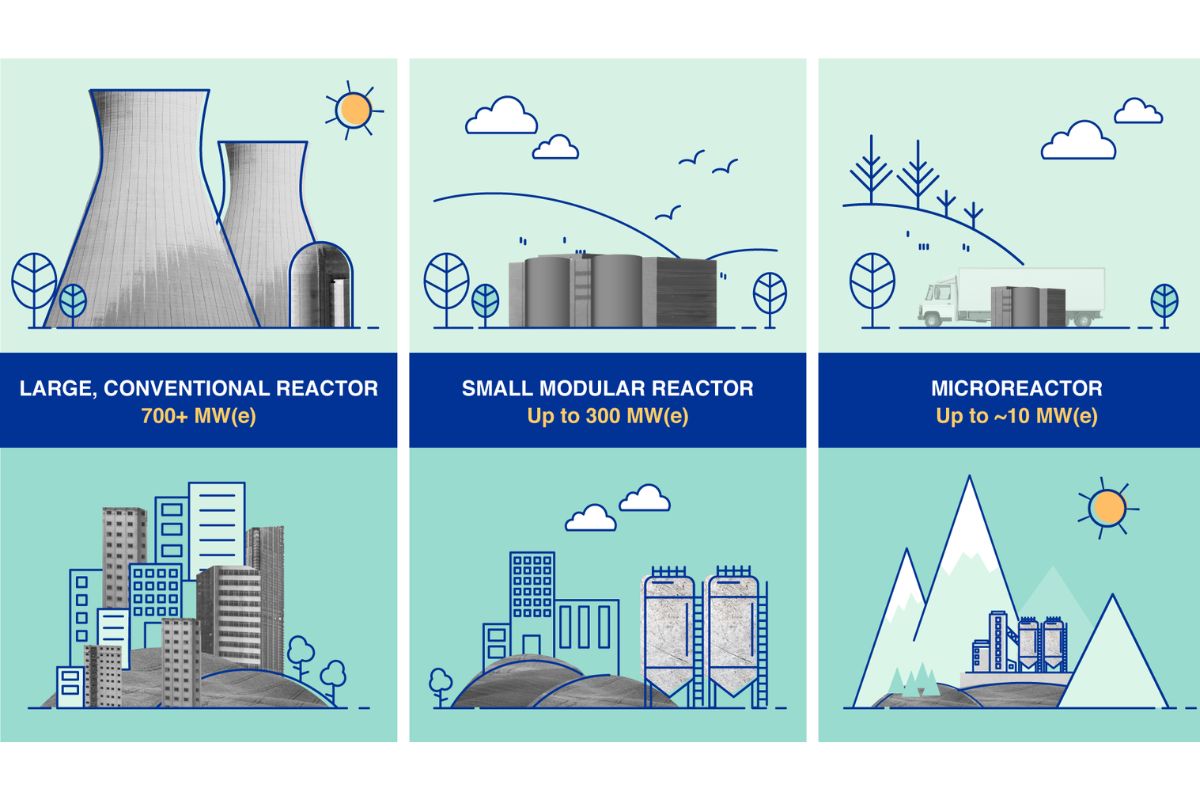
Know The Technology Of “Green” Nuclear Energy And Small Modular Reactors, Compact Plants Promising Clean, Safe And Reliable Energy To Supply Entire Cities And AI Data Centers.
A new era for nuclear energy is beginning, driven by a technology that seems to have come straight out of science fiction: “Green” nuclear energy and small modular reactors (SMRs). Far from the gigantic plants of the past, these new reactors are compact, mass-produced like cars, and assembled on-site, promising cheaper, faster, and safer energy generation.
This innovation is resurfacing as a powerful ally in the fight against climate change and the search for stable energy sources to meet the growing demand for technologies like artificial intelligence. With the potential to supply up to 1 million people with a single module, nuclear energy “green” and small modular reactors are already a reality in some countries and are generating significant interest in Brazil as a solution to diversify its energy matrix.
What Are Small Modular Reactors (SMRs)?
SMRs are, essentially, miniature nuclear plants. With a capacity of up to 300 megawatts electric (MWe) per unit — about one-third of a traditional reactor — they are designed to be built in factories and transported to the installation site. This industrial approach offers revolutionary advantages:
-
Equatorial adopts new national number for consumer units on electricity bills starting in April, following ANEEL standards and modernizing energy bills in several states.
-
Itaipu Impresses the World: Hydroelectric Plant with 20 Turbines and 14,000 MW Generates Over 2.9 Billion MWh and Leads Global Clean Energy Production
-
Aneel Revokes CMAA Thermal Power Plants After Network Restrictions and Excess Energy in the System

-
13-Year-Old Scientist Creates Clean Energy Device For Just R$ 16, Wins $25,000 Prize And Surprises The World With Affordable Solution


Quick And Cheap Construction: construction time drops from nearly a decade to about 3 to 4 years, and the initial cost is drastically reduced from over $10 billion to somewhere between $1 and $5 billion.
Enhanced Safety: their compact design and passive safety systems (which do not rely on human intervention or external power to operate) make them much safer than older plants.
Flexibility: they can be installed in remote locations, replacing coal or diesel plants, or grouped together to form a large power station.
The Global Race And The AI Boom
The demand for clean and constant energy is driving a global race for the development of SMRs. The venture capital firm Andreessen Horowitz (a16z) predicted a “boom” in nuclear energy by 2025, driven by the need to power the artificial intelligence data centers, which consume a colossal amount of electricity.
Technology and industry giants are already investing heavily:
NuScale Power (USA): is one of the most advanced companies, with a project already certified in the United States.
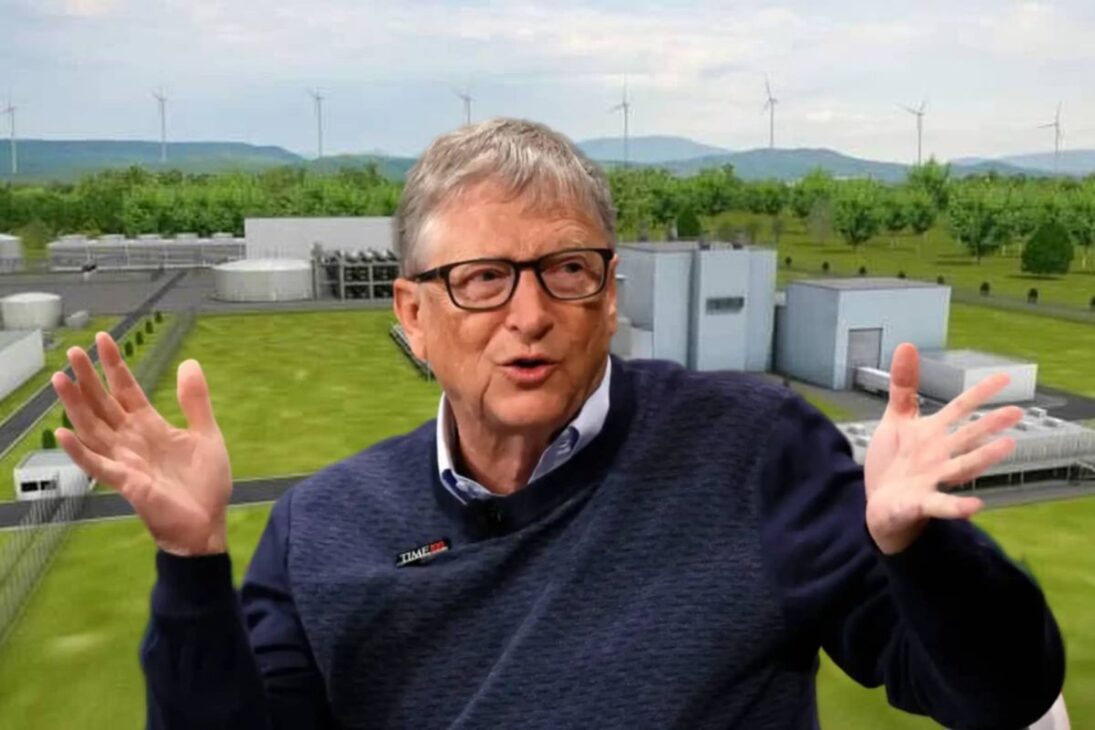
TerraPower (USA): founded by Bill Gates, is developing the Natrium reactor, with construction expected to begin in 2028.
Rosatom (Russia): has been operating the world’s first floating SMR, the Akademik Lomonosov, since 2019.
Google: has struck a deal with Kairos Power to use SMRs to power its data centers by 2030.
Brazil Eyeing The Technology
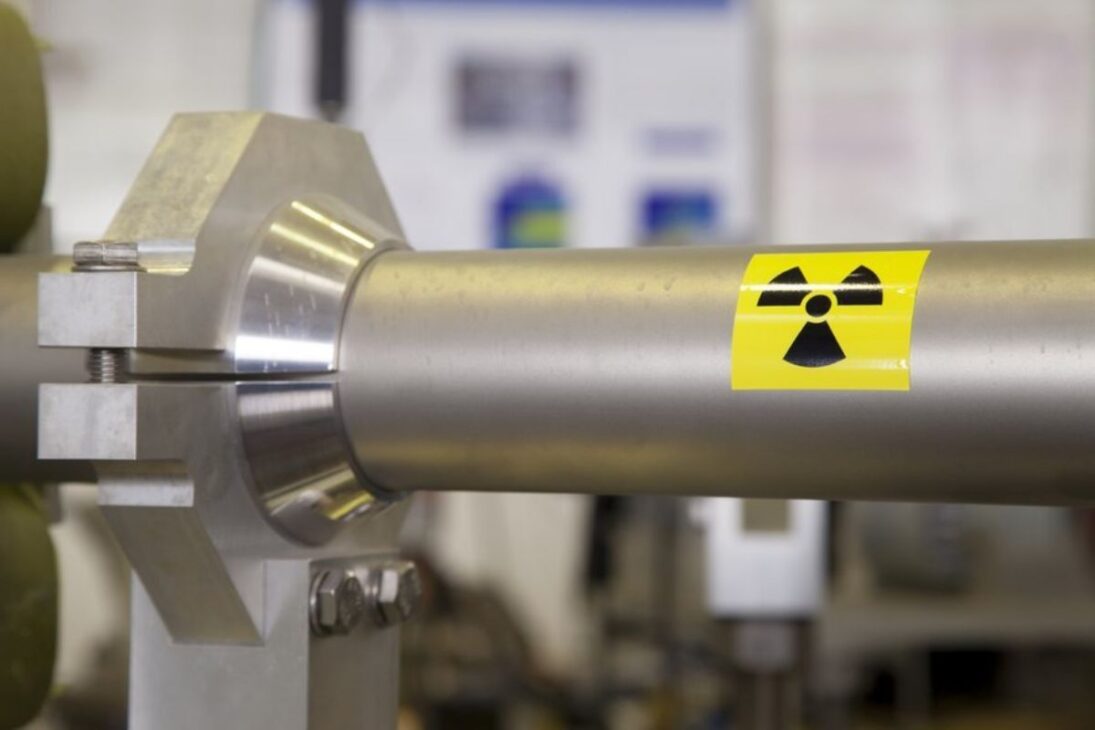
With an energy matrix heavily reliant on hydropower, Brazil sees SMRs as an opportunity to ensure energy security, especially during drought periods. The country’s interest has intensified:
Partnership With Russia: in May 2025, the Brazilian government formed a partnership with Rosatom for the development of SMRs and uranium mining.
Projects For The Amazon: plans are already underway for the use of micro-reactors in isolated communities in the Amazon, which could generate energy for up to 10 years without the need for refueling, replacing costly and polluting diesel generators.
Cost, Waste, And Public Acceptance
Despite the optimism, “Green” nuclear energy and small modular reactors still face challenges. The cost per megawatt-hour (MWh) of the initial projects is still higher than that of sources like solar and wind. Furthermore, studies indicate that SMRs may generate a proportionally larger volume of nuclear waste than conventional reactors, a concern that demands long-term solutions.
Overcoming public distrust, still marked by accidents like Chernobyl and Fukushima, and creating a clear regulatory environment are fundamental steps for this promising technology to truly establish itself as a pillar of clean energy in the future.
And what do you think? Are “Green” nuclear energy and small modular reactors the solution to the energy and climate crisis, or do the risks still outweigh the benefits? Leave your opinion in the comments!





Seja o primeiro a reagir!