





 Portuguese
  English
  Spanish
 3 min of reading
  2 comments


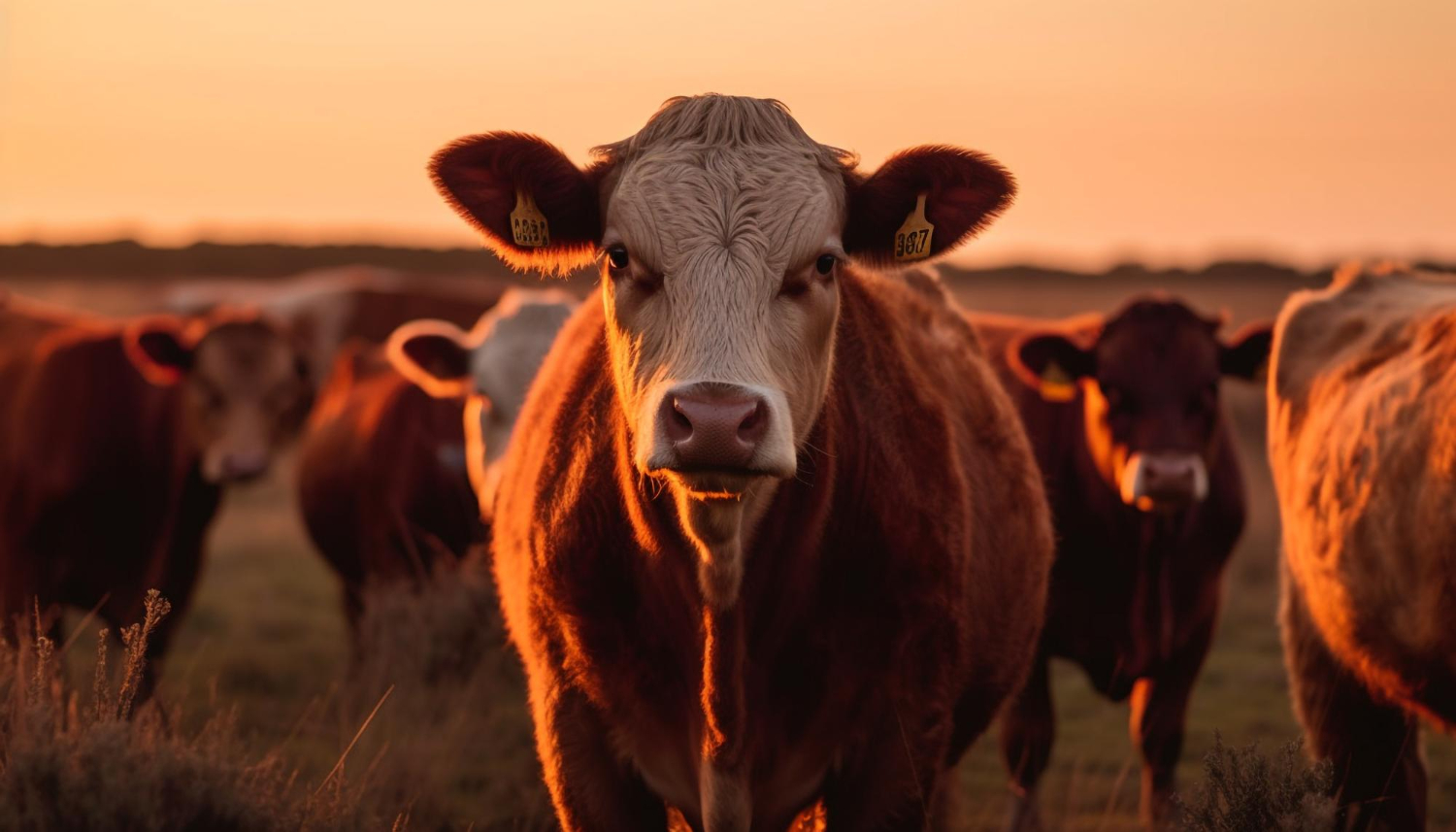

Bovine Herd Health in Minas Gerais Depends on Vaccination, Parasite Control, and Good Sanitary Management Practices, Ensuring Productivity and Food Safety on Rural Properties
The health of the bovine herd in Minas Gerais is a decisive factor for the success of cattle ranching, directly influencing the productivity and profitability of farms, according to an article published.
Emater-MG has reinforced to producers the importance of adopting continuous practices of vaccination, parasite control, and preventive disease management.
According to zootecnist Manoel Lúcio Pontes Morais, state technical coordinator of the institution, keeping an updated and visible health calendar is the first step to ensure that no procedure is overlooked, avoiding losses and reducing the use of medications.
-
While Russia dominates the global wheat market, Brazil emerges as an unexpected competitor in the Cerrado, offering grain available in July and August when stocks in the Northern Hemisphere are at their lowest point of the year.

-
China returned almost 20 Brazilian ships with soybeans, but now everything could change: the country that buys 80% of the grain is considering relaxing regulations after impurities held up shipments of thousands of tons and caused million-dollar losses.

-
The drought of the cerrado was considered an enemy of wheat, but Brazilian scientists turned the lack of rain into a competitive advantage by creating a grain with quality that is already attracting the attention of international mills around the world.

-
THE OWNER of Brazil: a farmer who came from laundries, created an ’empire’ and today runs a company valued at R$ 42 billion after tripling its value in less than a year and receiving a billion-dollar investment from the USA.


Vaccination and sanitary care should begin within the first hours of the calf’s life.
Providing colostrum immediately after birth, especially within the first two hours, is essential to strengthen immunity and protect the animal from infections.
The proper treatment of the umbilical cord with iodinated alcohol is another essential procedure to avoid contamination and ensure healthy development of the newborn.
Vaccination Against Brucellosis and Rabies: Prevention That Ensures Safety in the Field
Among the main recommendations from Emater-MG is the strict compliance with mandatory vaccination campaigns.
In the case of brucellosis, the immunization of heifers between three and eight months is required by law and must be performed by a veterinarian or accredited professional.
The rabies vaccine, administered annually, protects not only animals but also people living in the rural environment.
Clostridial diseases, caused by bacteria that lead to sudden deaths, such as tetanus and botulism, remain a frequent concern in the bovine herd in Minas Gerais.
According to Emater-MG, preventive vaccination is the safest and most economical way to avoid losses.
Additionally, the institution emphasizes that failures in the health calendar compromise productivity and the quality of animal-origin products, directly affecting the producer’s profit.
Control of Bovine Ticks and Proper Use of Veterinary Products
Parasite control is one of the pillars of animal health and should be done strategically.
Bovine ticks, for example, cause declines in milk and meat production, as well as transmitting serious diseases.
Morais advises producers to use specific products, follow the correct dosage, and adhere to application intervals.
The use of protective equipment during the preparation and bathing of animals is also essential to ensure the safety of rural workers.
Worm infestations, another recurring challenge, can be controlled with broad-spectrum dewormers and pasture rotation.
Wet, poorly drained environments with high animal density promote the proliferation of worms.
Emater-MG also recommends maintaining cleanliness in facilities and separating young animals from adults, practices that significantly reduce contamination within the herd.
These preventive management actions enhance the performance of the bovine herd in Minas Gerais, improving feed conversion and reducing costs related to curative treatments.
Mastitis in Dairy Cows and Hygiene Practices During Milking
Mastitis, inflammation of the udder that impacts production and milk quality, continues to be one of the most common diseases among dairy cows in the state.
Emater-MG advises producers to adopt simple and effective hygiene measures during milking.
The use of dark-bottomed cups and the periodic performance of the CMT (California Mastitis Test) allow for early detection of the disease, avoiding economic losses and compromising the quality of the final product.
According to the coordinator of Emater-MG, sanitary management should not be seen as a cost but as an essential investment.
The adoption of good practices ensures animal welfare, reduces waste, and increases the financial return of properties.
All details about vaccination, parasite control, and hygiene are compiled in the booklet “Sanitary Management of Cattle,” available for consultation and free download at the Virtual Bookstore of Emater-MG, on the website www.emater.mg.gov.br.
These guidelines reinforce that the success of cattle ranching in Minas depends on a set of daily care practices and the adherence of producers to technical recommendations, ensuring the sustainability and competitiveness of the bovine herd in Minas Gerais.








Muito bom artigo.
Obrigado, meu caro